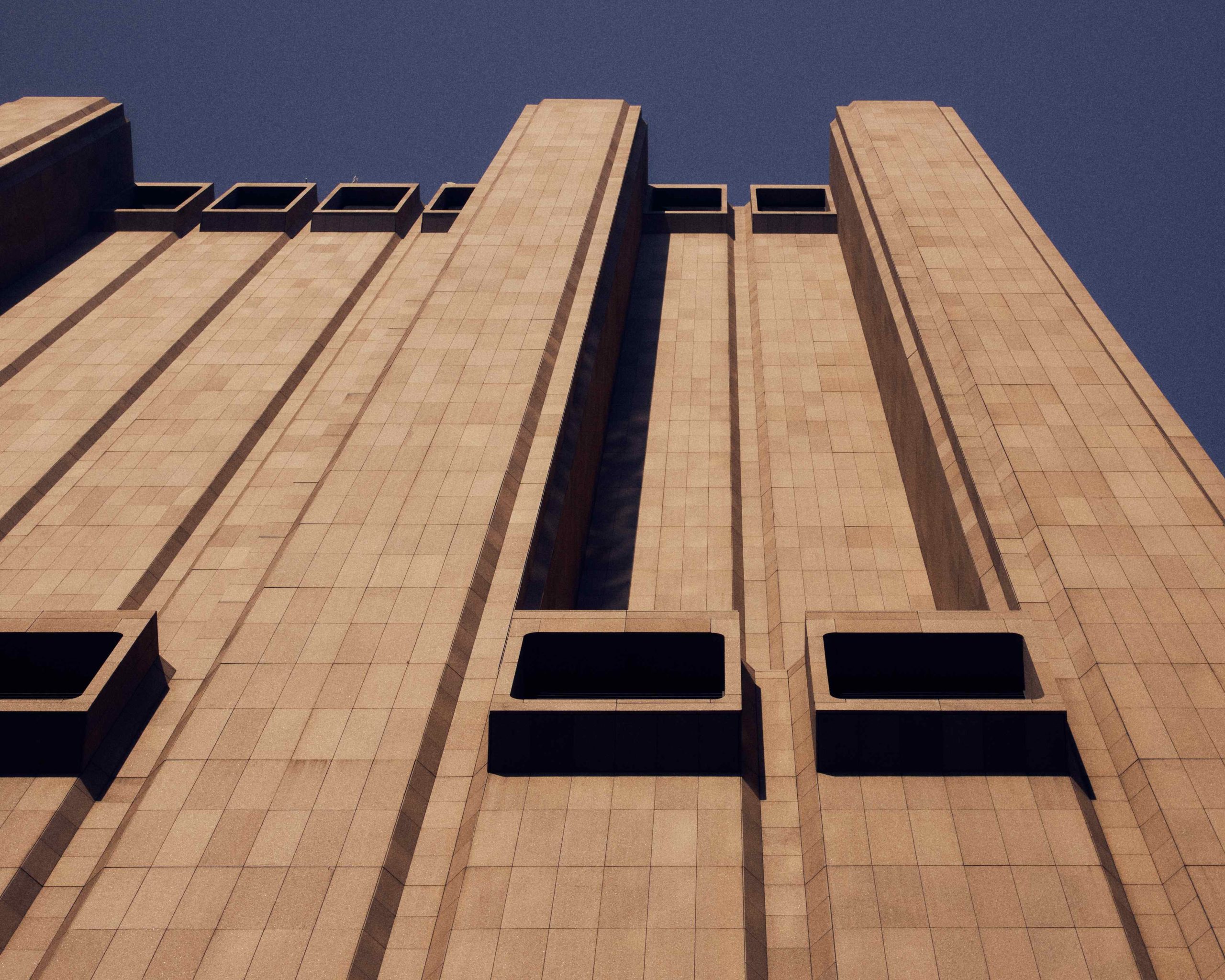
Architecture continues to reject its true sentiment. It attempts to act as a savior through the use of modernity, as can be seen in the countless failed social housing programs of Vancouver and Los Angeles. Clean lines, uniform rooms, wall-mounted quotes speaking of hope, unfamiliar patinas. Yet it only takes a few short moments for these housing blocks to adapt to the minds of their new residents, often through xylazine-induced psychotic breaks, copper and raw metals being ripped from the walls, and violent drug deals gone bad. Architects are not saviors. Their roles should not be to help, and we should not assume our designs do either. Architects often make things worse.
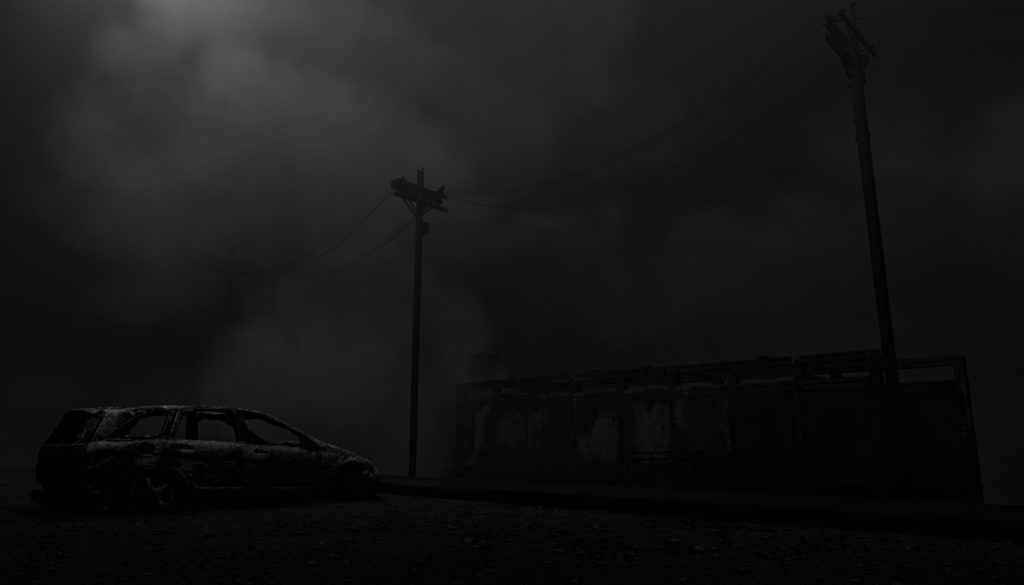
The discipline of architecture and its construction is violence, not just because architecture literally represents the destruction of one way of life and its replacement with another, but in its expectation that the people who live in it will follow suit, breaking down their own lives and adhering to the architect’s vision of it.
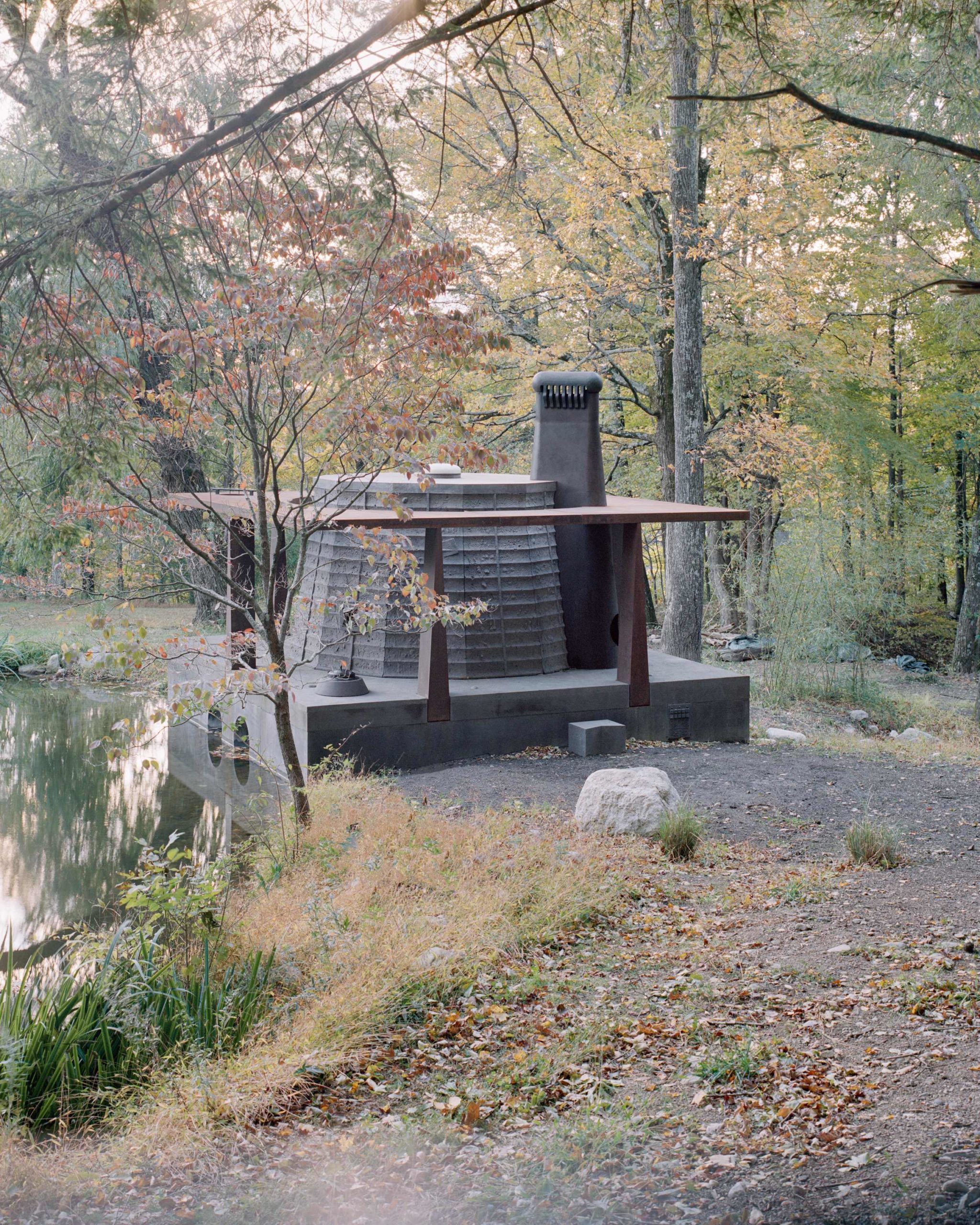
The Jester House, a conceptual building designed by Juvenilia, attempts to incorporate the reality of a building and its inhabitants’ lived experience directly into the design. The violence of the Jester House is the violence of the lives of those who already live in it — the problems of the inhabitants become those of the architecture. The symbiotic relationship between the two is the only hope for the long-term betterment of the building and its inhabitants. In the Jester House, the fate of the building rests on its residents — not the other way around.
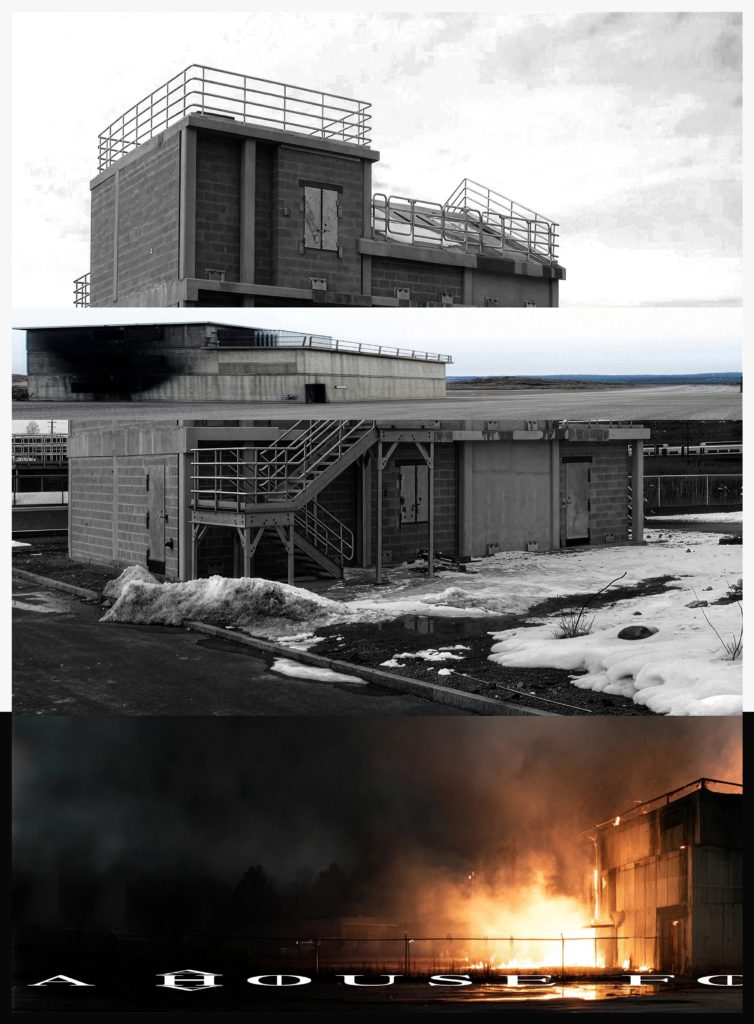
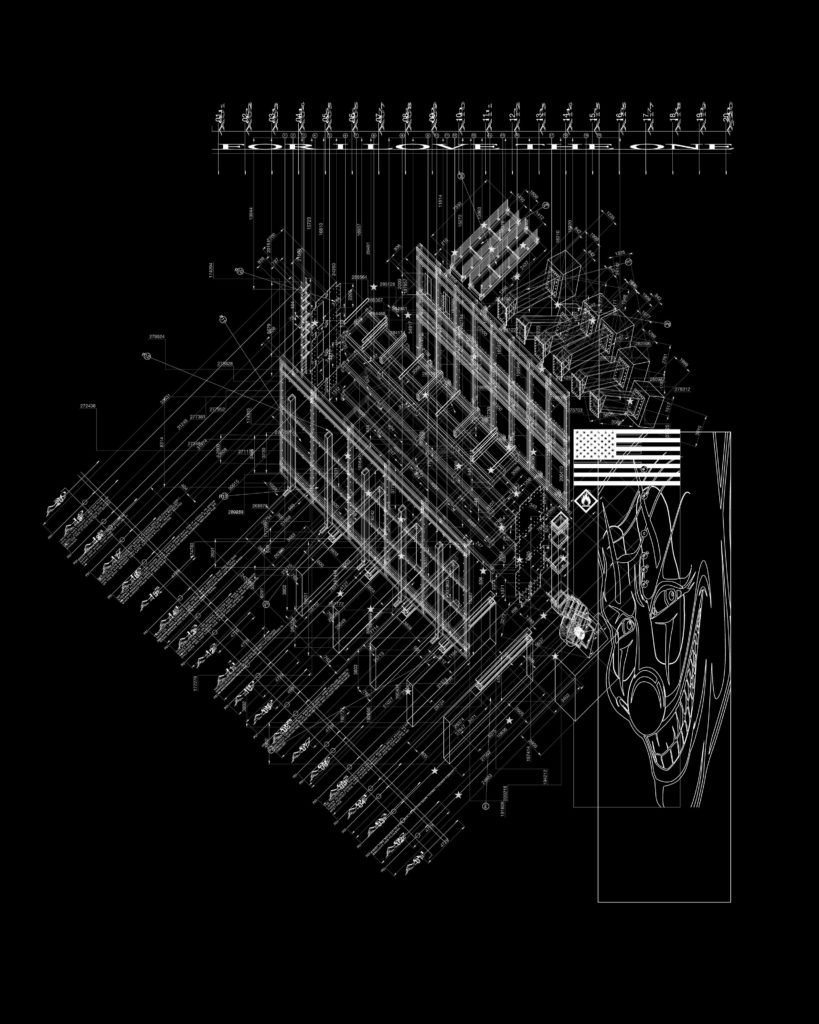
Even though the architecture of the Jester House is fire and chaos, it is still inherently optimistic. Fire has often been seen as a tool for transition. It marks a new beginning. This house embodies the nature of rebirth through design. The narrow hallways, steel trusses, overly secured foundations, ventilation system, and overall form mirror the firefighter training facilities of the LA Valley. It is an architecture meant to stoke flames that only burn out once the fire decides to.
* * *
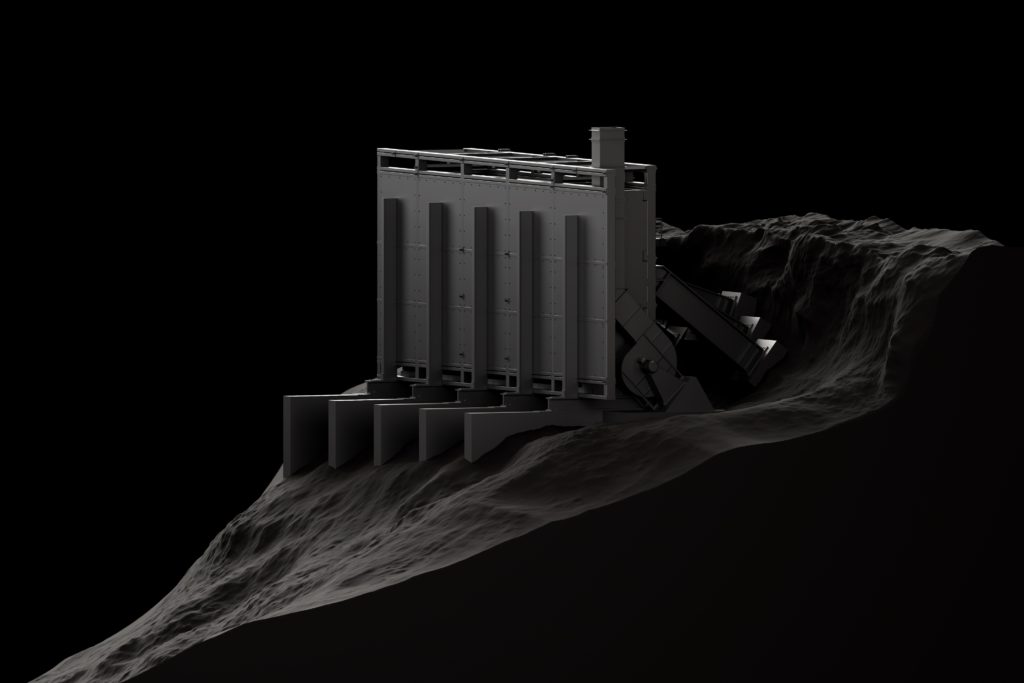
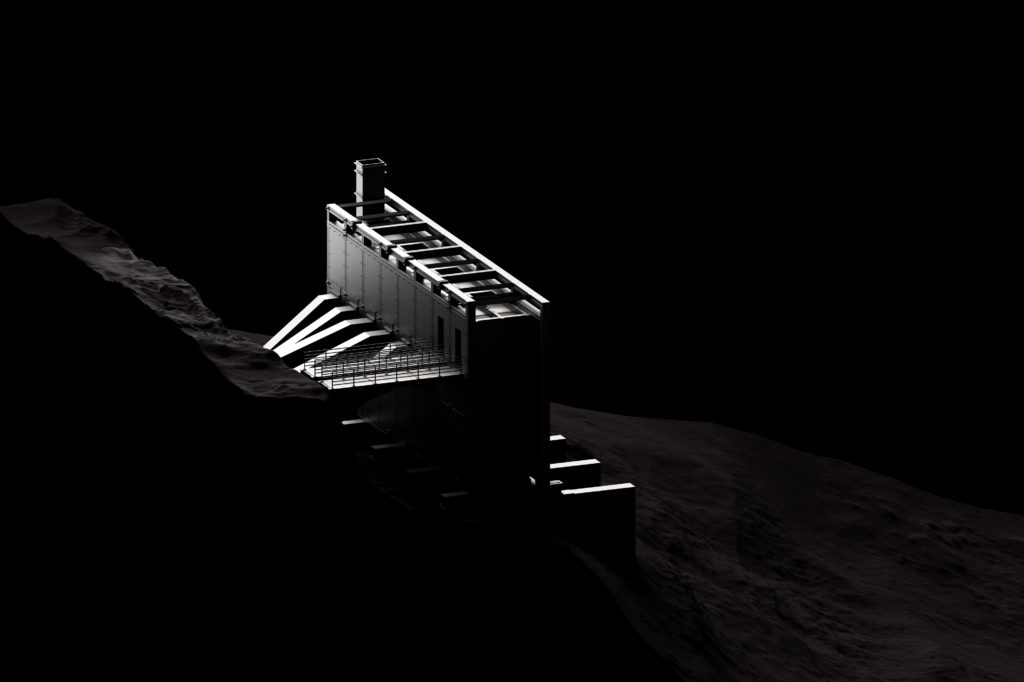
The nothingness was her favorite part. She was standing outside of what had been her home for the past few days, somewhere in the Hollywood Hills. The building was on fire, internally. It was contained within the building’s multi-story steel shell that was stuck into the side of the hill with an elaborate wheel-looking truss.
The building had no windows. A chimney system on the side of it was inhaling air and pumping black smoke out the top of it. Every part of the building appeared primed to help it burn more quickly, more thoroughly. It looked like a vertical slaughter house, or cremation center, like ones on the outskirts of cities that are hidden in the woods behind barriers that attempt to block the airborne remains from getting anywhere near the town’s inhabitants. She remembered watching interviews with victims of last years’ fires in Los Angeles. They had all said the same thing: that they couldn’t believe everything they owned had turned into nothing, that it was possible for things to become nothingness. Not only were their houses often completely gone, but so was what had been inside of them; the furniture and books and pictures and kitchenware. They didn’t know it was possible for physical objects to be reduced to nothingness, to be erased without even a cinder left. She had barely left the building during the few days she stayed there. It was very easy to do. Each room was sequestered in such a way so that the plan read like a hedge maze, with empty steel rooms haphazardly piled on top of each other seemingly without any internal logic.
The hallways and doors appeared slightly smaller than usual, as though they were designed to cycle the air through quicker. The confusion of the building made her feel as though she were outside. At times she didn’t know how to get out. She never knew if she was actually alone in the building or not, as she could often hear the sounds of others ricocheting through the building’s steel frame. There were other squats littered throughout the Hills. But this one was different. They could not distinguish its purpose, when it was built, why, or by whom. They only knew that it was almost meant to be incinerated. Half-burned detritus covered the ground, and white paint peeled off the steel walls that still glowed from the use of its previous inhabitants. There were no instructions on how to incinerate the building. She thought that the objective was to cleanse it after using it.
Though she wasn’t sure what she was cleansing herself of. She barely had any thoughts, possessions, or ethics. And neither did the structure. Buildings are like dogs; they mirror the people who inhabit them. And in the end, the building had nothing inside of it. She had gathered a number of her objects in the building’s foyer the night before, tied them together with string — a notebook, soiled clothes, a hairbrush — and incinerated them. The fire spread quickly, as it was supposed to. She watched it go up the stairs, as if it were walking up them, with quick, immediate legs. It did not recognize time and space, but leapt over them imaginably, and, imaginably, responded only to its own bizarre interior ambitions. After the fire had died down, she went inside to look one final time. It was difficult to discern what she was looking at. She could barely see through the smoke, and there was the constant, disorienting sound of the chimney.
The entirety of the interior looked like a trompe l’oeil that had rotted over the years, as smog covered every surface. She did not know if there was anyone else in the building.
* * *
It wasn’t entirely unique, especially in the Hills, where multiple buildings had been left unattended over the years, a process that inadvertently mirrored much of contemporary building: planned detritus, stuck in modes of endless construction that even once “finished,” sit empty for years until their inevitable demolition. Why complete the buildings at all? Why not leave them all exposed steel and Tyvek, scattered on top of the hill or in the middle of a city; buildings that plan for their future incapacity. People regard these buildings in the same way they regard every form of built space: as something to be ignored while they go about their increasingly distracted days. Blunt forms, simple colors, massive shapes. How do you design a building for eyes that no longer comprehend detail? Playground logic. It’s hard to say whether people have changed, but their eyes certainly have.
* * *
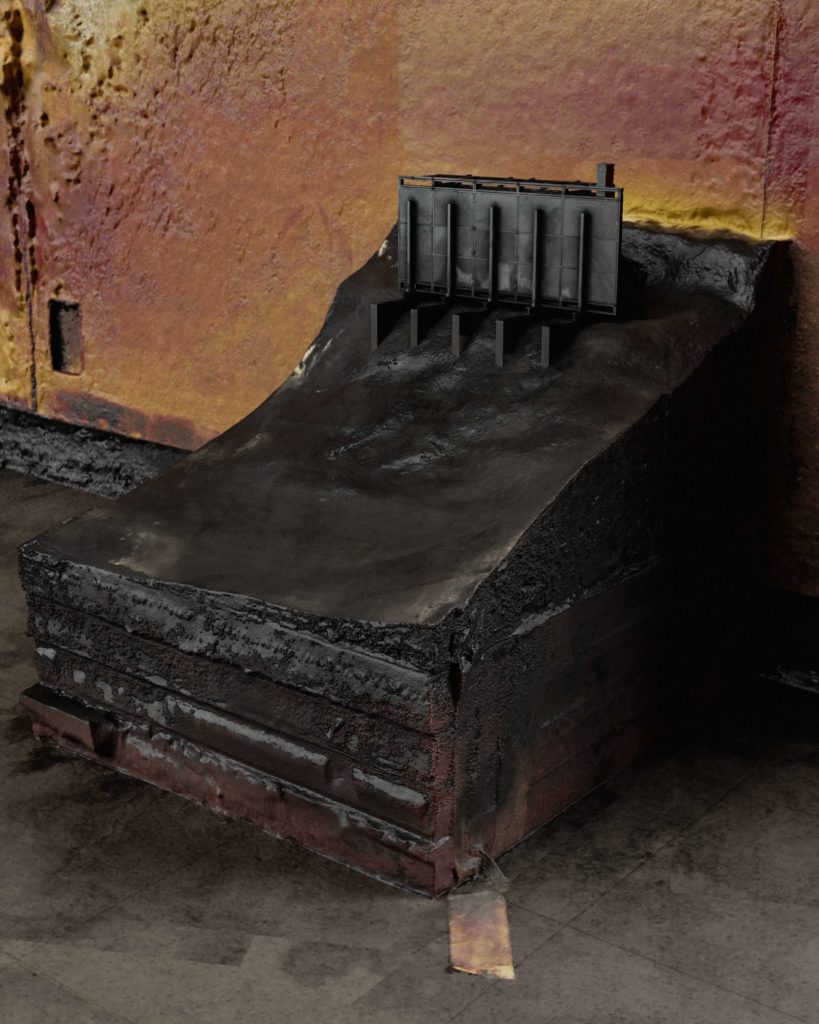
She looked at the embers, the new form of her former belongings. But they weren’t really gone. The fine ash was inside her, on her clothing. She had inhaled them. They were percolating within her as she walked away, in the same way that the dust of deconstructed buildings is forever in the lungs of city dwellers. She had inhaled her belongings in the same way she would later inhale the drugs. For days afterward she would smell them on her clothing. Lean her face down; what was it? Clothes, pictures. Incinerated and within her. The fire reminded her of being a child in Orange County, before her drug problem had leapt from being a syndrome of partying to controlling her life. She had grown up inland, where the dryness caused nearly constant fires. She used to watch them with her parents from the backyard of her house, next to their pool. She thought it was uncanny how quickly the fires were moving over the hill, like lights being turned on, bulb by bulb. She was worried but her parents assured her that the fire would never cross the valley that separated them from it, and it never did. All of those memories like glass. By morning the fire had been extinguished by the building itself. It simmered in the morning dew. Each fire was like a new addition. She was gone, heading to the next squat, wondering what effect the building had had on her. Maybe it was the drama of the building itself. That what had happened was so spectacular and unprecedented that it had emptied her in a way, it had taken whatever. She herself had become the shell now, empty, waiting to be filled again, to be maintained.