I texted photographer Bella Newman, “I think we get lost in the girlhood of it all.”
She texted back, “You hit the nail on the head with that, I fear.”
Then Newman compared womanhood to the famous Hunt of the Unicorn (1495– 1505) tapestries.
Most of our conversations are sporadic, random, and sparse, then suddenly become extensive and hyperfixated on one specific topic. We speak in a “blocked universe” that jumps from the past, present, and, at times, surreal future between us. After discussing our lack of interest in the zeitgeist’s heavy fascination with girlhood, we texted about Lance Oppenheim’s 2020 documentary Some Kind of Heaven.
I texted, “They were so young at heart.” Newman texted back, “The human heart really stays the same.” Newman’s photographs could be a way for herself and the viewer to come to terms with constant change, while never forgetting — or, in her case, returning to — the foundation of a person.
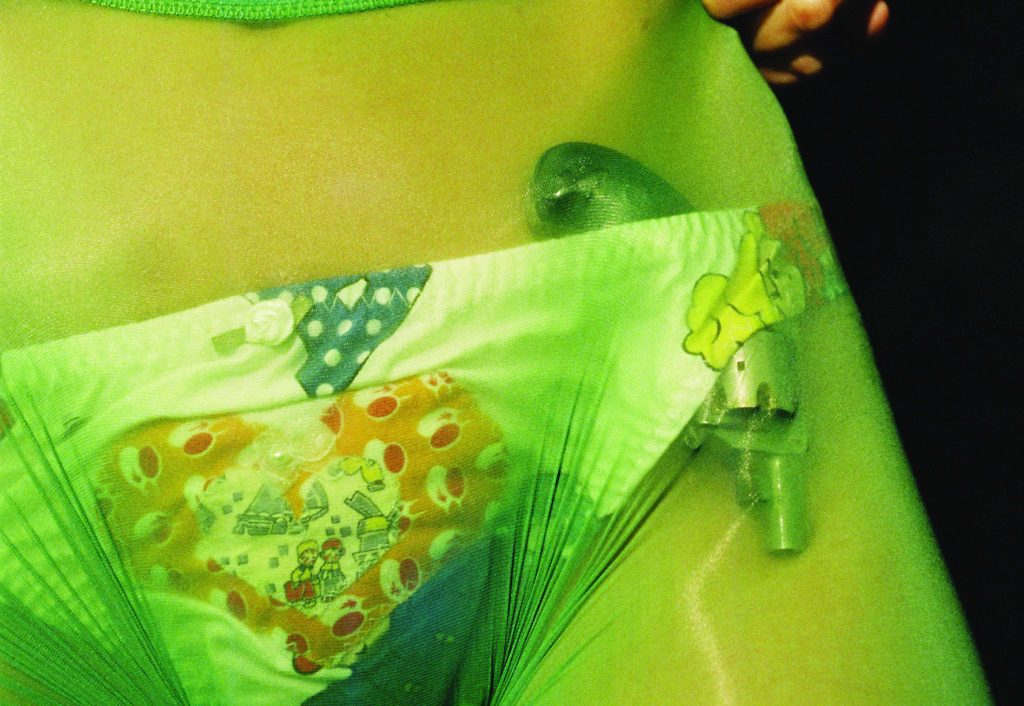
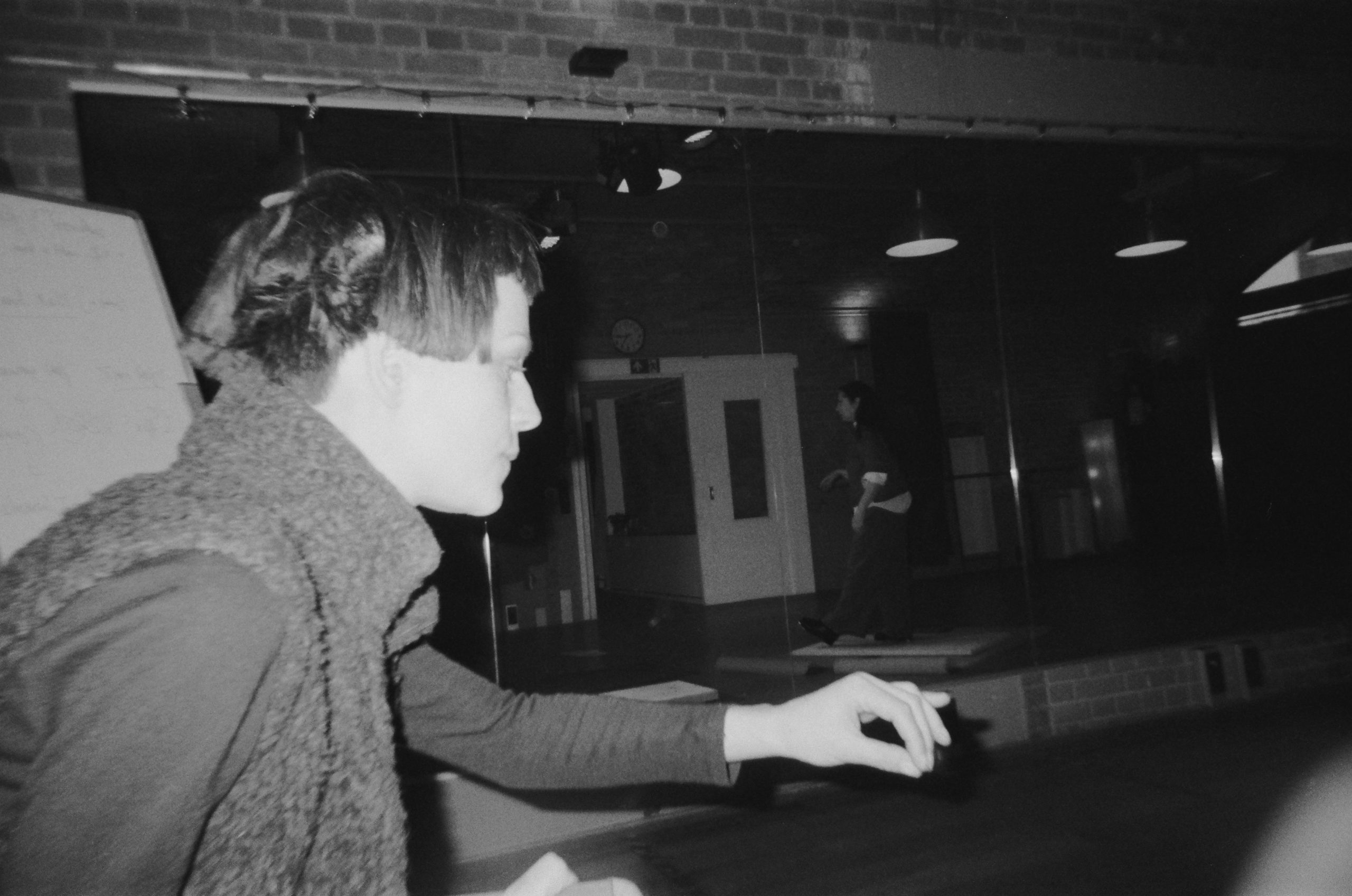
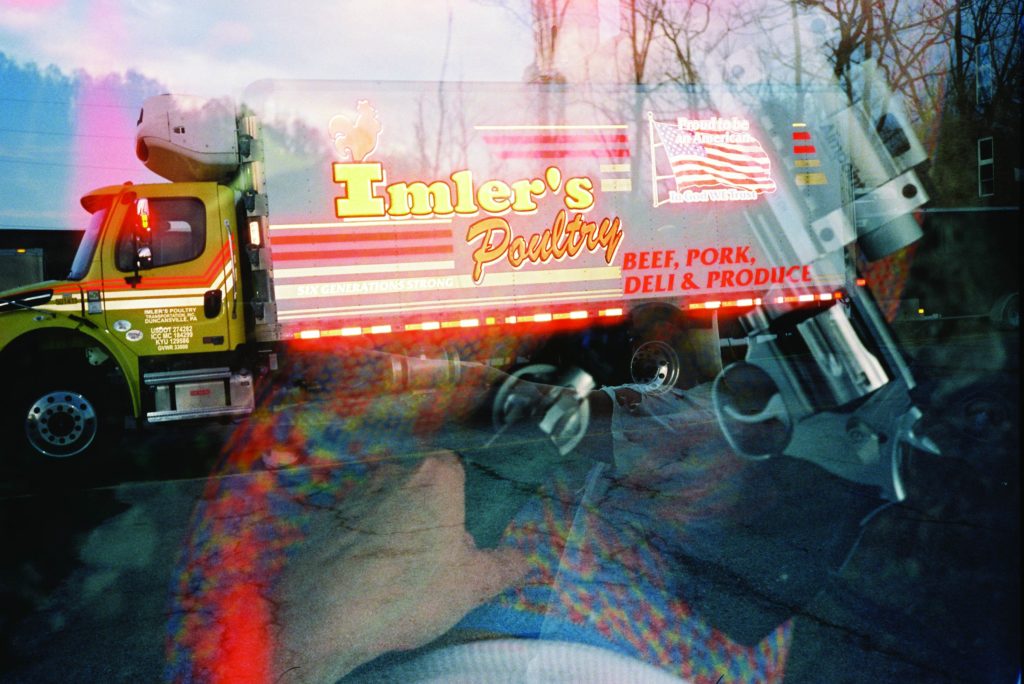
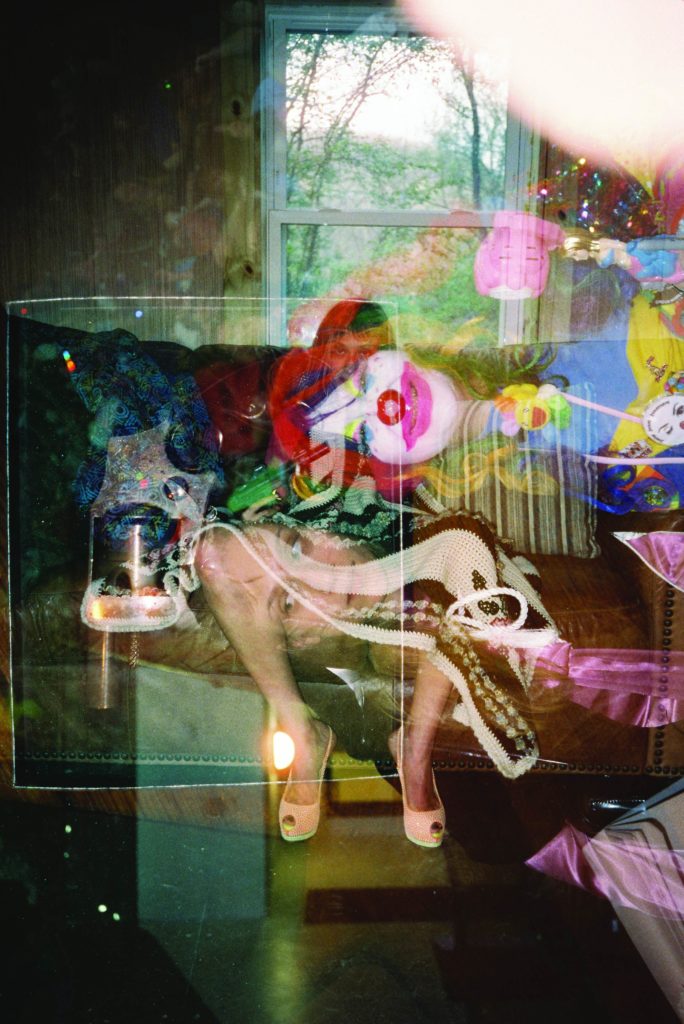
She embraces the nonlinear approach to that topic; it’s a skill that has been developed and has proven helpful to the expansion of her photography. (She told me vernacular photography, along with the more esoteric, less self-conscious beginnings of Instagram, were some of her earlier inspirations). Newman started this body of work as a re-narrativization of a place she once felt imprisoned by.
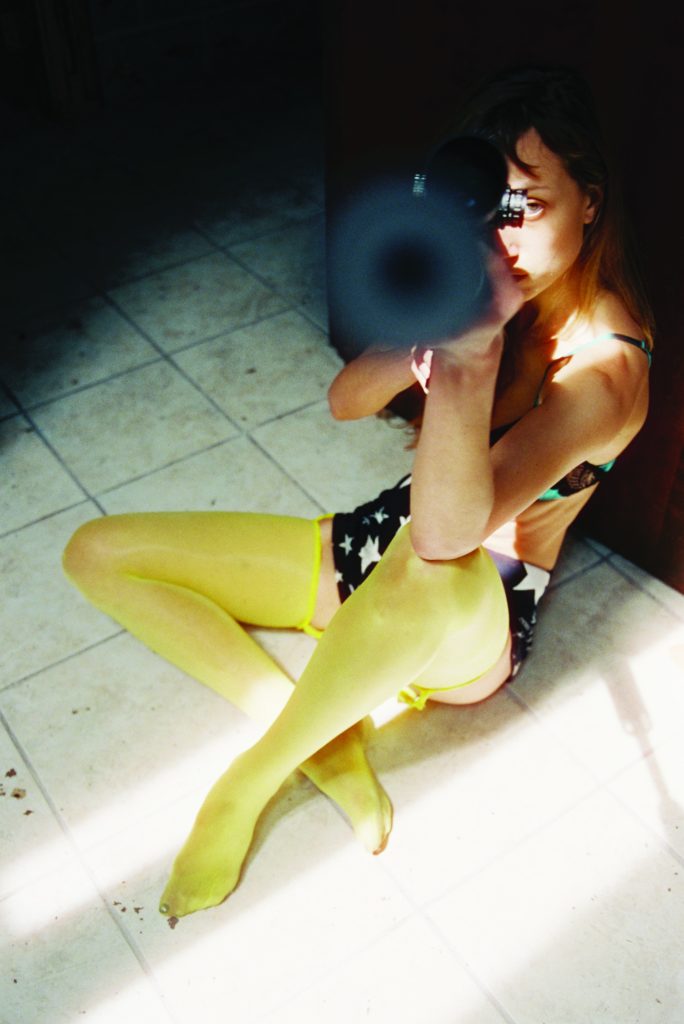
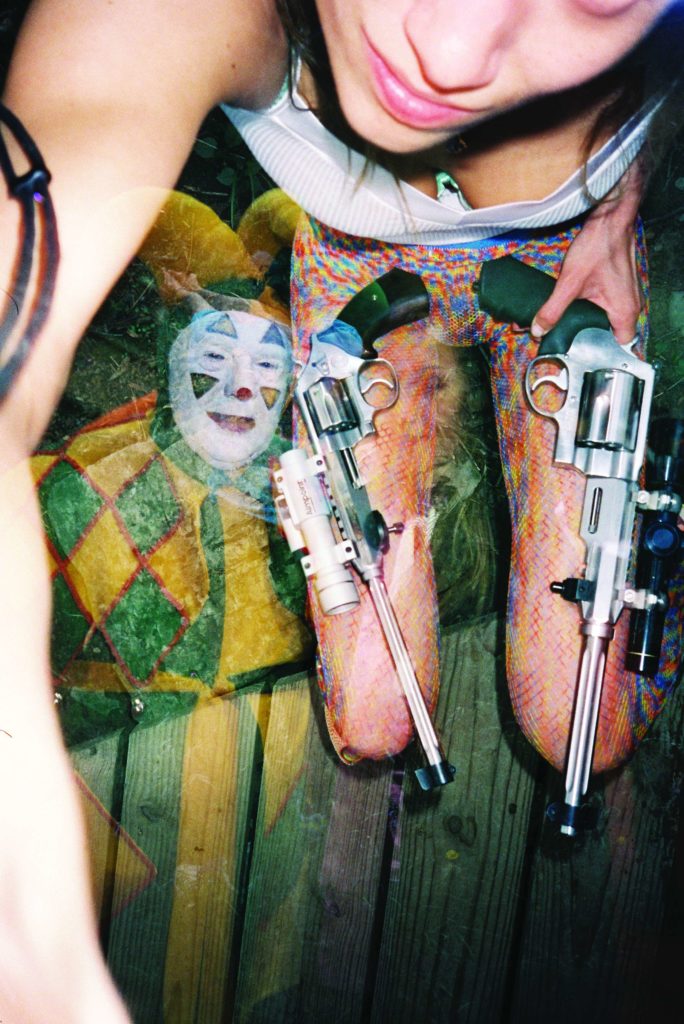
She imagined herself as an assassin in different scenarios and odd places, inspired by her experiences traveling for work assignments and shooting guns in childhood. Four rolls of film were actually one, and the images were exposed on top of each other. The multiple exposures seem to represent the subconscious and dreamlike aspects of what Newman captured.Newman notes Susan Meiselas, Boris Mikhailov, and George Shiras III as some of her favorite photographers. Meiselas’s photography opened up Newman’s ability to contextualize the passage of time in a photograph. Newman’s way of capturing realities through vulnerability and her poetic approach is inspired by Mikhailov. I’ve seen Shiras’s influence in Newman’s nighttime flash photography.
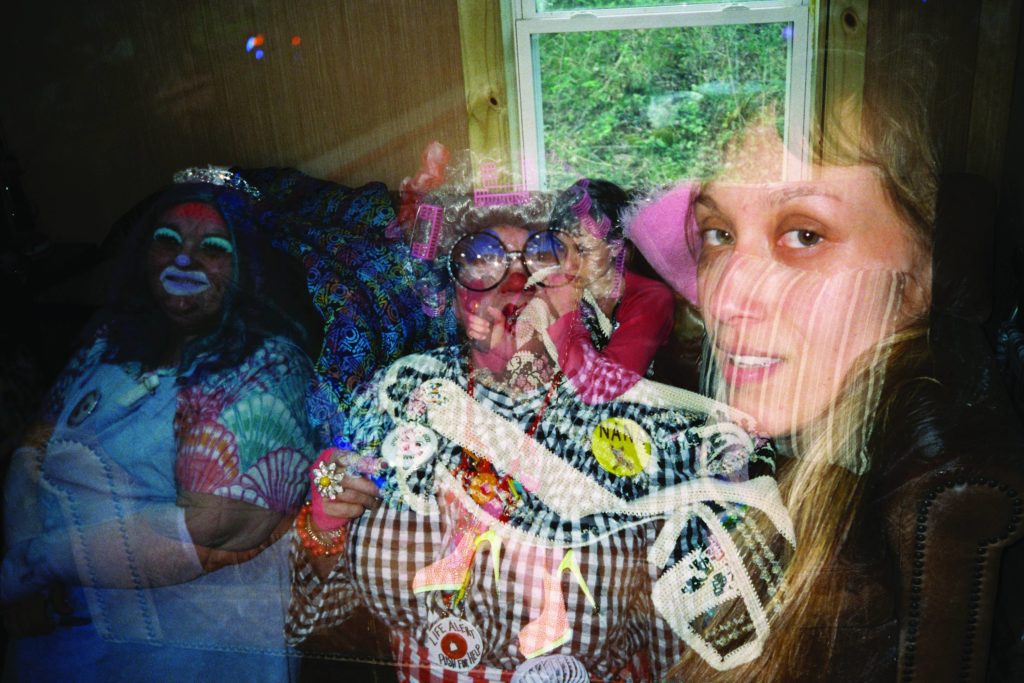
I ask Newman if she is familiar with Richard Billingham’s book Ray’s a Laugh (1996), and the surreal and non-modern photography of Francesca Woodman. I think both of them make the viewer ask these questions: Are they provocative as artists or are they provocative as people? Does it matter? Before I could ask Bella those questions she texted back, “there is no one like her [Woodman].” Which somehow whirlwinded into the topic of being evil. I asked Newman what her definition of an evil woman was. She said, “Like being evil the way Eartha Kitt sings. It is more about acting in a way that entertains herself. She’s like cartoonishly wreaking havoc and mischief. It feels attuned to making a self-portrait.”
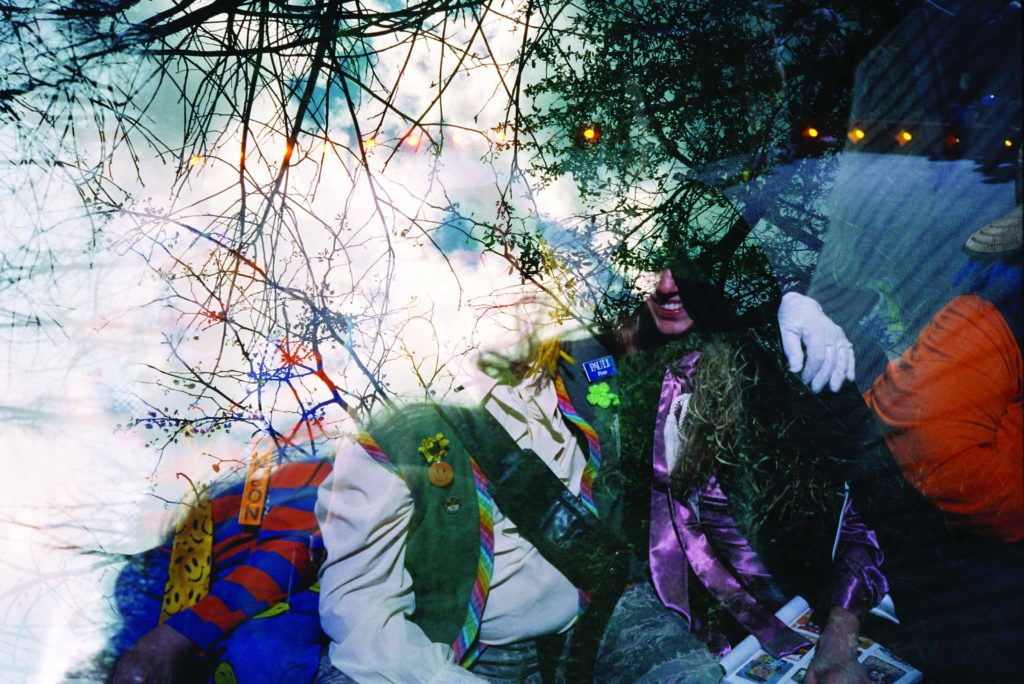
In I Want to Be Evil (1953), Kitt sings about a young woman who wants to break away from a good reputation and society’s high expectations of women. Newman’s self-portraits seem to be a rebellion to the dominant male gaze, photographing herself in her own world in meticulously composed scenarios and mnemonic images.