To Cairo Dipika, Jessica Canje and Isha Dipika Walia, photography is both a site of joyful, unadulterated experimentation and a means of reclamation. Canje and Dipika Walia share, first and foremost, common roots. Both come from backgrounds in art direction (in fashion and music, respectively) and are familiar with an often more rigid commercial process that moves from brief to deck to set to image. The duo are also North American women of the South Asian diaspora, with a sense that what exists between them runs deeper than the six years they have known each other as friends. To be behind the lens together feels like a newfound freedom.
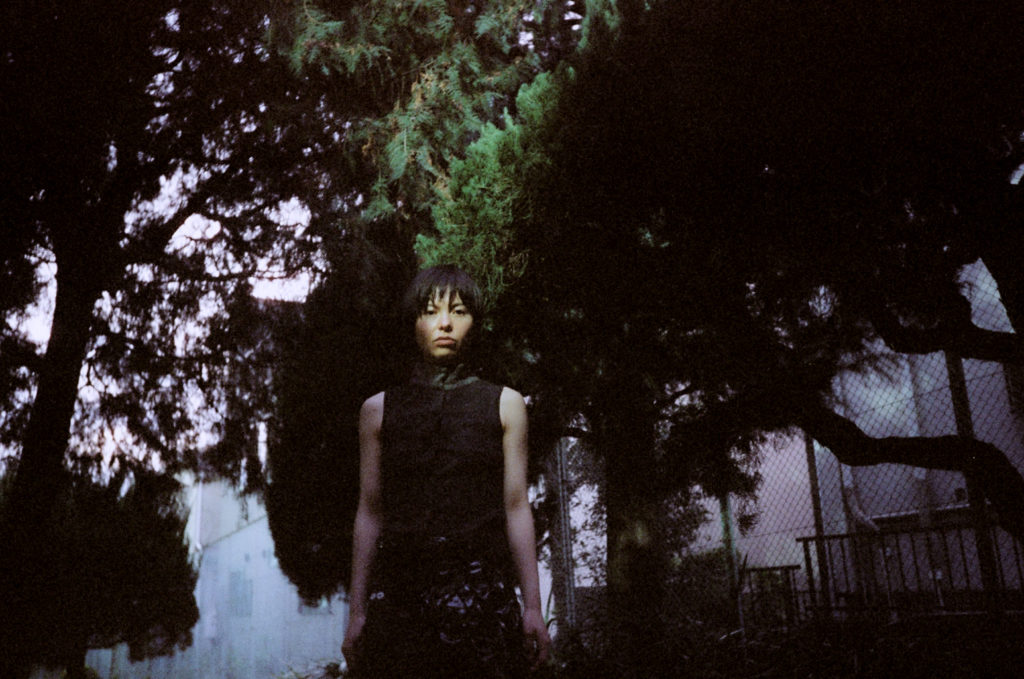
They began their collaboration in 2023, and are particularly interested in exploring their heritage and the mysticism that is embedded in their respective cultures — Canje’s rooted in Sri Lanka and Dipika Walia’s in India. As Ariella Aïsha Azoulay suggests, in its earliest form, the camera lens acted as a visual and technological method by which European man divided up the world: to rationalize and categorize what was unfamiliar, and to claim it as his own.[1] Cairo Dipika’s work subverts that lens, approaching the photograph as a collective project — not only between the two artists who constitute Cairo Dipika, but inclusive of all those who collaborate in the making of an image.
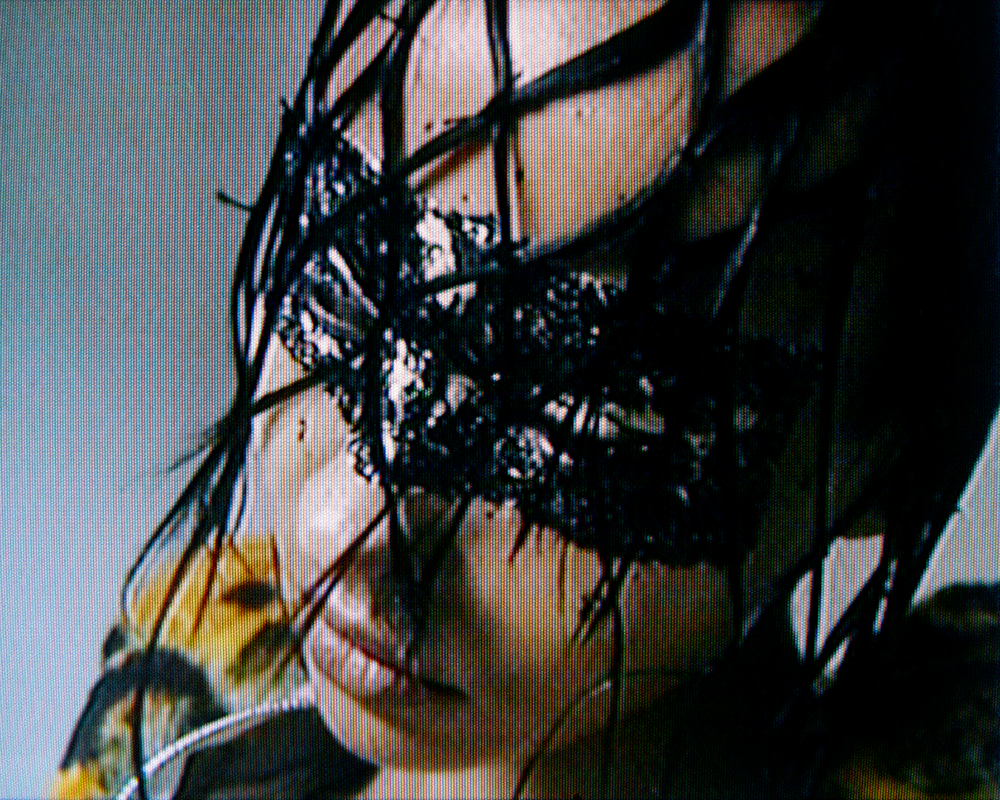
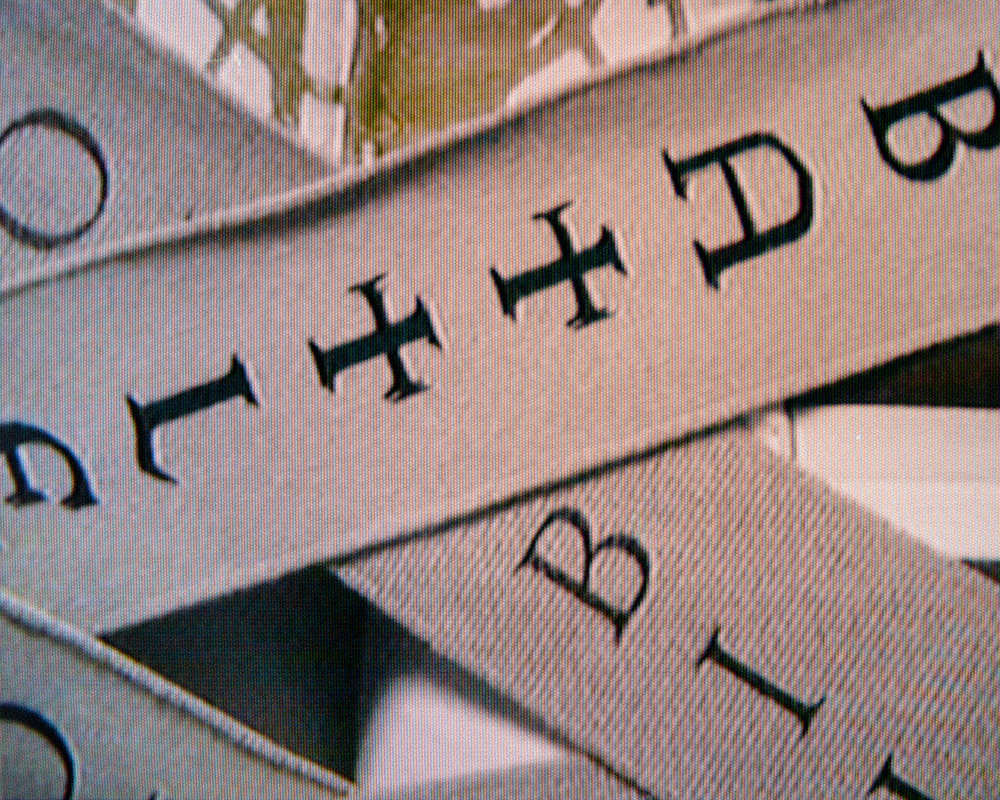
This subversion of the photographic gaze has been taken up by Black and brown photographers since the earliest days of the medium.[2] What sets Cairo Dipika apart, however, is their emphasis on image-building rather than “capturing,” resulting in a visual output that is not the product of a singular artist or identifiable hand. This is literal: Canje and Dipika Walia often swap roles so fluidly that they can’t remember whose finger pressed the shutter. A Cairo Dipika image is therefore not a single perspective but many, rejecting any monolithic photographic “style.”
A grainy bust, its spattered chest glowing as the model’s profile descends into shadow, appears as a still pulled from digital video; the refracted surface of a gilded Buddhist statue is rendered as pure abstraction, closer to affect than image; a cityscape captured in Bangkok reveals its location only through a thin strip of background, its architecture cut off to privilege a tangle of wire and sandbags. What is present in their work often resists the traditional formalism of image-making. With an expressed intention to bring the cinematic into their practice, the duo aim to grasp that which is not always visible to the eye — a moment between thoughts or actions, rendered still.
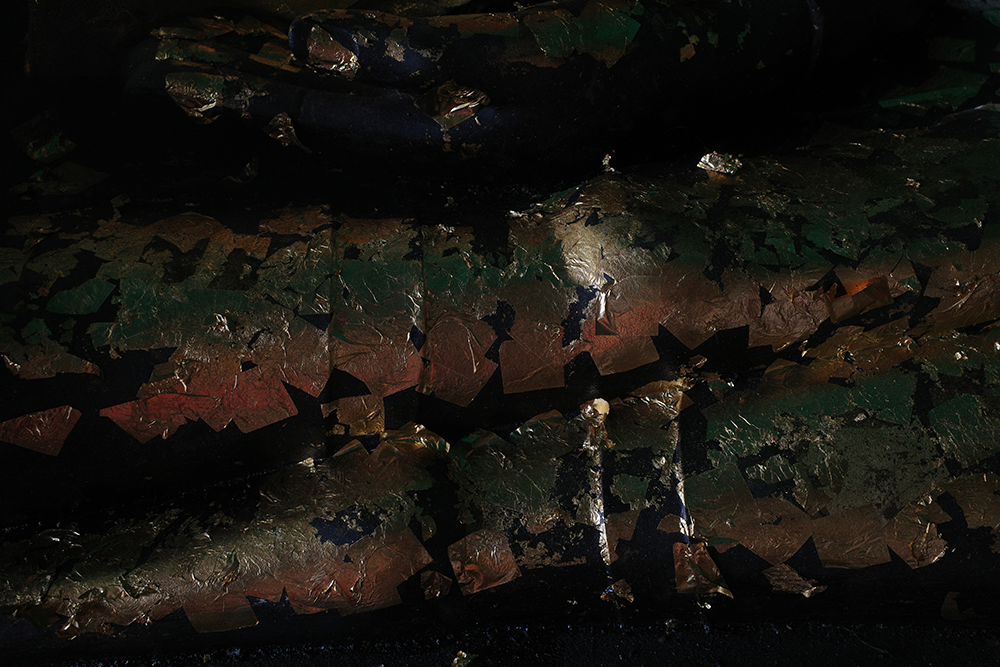
There appear to be no limits to Cairo Dipika’s ecstatic approach to the medium. Elements traditionally used by photographers to mark authorship are dissolved; lighting, quality, and method are all up for grabs. When they describe capturing images they use words like “alchemy” and “summoning” — terms that stand in for magic and suggest that the practice exceeds what is visible. In their work, Cairo Dipika implores us to look beyond icons or representation, to interrogate the margins — indeed, to “listen” to an image. This technique, as Tina Campt argues, can reveal “diasporic refusal, fugitivity, and futurity.”[3] It is here that the register of their collective practice begins to emerge, as their authorless shutter expands into the peripheral.
[1] Ariella Aïsha Azoulay, Potential History: Unlearning Imperialism (Verso, 2019), 17
[2] Black abolitionist photographers such as Glenalvin Goodridge (1829–1867) and James Presley Ball (1825–1904) were some of the earliest photographic artists to reclaim their own image. In a South Asian context, Homai Vyarawalla (1913–2012) took up a camera in the 1930s and documented India’s first few decades of independence from British rule. The work of Sheba Chhachhi (b. 1958), influenced early in her career by the poetry of women ascetics of ancient India, uses photography to document women — their lives, their struggles, and their most intimate moments. Nasreen Mohamedi’s (1937–1990) work, which drew upon European modernism, Sufism, Islamic art, and Zen Buddhism, might act as an anchor for Cairo Dipika’s burgeoning oeuvre.
[3] Tina M. Campt, Listening to Images (Duke University Press, 2017), 24.