Mai-Thu Perret Nasher Sculpture Center / Dallas
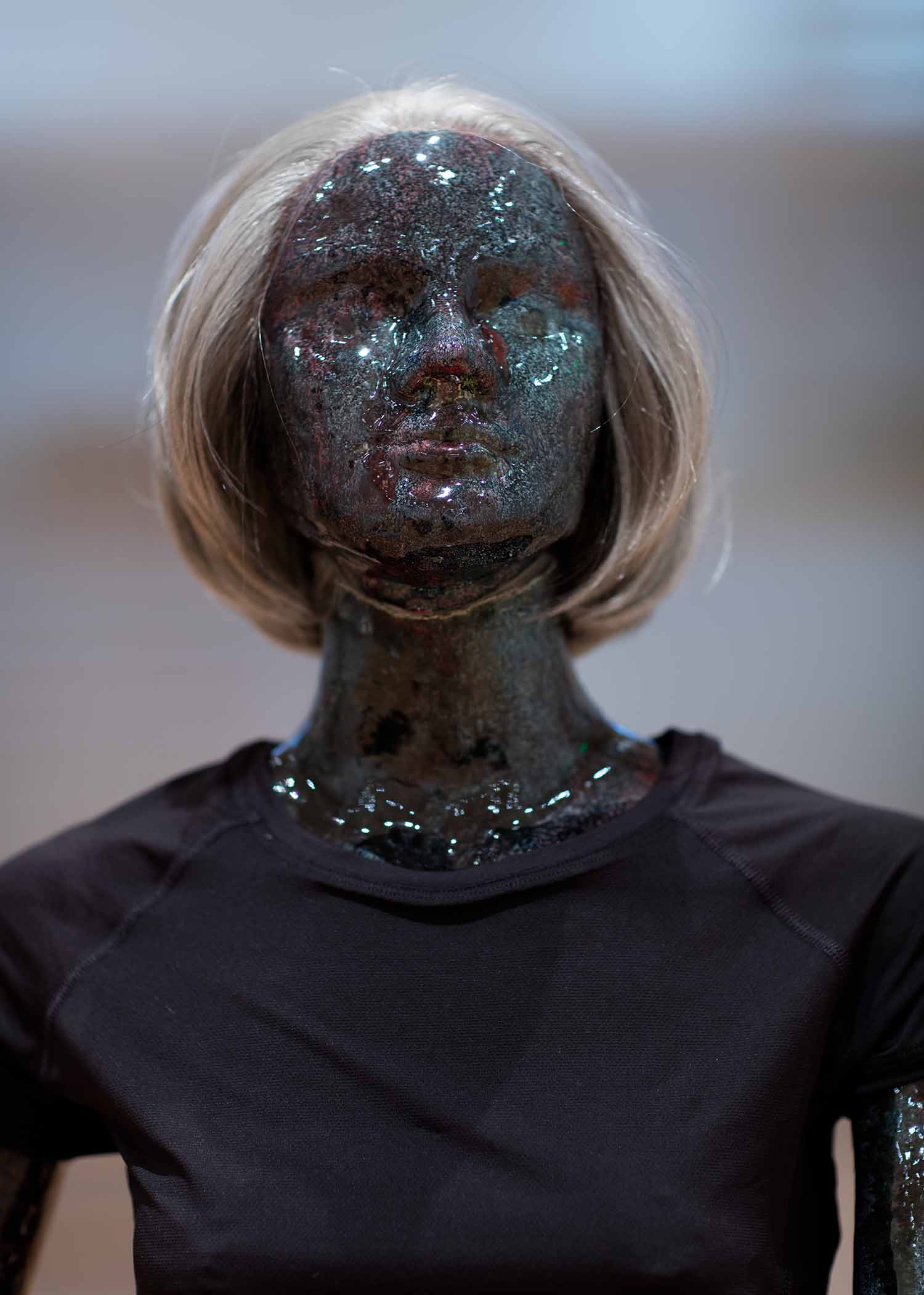
Mai-Thu Perret’s interest in combining utopian and political questions with sculptural and painterly practice remains at the center of her…

Mai-Thu Perret’s interest in combining utopian and political questions with sculptural and painterly practice remains at the center of her…
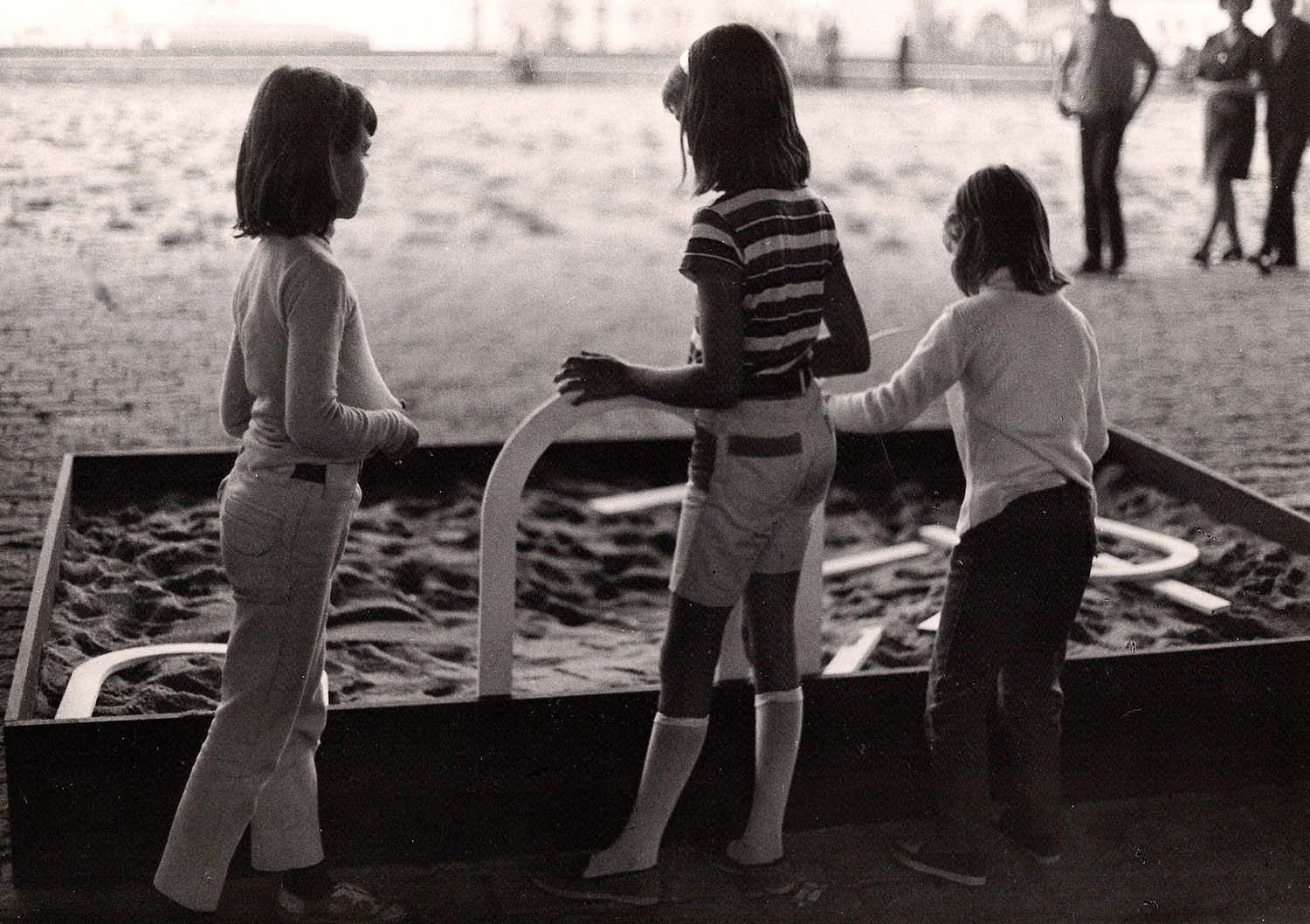
Following recent restructuring efforts at the museum, new artistic director Adriano Pedrosa is imprinting his own vision on MASP while…
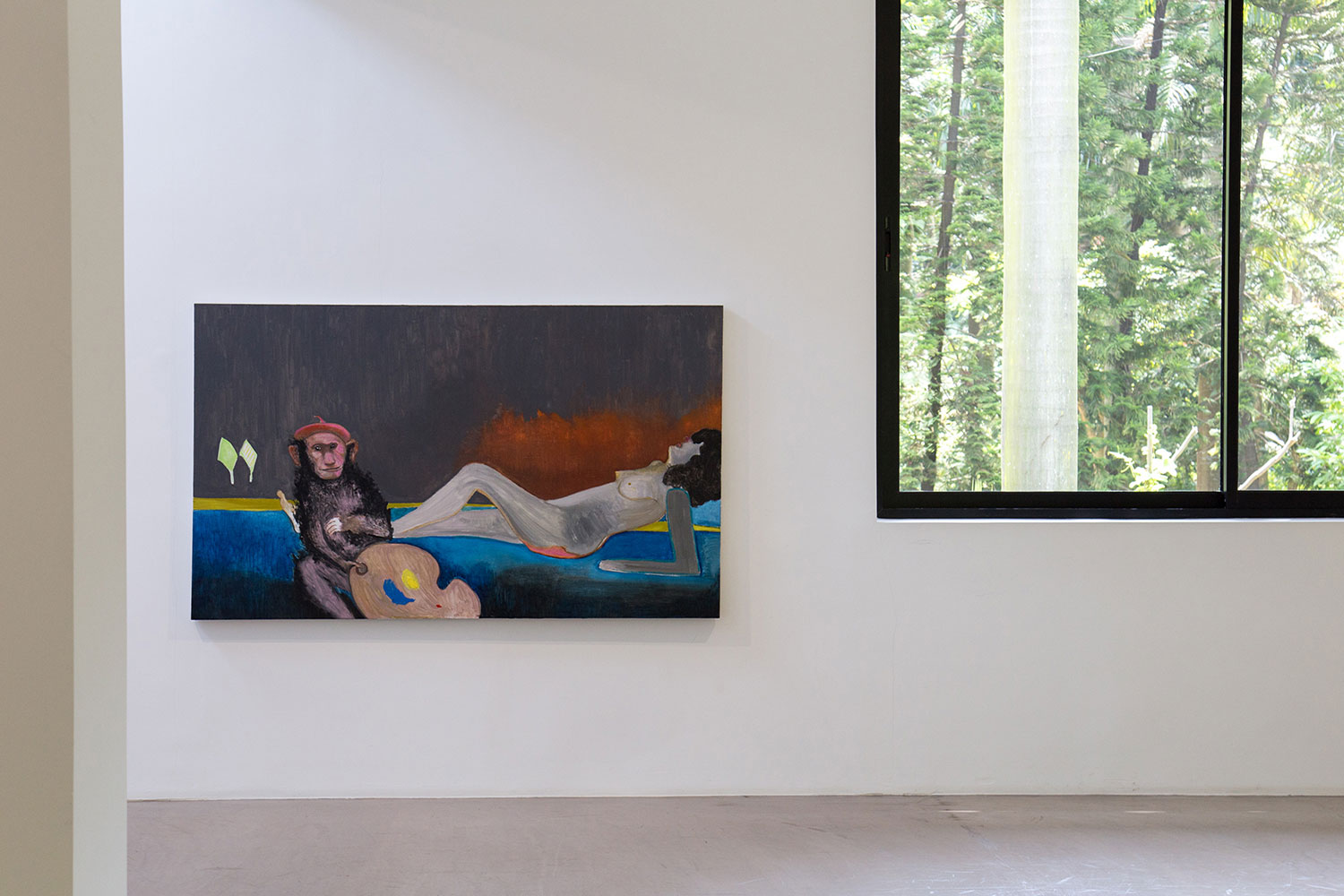
“Shamate” (Sharp, Sharp, Smart), the subcultural movement that has been disseminated, popularized and consumed in China via the Internet, does…
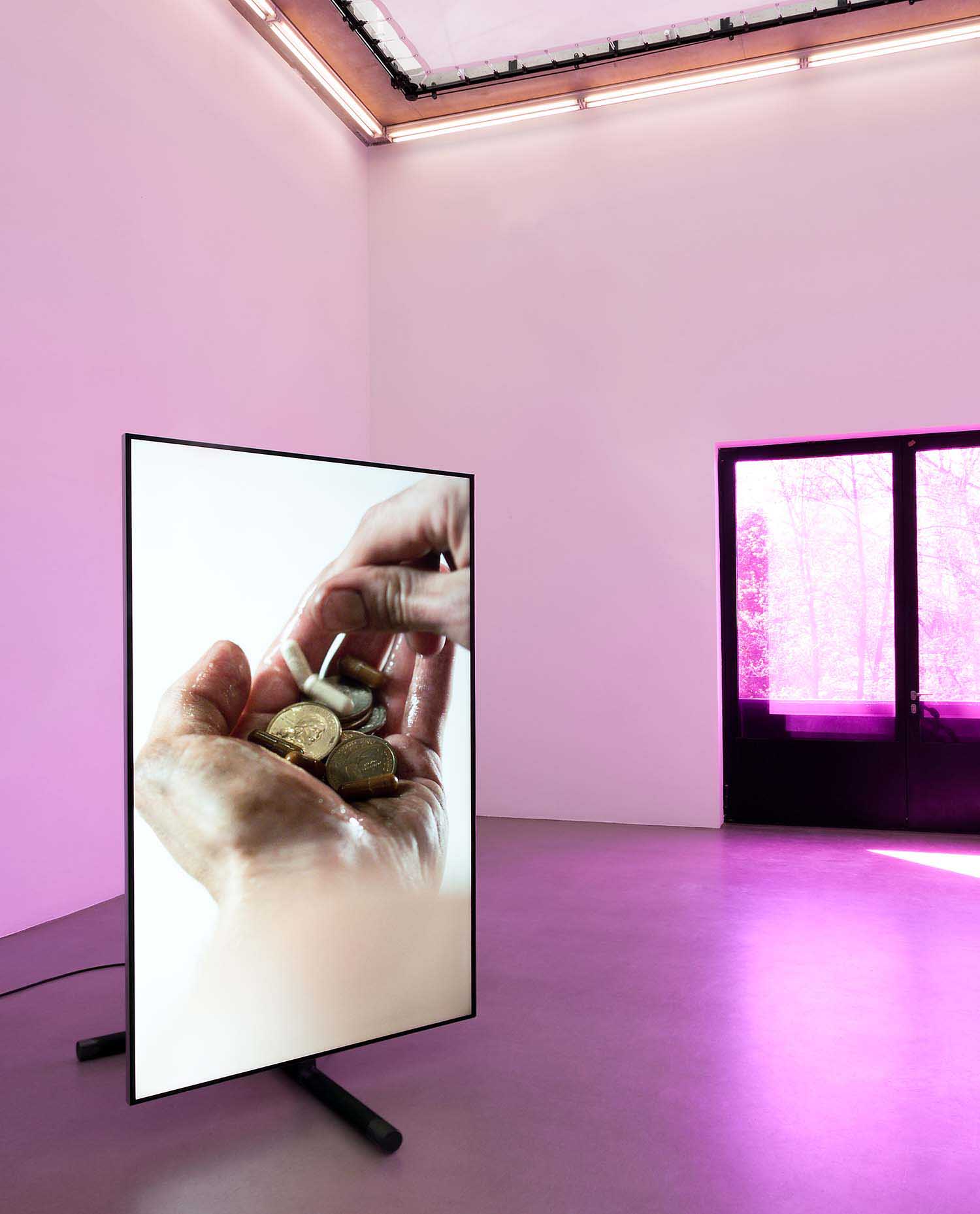
The exhibition “Model Malady” explores contemporary bodily states of fetishization, subversion and ridicule while using video and sculpture as means…
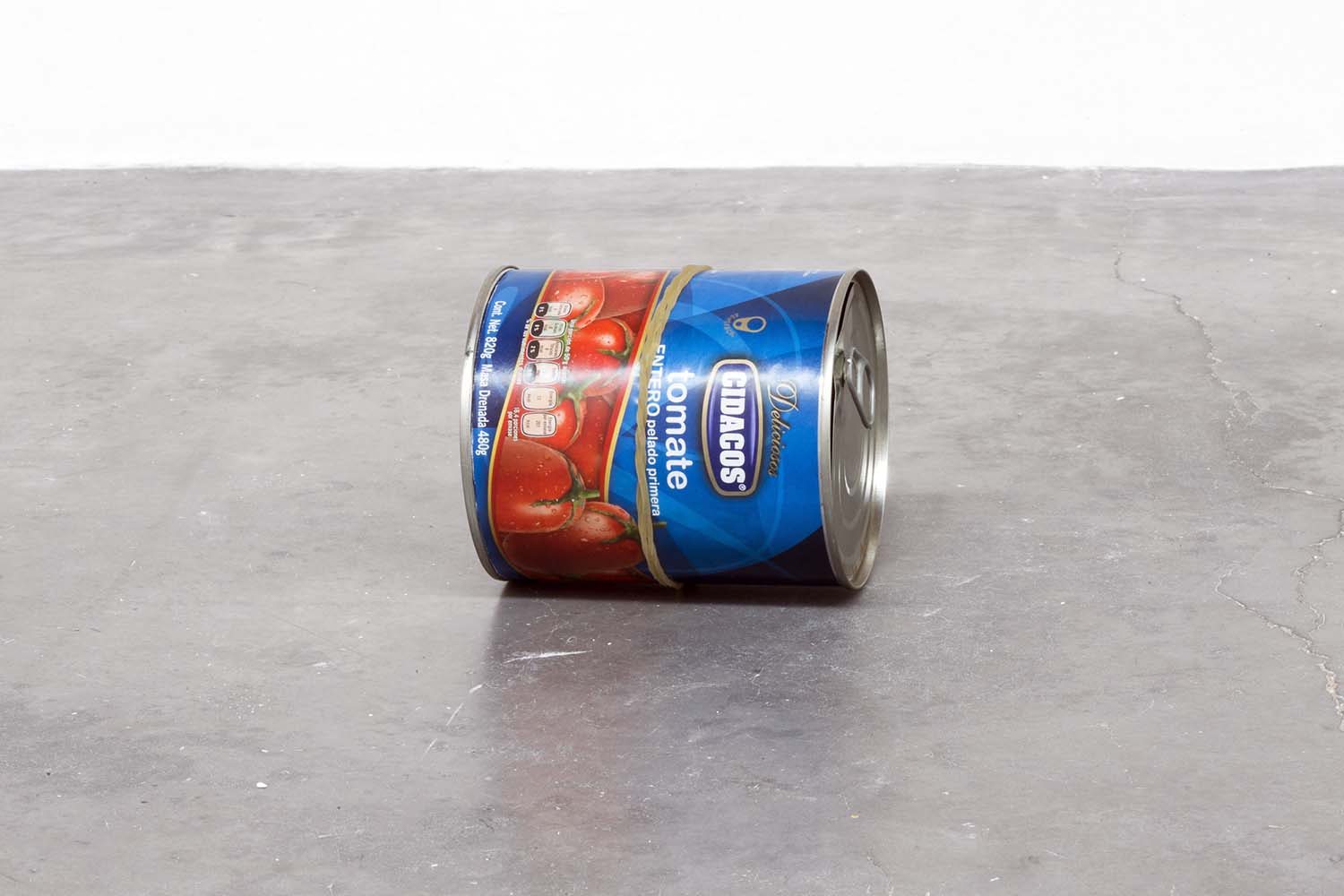
Wilfredo Prieto’s work is usually read as following in the footsteps of American and European Minimalist art of the 1960s…
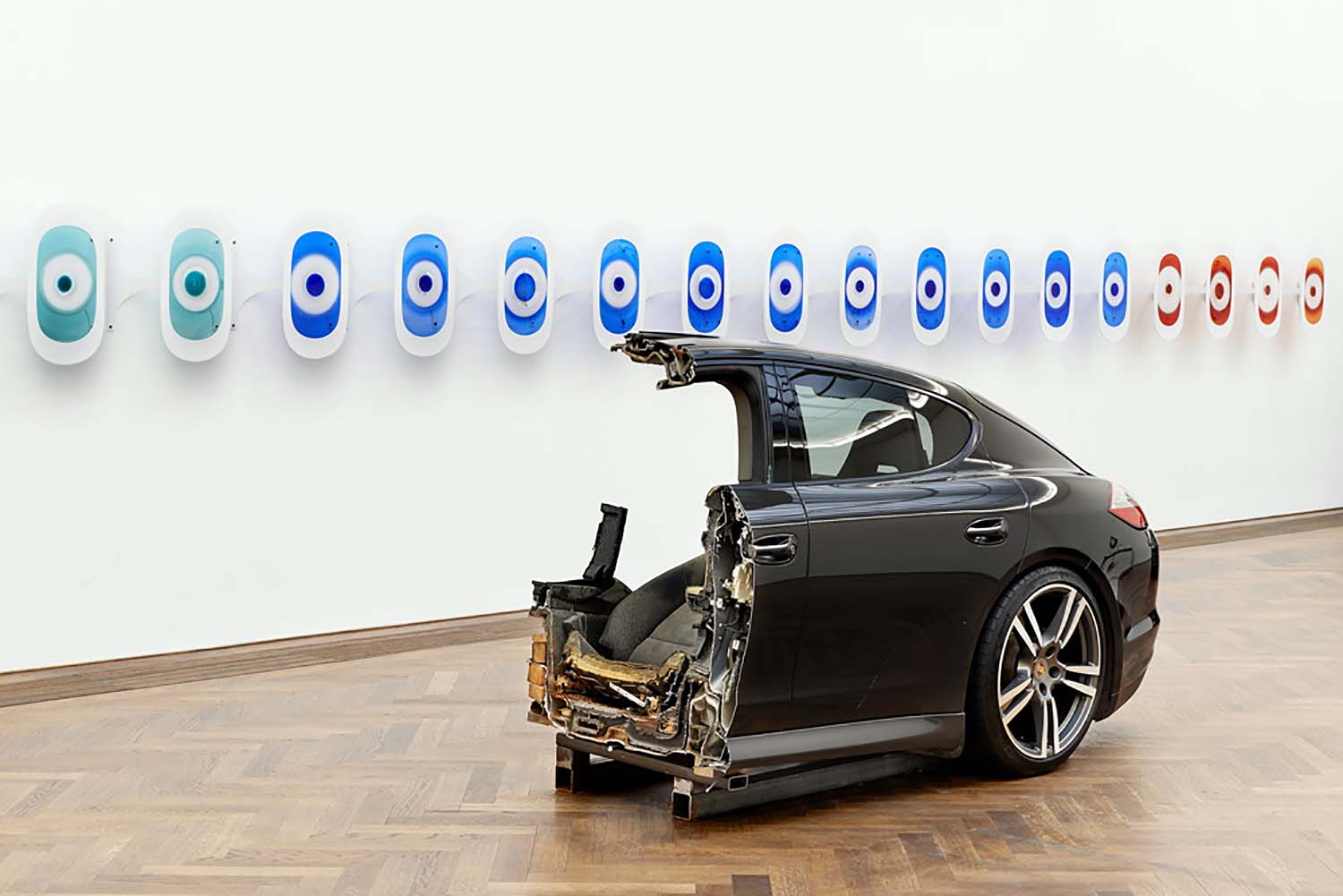
The security lines at American airports this summer are expected to last hours, oil prices are down, ticket prices are…
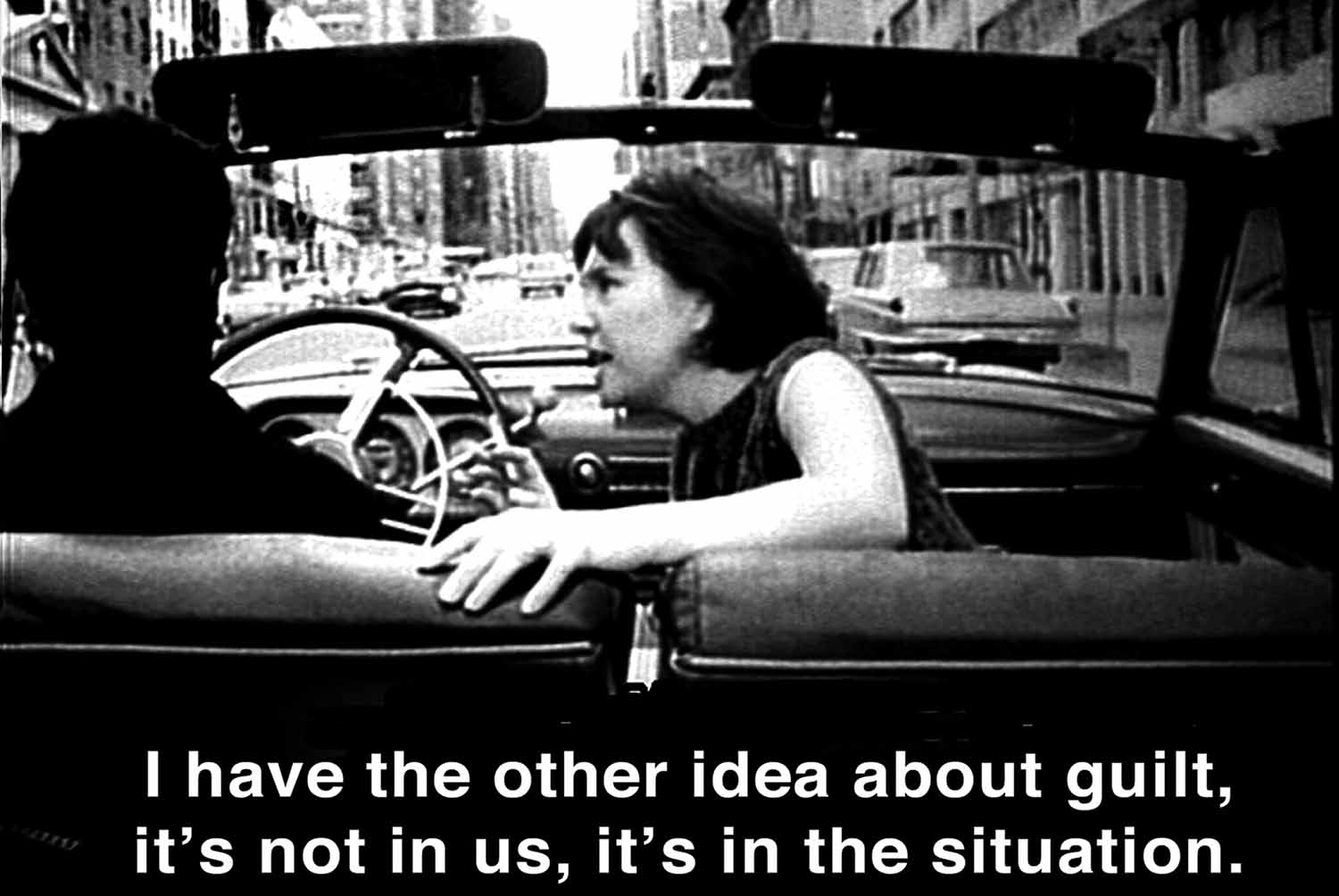
“The Poet and the Critic, and the missing,” curated by Public Fiction, forms a running commentary on MOCA’s permanent collection…
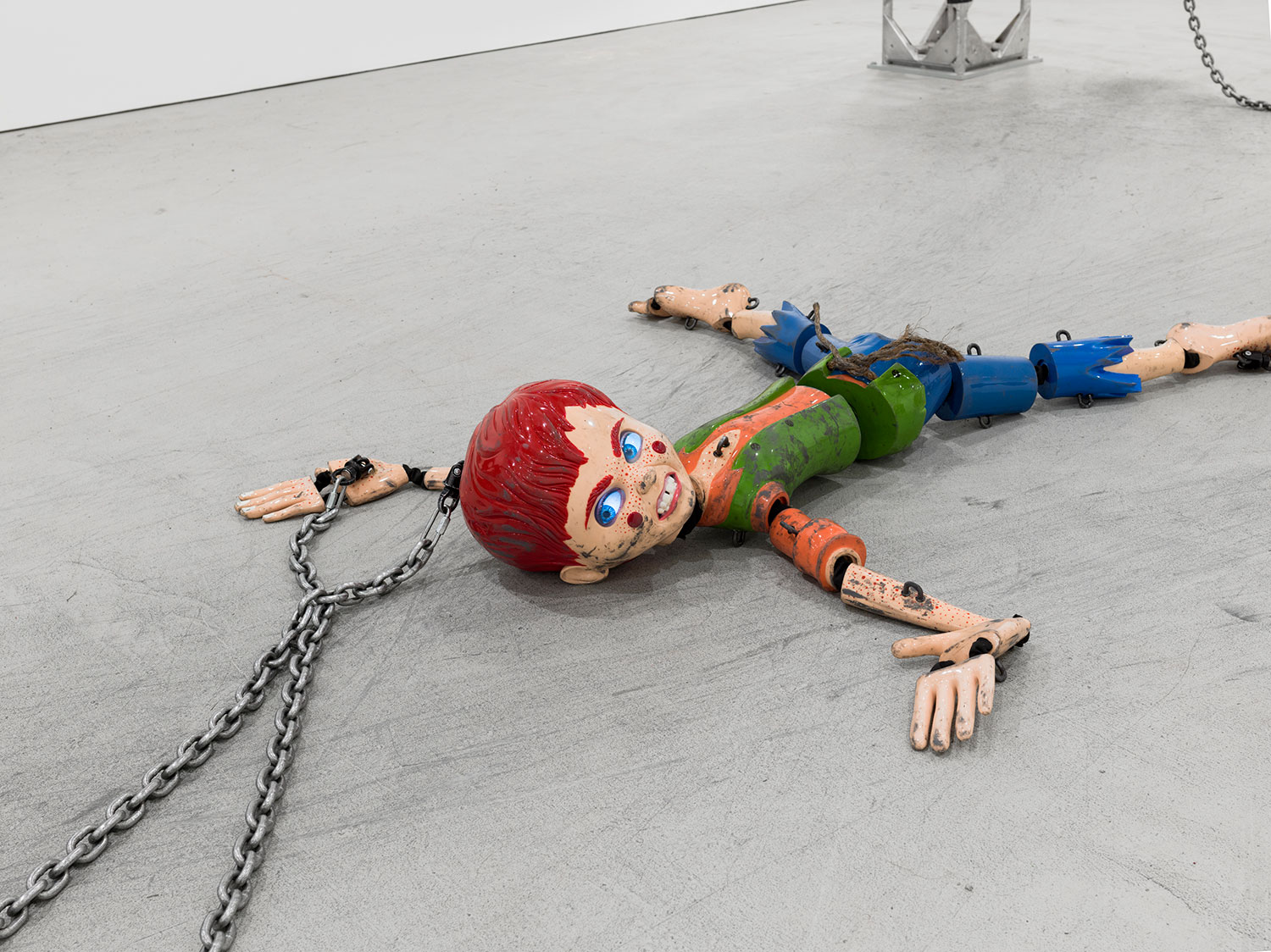
Nightmares are just as distressing for their familiarity as they are for feeding obscure terrors. More common in children than…
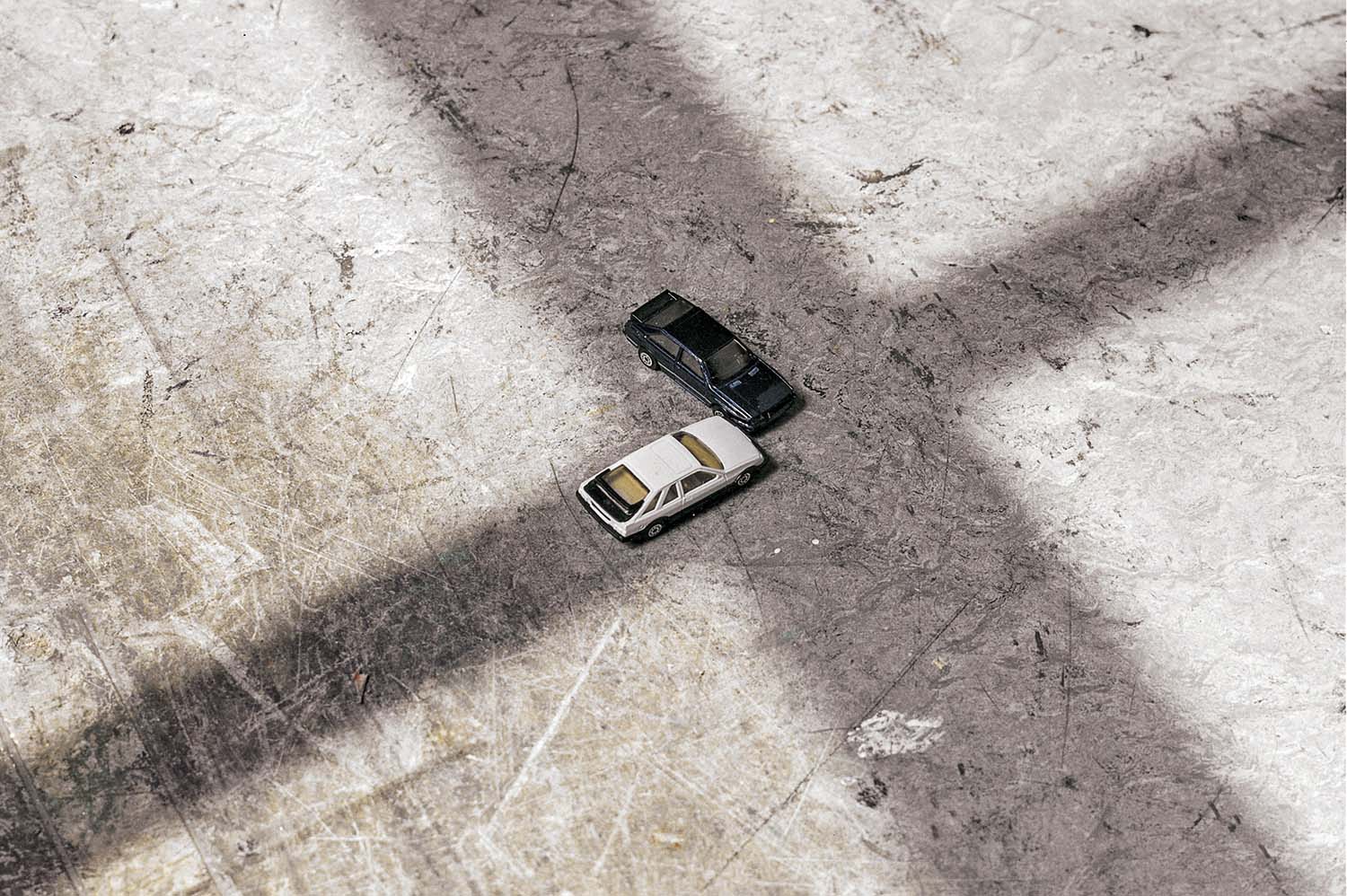
Jorge Macchi’s fortuitous encounters are well known: two toy cars intersect in the cross-like shadow of a window; more cars…

In Samara Golden’s “A Trap in Soft Division,” her largest exhibition to date, the cyclical confinement of the present moment…
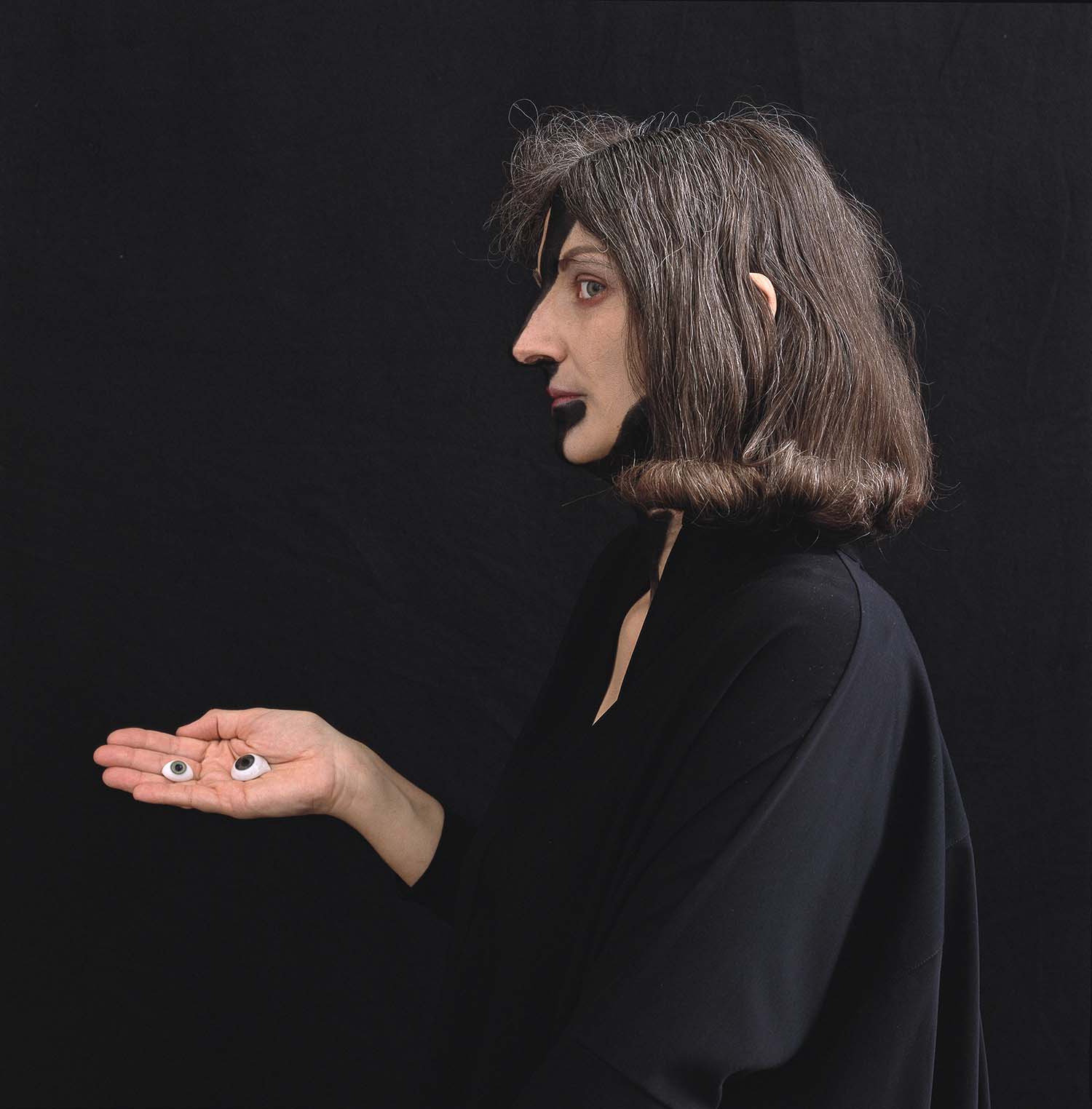
Throughout DAS INSTITUT’s latest self-titled show, currently at the Serpentine Sackler Gallery, the body is suggested, performed, dissected and expanded…
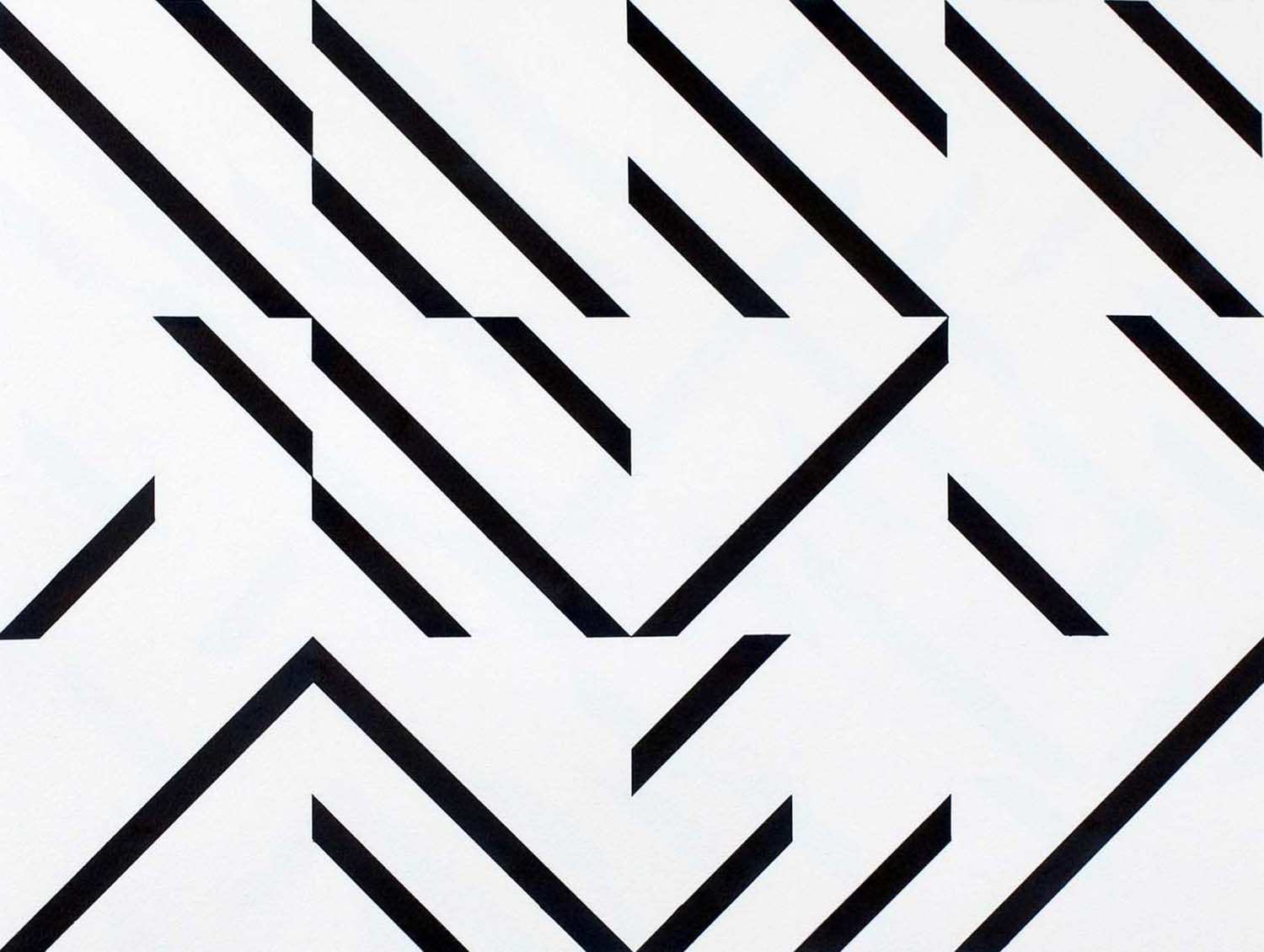
When Paul Valéry viewed Stéphane Mallarmé’s poem “Un coup de dés jamais n’abolira le hasard” for the first time, he…
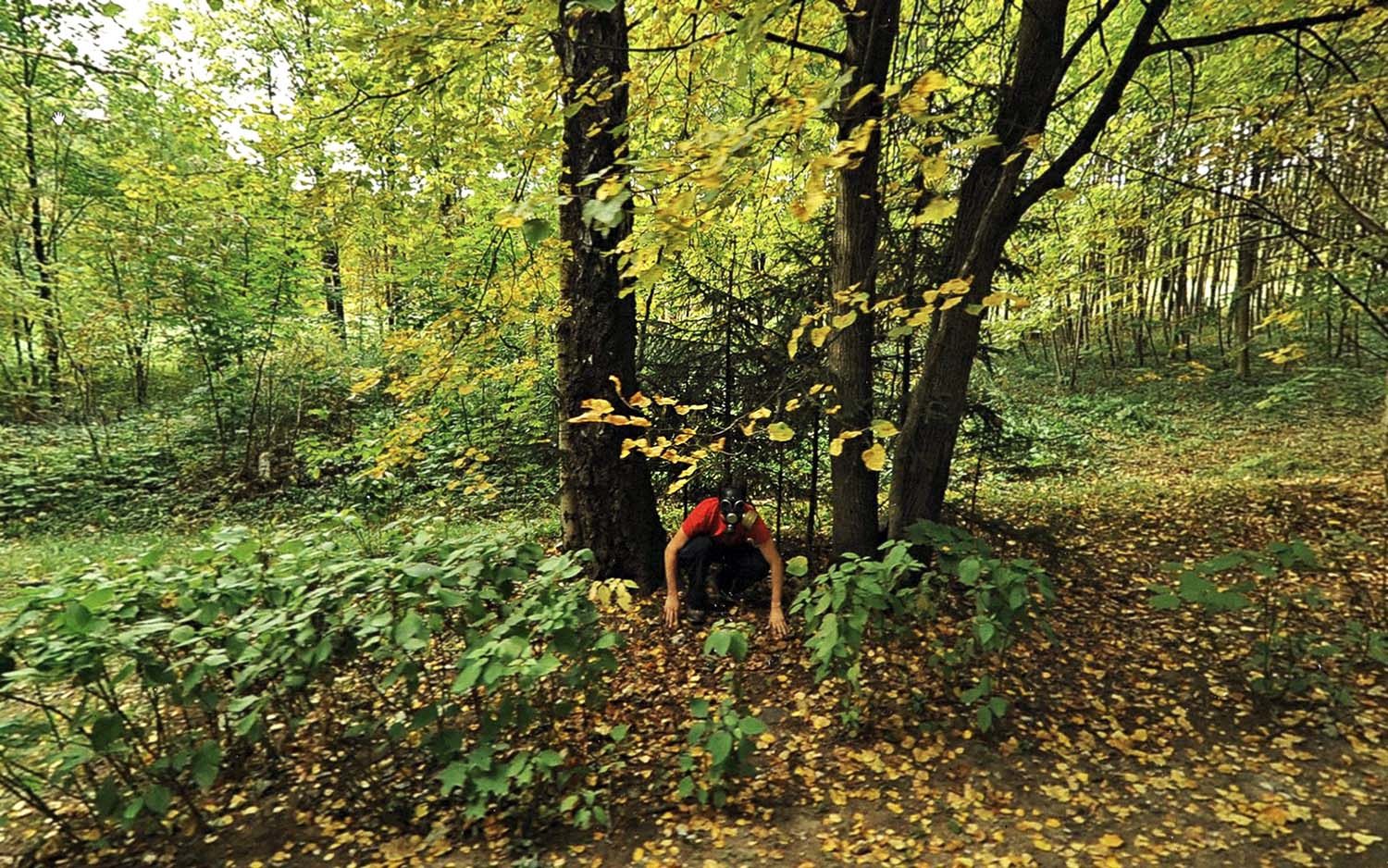
“Nervous Systems: Quantified Life and the Social Question” is about the manifold nature of human activity, specifically in terms of…
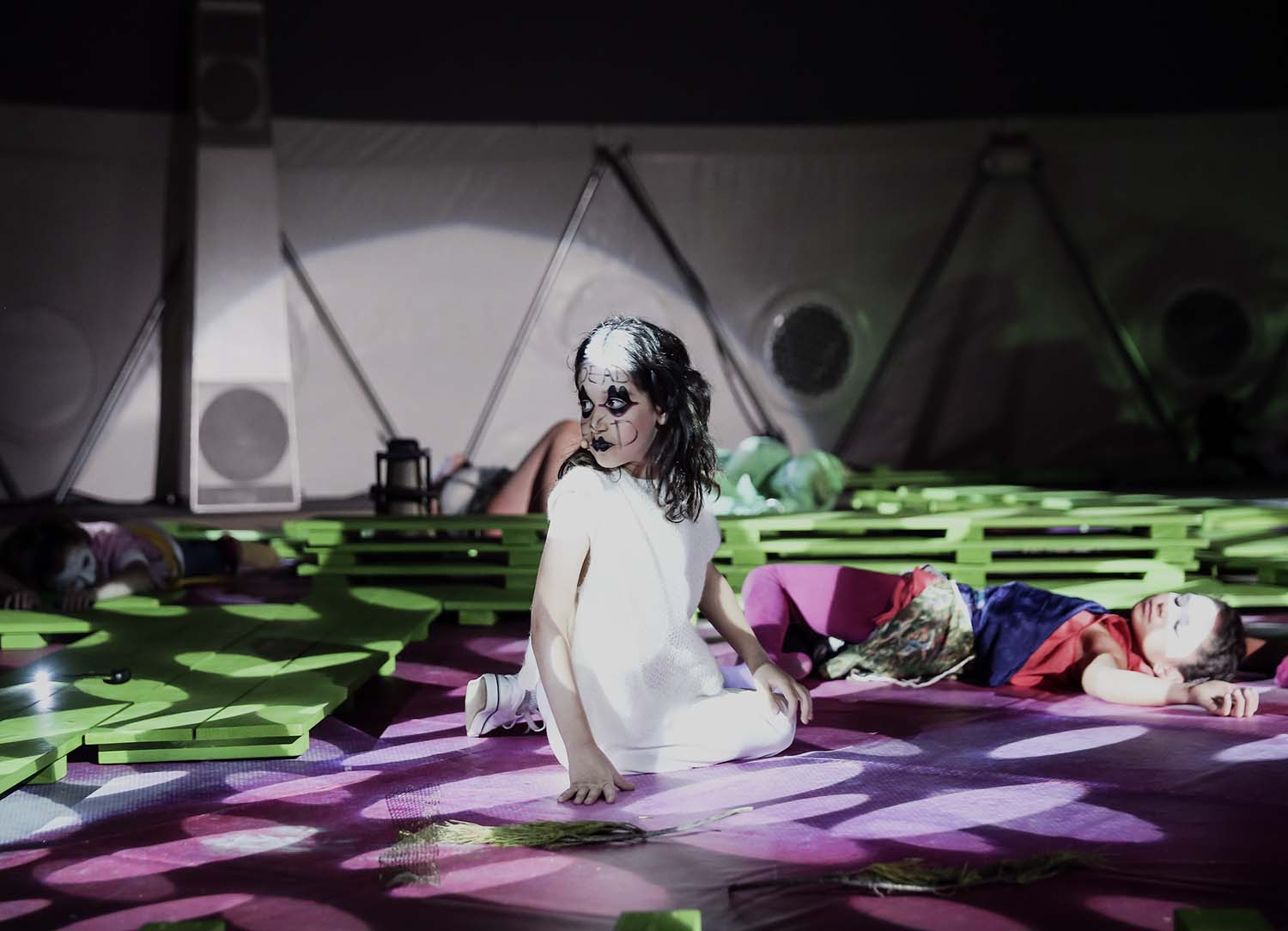
The flap of a butterfly’s wing in one location — or so the theory goes — may bring about a…
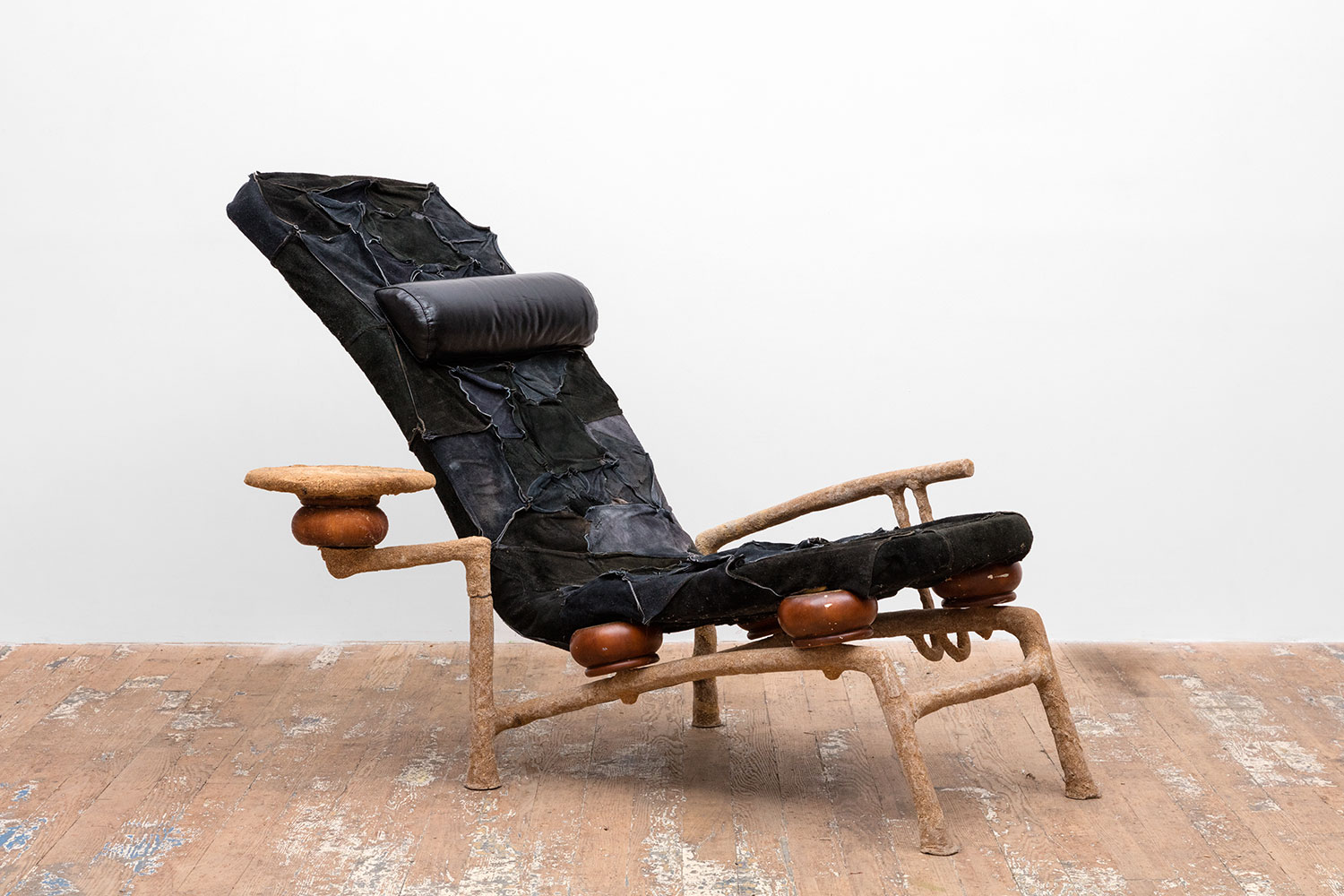
Anyone Knows How It Happened (Headboard for One) (2016), is the most formally straightforward work in Jessi Reaves’s solo exhibition…
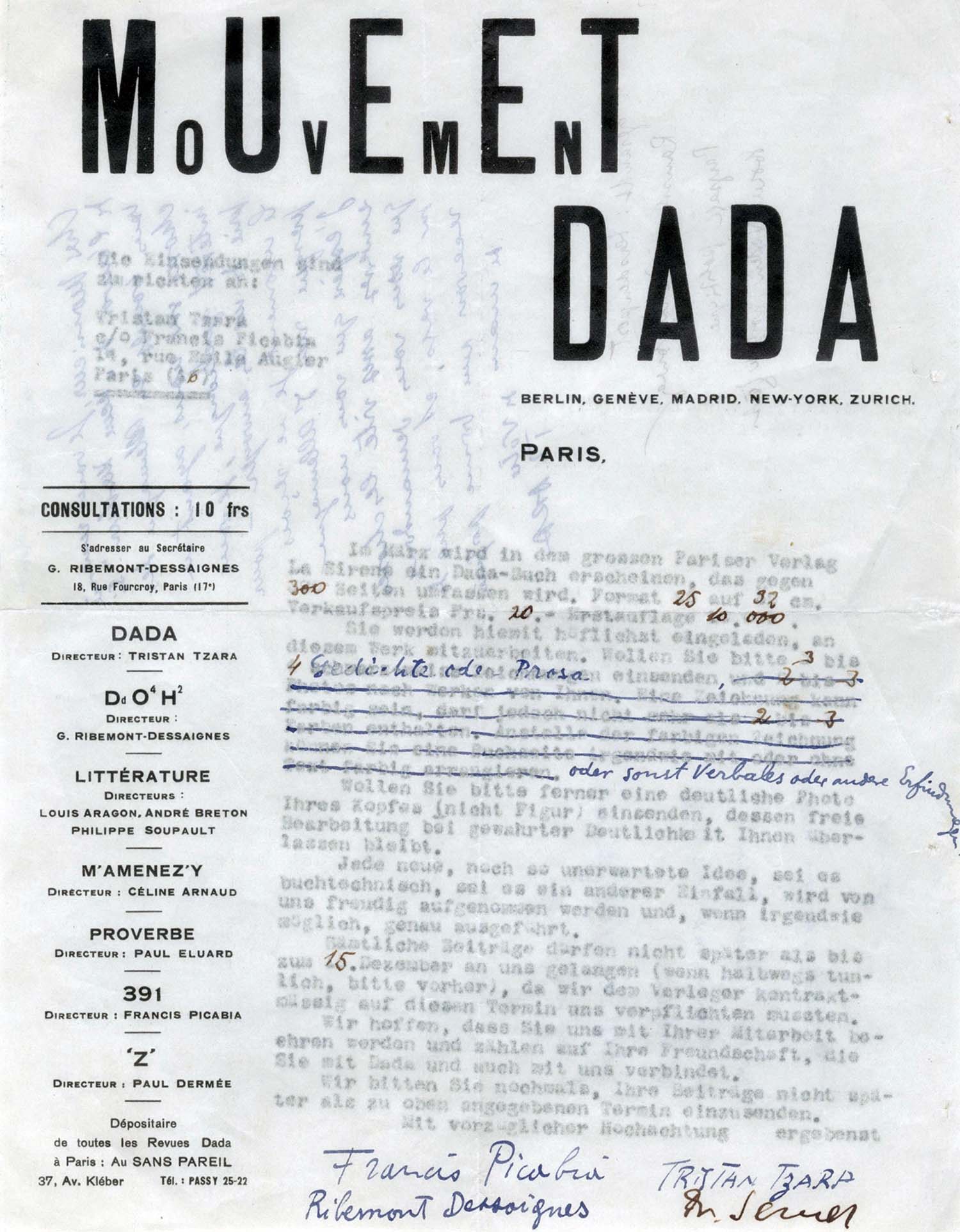
Cutting across national borders erected in the aftermath of World War I, Tristan Tzara’s publication Dadaglobe was to be the…