In Order to Join CSMVS and Goethe-Institute / Mumbai
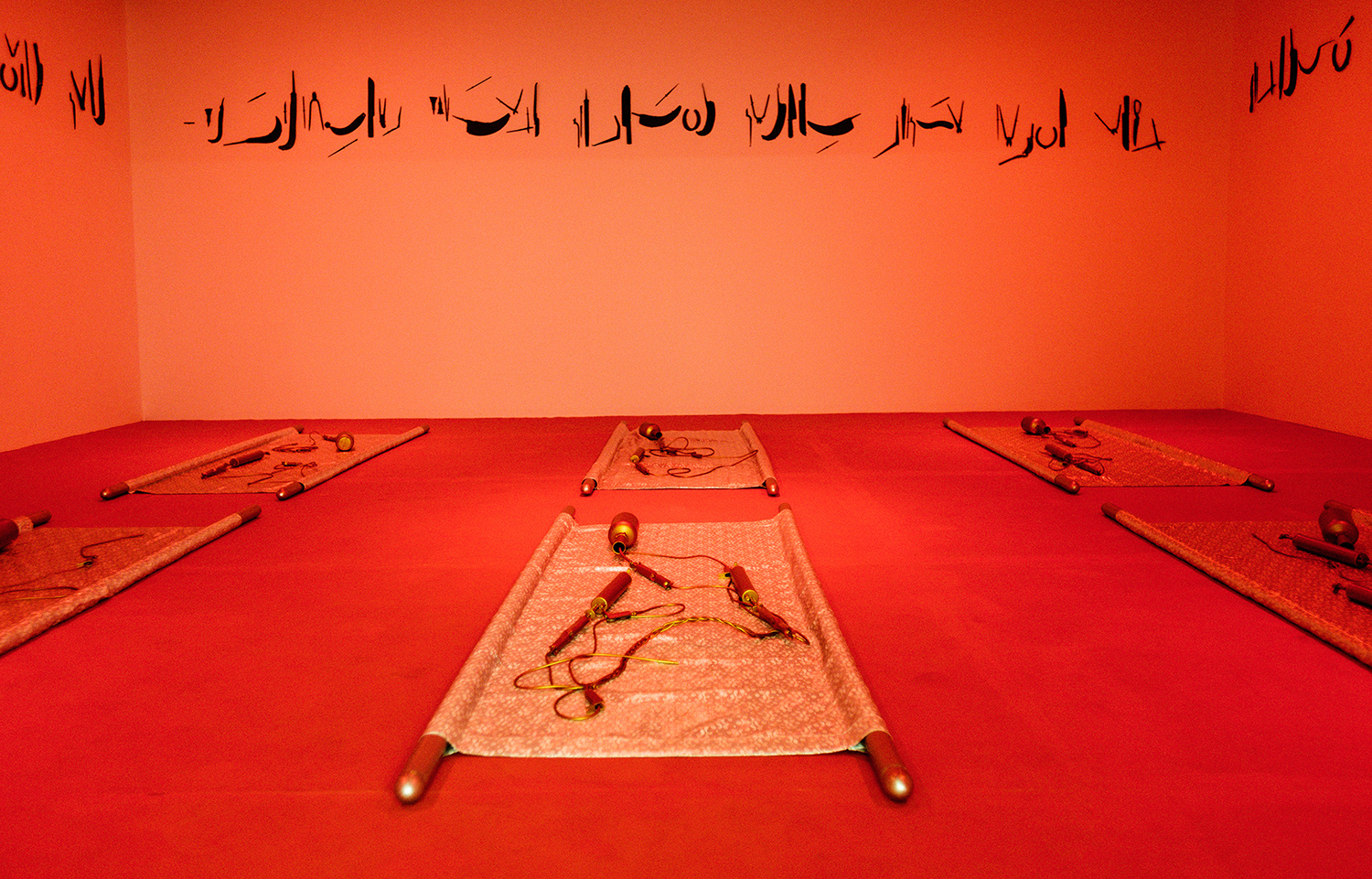
“In Order to Join,” curated by Swapna Tamhane and Susanne Titz, borrows its title from Rummana Hussain’s exhibition held at…

“In Order to Join,” curated by Swapna Tamhane and Susanne Titz, borrows its title from Rummana Hussain’s exhibition held at…
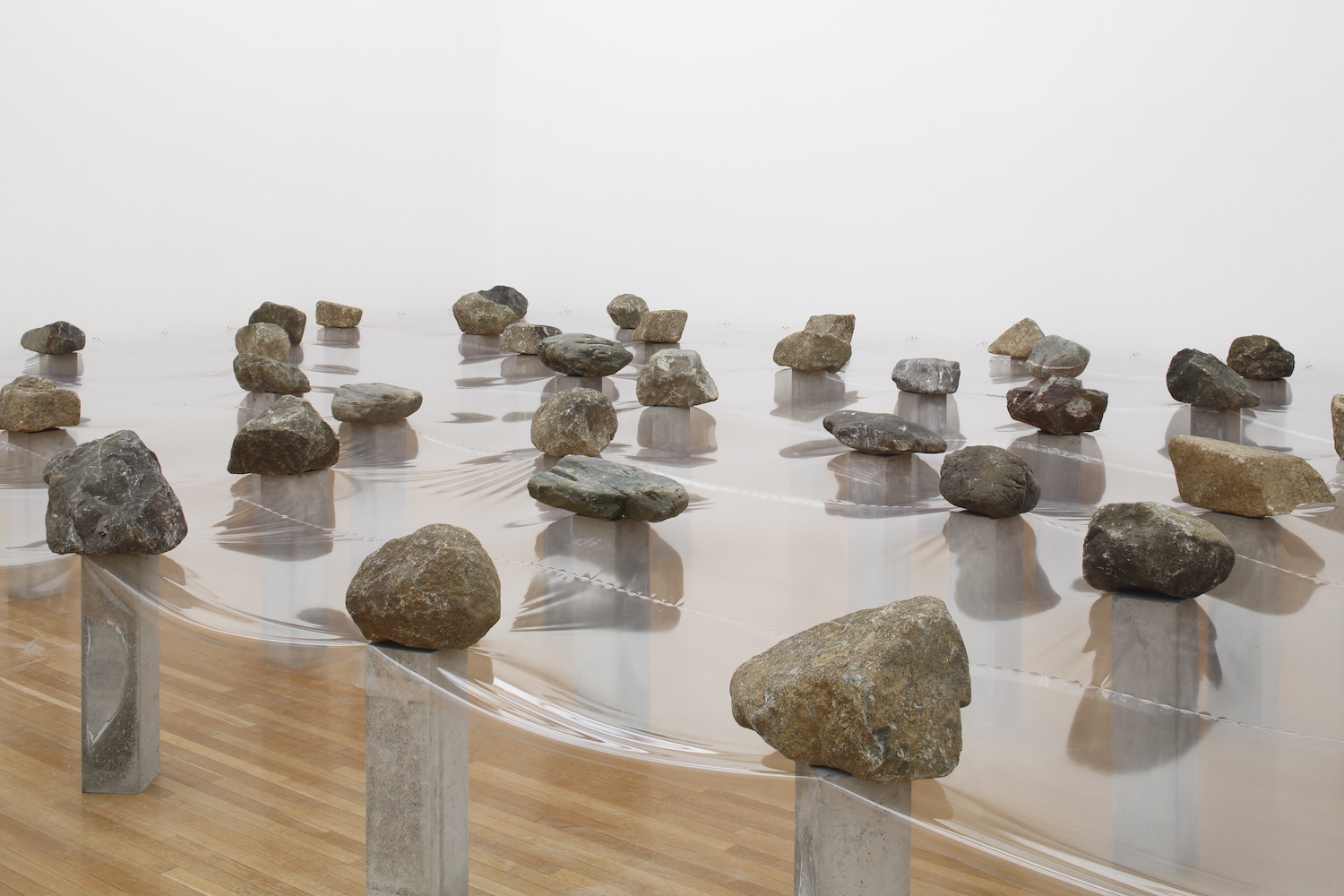
Suppose the art of the Gutai group corresponded to Informel or Abstract Expressionism; works by the Mono-ha school of artists…
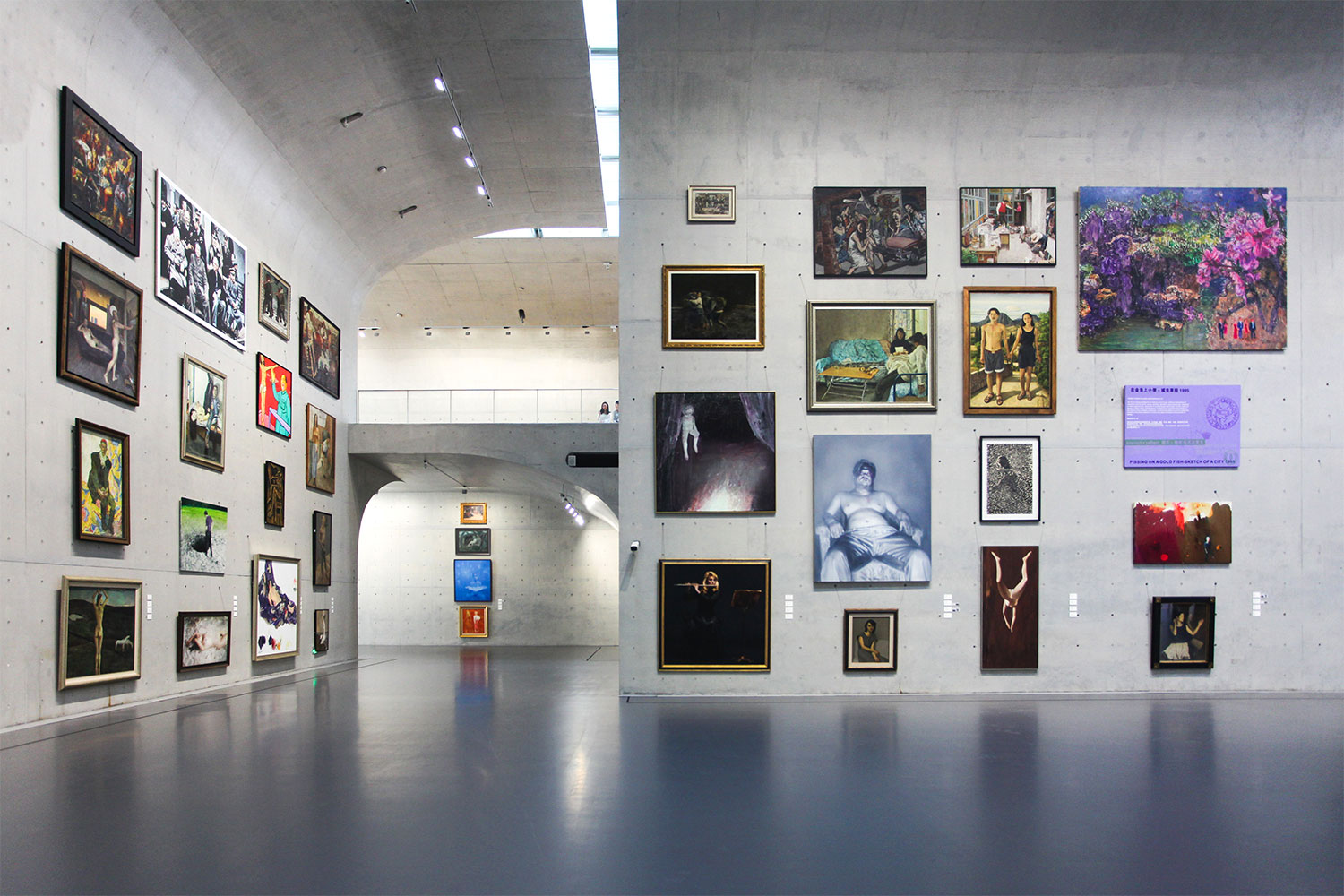
Situated in the West Bund industrial precinct along the banks of the Huangpu River is the second branch of the…
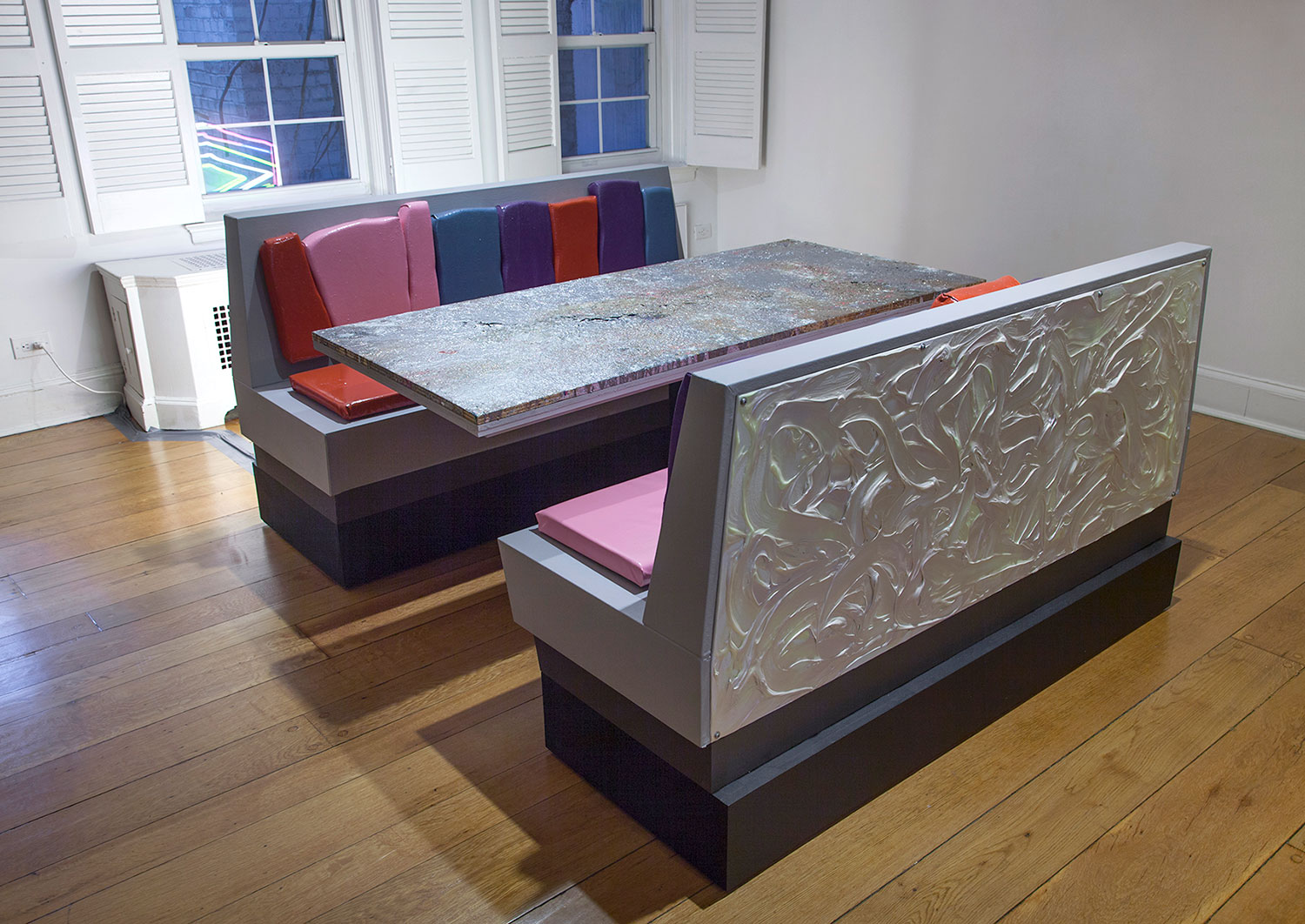
The “Rascal House” show is the outcome of a mindblowing experience that happened during the artist’s childhood. It wasn’t a…
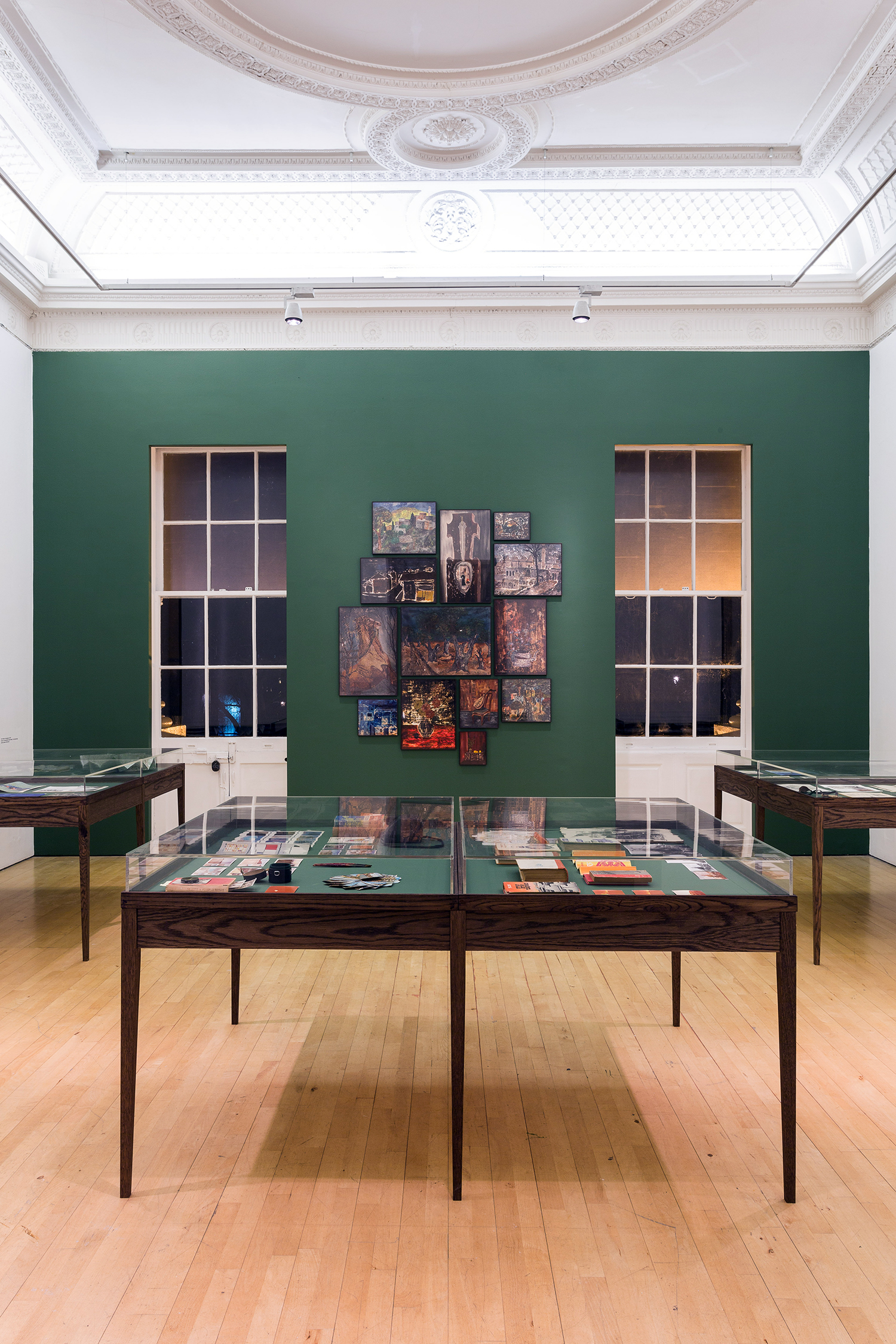
The Sick Man of Europe: The Painter is the first part of Dor Guez’s five-part international project that explores the…
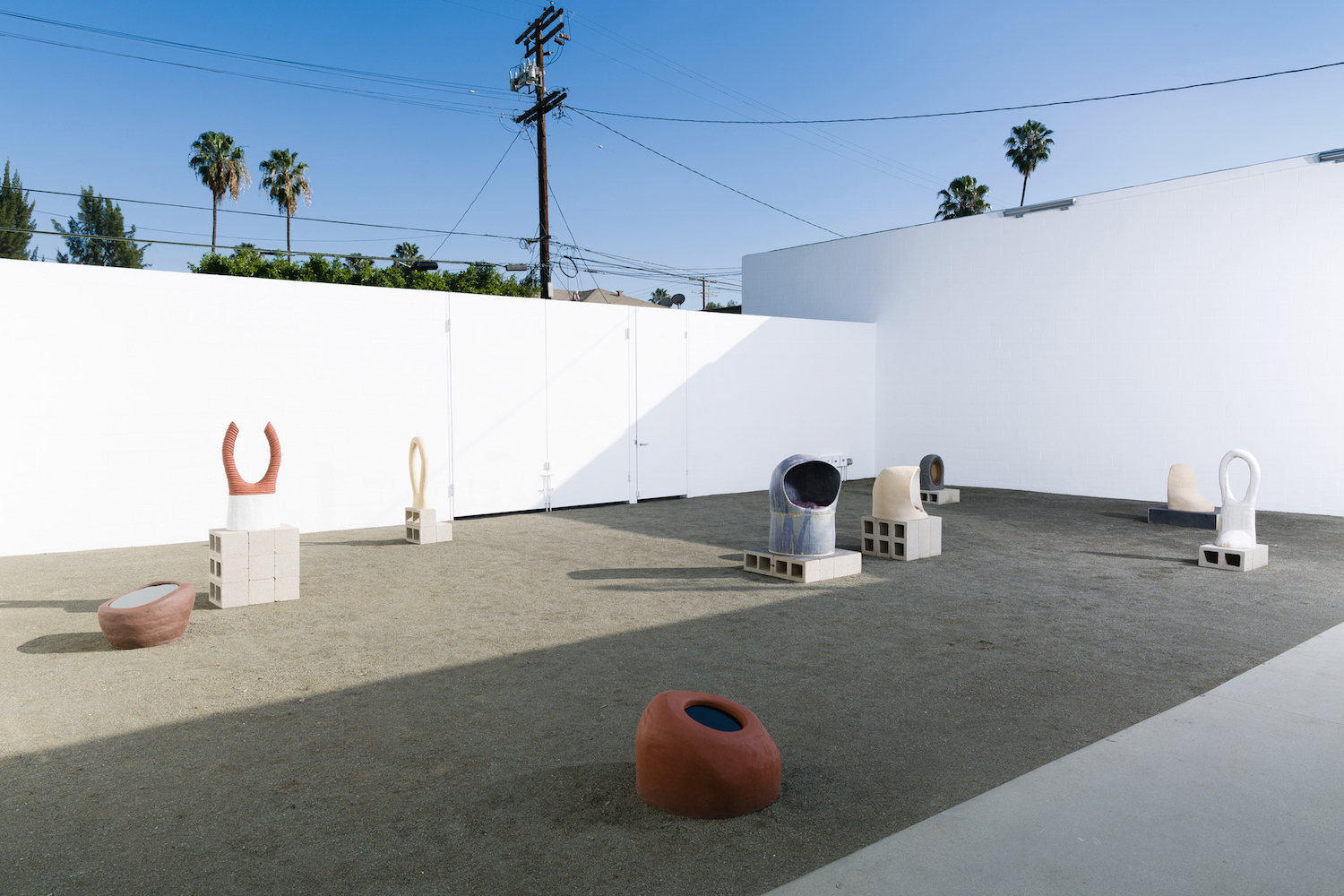
Anna Sew Hoy is interested in the ability of materials to facilitate some sort of intimacy. Often she works with…
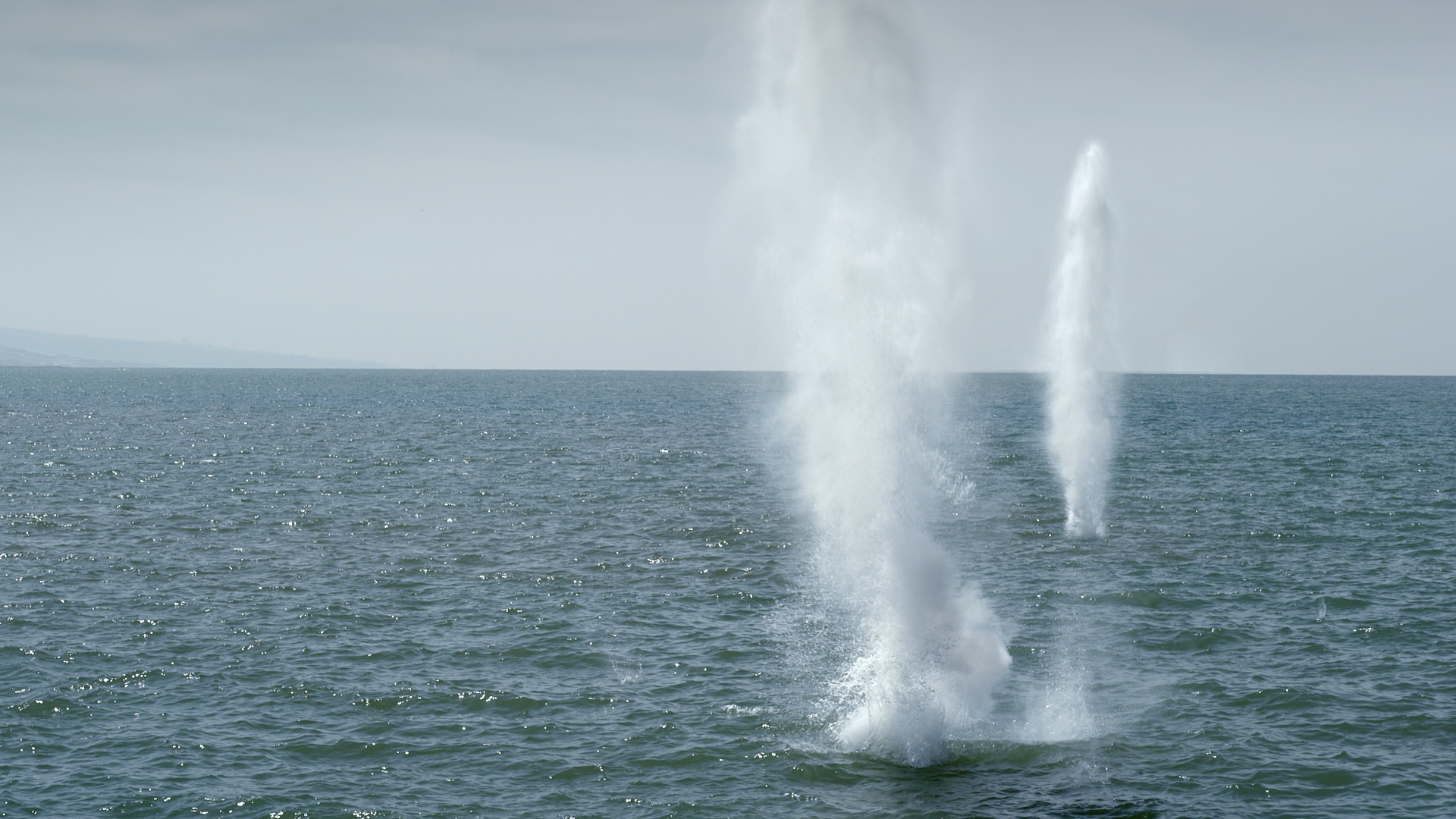
“Survey,” as a word, is always associated with the action of asking questions in order to bring a comprehensive overview…
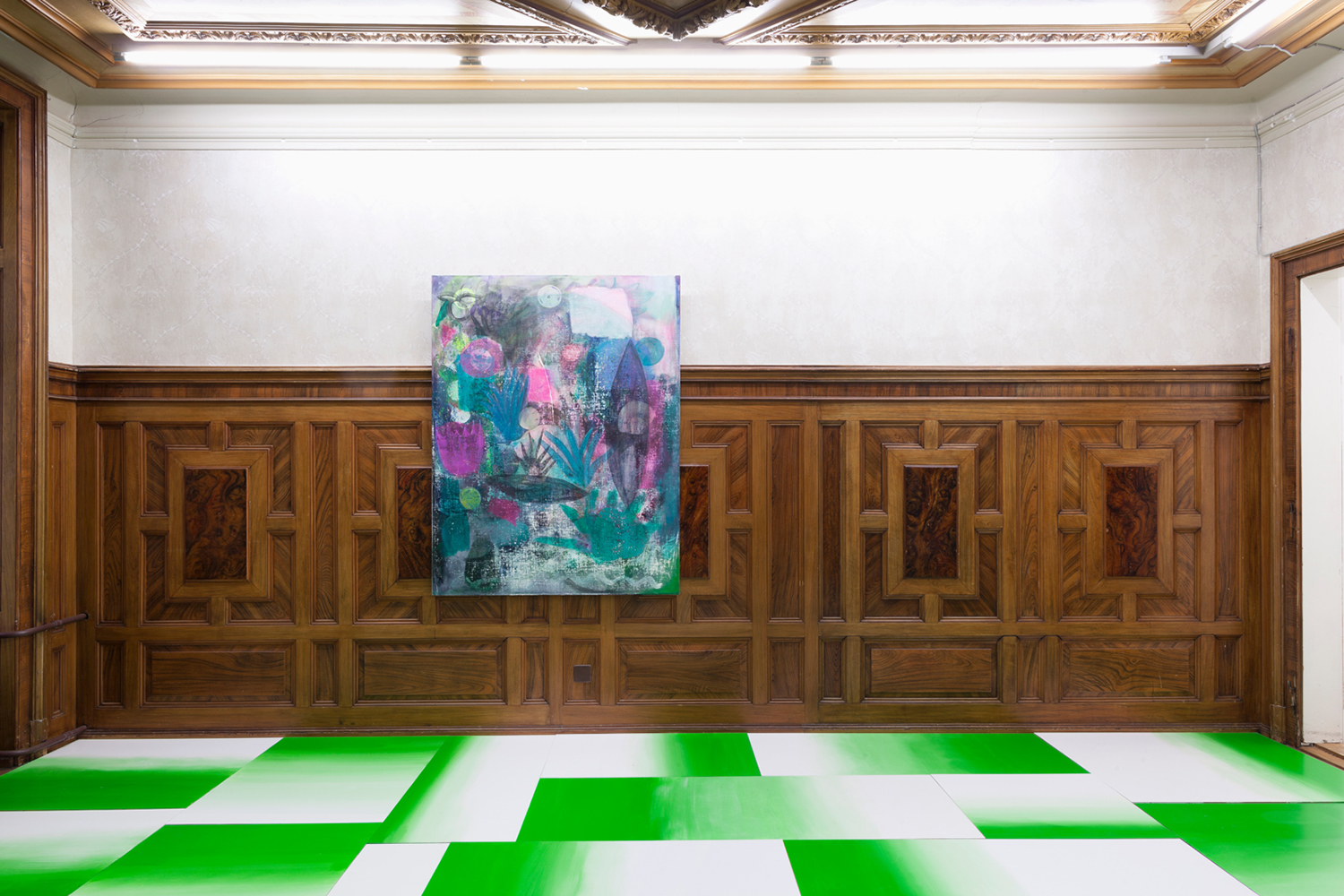
Kunsthaus Langenthal presented an exhibition of two young Swiss painters; besides their respective virtuosity, Charlotte Herzig and Andreas Hochuli’s “Il…
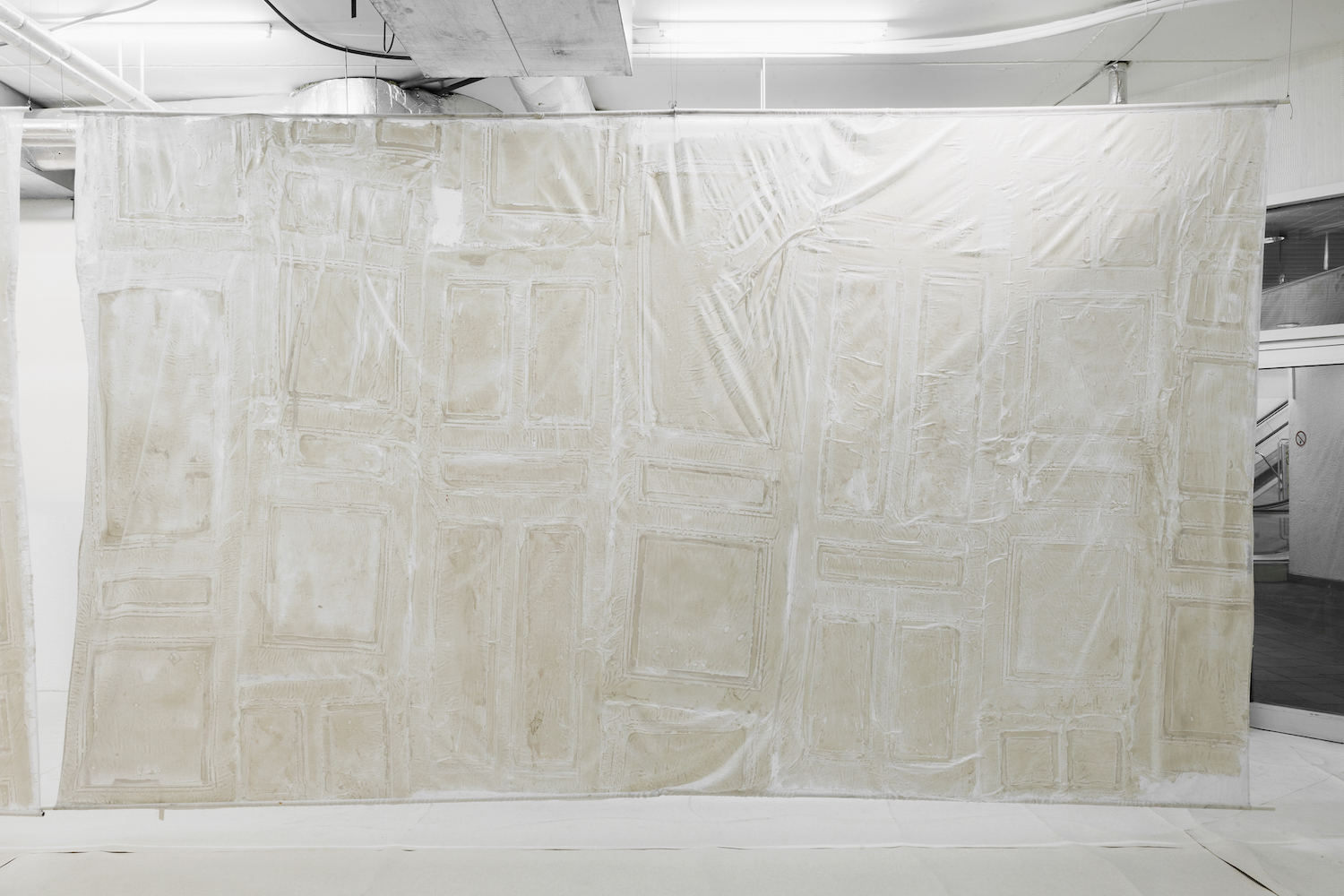
Mélanie Matranga’s “A perspective, somehow” turned Karma International into the kind of tasteful interior design store found on Zurich’s tonier…
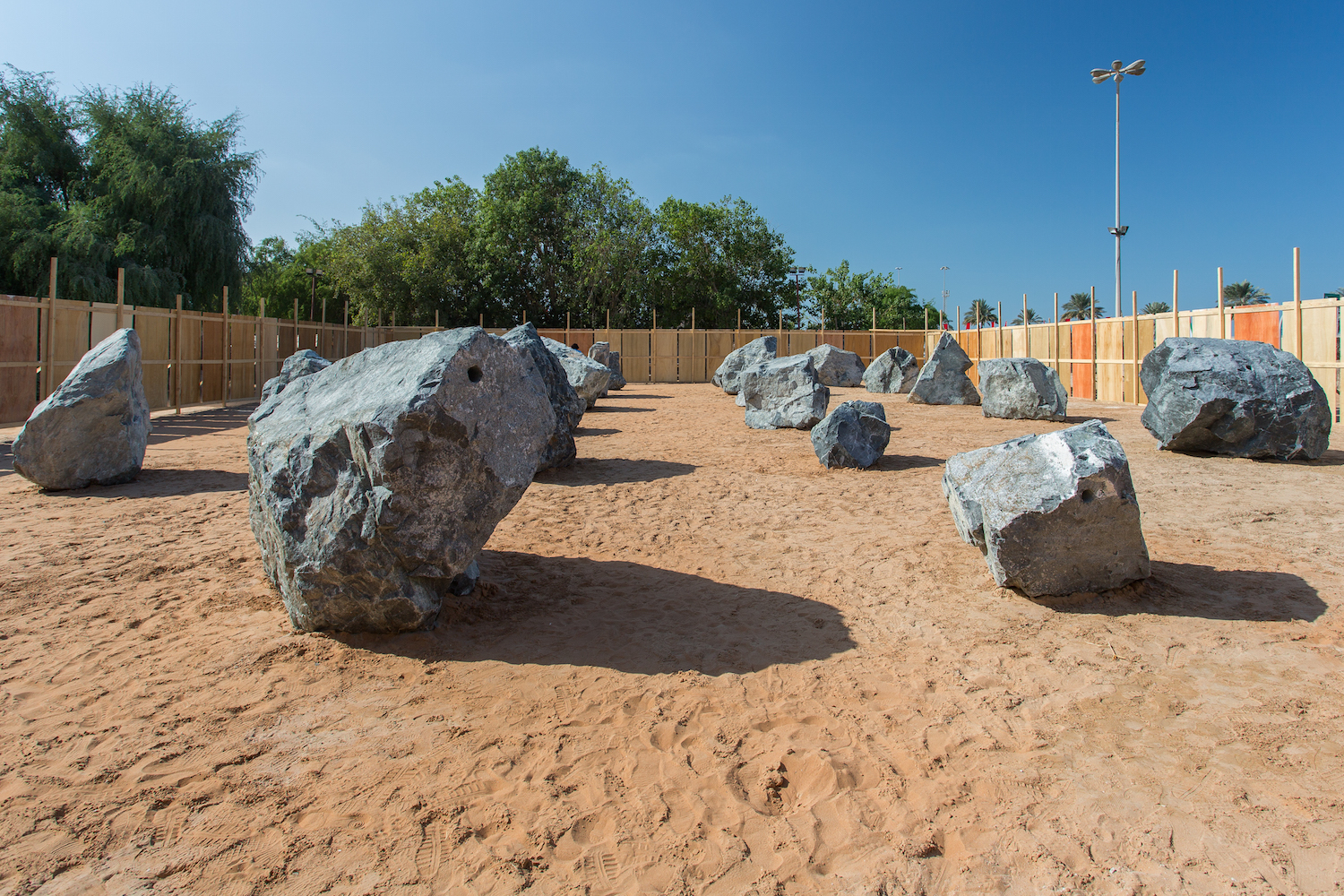
If, as media pundit Marshall McLuhan proclaimed, we become what we behold, then most Dubai residents are likely to be…
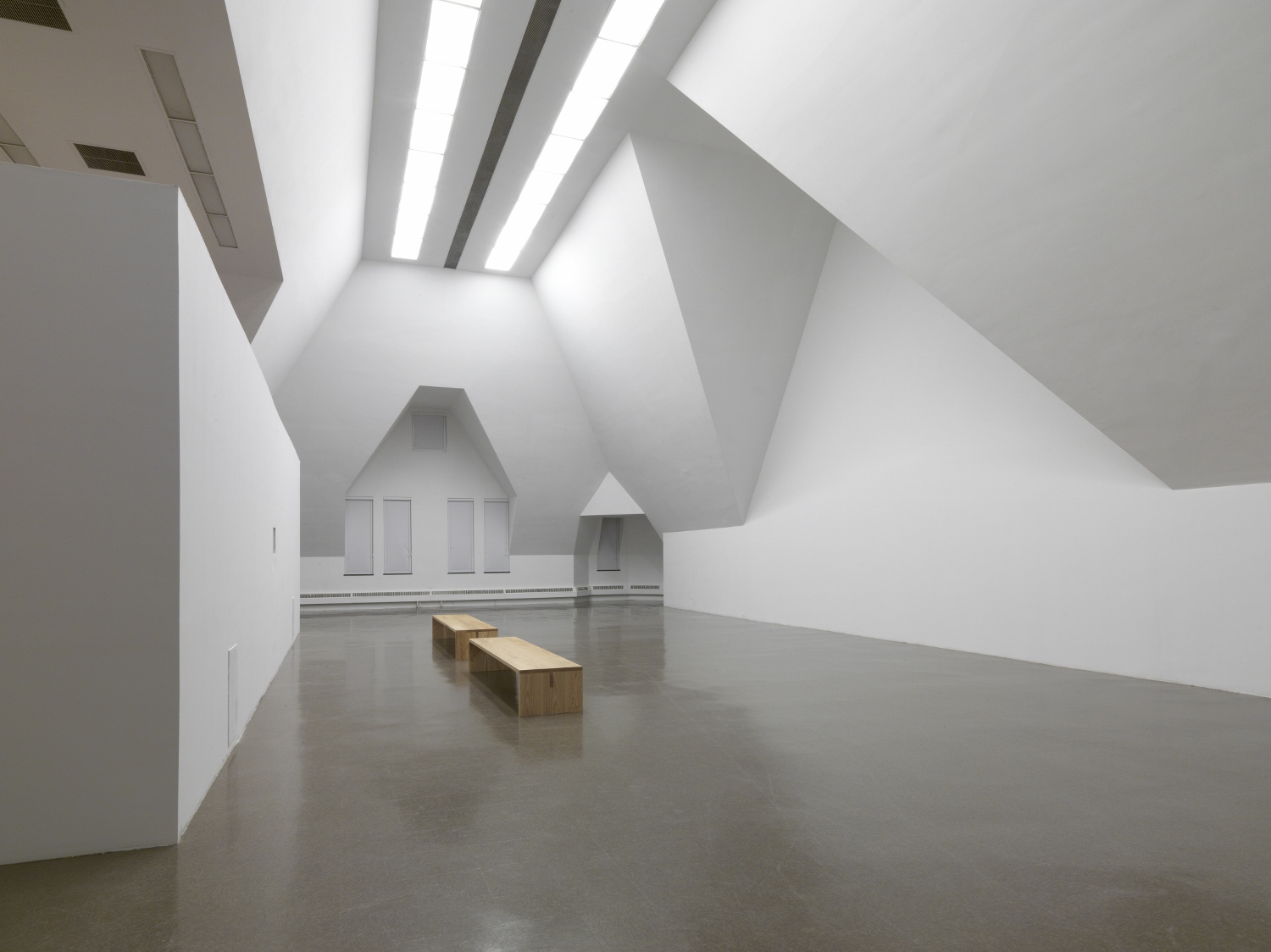
Two works — an architectural intervention and a new film — comprise Mathias Poledna’s exhibition at the Renaissance Society. Together,…
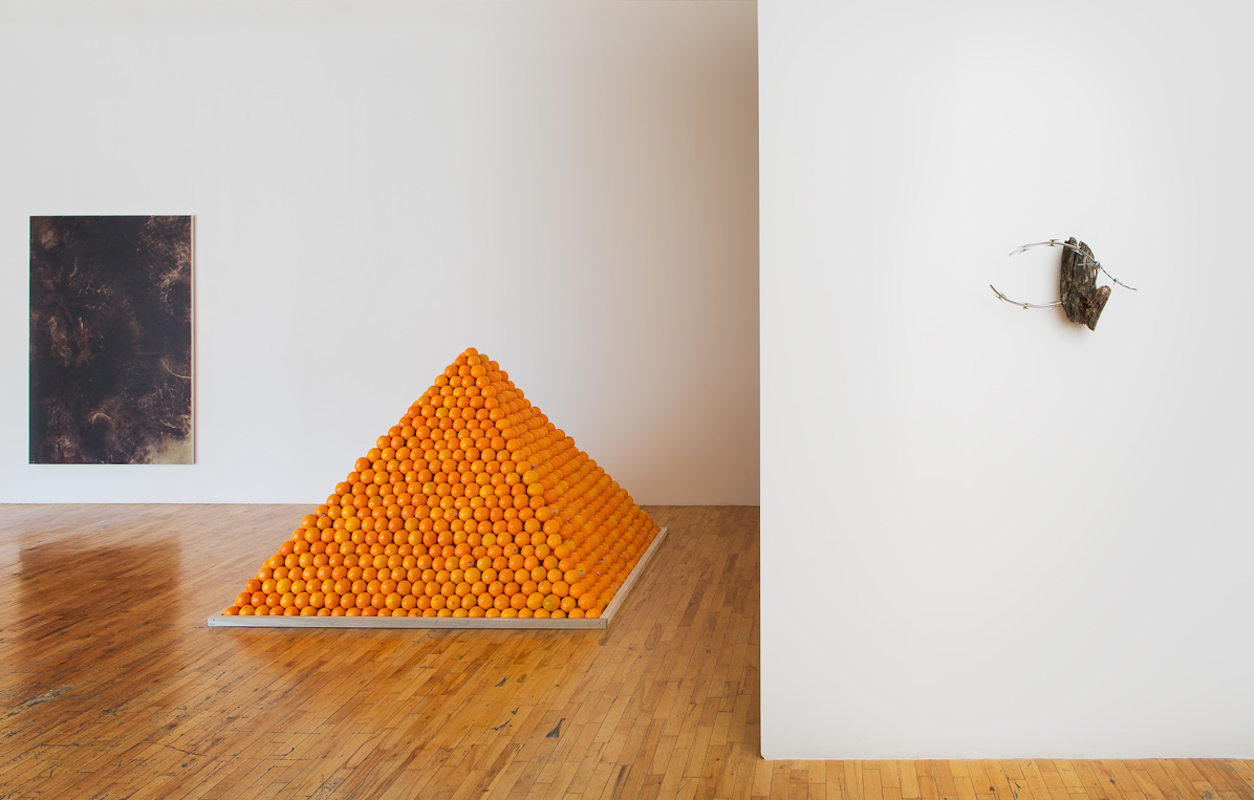
A sculpture is the same sculpture still, regardless of how much its form changes, even when outside intervention or a…
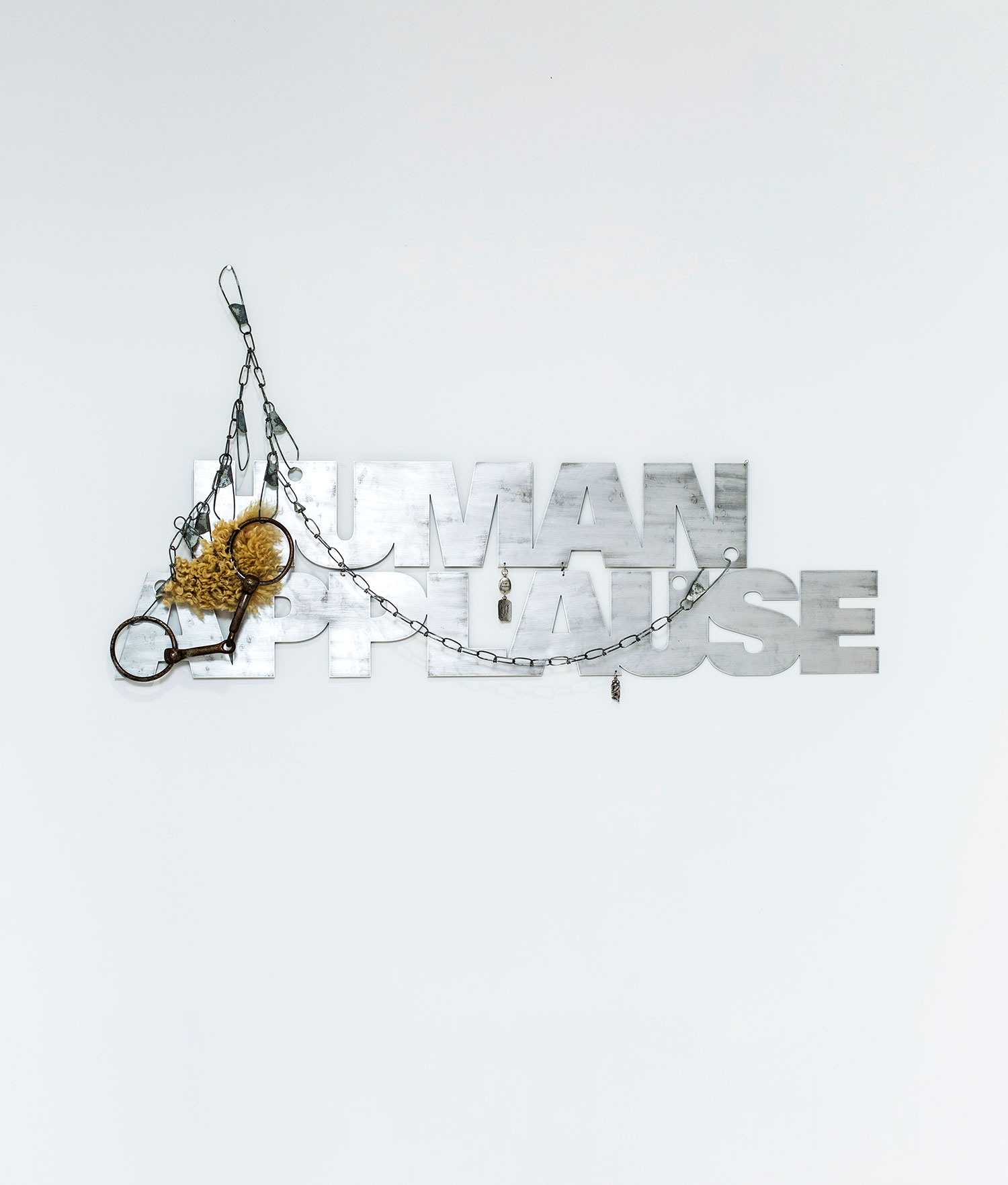
A glass of absinthe, such as those as seen in two of Willa Nasatir’s rephotographed photos on display in “Joshing…
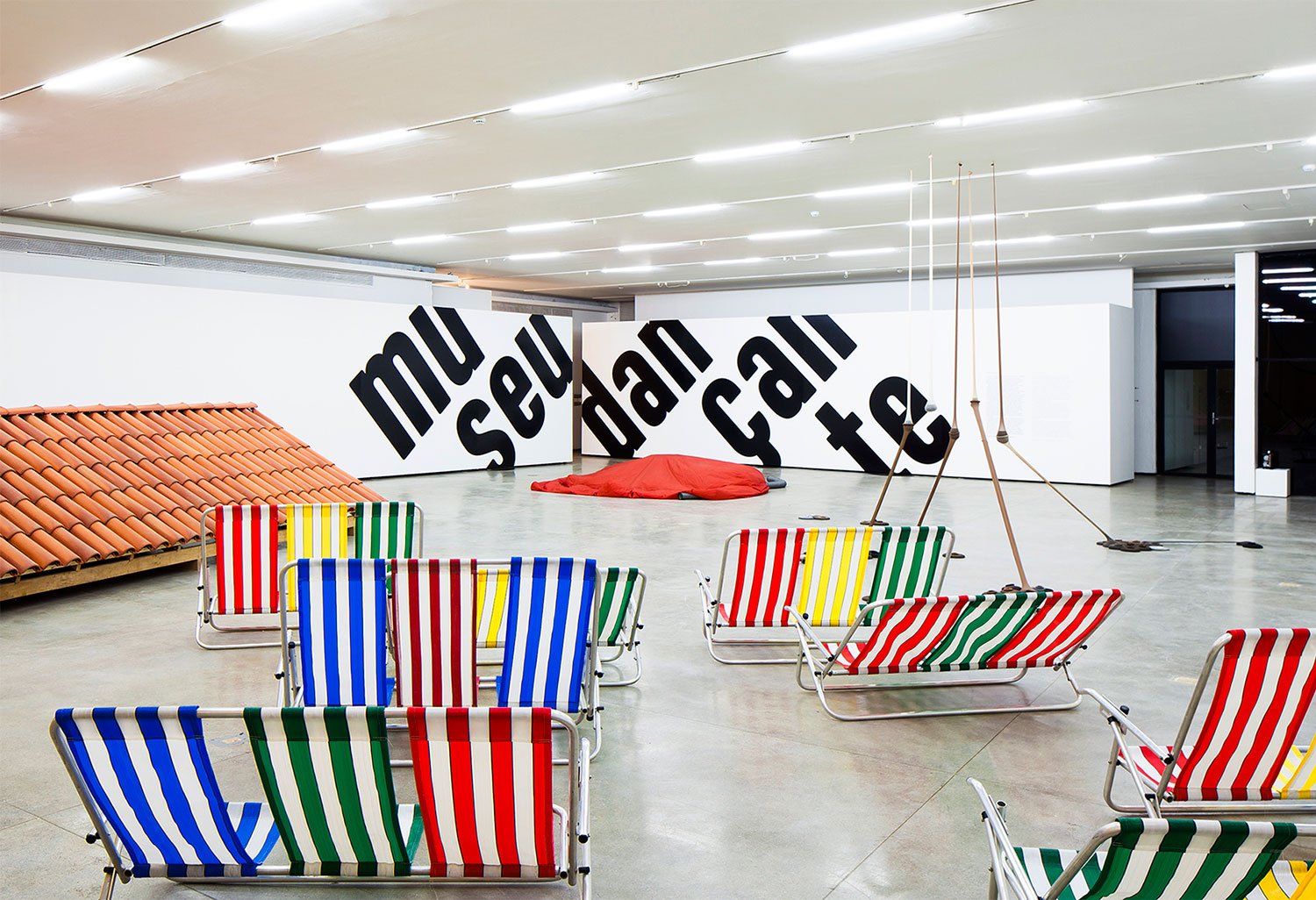
A walk under the Oscar Niemeyer–designed marquise is one way to arrive at the MAM in São Paulo’s Ibirapuera Park.…
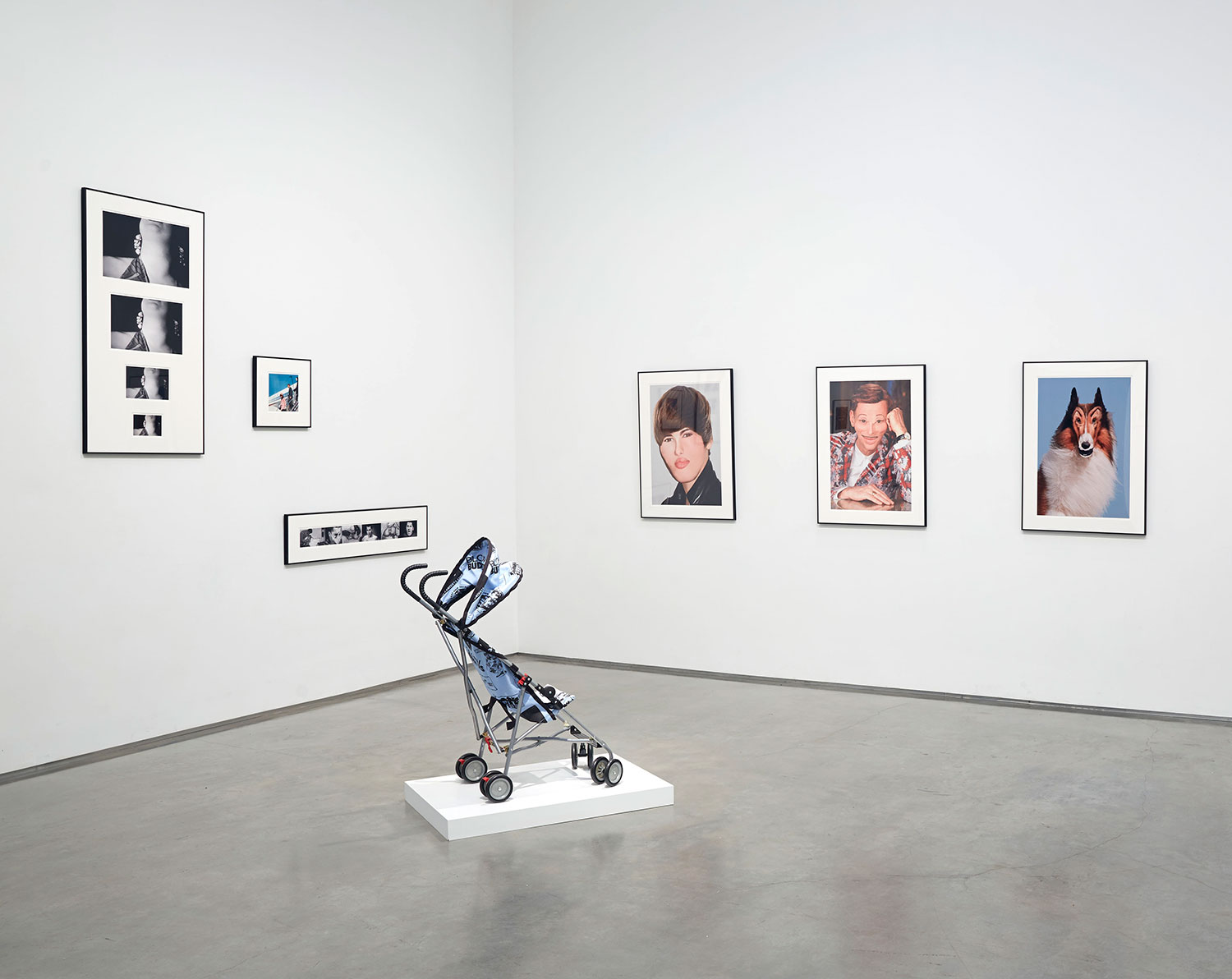
“Witty is always funny in the art world, but is funny acceptable, too?” asks John Waters. “It’s a thin line.”…

German painting of the 1960s, ’70s and ’80s was torn between an ironic relativism (Richter, Polke, Kippenberger, Förg) and an…