Flash Art uses cookies strictly necessary for the proper functioning of the website, for its legitimate interest to enhance your online experience and to enable or facilitate communication by electronic means. To learn more about cookies please see Terms & conditions

Flash Art
Flash Art
Shop
  • Home
  • CURRENT ISSUE
  • Features
    • Archive
    • Conversation
    • FOCUS ON
    • On View
    • Reviews
    • Report
    • Studio Scene
    • The Curist
    • Unpack / Reveal / Unleash
  • STUDIOS
    • Archive
      • DIGITAL EDITION
      • Shop
      • Subscription
      • INSTITUTIONAL SUBSCRIPTION
      • Contact
→
Flash Art

331 Summer 2020, REVIEWS

3 July 2020, 9:00 am CET

Isa Melsheimer “Der unerfreuliche Zustand der Textur” KINDL – Centre for Contemporary Art / Berlin by Andreas Schlaegel

by Andreas Schlaegel July 3, 2020
1
2
3
4
5
6
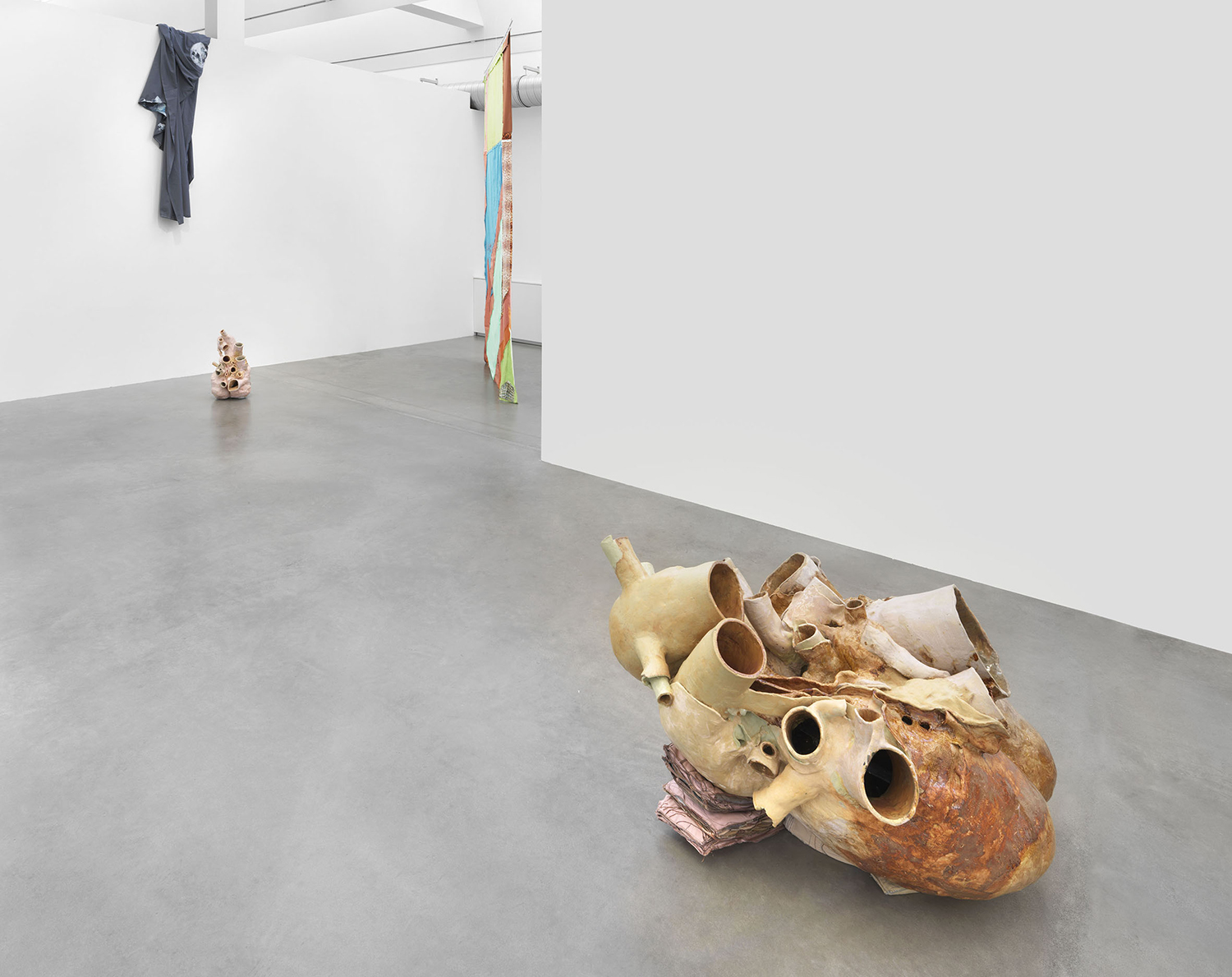
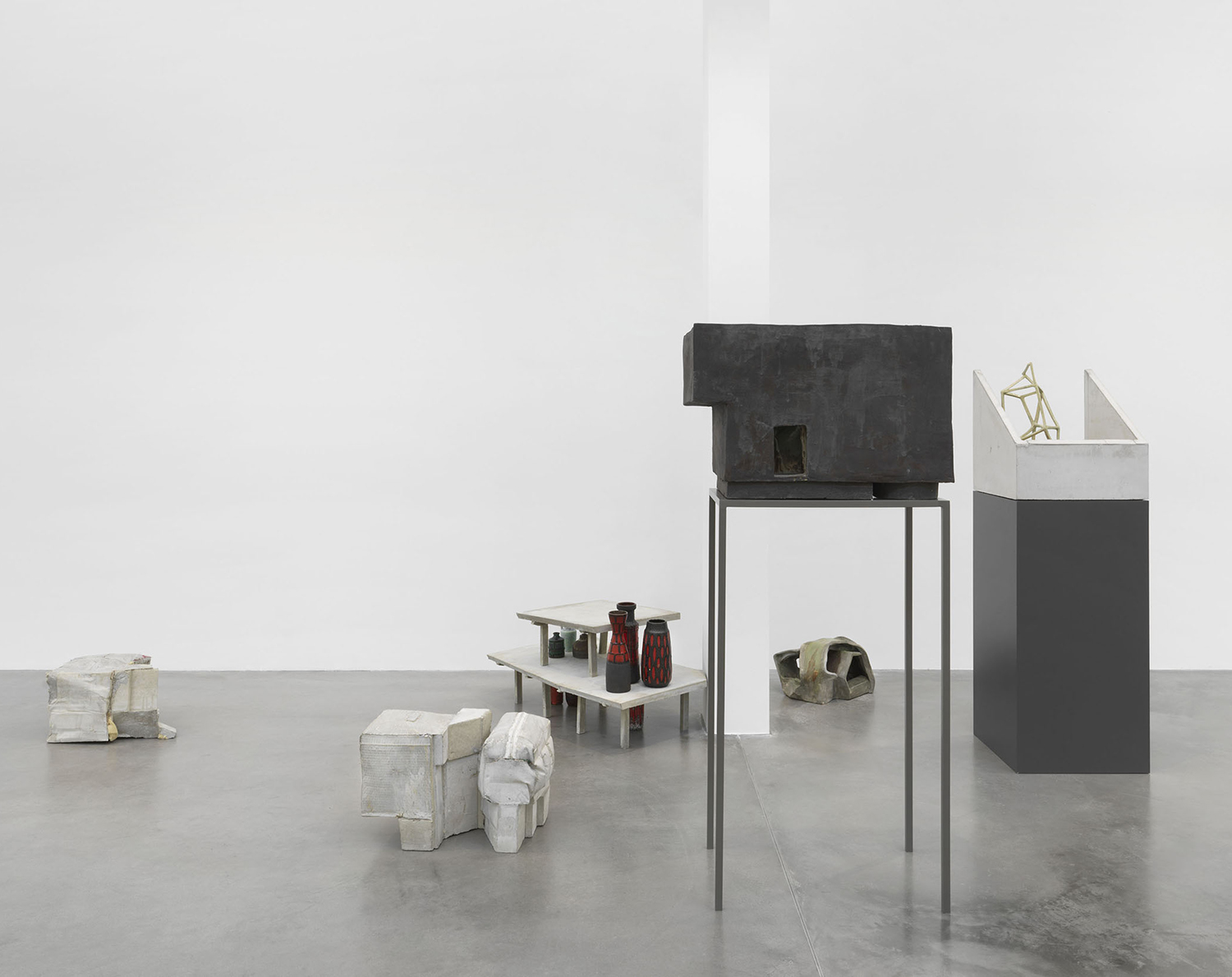
Isa Melsheimer, “Der unerfreuliche Zustand der Textur.” Installation view at KINDL – Centre for Contemporary Art, Berlin, 2020. Photography by Jens Ziehe. Courtesy of KINDL – Centre for Contemporary Art, Berlin.
1
2
3
4
5
6
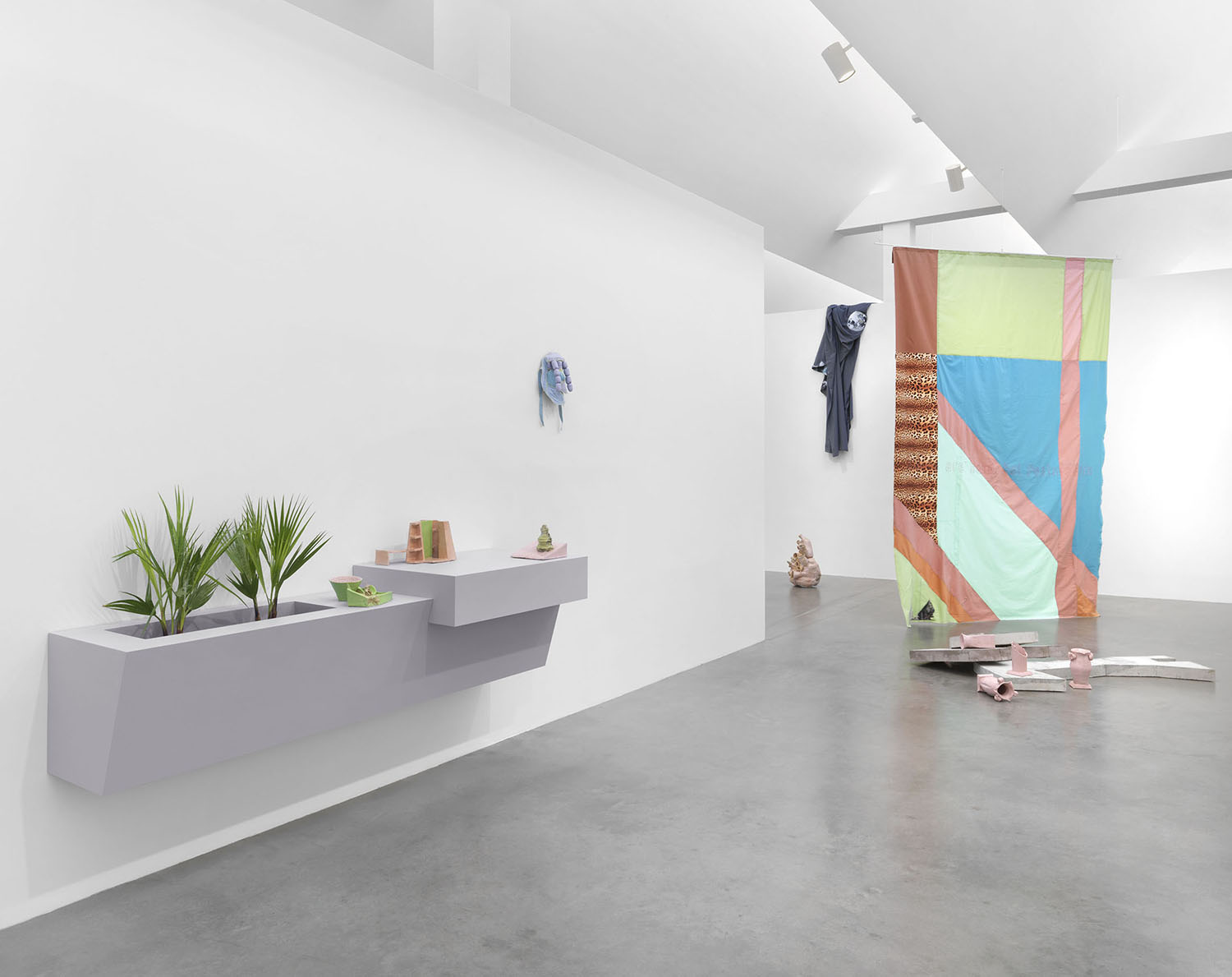
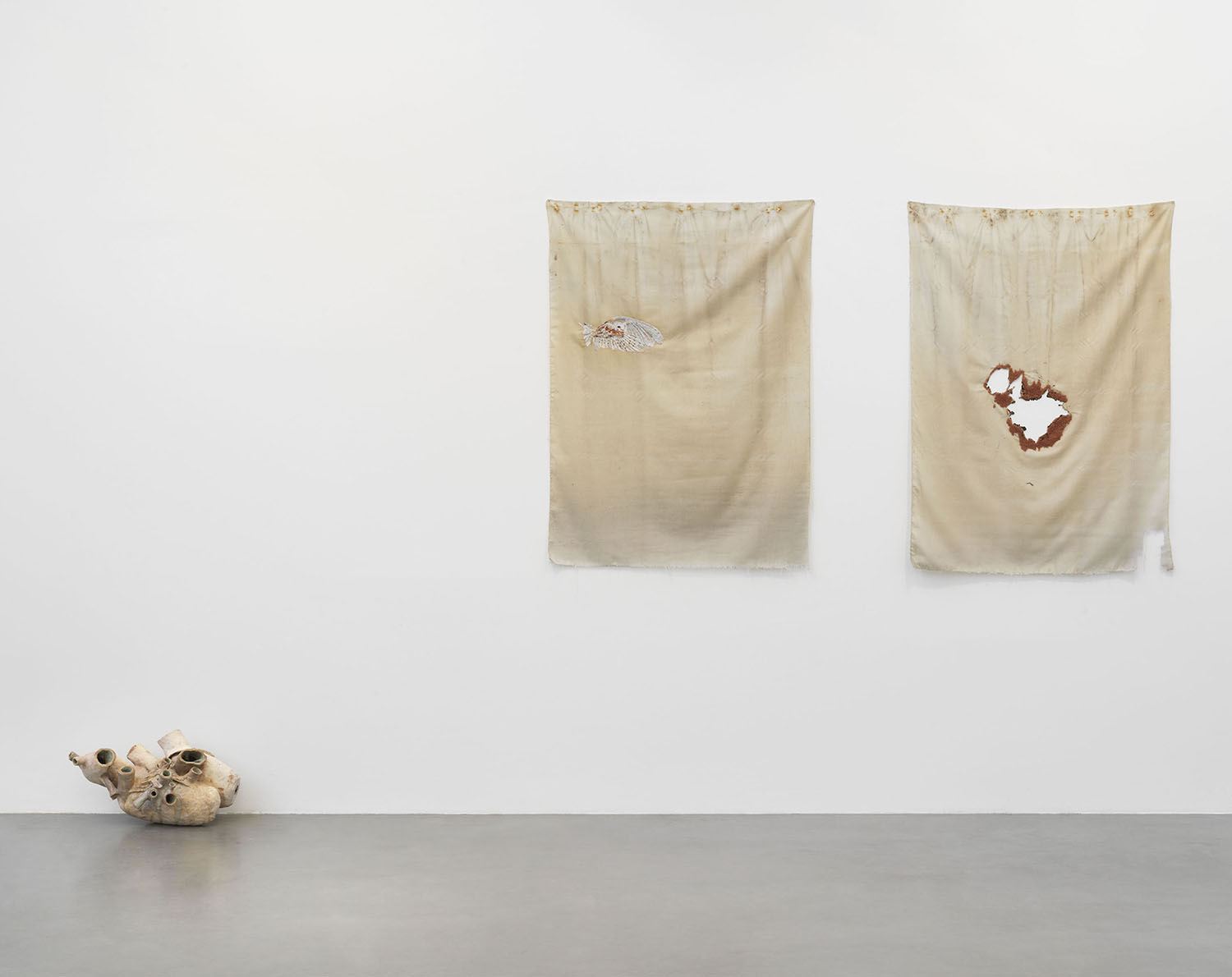
Isa Melsheimer, “Der unerfreuliche Zustand der Textur.” Installation view at KINDL – Centre for Contemporary Art, Berlin, 2020. Photography by Jens Ziehe. Courtesy of KINDL – Centre for Contemporary Art, Berlin.
1
2
3
4
5
6
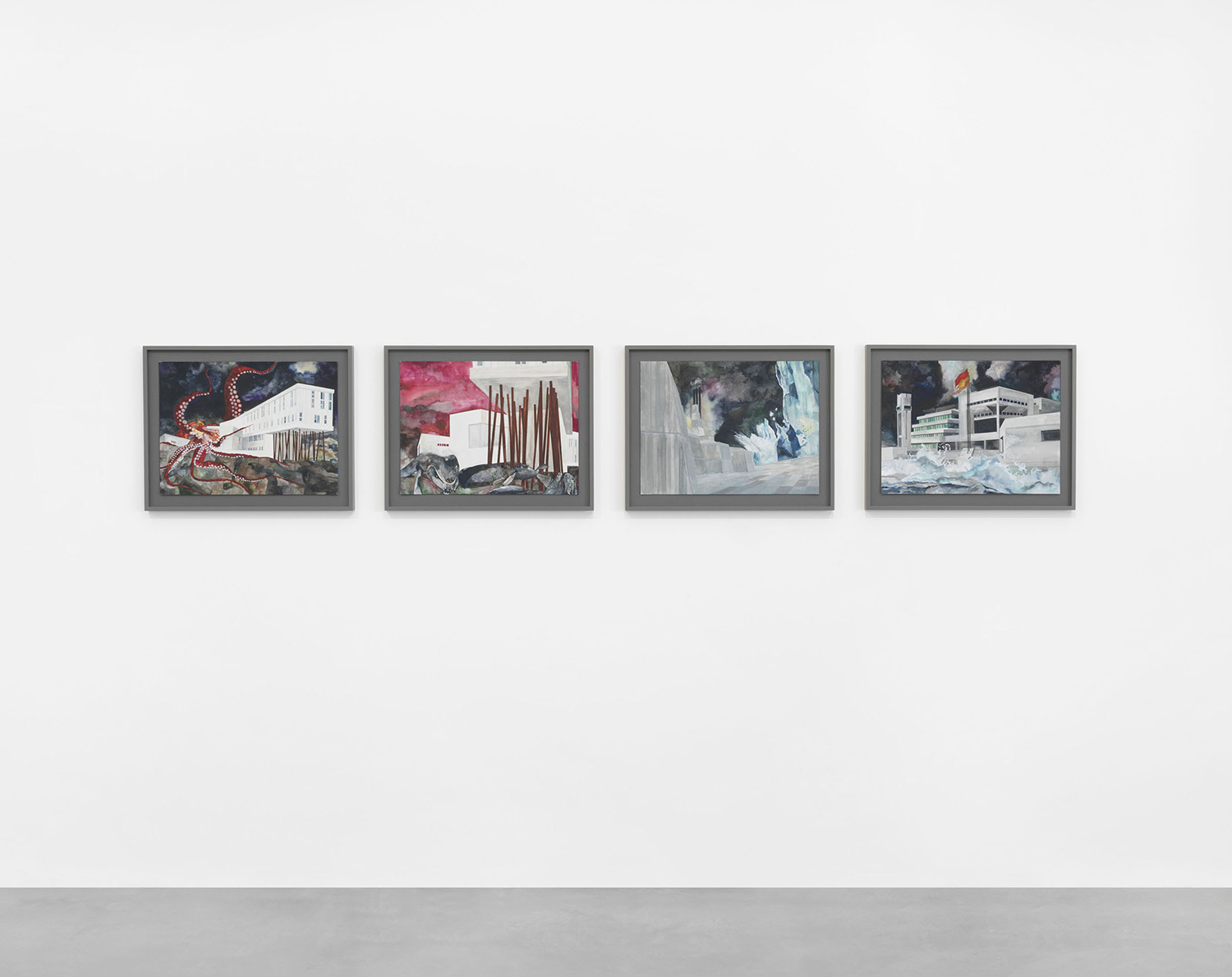
Isa Melsheimer, “Der unerfreuliche Zustand der Textur.” Installation view at KINDL – Centre for Contemporary Art, Berlin, 2020. Photography by Jens Ziehe. Courtesy of KINDL – Centre for Contemporary Art, Berlin.
1
2
3
4
5
6
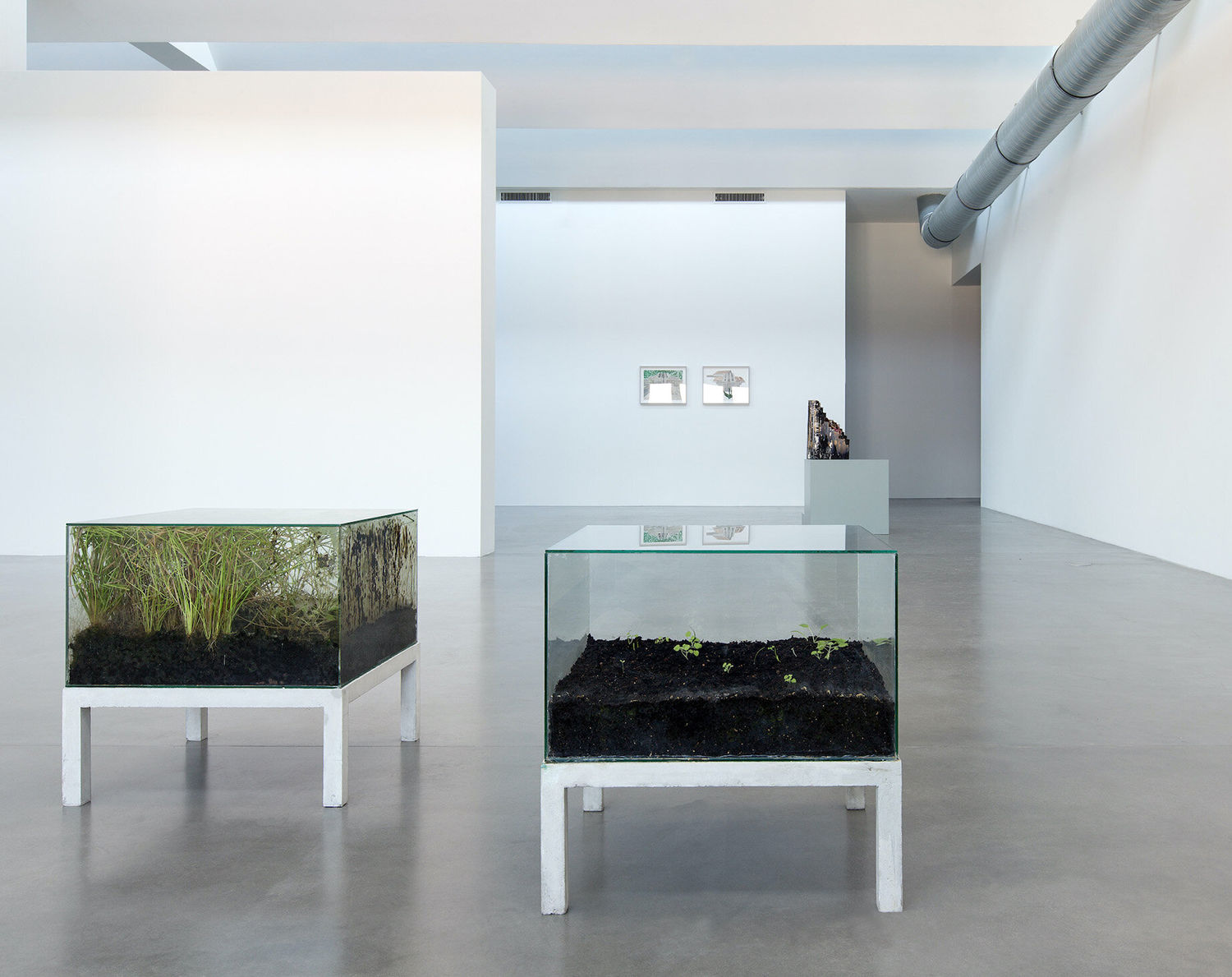
Isa Melsheimer, “Der unerfreuliche Zustand der Textur.” Installation view at KINDL – Centre for Contemporary Art, Berlin, 2020. Photography by Jens Ziehe. Courtesy of KINDL – Centre for Contemporary Art, Berlin.
1
2
3
4
5
6
Isa Melsheimer, “Der unerfreuliche Zustand der Textur.” Installation view at KINDL – Centre for Contemporary Art, Berlin, 2020. Photography by Jens Ziehe. Courtesy of KINDL – Centre for Contemporary Art, Berlin.
1
2
3
4
5
6
Isa Melsheimer, “Der unerfreuliche Zustand der Textur.” Installation view at KINDL – Centre for Contemporary Art, Berlin, 2020. Photography by Jens Ziehe. Courtesy of KINDL – Centre for Contemporary Art, Berlin.

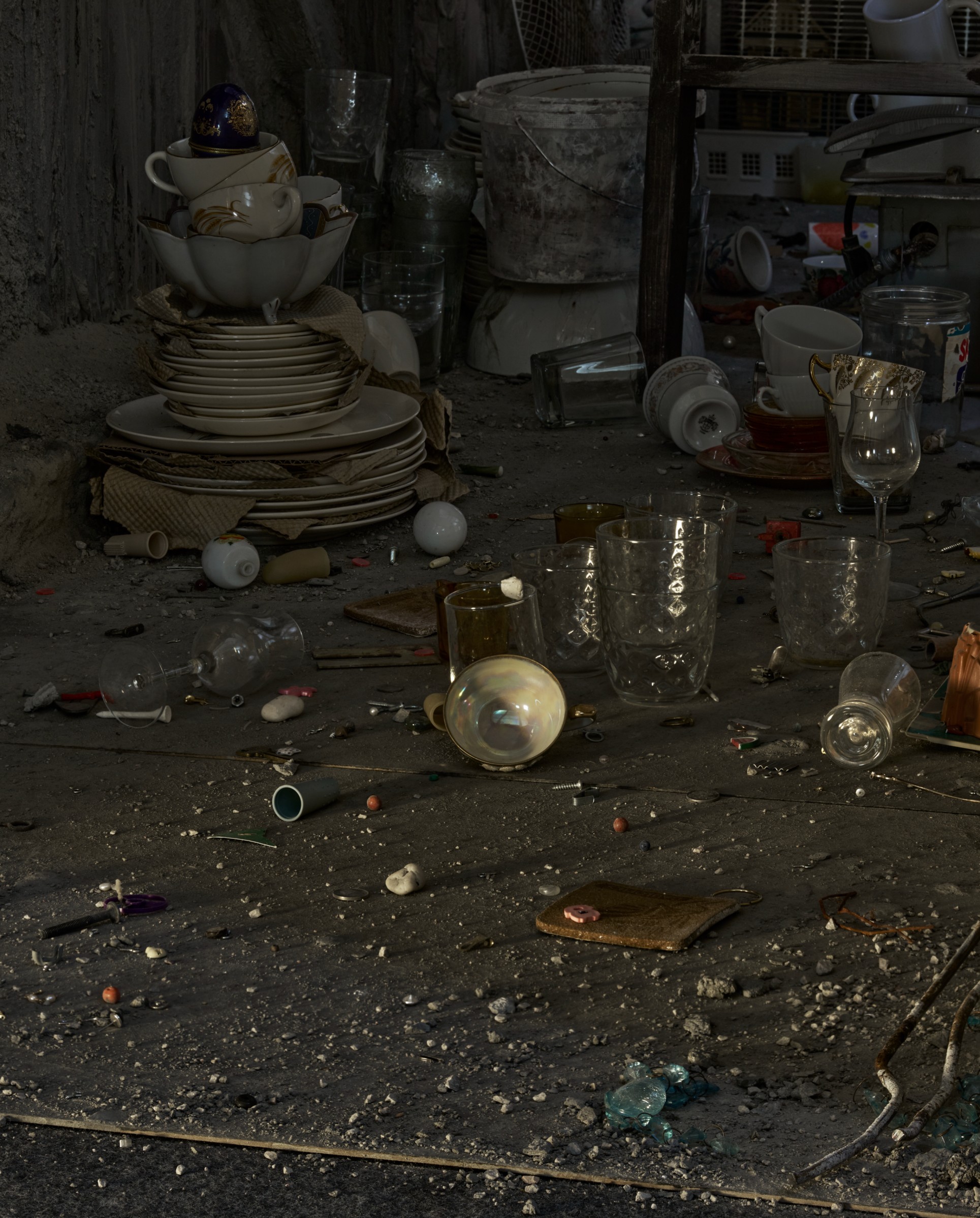
This solo exhibition by Isa Melsheimer is also KINDL’s first show under new artistic director Kathrin Becker, who joined the team in February. The German title could be translated as “the unpleasant condition of texture,” but of what is not immediately clear. The works on display feature extremely different textures, from life-size glazed ceramics of whale hearts (based on research gathered on Fogo Island off the coast of Newfoundland), to ceramic architecture models, to casts in raw concrete, graffiti stitched onto large-scale textile works, gouaches, and an entertaining video piece.
The latter, Water ballet for Marl (2017), shows a group of six dancers performing dance routines, culminating in an Esther Williams–inspired performance set in a square water basin at the center of the modernist town hall complex. In a playful juxtaposition characteristic of many the artist’s works, the humor of the dancers’ costumes and the fluidity of their performance contrast with the dry charm of the static cubic architecture.
Several of the ceramics show explicit nods to the complexities of architecture and urban planning, apparent in titles such as Communication with a Rotten Past (2017) or Possibility of a Ruin (2016). The softness typical of clay gives the architectural forms a strangely formal fragility and a hint of the human touch, suggesting alternative narratives. Afterlife(2019) is a structure consisting of stepped walls, glazed in black and gray, home to a spectacular jagged eruption of erratic red and white forms — a burst of fleshy-toothed flames or intertwined jaws with a nightmarish intensity unseen since Paul Thek placed his ultra-realistic slabs of fake meat in neon-colored plexiglas containers.
Two glass boxes, in a format similar to many of the model-like pieces, contain real plants. Titled Wardscher Kasten, after the inventor of these portable greenhouses, Melsheimer’s glass boxes were however sealed hermetically after she planted seeds collected during stays in Palermo, Sicily, and Fogo Island. Having had no contact with the exterior, the plants have since grown into an artificial jungle, creating a thriving microclimate inside their transparent glass cube. In the exhibition context, this seems to suggest an inversion of nature and architecture: What if this parallel nature were to look at us from its modernist cube? How unpleasant would our texture register?
There Is No Separation. In Conversation with Alice Maher  

19 May 2026, 9:00 am CET

Alice Maher is one of several Irish artists exhibiting at the 61st Venice Biennale. Maher appears in “In Minor Keys,”…

Read More

After You. Roni Horn

18 May 2026, 11:25 pm CET

I. It is easy to start with the eyes. My first encounter with the work of Roni Horn involved an…

Read More

Plastic Visions. Tony Chrenka

15 May 2026, 9:00 am CET

As the first patents for industrial applications of polyethylene terephthalate (PET) were filed with the US Patent Office in the…

Read More

Let It Work If It Works. In Conversation with Rose Wylie

12 May 2026, 9:00 am CET

David Kohn: We’re here in your studio where you’ve been working for almost sixty years. The paintings are all gone…

Read More

© 2026 Flash Art

  • Terms & conditions
  • Contact