How are reality, time, and subjectivity redefined in an era dominated by computational technology? This is a question that artist Engin Demir addresses head on in his practice. To some extent, he appropriates the digital imagery and generative processes he critiques, all the while exploring the evolving relationship between artificial intelligence systems, data structures, and contemporary subjective experience.
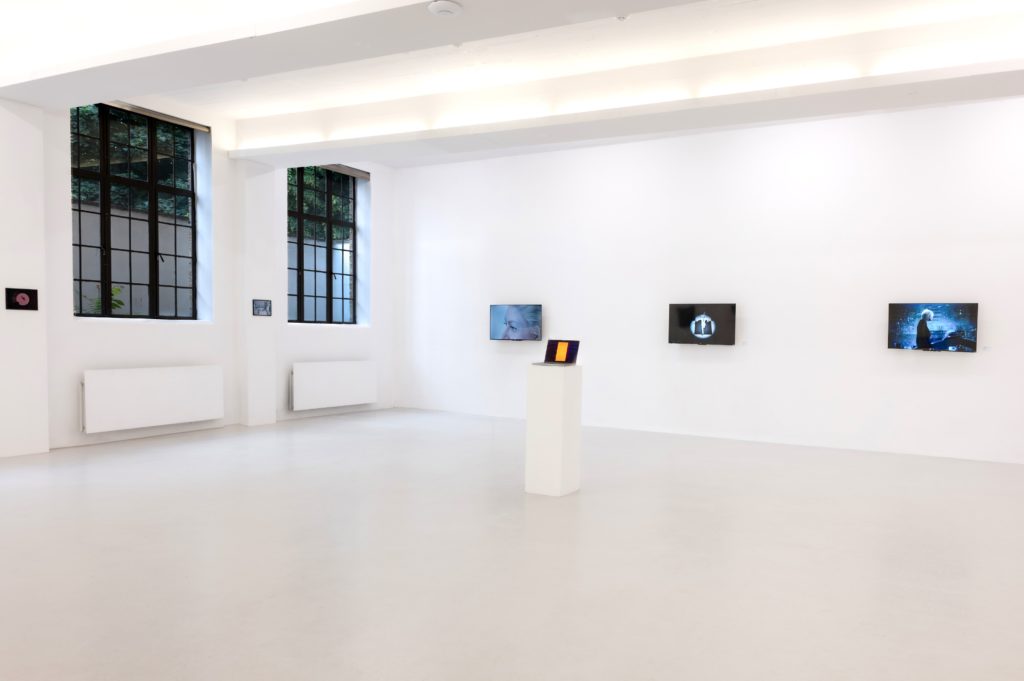
His latest work, Computed Subjects under Algorithmic Governance (2026), contends with the survival dilemma of humans in a highly mechanised world. Adopting a cold, mechanical visual language, Demir guides us through a series of hyper-programmed visual environments. The first of these videos begins with the self-calibration of individual order. A figure is presented with five doors behind which various scenes – whitewash lodgings in which the objects of daily life orbit, a space station and a stratified cityscape, where aeromotive traffic moves across the skies like neural pathways – lead them to a similar inevitability. In all circumstances, the figure is depicted as weightless. Floating aimlessly, unburdened by the cognitive agency that grounds us.
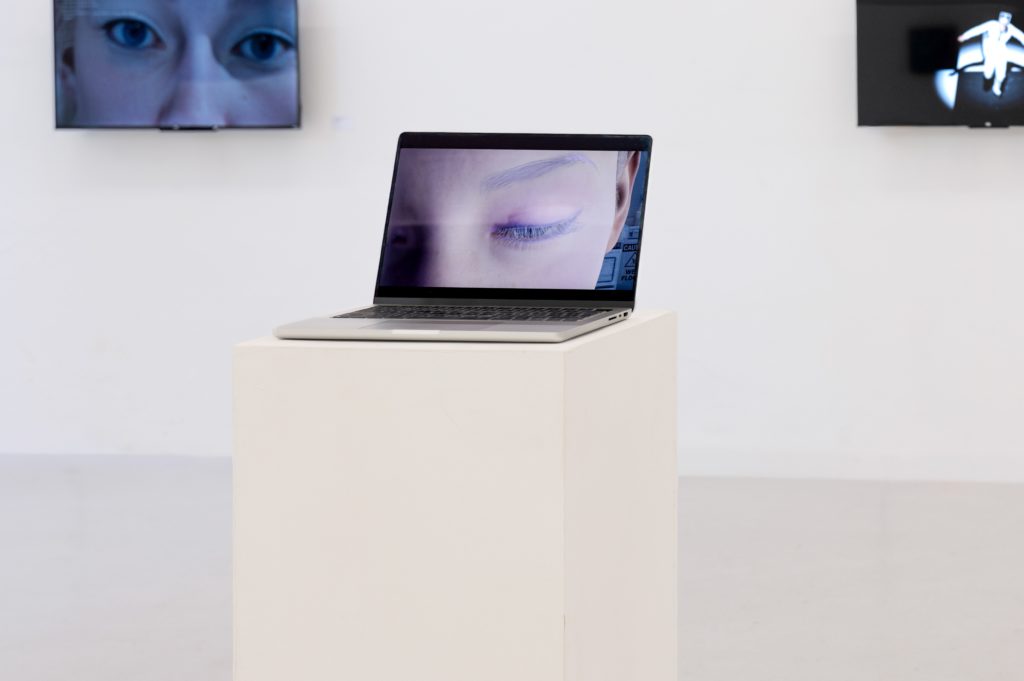
Through reconfigurations of scale, the body and systemic structures, Demir’s practice reveals humanity’s suspended condition within technological networks. In one narrative, the artist addresses the digital alienation of intimate relationships and how control is internalised in daily life, constructing a sterile, sandbox simulation occupied by multiples of a bionic female character. We find her in a rest cycle of sorts, auditing the day’s data before ingesting it into a system of codified behaviours and reactions. There is, apparently, always room for improvement. Here, Demir deals with the hidden tension between free will and pre-computed calculations presenting a situation whereby what we say and do is dictated not necessarily by how we feel in any given moment but rather selected from an archive of conversational patterns and emotional simulation models designed to constantly qualify optimal output.
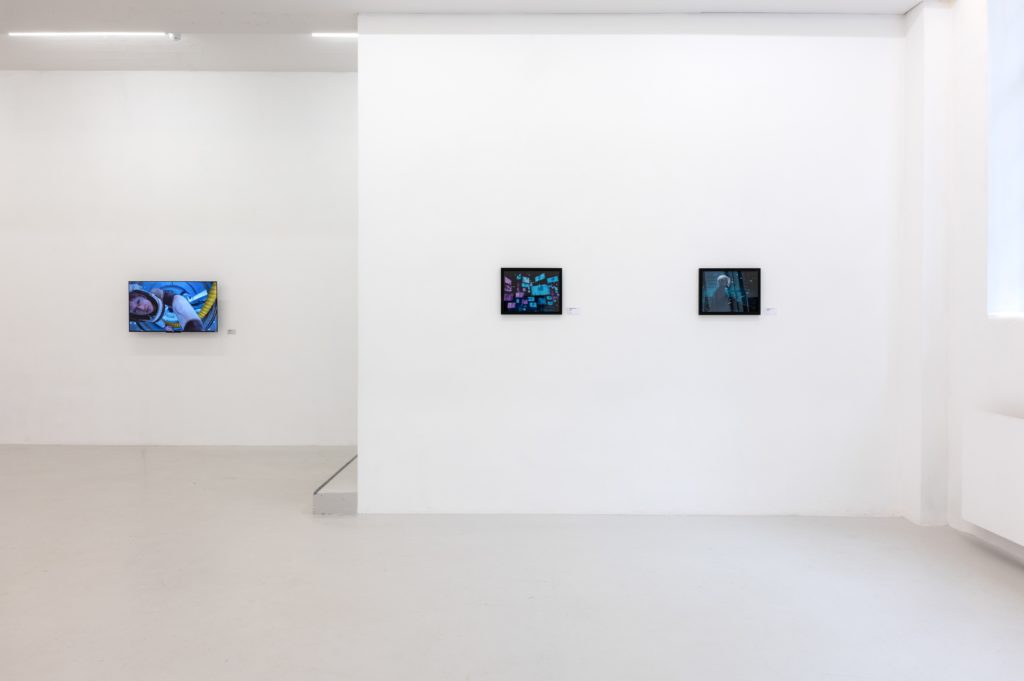
This algorithmic ‘logic’, Demir suggests, is colonising our minds and leading to a comprehensive circuitry of social structures. Though perhaps not entirely imperceptibly. During an interaction with her robotic suitor, the character breaks into an awkward dance. A system note then asks ‘is this joy mine?’ before disregarding it as an invalid query. Towards the end of the video, the image cuts to a control room of screens monitoring the characters every movement, overlorded by a single male figure. A reasonable interpretation of this figure is as a representative of the Big Tech oligarchy. A reminder that no, this joy is not yours at all.
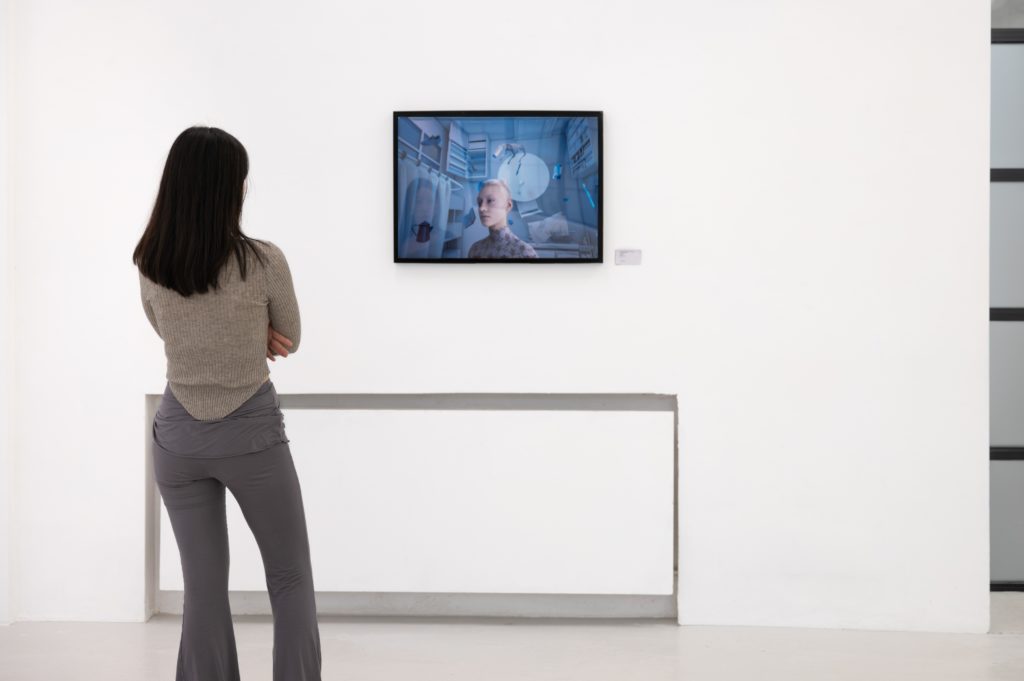
In another video, several more of these governed bodies become the building blocks of a new social order, contained within a hive-mind panopticon of office cubicles. Here continuous computation, prediction, and allocation are the systemic bylaws of the digital age, and individual experience is destined to become lifeless, subsumed within the rhythms of data systems.