In presenting a compelling overview of Beatriz González’s six-decade career, Astrup Fearnley Museet offers a survey of an artistic practice that has consistently transformed ordinary images into sites of political and emotional inquiry. Rather than positioning González solely as a chronicler of Colombian history, the exhibition presents her as an acute reader of visual culture, demonstrating how images shape collective memory and public understandings of violence. The curatorial narrative traces the evolution of her practice, from early engagements with art-historical masterpieces and popular imagery to later, more direct confrontations with grief, loss, and political conflict. Particularly striking is the tension between vibrant colors, moments of humor, and deeply unsettling subject matter. The friction between formal playfulness and political gravity runs throughout the exhibition, underscoring González’s ability to engage viewers in difficult conversations while encouraging reflection on the political realities embedded within everyday images.
In an era defined by the rapid circulation of images through news media and digital platforms, González’s investigations into repetition, mediation, and visual consumption feel remarkably contemporary. The exhibition encourages viewers to consider not only what images represent, but also how they shape perception, memory, and political consciousness. In Wallpaper (1980), for example, González satirizes political leaders who wear Indigenous ceremonial headdresses during highly publicized visits to Indigenous communities; the repeated wallpaper pattern suggests that these displays are little more than empty political rituals. At times, however, the thematic framing tends to universalize questions of image circulation and remembrance, occasionally flattening the specific historical conditions from which many of the works emerge. Nevertheless, the exhibition largely succeeds in connecting Colombia’s political history to broader debates around representation, power, and mourning, demonstrating the enduring relevance of her work beyond its immediate context.
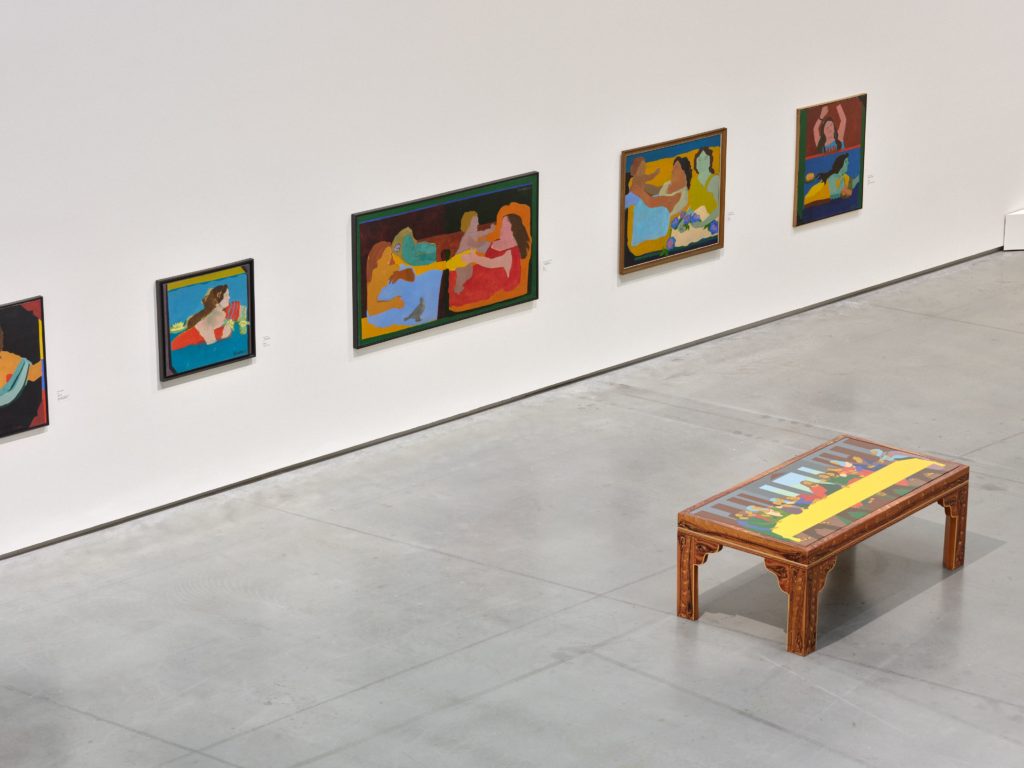
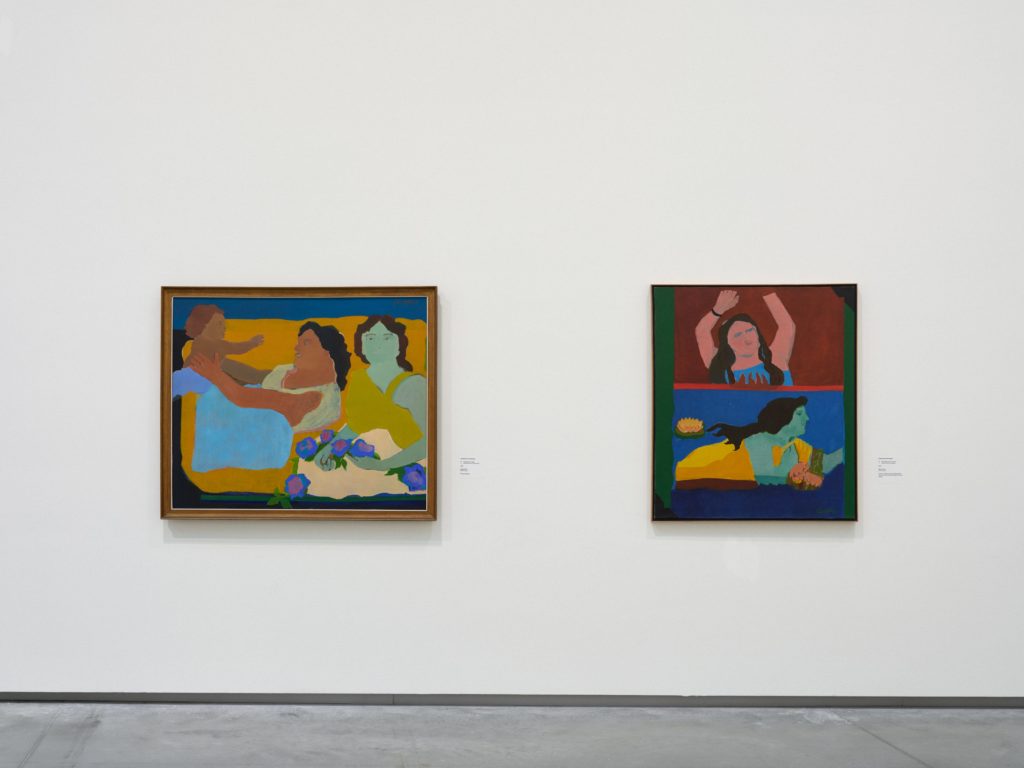
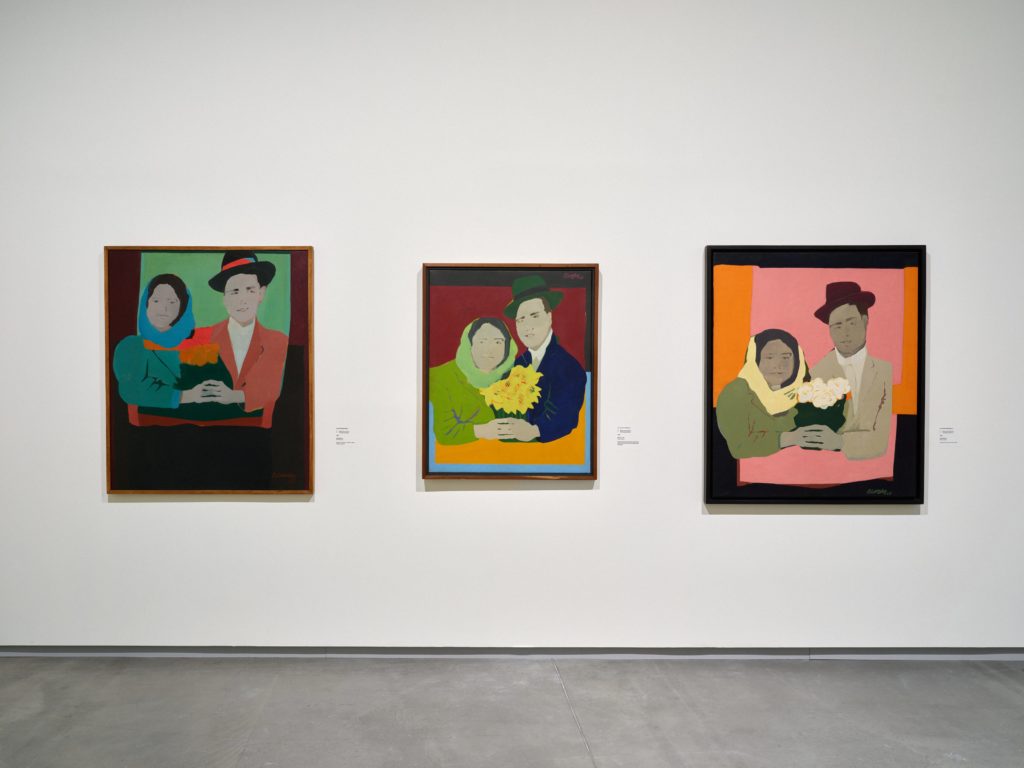
The exhibition unfolds across the museum’s galleries through a thematic rather than strictly chronological arrangement, allowing connections to emerge between different periods of González’s practice. Upon entering the first room, titled“What the Images Tell Me,” visitors encounter a selection of works from the early 1960s that reveal the artist’s longstanding fascination with the circulation and transformation of images. Among them is Encajera Almanaque Pielroja (1964), which already signals the artist’s interest in the slippage between high and low visual culture. The term Pielroja refers to a Colombian cigarette brand whose annual advertising calendars González admired for their bold, flat fields of color. Typically featuring glamorous women posed against monochromatic backgrounds, these commercial images provided a visual language that González would later appropriate and reinterpret. In this early work, the appropriation of mass-produced imagery anticipates the strategies of repetition, translation, and distortion that would define much of her later practice.
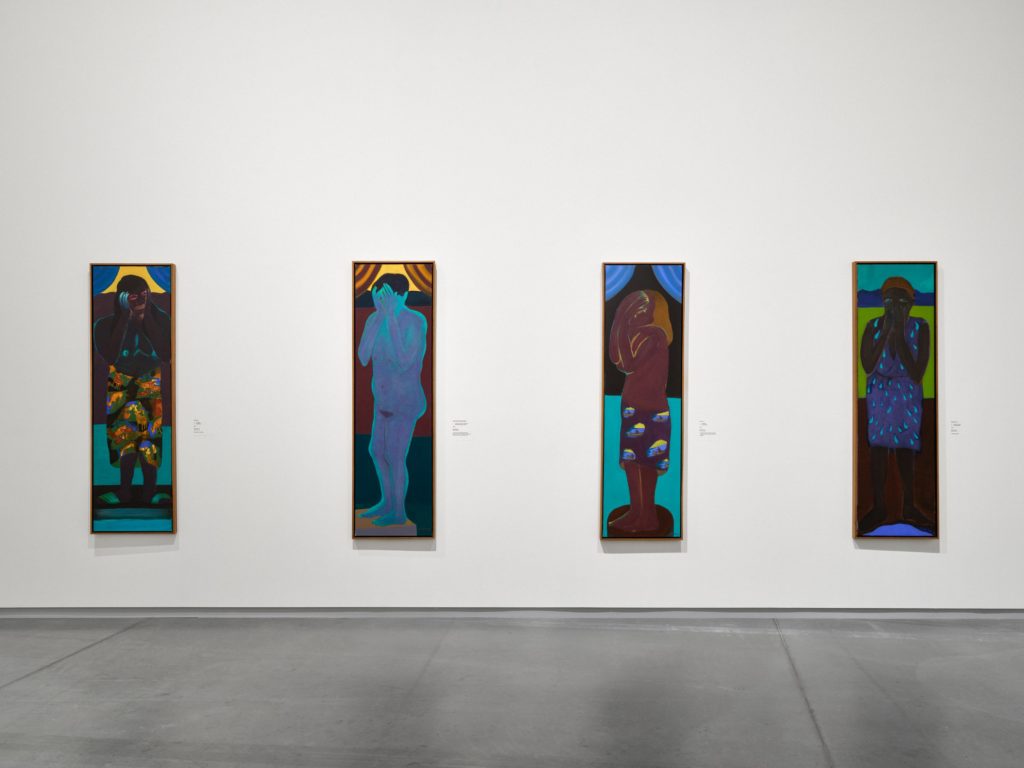
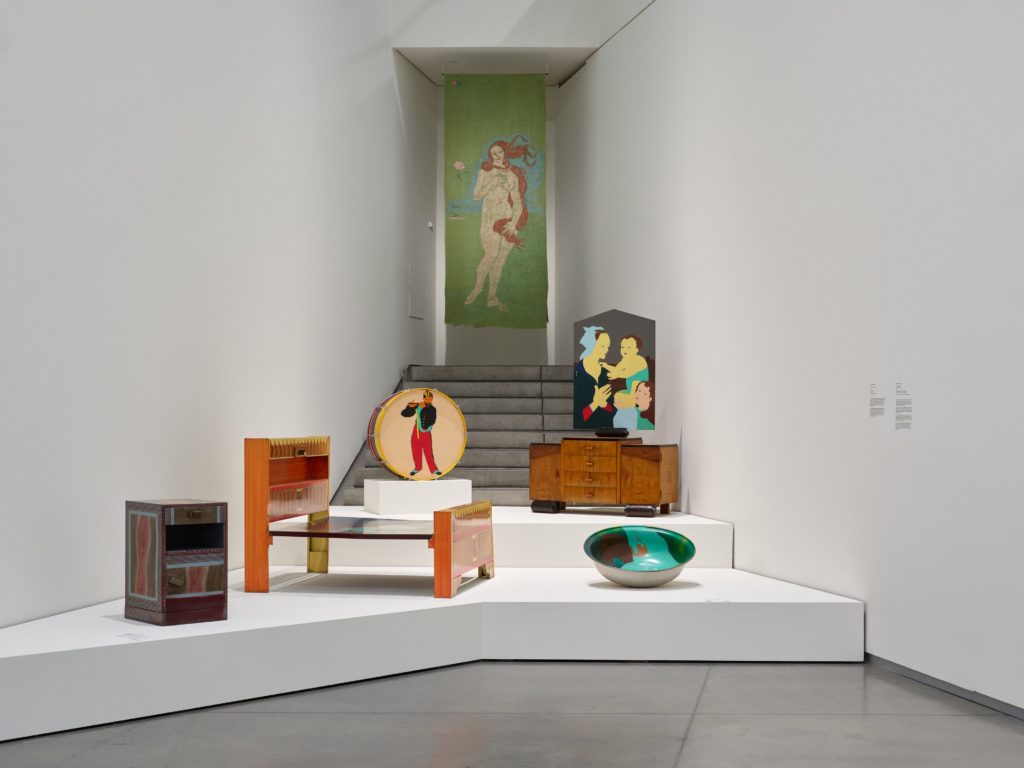
A later gallery explores González’s engagement with the construction of cultural icons during the late 1960s. Drawing on images repeatedly reproduced in newspapers, magazines, and postcards, she turned her attention to figures such as Simón Bolívar and Queen Elizabeth II. Rather than presenting these personalities as subjects of admiration, González examined the processes through which public figures become embedded in collective consciousness. By appropriating and reworking widely circulated reproductions, she revealed how repetition transforms images into symbols of power, nationhood, and cultural memory. What emerges is less a critique of individual figures than an analysis of the visual mechanisms through which authority is manufactured and sustained.
A highlight of this section is Señor presidente, qué honor estar con usted en este momento histórico (1987), painted in response to the Palace of Justice tragedy, a violent 1985 siege in Bogotá when M-19 guerrillas stormed the Supreme Court. Drawing on the visual language of colonial religious paintings, González places President Belisario Betancur at the center of a composition that satirizes political power and its self-representation. Particularly striking is the bouquet of anthuriums laid across the table, which replaces a charred body depicted in an earlier drawing. This subtle yet powerful substitution points to attempts to conceal the government’s role in the tragedy, turning absence itself into a form of political accusation.
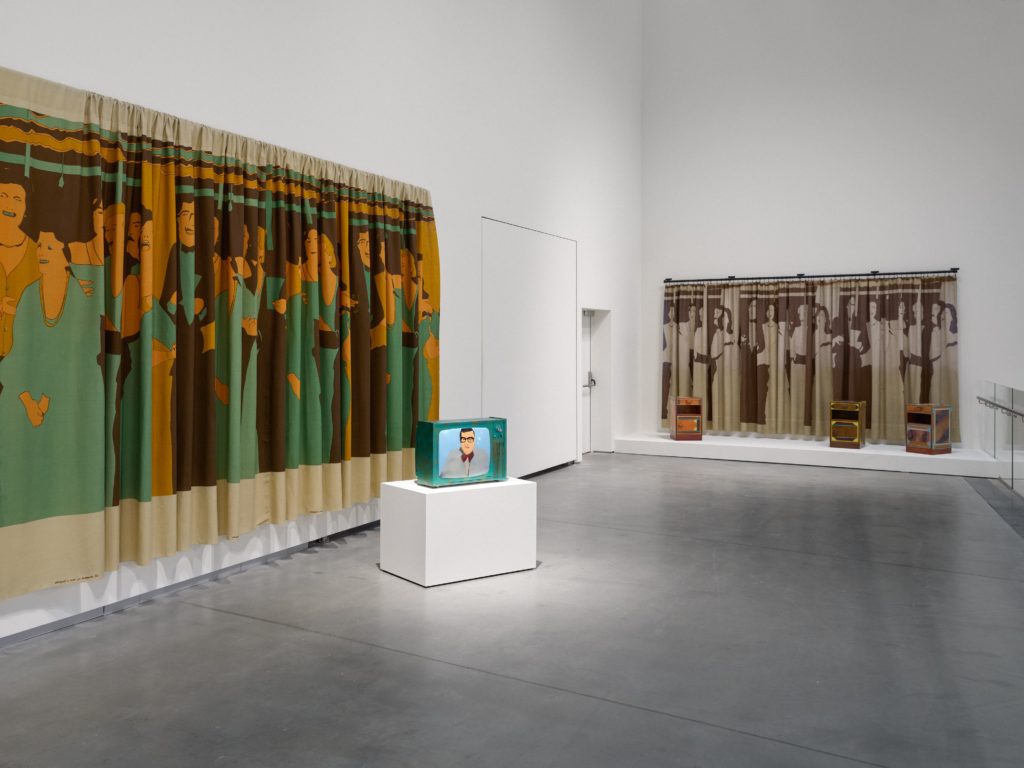
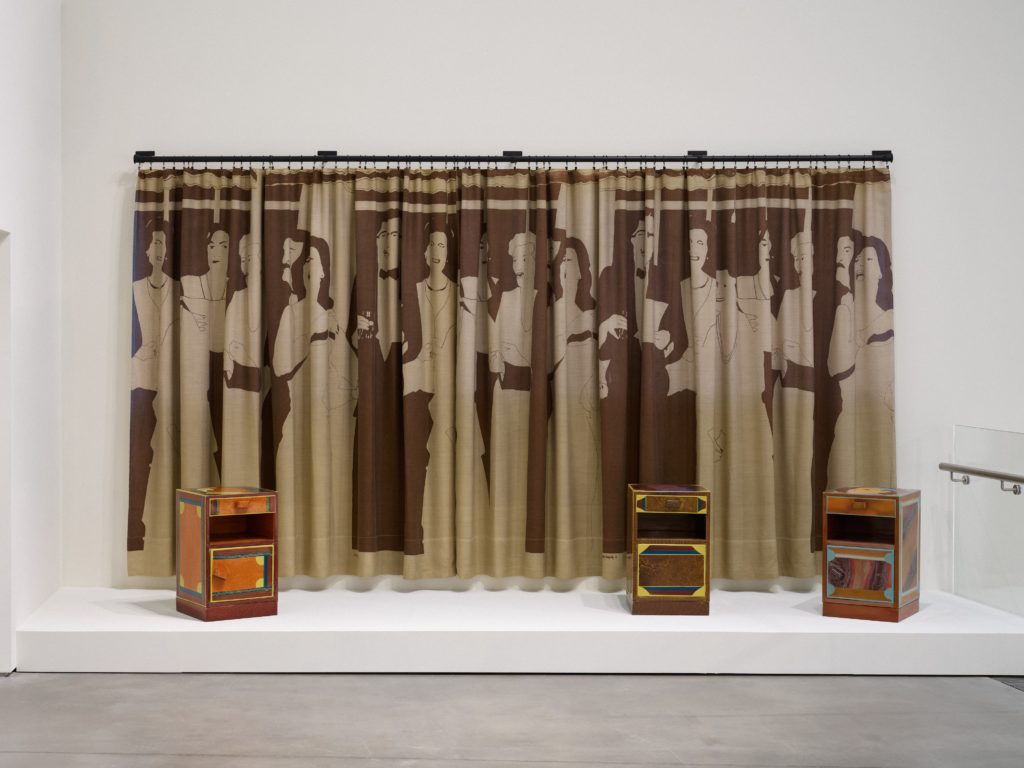
In the late 1970s, González turned her attention more directly toward Colombia’s political landscape, particularly the presidency of Julio César Turbay Ayala (1978–82). Using images of Turbay circulated in the press, she transformed his recognizable appearance — marked by thick-rimmed glasses and a bow tie — into a subject of satire. In works depicting his portrait on domestic objects and a television screen, González references his 1979 announcement of the arrival of color television in Colombia while questioning the relationship between media, political image-making, and public perception. The resulting works oscillate between caricature and critique, revealing how political authority is reinforced through its constant visual repetition.
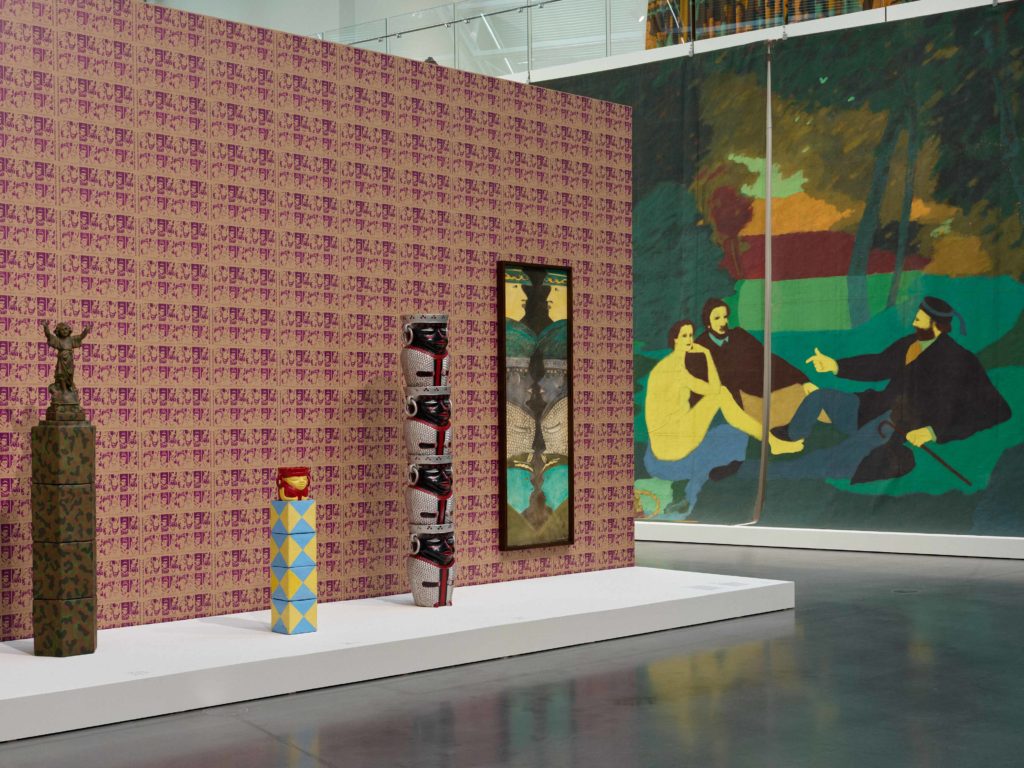
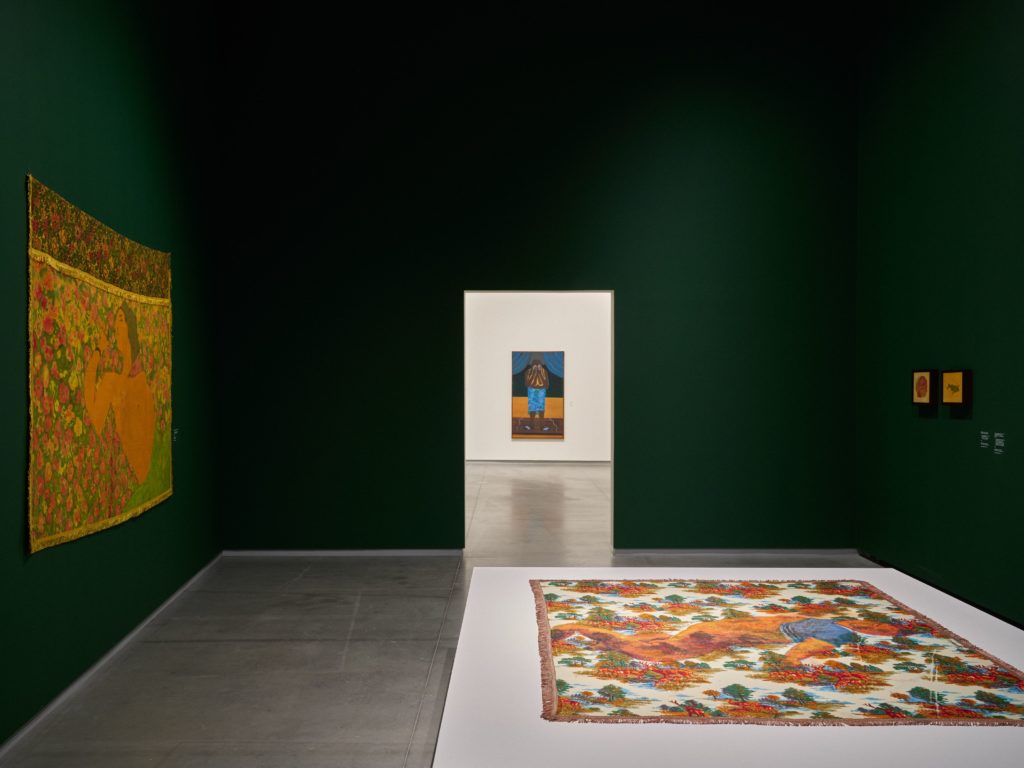
In the final gallery, titled “Art Says Things History Cannot,” González’s belief in art’s ability to preserve experiences overlooked by official histories becomes especially clear. Featuring some of her later works, the gallery shows how she repeatedly returned to the same subjects and themes as a way of processing grief and responding to the violence that shaped Colombia at the turn of the millennium. In Los predicadores (The Preachers, 2002), she addresses the murder of three Indigenous rights activists from the United States who were kidnapped and killed by the Fuerzas Armadas Revolucionarias de Colombia (FARC). A haunting drawing depicts their bodies within the surrounding landscape, while a later transformation of the image into wallpaper extends the scene through repetition. By surrounding viewers with this recurring image, González transforms mourning into a spatial and collective experience, inviting reflection on memory, trauma, and the persistence of loss.
The exhibition situates González’s practice within Colombia’s complex history while revealing the broader global resonance of her work. Across decades, she transformed familiar images into spaces for questioning memory, power, and collective experience. If some aspects of the exhibition occasionally privilege thematic coherence over historical specificity, its strongest moments demonstrate how González’s work resists easy separation between aesthetics and politics. In a contemporary visual culture where images are constantly circulated, repeated, and transformed, González’s work remains deeply relevant. Her ability to reveal what images conceal explains the enduring influence of her practice on generations of artists and thinkers. What remains most compelling is not simply her exposure of what images conceal, but her insistence that looking itself is a political act.