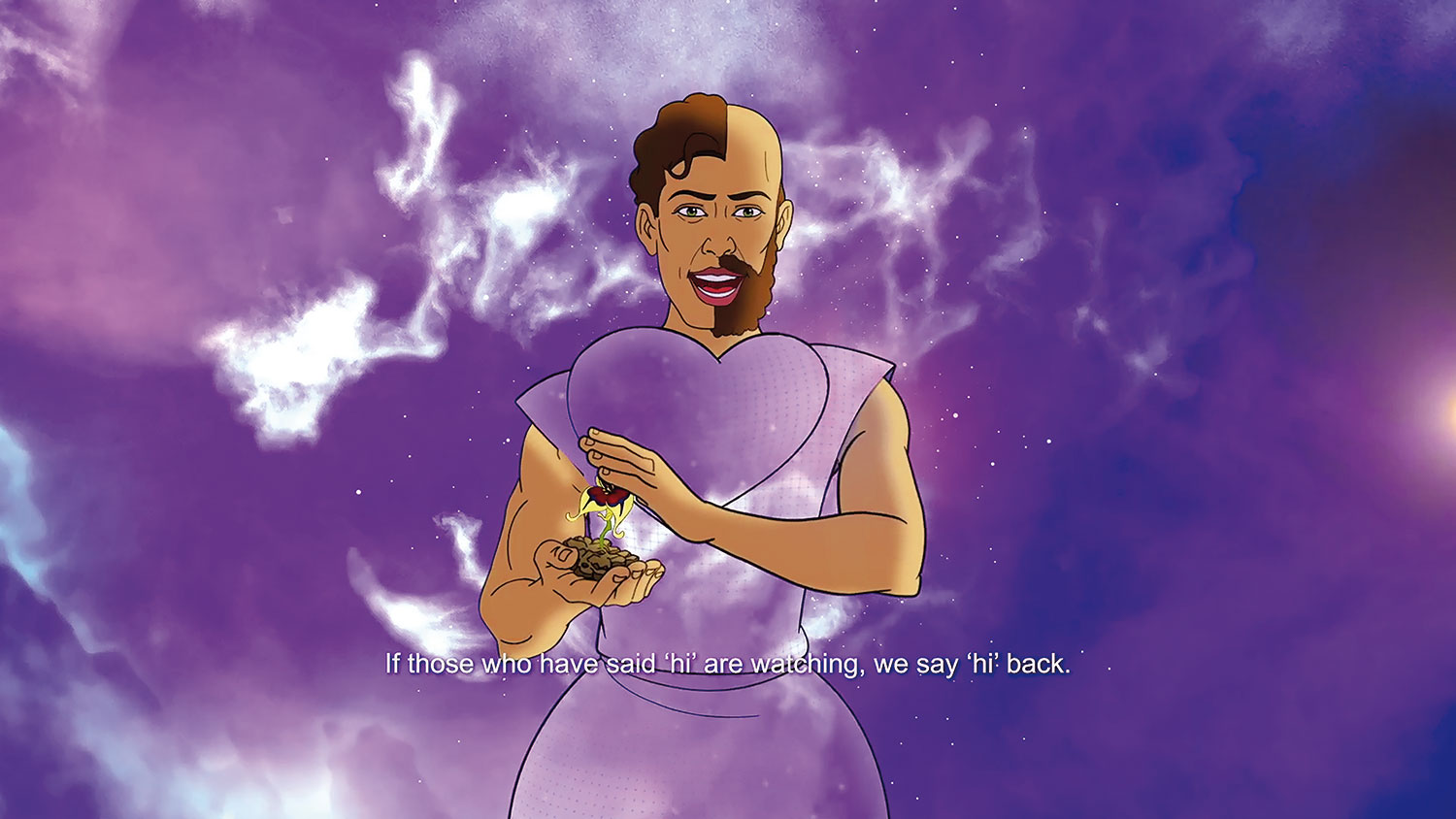
Lygia Clark

“…to write in this notebook is to reclaim ideas for myself.”1 To engage with Lygia Clark’s oeuvre is to explore…

“…to write in this notebook is to reclaim ideas for myself.”1 To engage with Lygia Clark’s oeuvre is to explore…
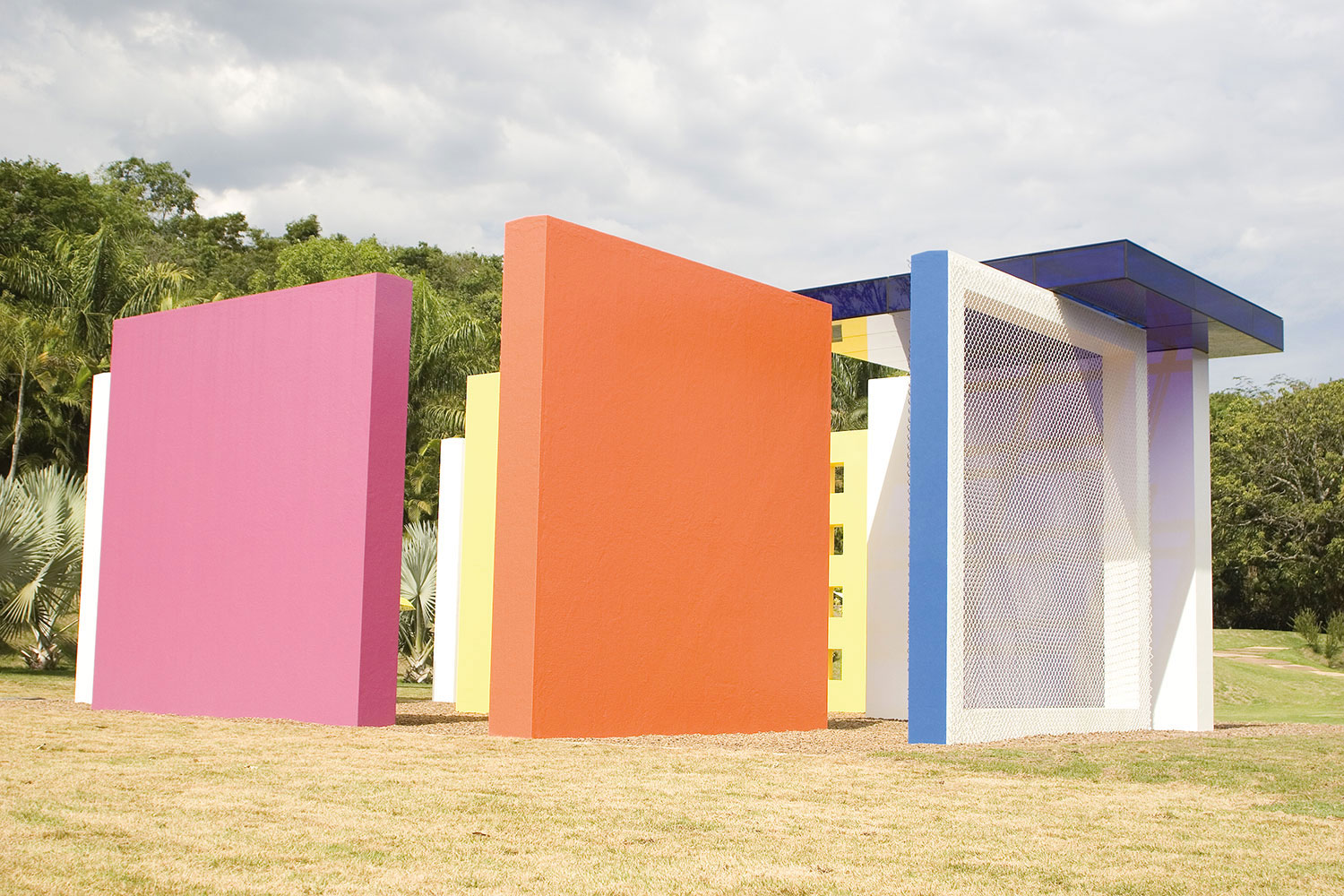
Luisa Duarte: In present-day Brazil, Inhotim is the place to see contemporary art: with works by artists like Hélio Oiticica,…
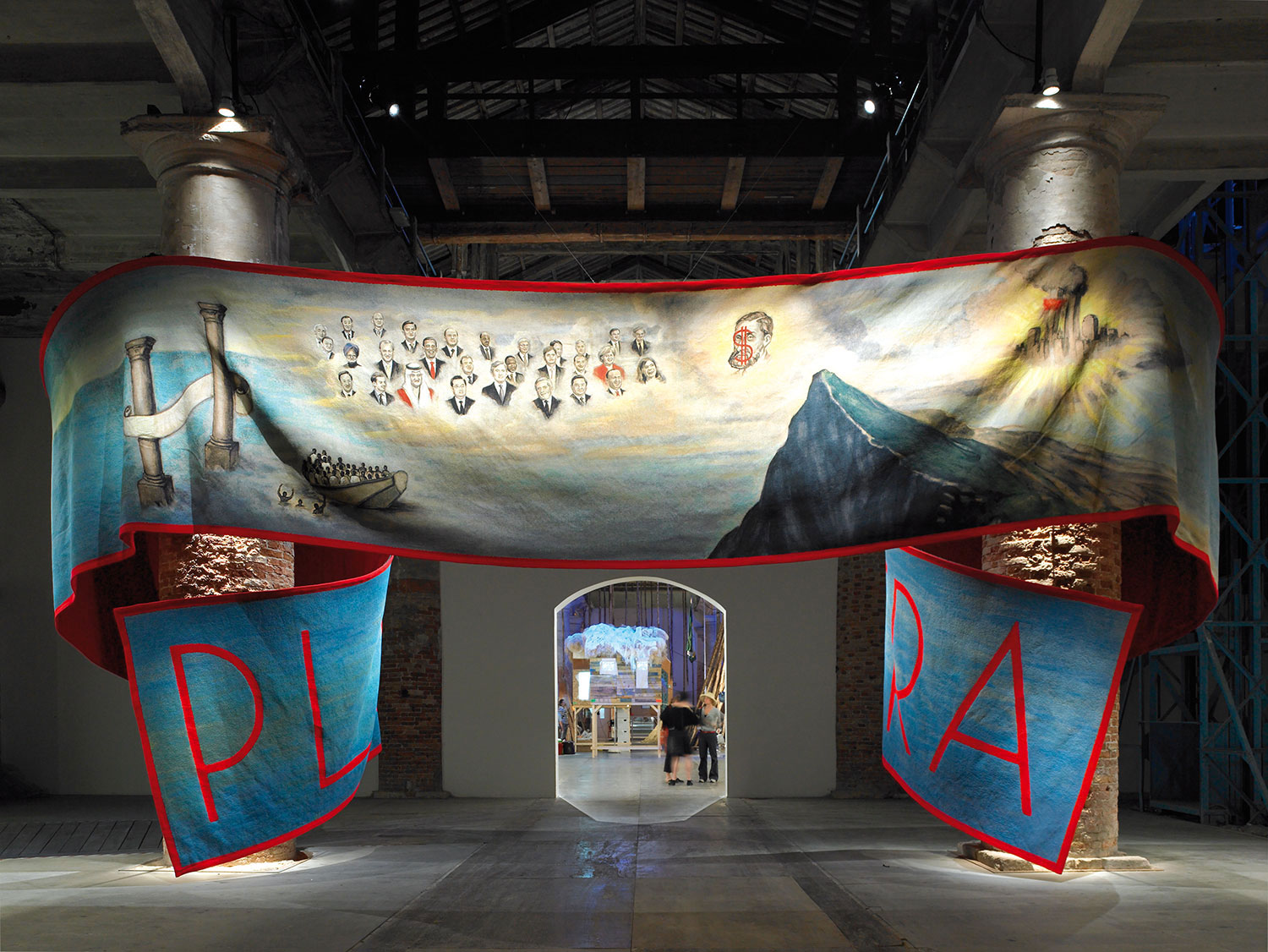
Grant Watson: In this interview I want to focus on your works from 2009 and in particular three projects that…

Donatien Grau: You became a gallerist mainly for artists. Hannah Barry: I opened the gallery out of a sense of…
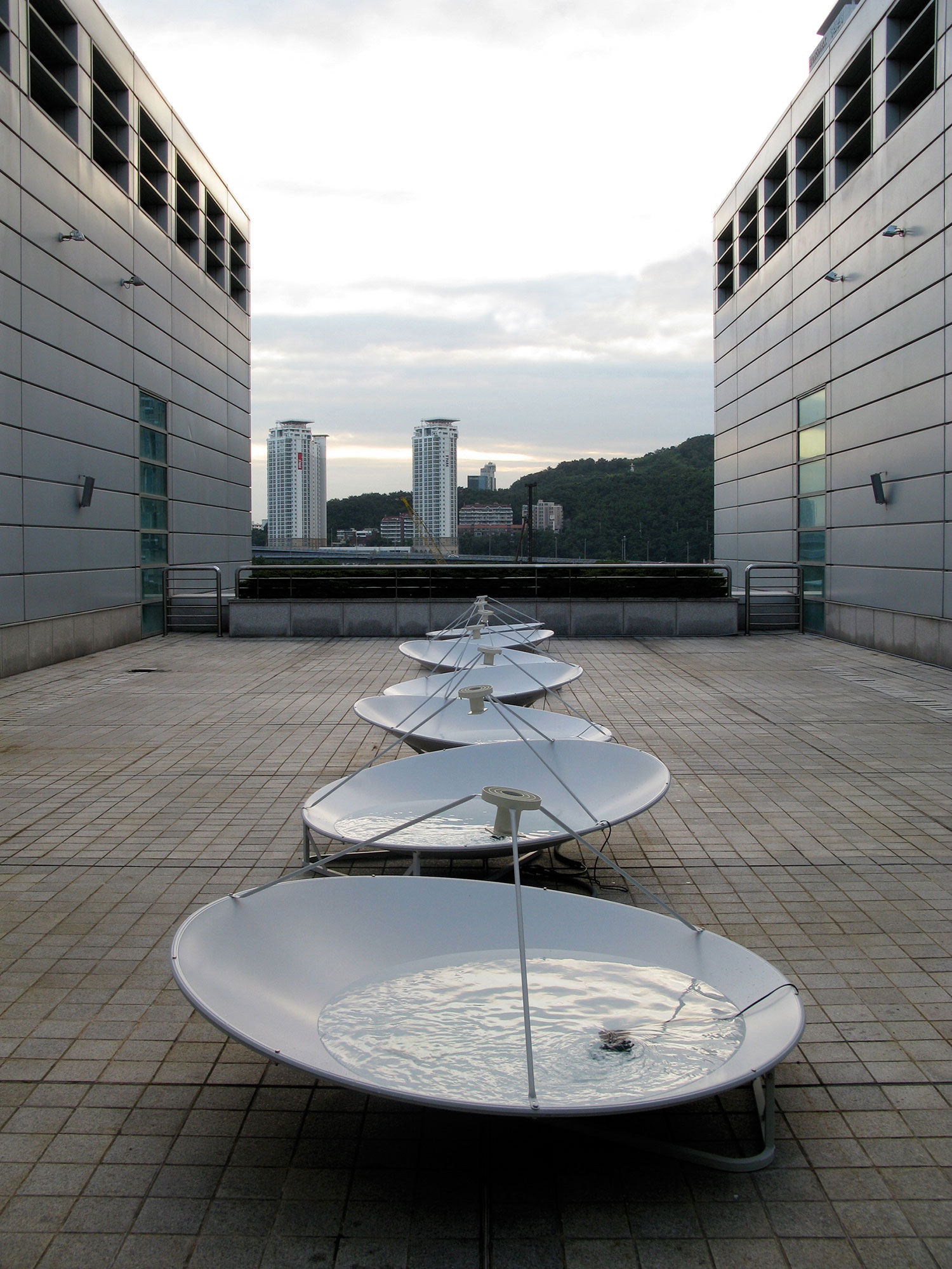
Mercedes Vicente: After two busy years in Berlin and New York you returned to New Zealand for a residency at…

There is a point in an artist’s life when she has to start thinking about leaving. It is not necessary…
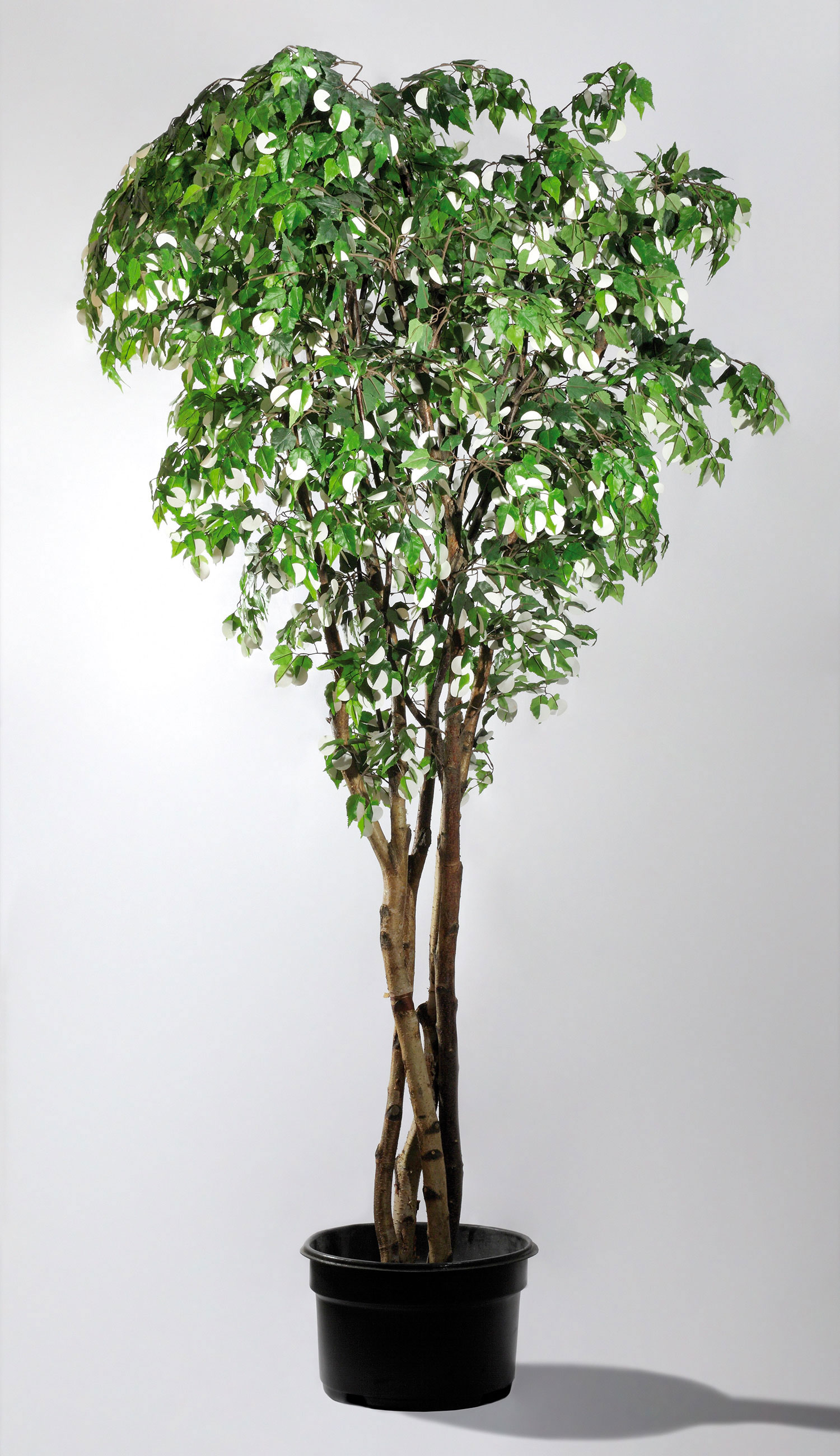
A vast colony of ants is devouring the world. They make quick work of it. Britain doesn’t stand a chance,…
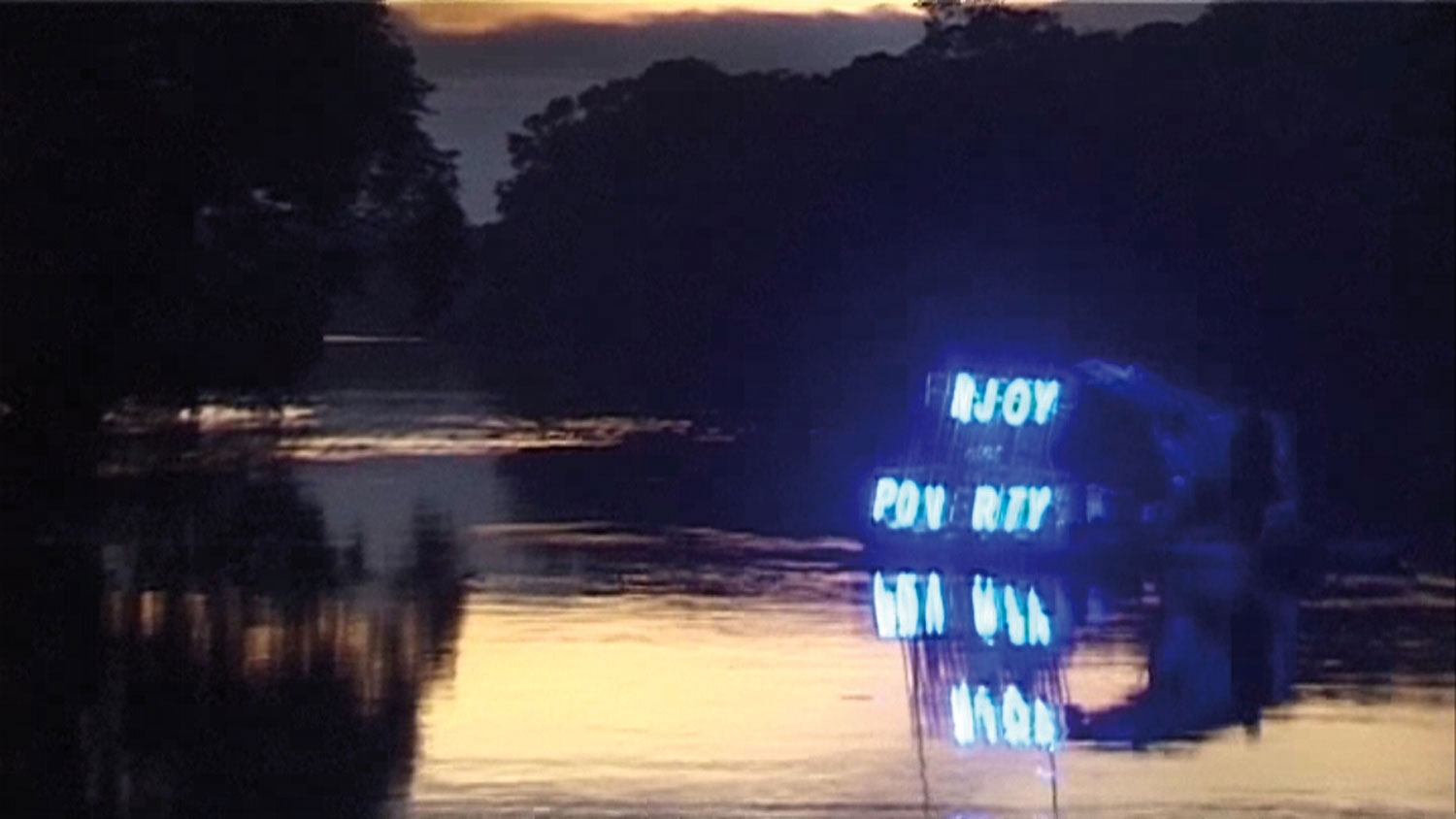
For two years Dutch filmmaker Renzo Martens traveled through the war zones and swamps of the African Republic of Congo.…
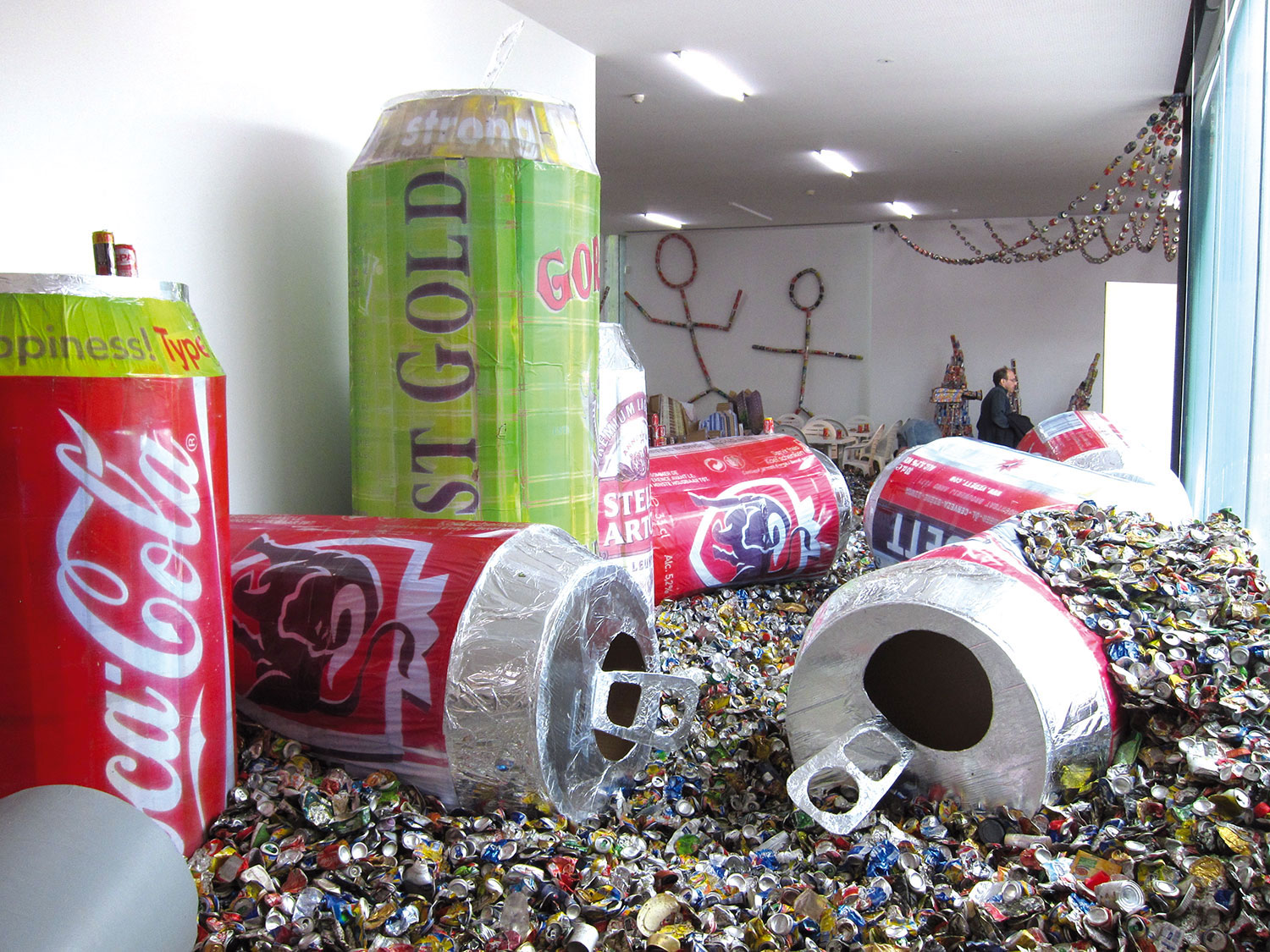
With his overloaded sculptural environments and uncompromising political sentiments, Thomas Hirschhorn has become one of the more influential artists internationally…
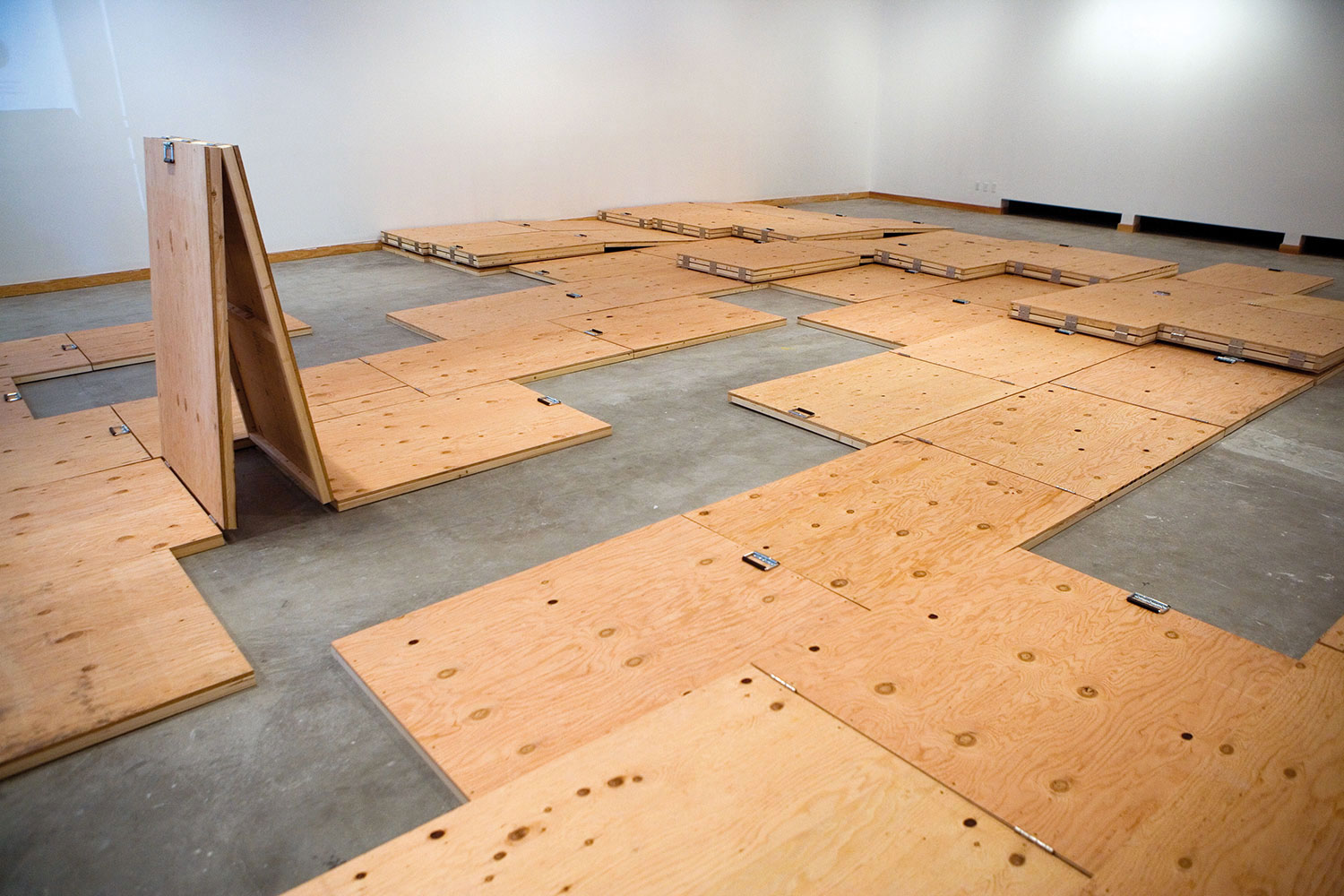
At Flash Art’s invitation, Renata Lucas, Ivo Mesquita and Adriano Pedrosa met to discuss art in Brazil. This informal conversation…
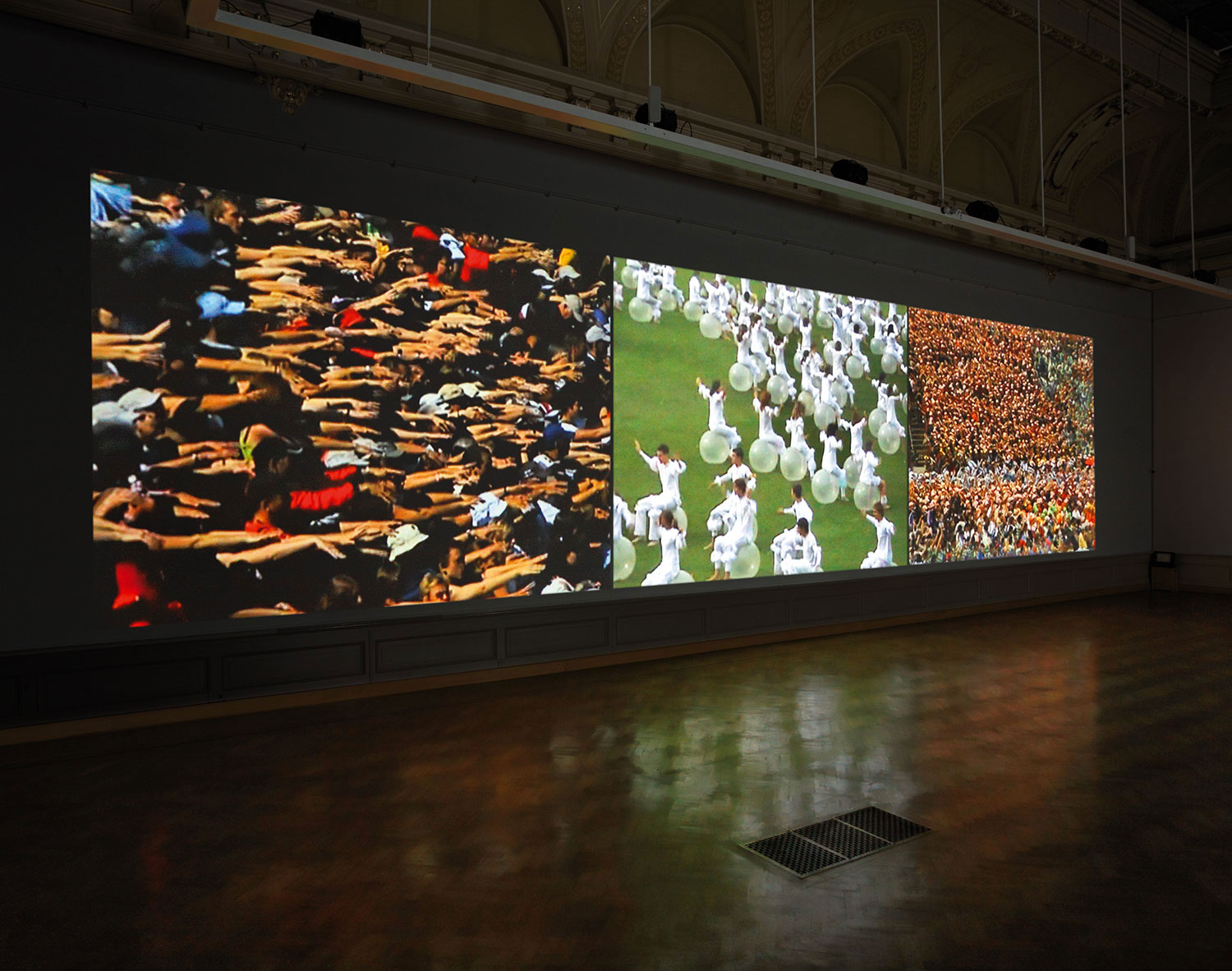
“Loop Line,” Anne-Julie Raccoursier’s exhibit at the Kunsthaus Langenthal, starts with a series of soap bubbles that lead to a…
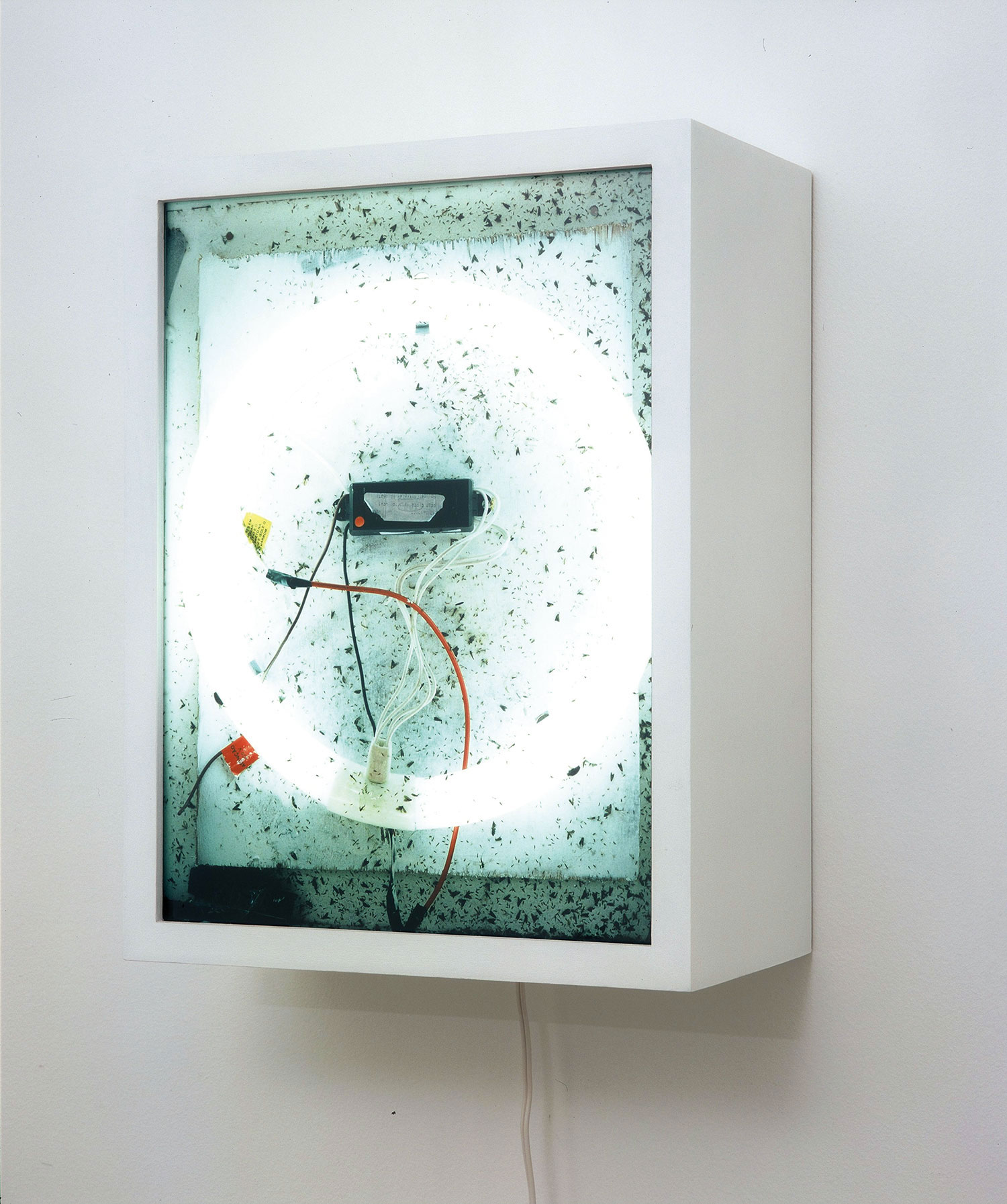
Fernanda d’Agostino: Geometry, visual perception, geographic space, economics and sound propagation are some of the subjects of your work. Where…
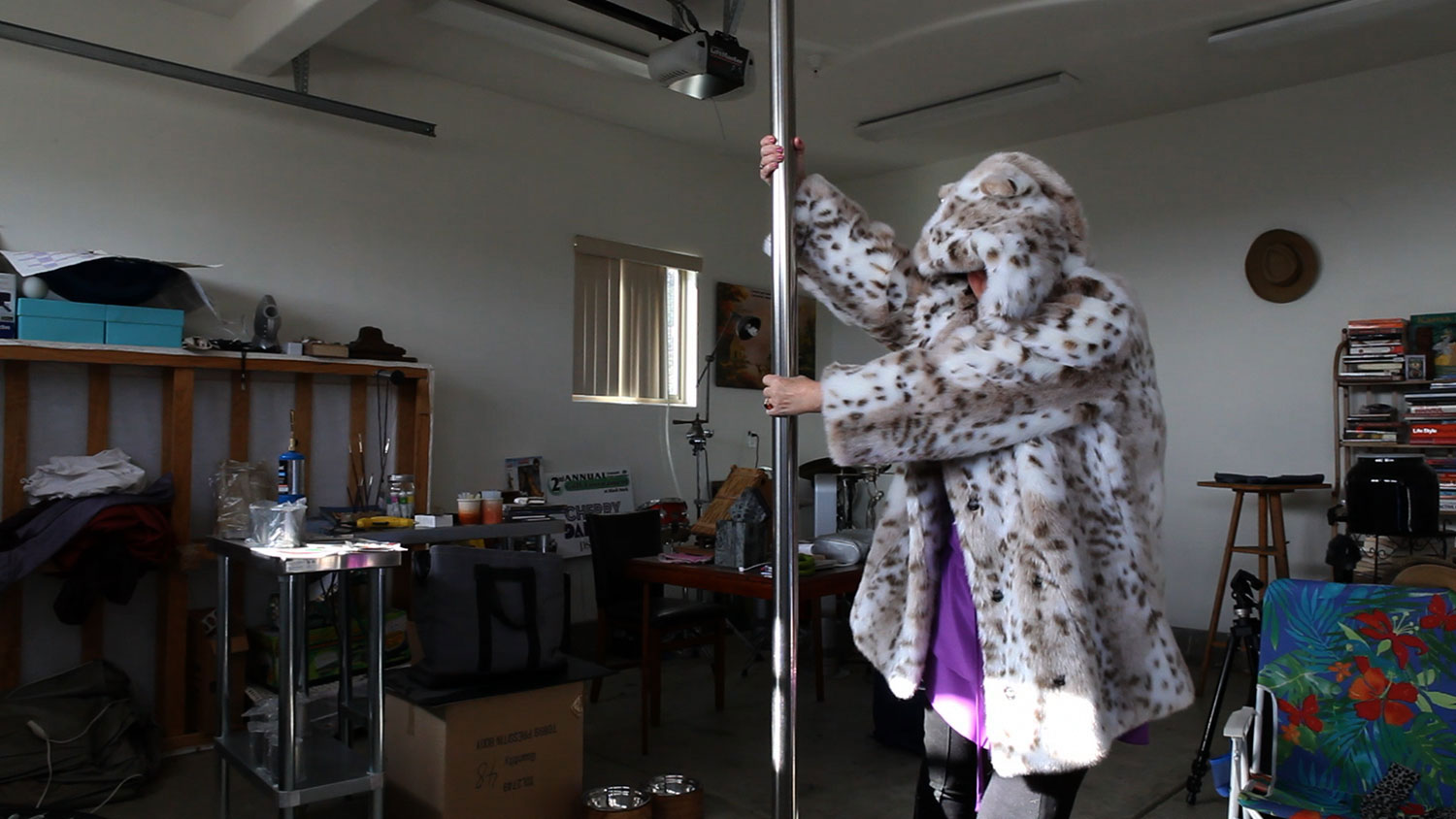
“I don’t have any time machine, but I have an archive.” The words are spoken by Lydia van Vogt in…

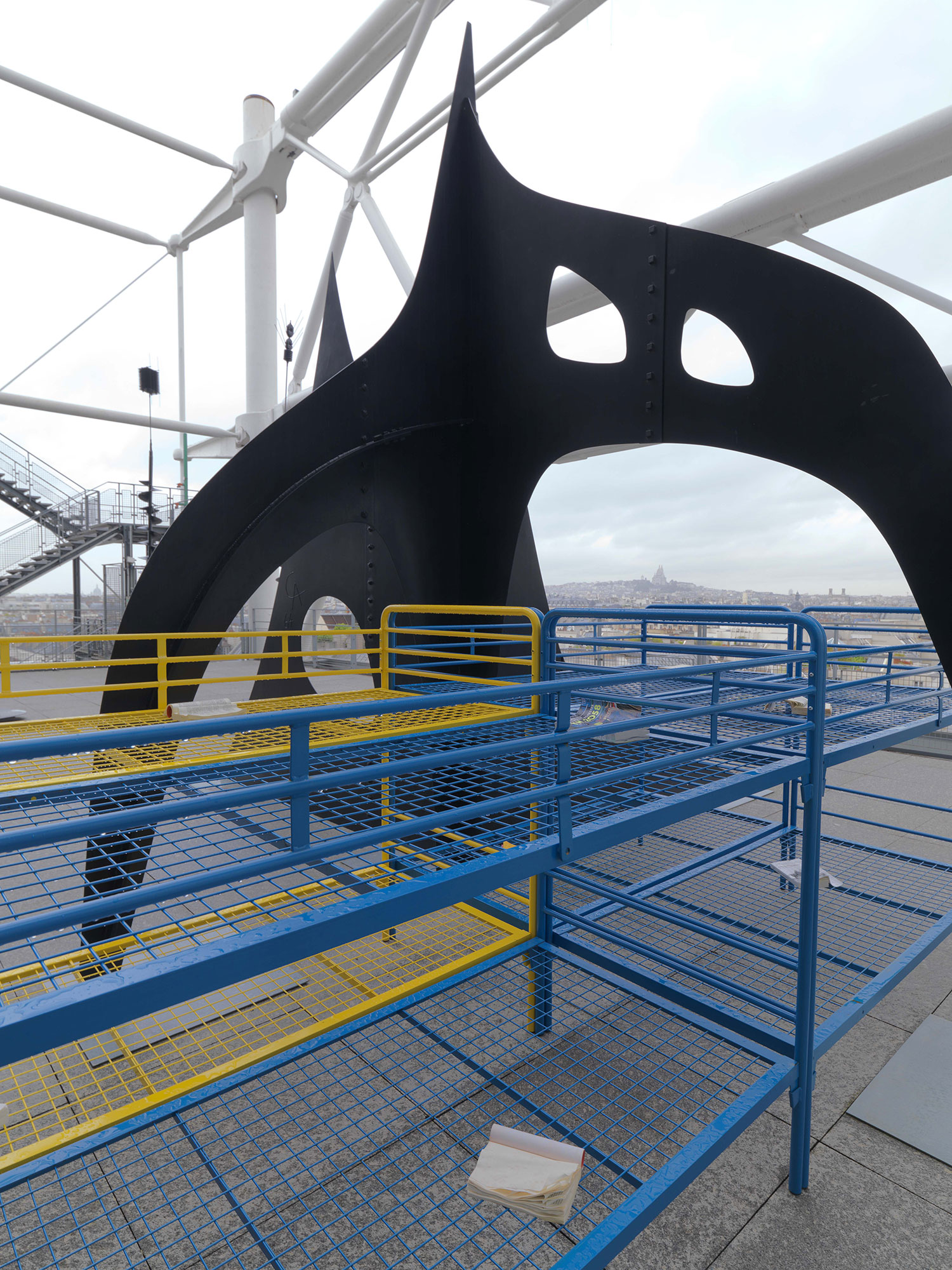
From Flash Art International no. 251 November–December 2006 Hans Ulrich Obrist: In a previous conversation, we spoke about moving into…