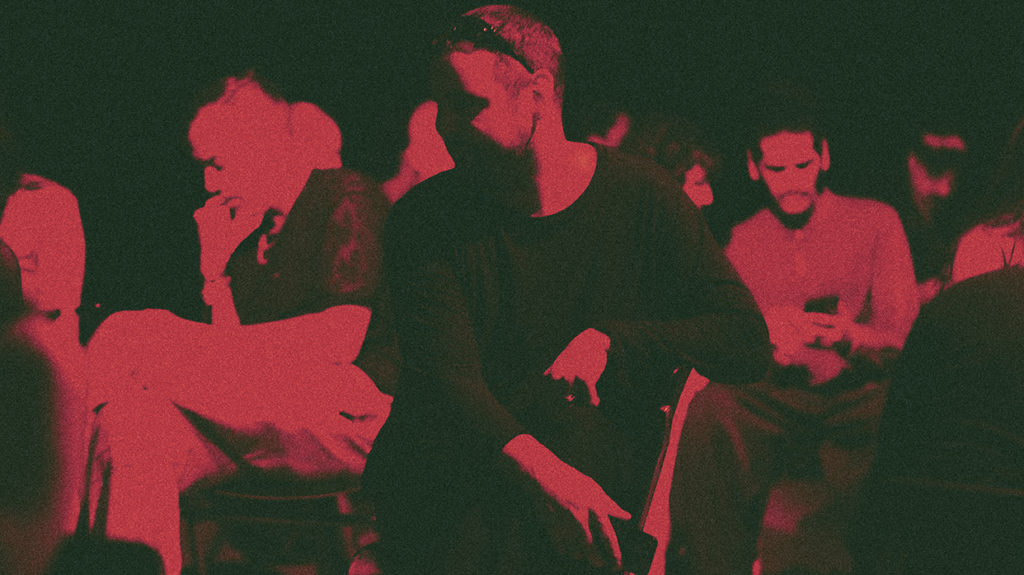
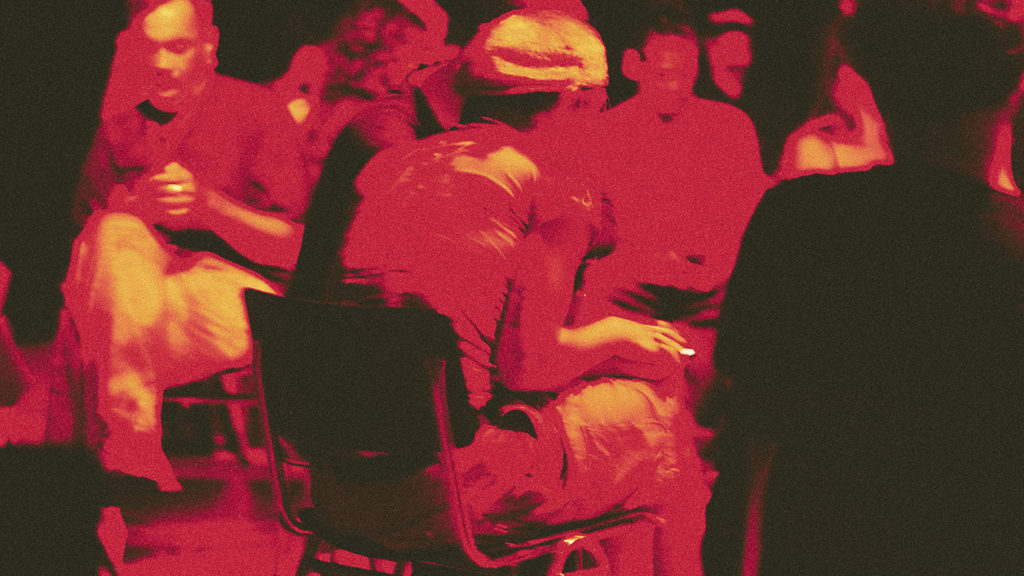
A warning precedes A Sexual History of the Internet (2025). Under red light, audience members unlock their phones, connect to the internet, activate do not disturb, and begin reading assigned passages aloud. Presented by Our Legacy in the basement of Dover Street Market Paris during a heatwave at Paris Fashion Week, Mindy Seu’s latest project unfolds as part lecture-performance, part artist’s book, part institutional without ever settling into one form. The audience does not simply encounter the work; they activate it in real time.
For Seu, research is not a preparatory stage but the very material of the work itself. Moving across digital archives, publishing, performance, and pedagogy, her practice examines the systems that determine how knowledge circulates – and who gets to remain visibile within them. A Sexual History of the Internet extends this investigation by treating the internets a historical object:, not an immaterial space of connection, but as a network shaped by bodies, economies, desires, and systems of control and extraction.
The project continues questions first explored in Cyberfeminism Index (2023), though from a narrowly focused historical angle. Where the earlier work mapped feminist engagements with digital technologies across decades and geographies, A Sexual History of the Internet zeroes in on the entanglement of sexuality and network infrastructures. Seu traces how erotic cultures, censorship regimes, surveillance systems, and technological developments have evolved together, revealing sexuality not as a peripheral layer of the internet but as one of its structuring forces from the outset.
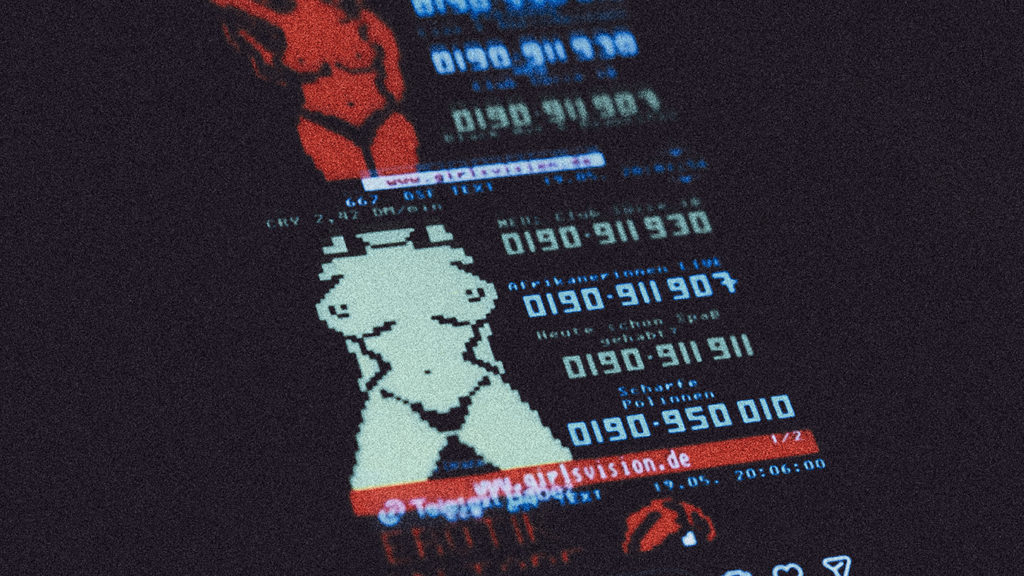
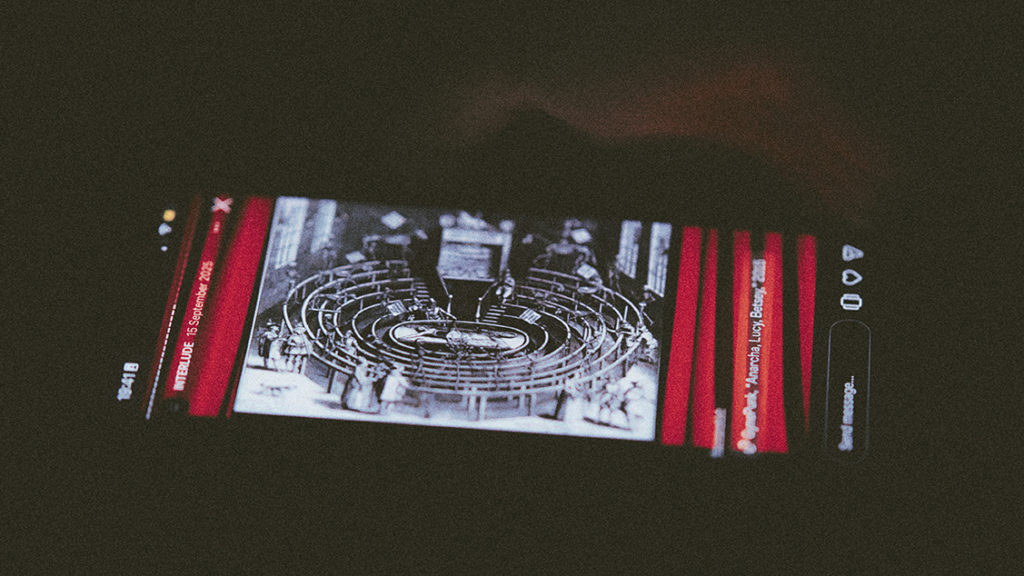
Materializing as a 700-page publication and a participatory lecture-performance, the work refuses the separation between book and event, archive and encounter. The publication gathers contributions from forty-five writers, artists, and researchers whose texts become the script of the live performance. Yet these voices are not positioned as references supporting Seu’s argument; they form the very scaffolding of the project itself. Citation becomes both method and subject, a way of exposing the collective labour behind cultural production while questioning the structures that often conceal it.
This attention to attribution is central to Seu’s practice. Citation here is not treated as a neutral academic gesture but as a social and economic relation. By foregrounding contributors and developing a model that compensates intellectual labour, A Sexual History of the Internet examines how ideas circulate through institutions, publications, and networks, and what obligations arise from that circulation.
Participation is integral to the structure of the work. Audience members navigate the performance through their own devices, reading fragments of the text aloud as the lecture unfolds across the room. The authority of the singular speaker is replaced by a distributed voice: authorship moves between Seu, her collaborators, the published contributors, and the audience itself. Reading becomes a collective performance, turning citation into a physical, shared act rather than a purely textual.

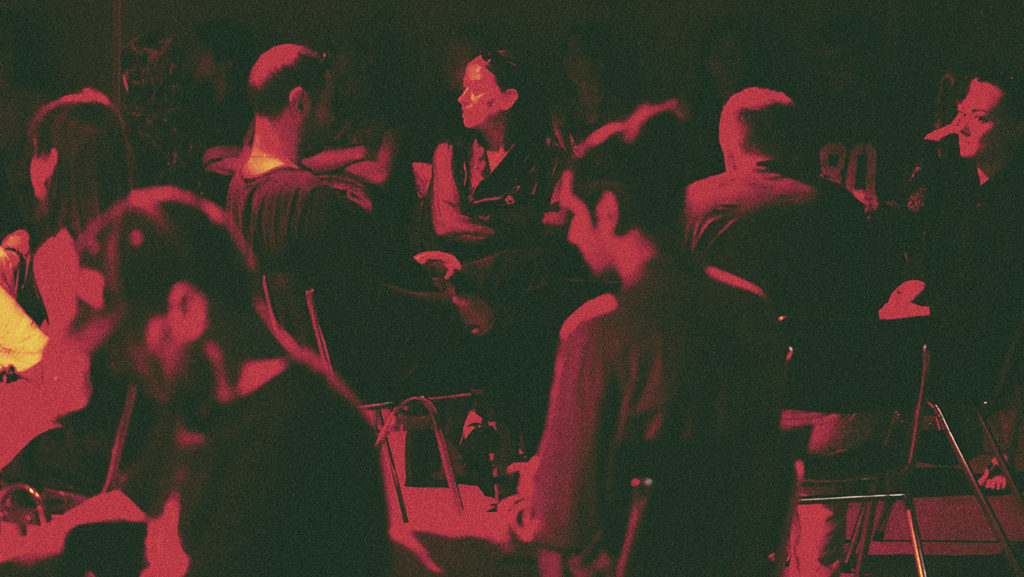
That the project appears within a fashion context is significant. The collaboration with Our Legacy does not simply place contemporary art within branding frameworks, but instead creates a space where publishing, research, and performance collide. The project operates in the unstable territory between cultural production and commercial infrastructure, using that tension as part of its inquiry.
Ultimately, A Sexual History of the Internet is not only a history of digital networks but also a reflection on how histories are constructed: who gets to speak, whose labour is acknowledge, and how knowledge is assembled in the first place. Seu’s work reframes the internet not as a tool, but as an archive of human relations, exposing the desires and power structures that continue to shape the technologies through which contemporary life is organized.