As increasingly extreme weather events become the norm, many scientists have renamed climate change the climate crisis or emergency. Some even speculate that we’re living through a sixth mass extinction that may rival the one that killed off the dinosaurs.
Given this news, many artists are creating works that directly address the future of our planet, nature, and humanity. Jingchao Yang’s series of four films, ‘When Ecology Collapses’, rings the warning bell that we may not have as much time as we think.
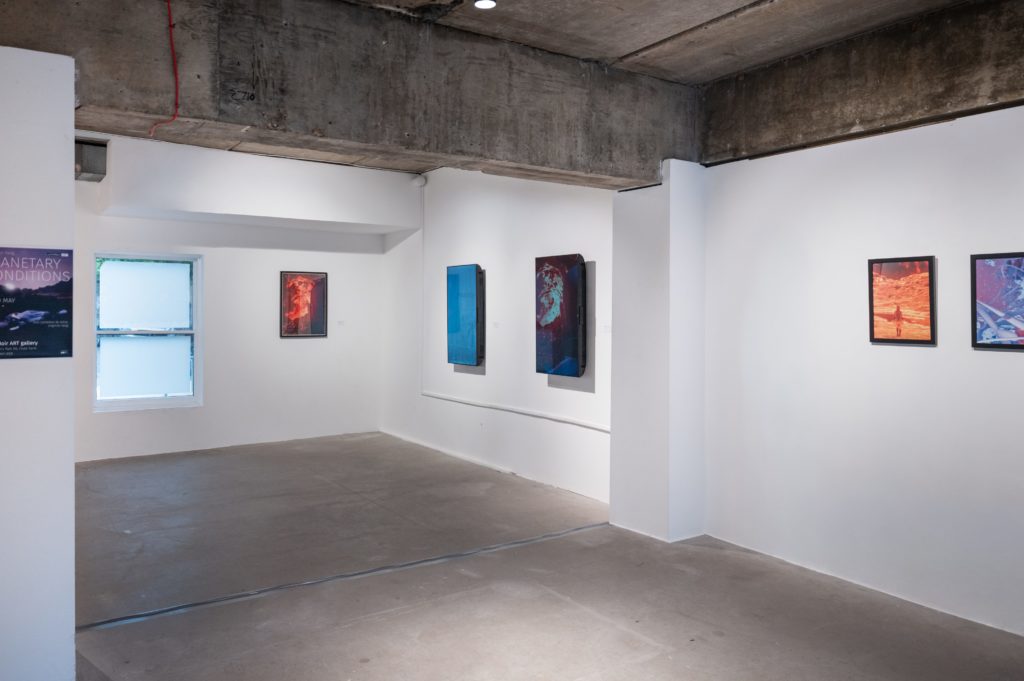
Whether it’s set beside a volcano spewing lava, within a flooded city, under a scorching sun or in a snowy forest, we’re not told what led us to this state, only that it’s a post-apocalyptic world. Whether it was due to pollution, war, disease or any other civilisation-ending moment, we’re plunged into these worlds through these films.
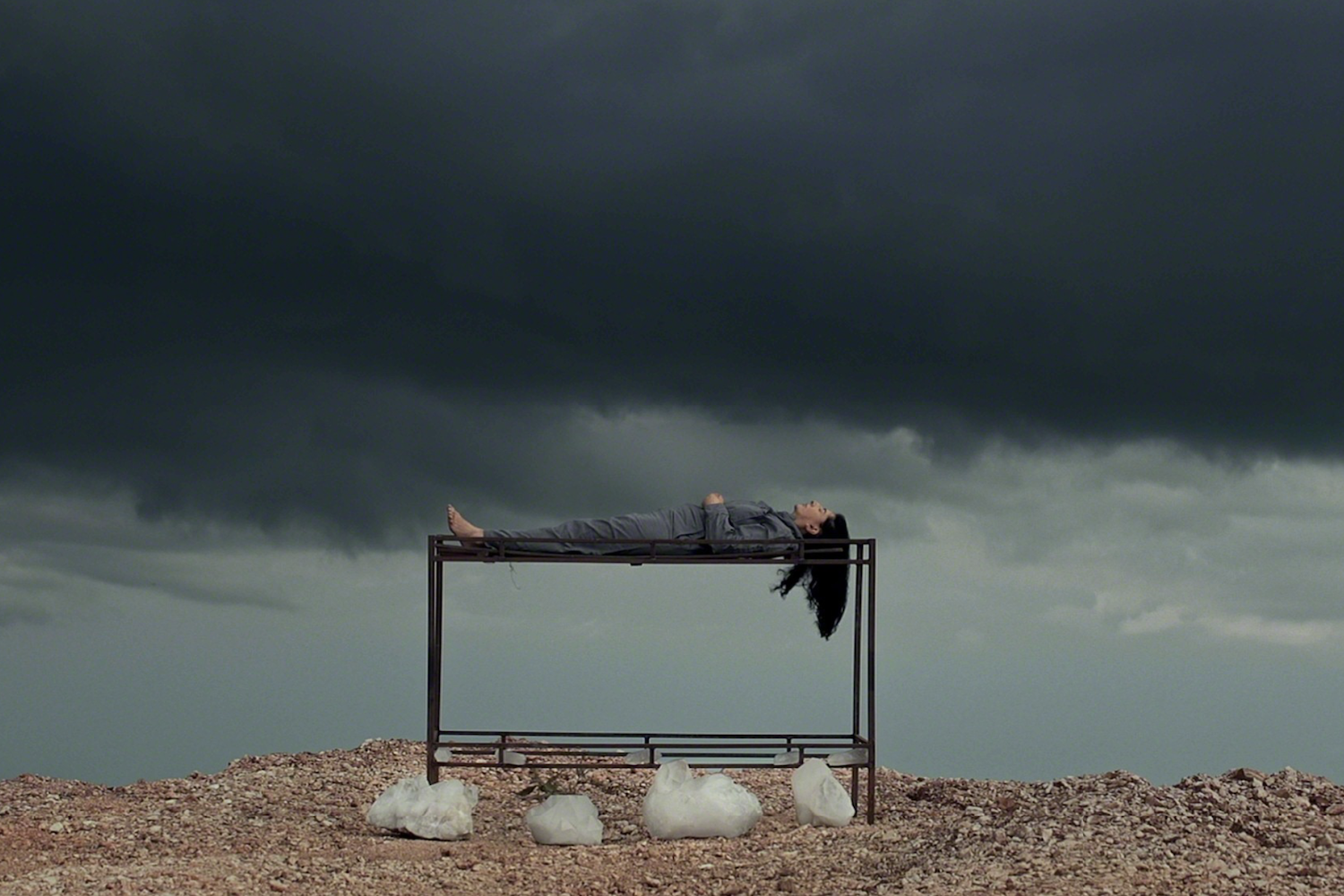
In each work, an androgynous human or alien, in what appears to be a spacesuit, wakes up to discover a destroyed world just as we encounter it. The avatar wanders the land, looking at the destruction of nature and examining it, maybe even at the cellular level, as one shot shows red blood cells floating through the bloodstream.
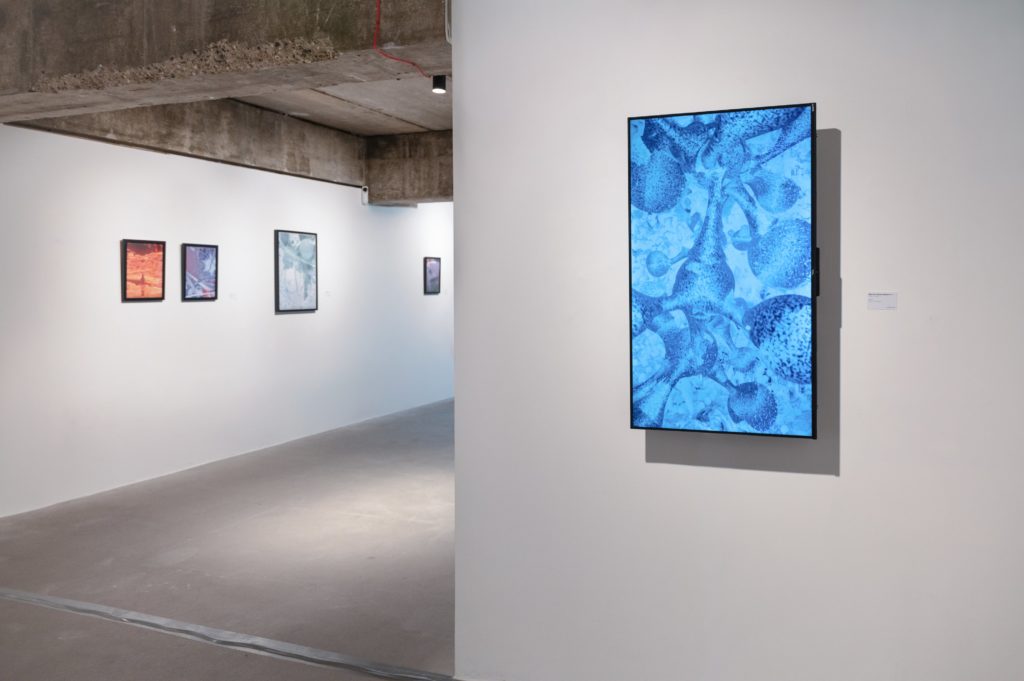
The avatar then imagines a world teeming with life, lying in flowery meadows, but is this a flashback to what once was, or a potential future if the planet is allowed to recover? After all, the destruction of the Earth by humans during what’s now known as the Anthropocene Age will wipe out many species and make the planet uninhabitable for humans, but the planet itself will live on for billions more years; it’s just that we may not be around to witness it.
We’re left to speculate about the role of the avatar. Is it to observe, to save or to remember what life once was? Scientists speculate that life may have come from the stars, a theory known as panspermia. Maybe it will take an extraterrestrial intervention to rebalance the Earth?
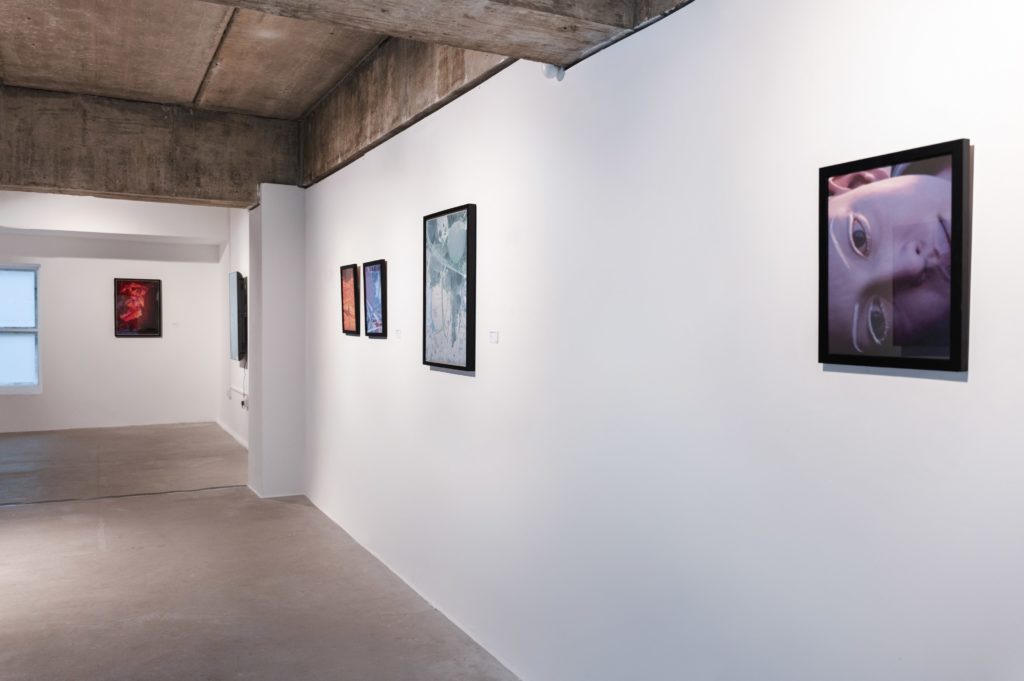
Jingchao Yang’s work joins a long list of artists who have commented on the destruction of ecology. This includes Olafur Eliasson, who brings melting glacier ice to urban centres so we can witness the melting of the ice caps first-hand, and Edward Burtynsky’s large-scale photographs that show the destruction of the land by mining and chemical companies.
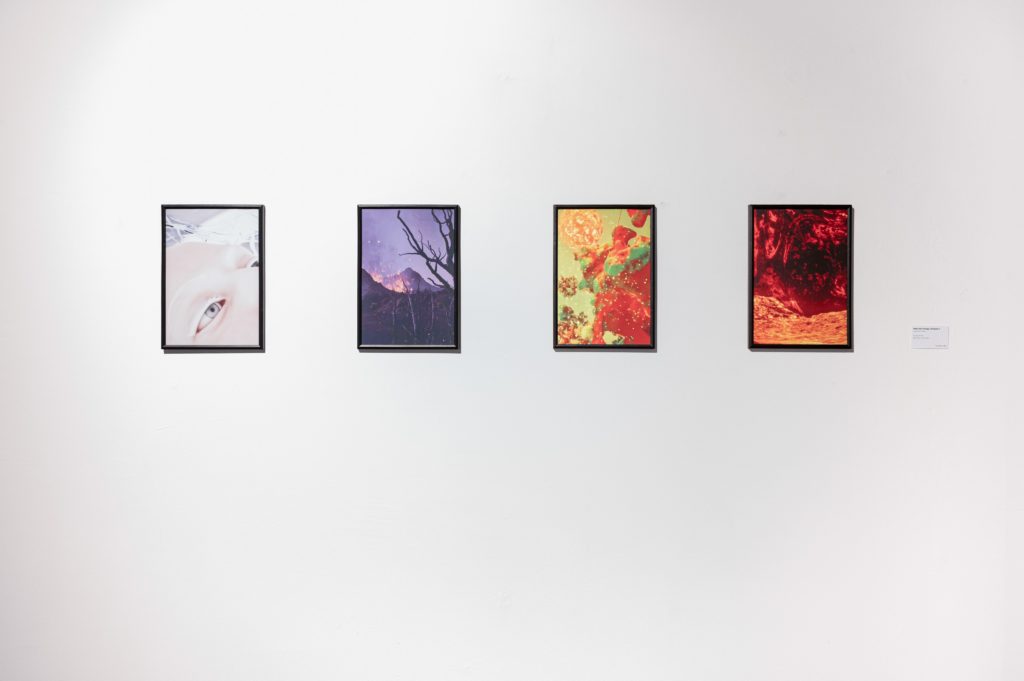
What these four films by Jingchao Yang do is raise the same issue, but in a format that will be much more familiar to a generation that grew up with video games, which allowed them to immerse themselves in different worlds. By using the same technology that is also harming the planet through the mining of rare earth minerals and the global emissions from electrical devices, the artist asks us whether these digital worlds will be all that remains once ecology collapses.
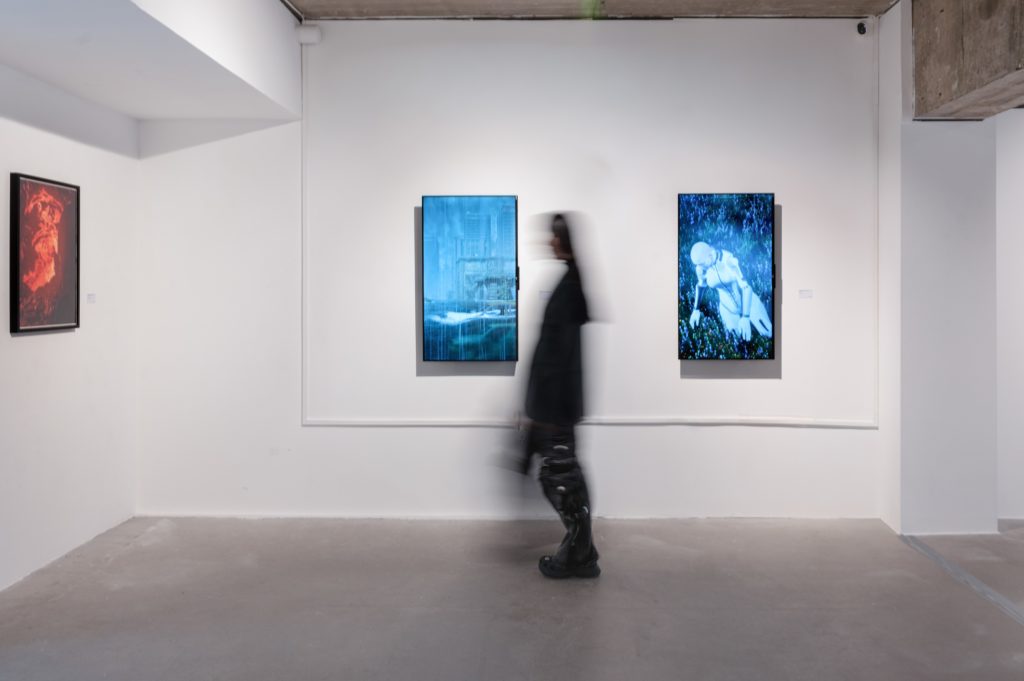
The art asks us what role we’re playing in the climate crisis and what we can do to avoid the catastrophic scenarios we see on screen. Like all thought-provoking art, it asks us to question our own thoughts and lives. If we’re alarmed by what we see in Jingchao Yang’s art, it’s because we should be.