I arrive in Lisbon during Europe’s stagnant hot season. A heat dome has settled over the continent, high pressure trapping air like a lid over boiling water. Temperatures rise, movement slows, cities harden into exhausted versions of themselves. Light becomes excessive. White façades throw heat back into the streets. Meanwhile Lisbon seems to be having its own superheated moment. Tourists move through neighborhoods faster than memory can adapt. Local commerce disappears behind identical premium cafés, boutique hotels, and short-term rentals. And yet, another current runs underneath it all. During ARCOlisboa 2026, the city feels suspended between erosion and invention. Here, contemporary art is not only for making exhibitions; it feels like an attempt to imagine forms of resistance against acceleration itself.
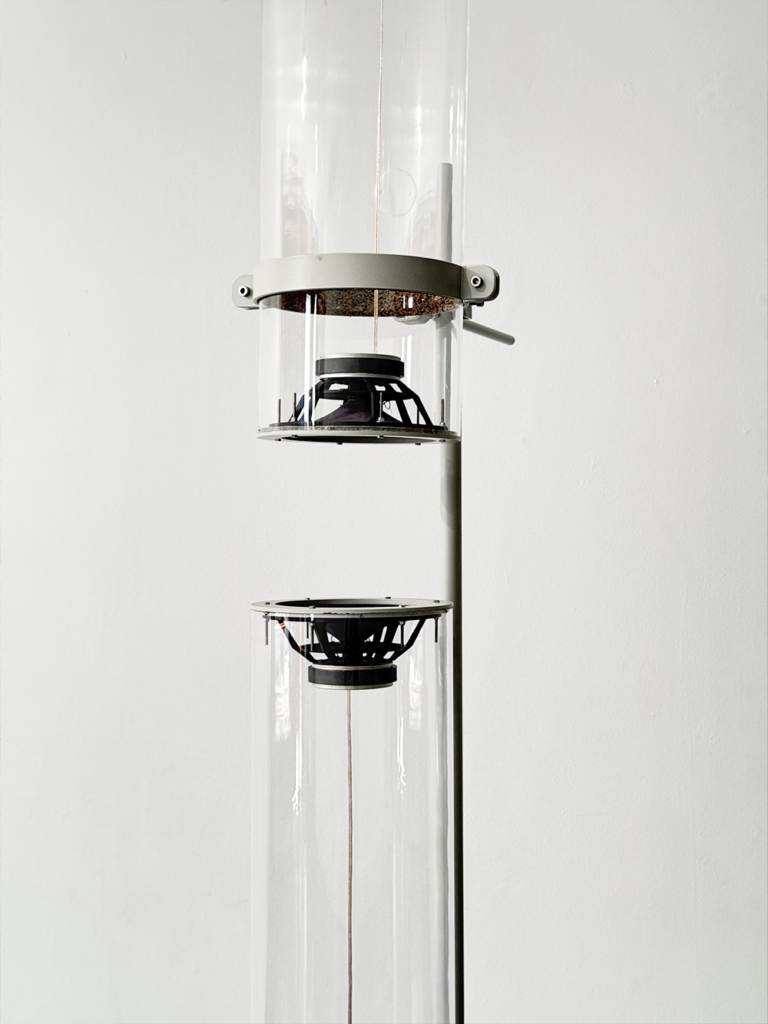
My first stop is on beautiful Rua da Boavista, to visit two spaces next door to each other. Galeria da Boavista presents “Reaching for Fata Morgana” (2026), a beautiful solo show by Inês Mendes Leal, who has constructed an immersive mirage inspired by the fata morgana, an optical phenomenon in which extreme temperature differences bend and refract light, destabilizing perception itself. Developed from research undertaken in the Atacama Desert, in Chile, the exhibition unfolds through a process that is at once scientific inquiry and personal meditation. Rather than attempting to document the desert directly, the artist translates its instability into a sonic and spatial experience that oscillates between presence and disappearance. Mendes Leal approaches the mirage not only as a meteorological phenomenon, but as a metaphor for unstable knowledge and the desire to reach what continuously recedes from view.
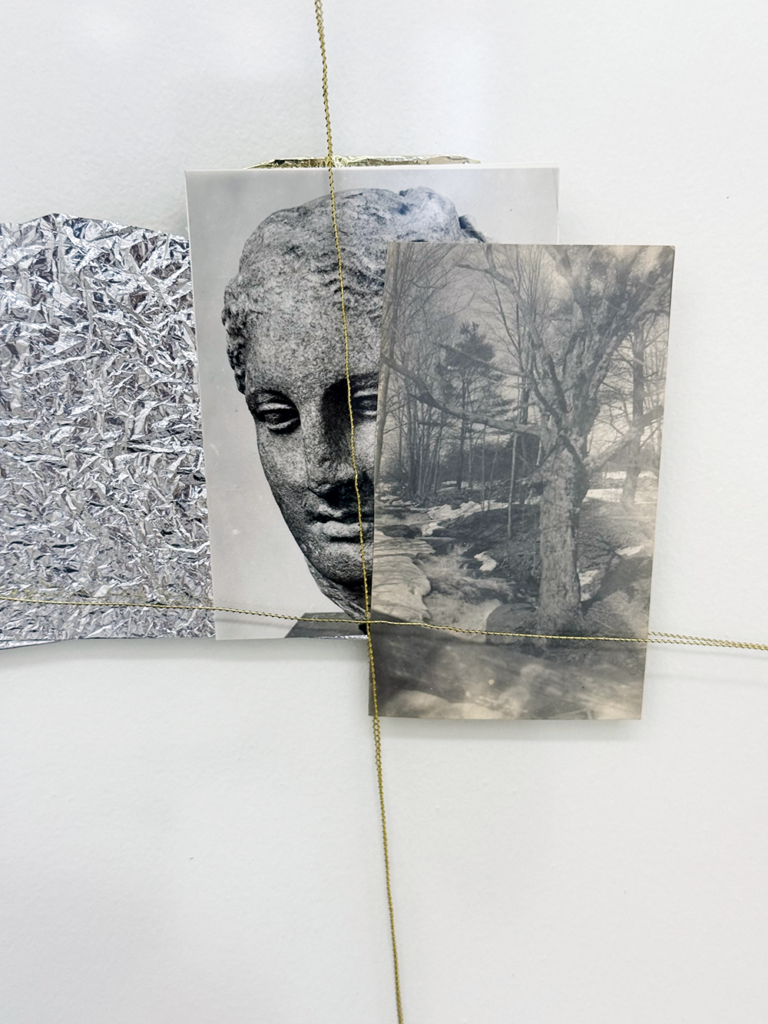
Next door, Kindred Spirit stages a quieter but equally atmospheric dialogue between Noé Sendas and Kate Albrecht Fulton. Drawing on the idea of déjà vu, Sendas duplicates the presence of his works across the gallery’s two floors, creating echoes rather than repetitions. The exhibition originates from the accidental reunion of two separate libraries in the artist’s studio, revealing a collection of twin books and the strange associations they generate. References to classical antiquity collide with imagery closer to mid-century modernism, producing works suspended between nostalgia and estrangement.
Fulton’s contribution revolves around physical absence: missing fragments, displaced objects, and altered functions. Working from personal experience and found objects encountered in Lisbon and Berlin, the artist creates forms that hover between the enigmatic and the obsolete. Together, the two artists establish a conversation shaped by erasure, memory, and instability, though at times the insistence on illegibility risks becoming too self-conscious, aestheticizing ambiguity rather than allowing it to remain genuinely unresolved.
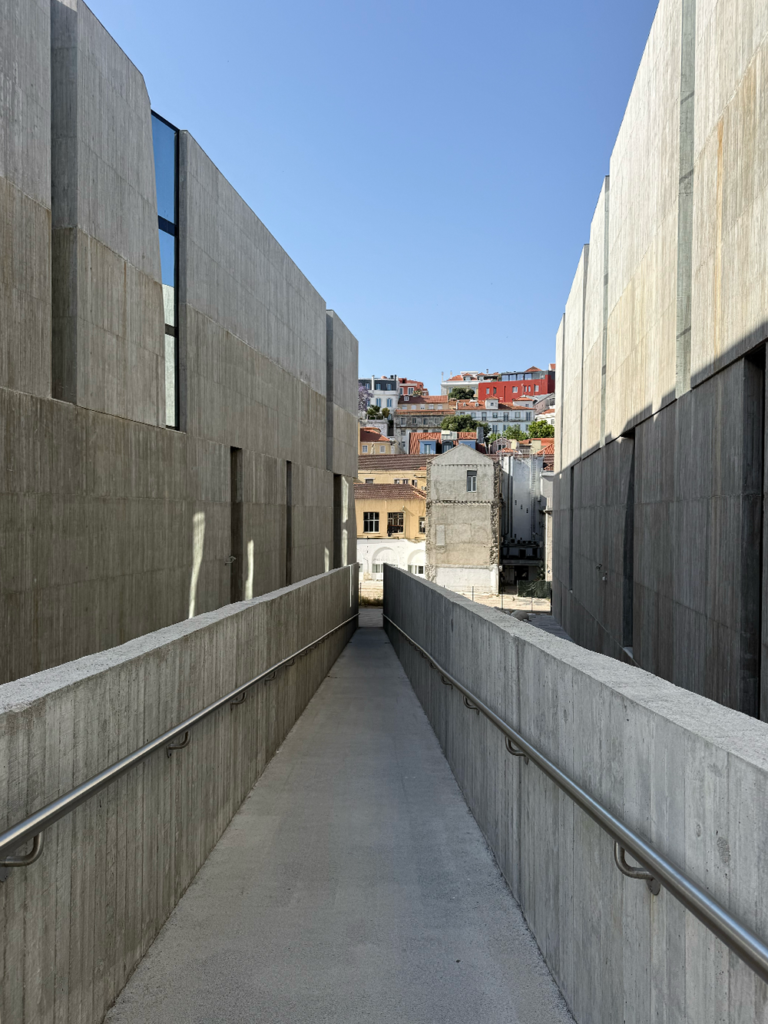
Across from the former EDP headquarters, Alejandro Aravena’s building maintains an uneasy but productive relationship with the riverfront around it. Its exposed concrete structure and elongated horizontal bars make it seem more like infrastructure than corporate architecture. From a distance, the effect is rigorous and convincing; closer up, the repetition becomes almost oppressive.
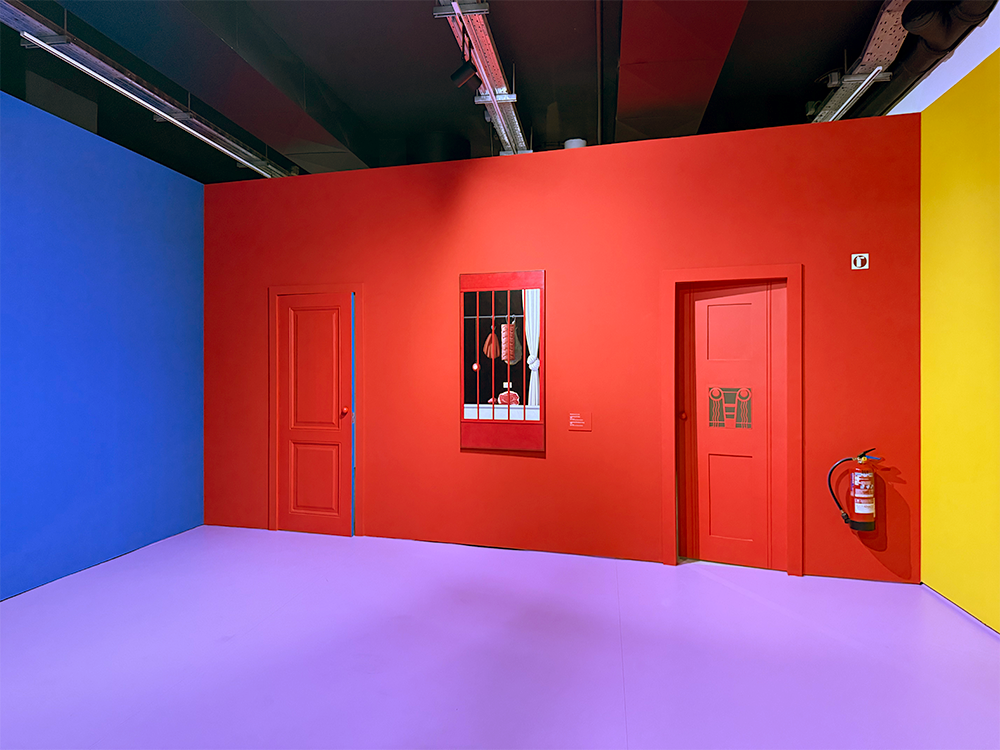
After a brief stop at the hotel, I head to Bruno Zhu’s “Belas Artes” at CAM – Centro de Arte Moderna Gulbenkian. The exhibition is a sharp, concept-driven project that treats the museum itself as the main subject rather than simply a container for artworks. Across four distinct rooms, the show unfolds like a sequence of carefully staged arguments rather than neutral gallery spaces. By reworking works from the CAM collection, Bruno Zhu exposes how display, curation, and institutional framing shape how we understand artistic and cultural value.
The precision of the installation is striking. Influenced by fashion and scenography, he builds environments in which design becomes a critical language that is tight and visually controlled, sometimes at the expense of immediate emotional impact. The result is less about aesthetic pleasure and more about awareness: you leave thinking about how museums construct authority and how taste is produced and circulated. It’s a thoughtful, slightly cerebral experience that rewards attention to structure over spectacle.
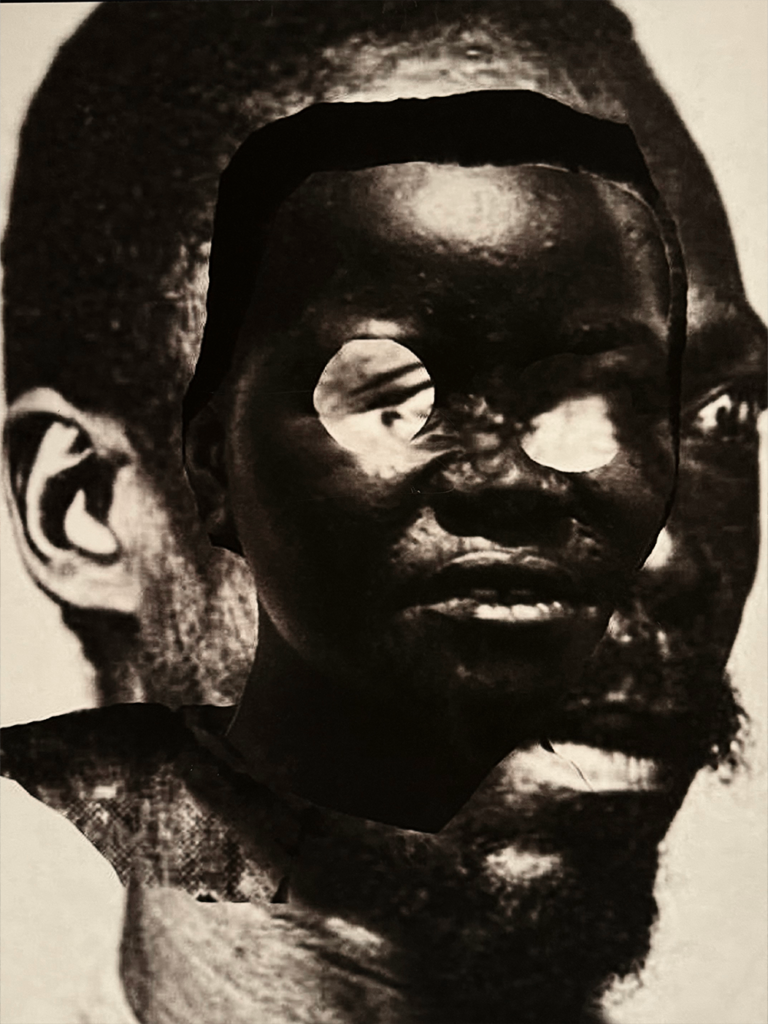
The following day, before the opening preview of Arco, there is just enough time to catch a preview of Frida Orupabo’s exhibition “Cloud of Confusion” at MAC/CCB Museu de Arte Moderna do Centro Cultural de Belém. The artist transforms the logic of the Instagram feed into a spatial and deeply physical experience. Drawing on images sourced online and recomposed through collage, Orupabo constructs works that are at once poetic and politically charged. The exhibition unfolds as a fragmented sequence of images, videos, and sculptural interventions that invite viewers to navigate histories of colonialism and Black representation through movement and association rather than linear narrative. The result is a powerful reflection on the Black visual imagination and on the possibilities of reclaiming archival images through acts of displacement and recombination.
By evening, the city’s energy shifts toward ARCOlisboa’s tenth-anniversary opening. At the center of the fair is the General Programme, bringing together sixty-one galleries selected by the Organising Committee and offering a broad overview of contemporary artistic practice. Alongside it, Opening Lisboa, curated by Sofía Lanusse and Diogo Pinto, presents sixteen galleries committed to emerging languages and experimental spaces, reinforcing the fair’s attention to new generations of artists and forms of display.
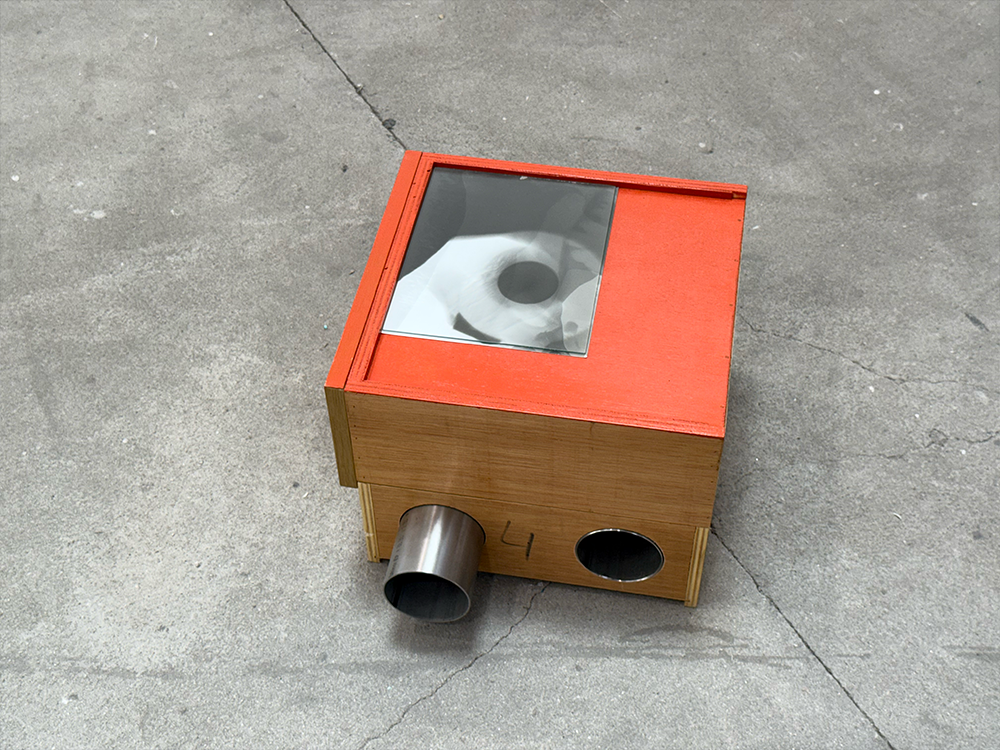
The fair itself seems to mirror the condition of the city around it: expanding, accelerating, searching for new forms while risking homogenization. Among the strongest presentations in the Solo section, Artnueve presents Christian Lagata, whose practice examines the hidden material life of industrial environments. Through sculptures and assemblages marked by traces of use, corrosion, and human intervention, Lagata reactivates objects usually dismissed as waste or residue. These materials never appear neutral; they carry the social and emotional pressure of the environments they come from.
In the same section, ATM presents Portuguese artist Susana Rocha. Her fragmented forms suggest bodies without fully depicting them, allowing absence, grief, and discomfort to become palpable presences. Her use of materials feels deeply charged, transforming physical surfaces into carriers of psychological intensity.
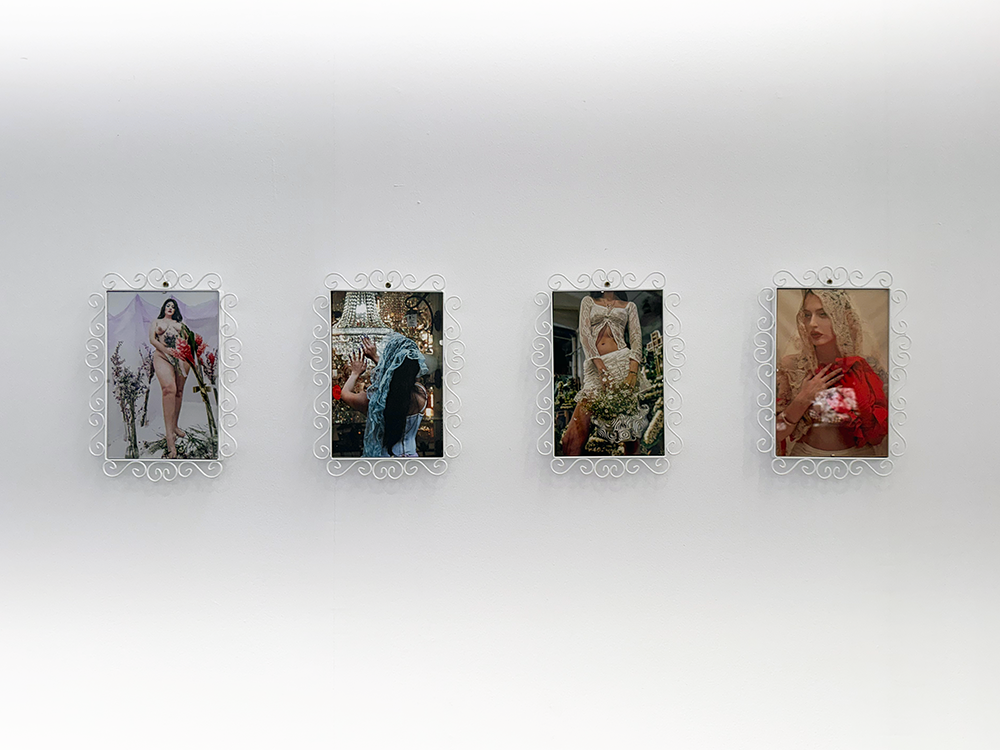
Within the Opening Section, Salón Silicón from Mexico City presents a series of photographs by Sandra Blow, recently included in “New Photography 2025, Lines of Belonging” at MoMA in New York. Blow’s images offer an intimate and unapologetic exploration of queerness, nightlife, and sexual expression. Through images that move between documentation and personal testimony, she captures communities and bodies with a striking sense of immediacy, transforming fleeting moments into lasting records of desire, vulnerability, and collective belonging.
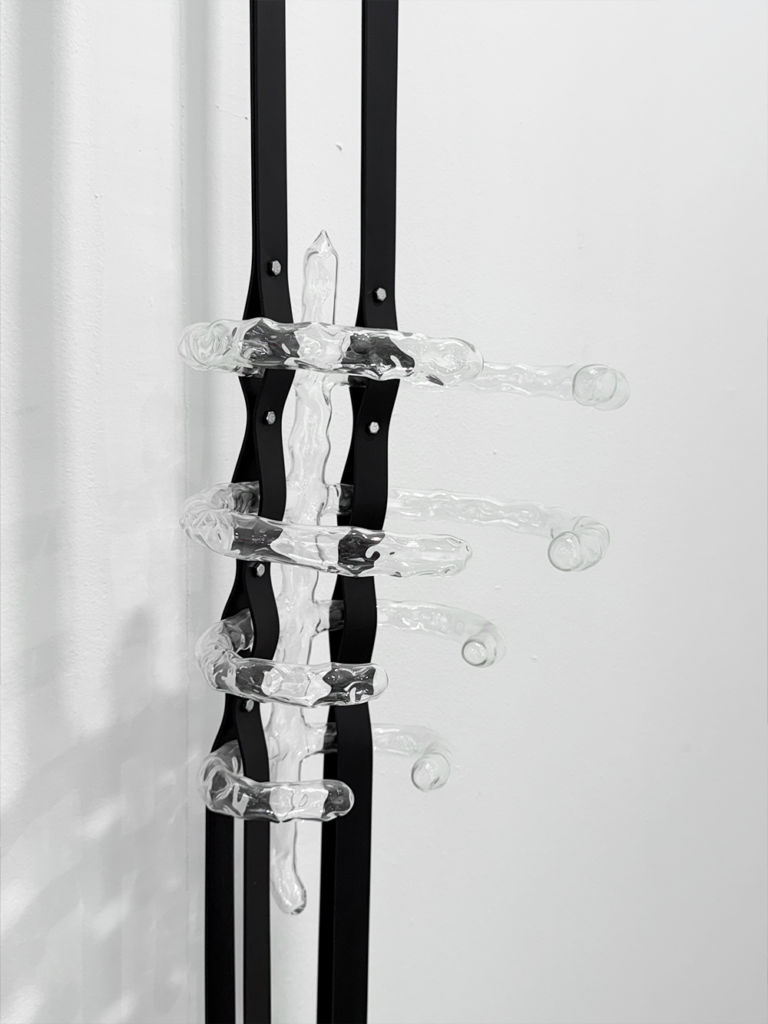
In the main section, Galería Ehrhardt Flórez from Madrid presents a series of work by Julia Spinola, whose practice is grounded in a precise and sensitive investigation of sculpture and installation. Working with fragile, often provisional materials, she constructs forms that seem to hover between making and unmaking, presence and disappearance.
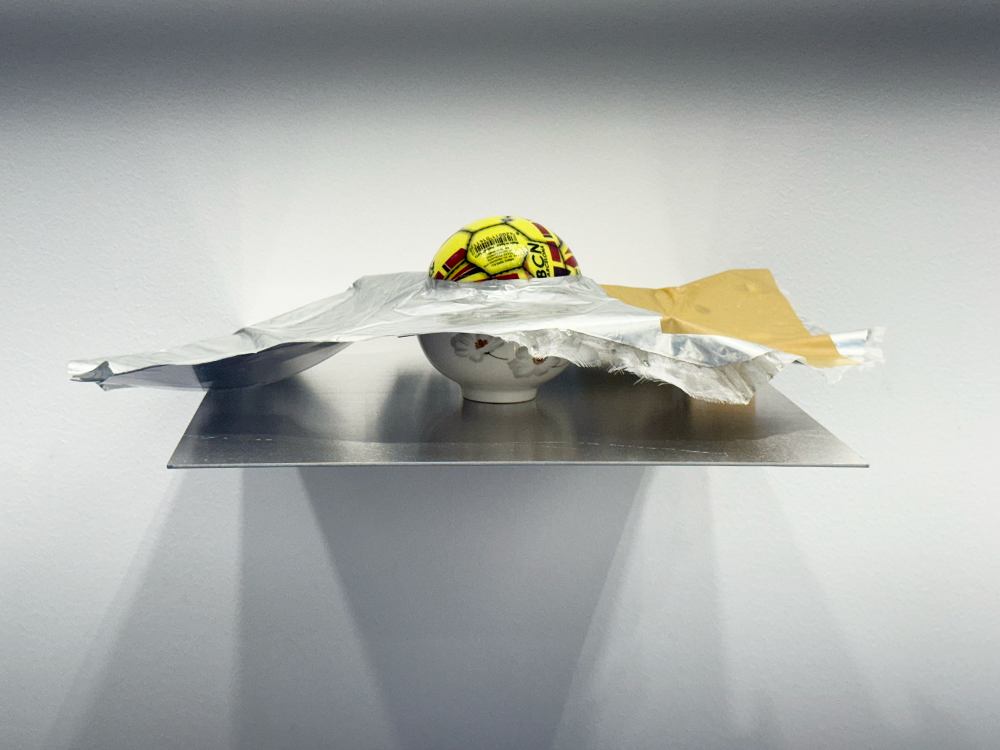
What emerges across the exhibitions and the fair is a persistent refusal of stable legibility, though the success of that refusal varies considerably. In heat-dome Lisbon, this matters because illegibility is no longer only aesthetic; it has become infrastructural. It is what happens when a city’s tempo exceeds its capacity to be read in real time. So the “resistance against acceleration” you sense in ARCOlisboa is less a program than a fragility: attempts to slow perception that are always partially overtaken by the conditions they respond to. The works do not escape the heat system.