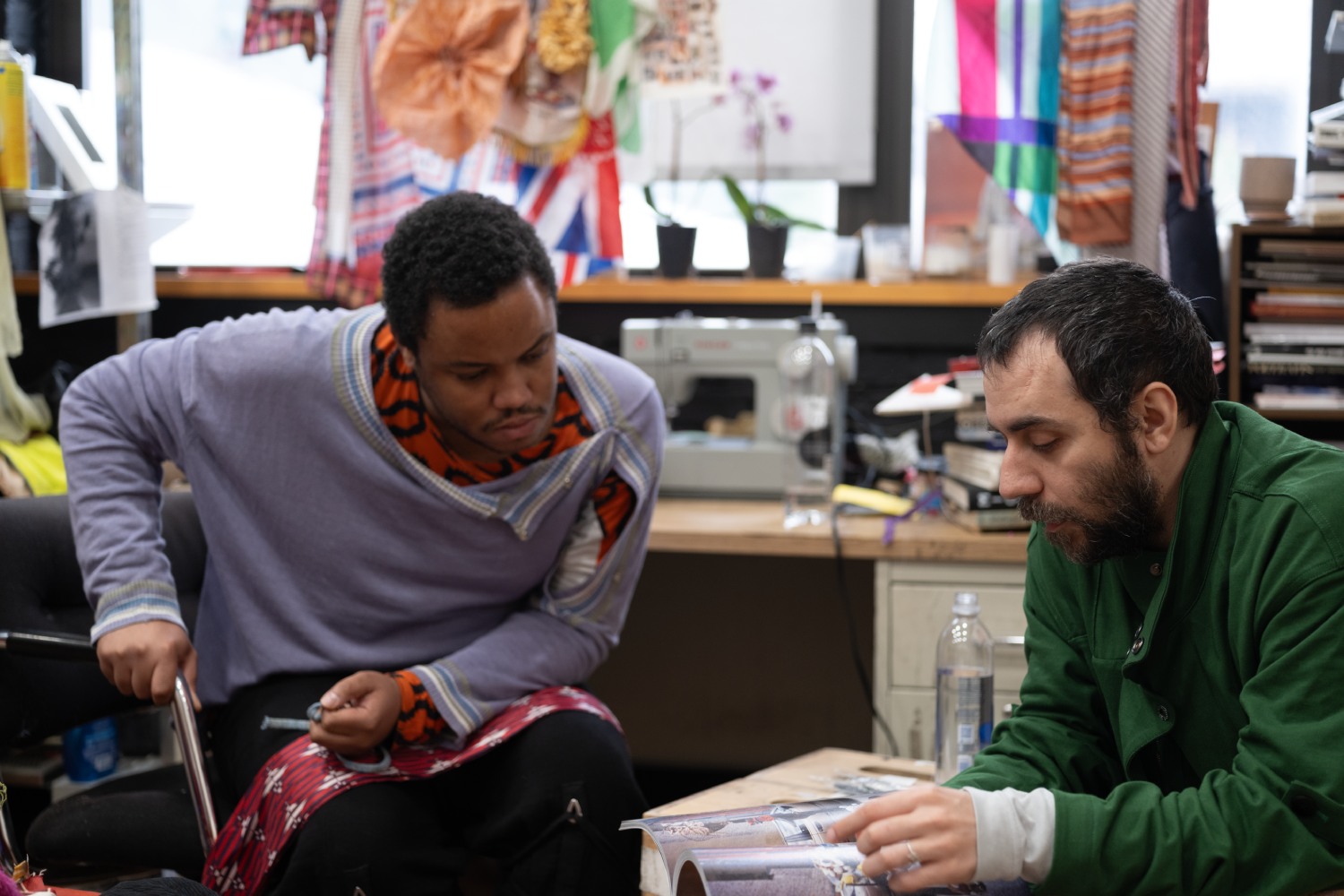
davi makes me believe I no longer know how to write. When I read his recent writings[1] and talked to him, he placed before me words arranged on a copper platter — so glinting, so scorched with meaning — that I could not recognize a single one, not even those I thought were mine. Each was glossed in a new mystery, polished for hours like a stone tamed by the river’s restless tongue. Zanzar, remolho, singrar, azedume (to wander, to re-soak, to navigate through water, sourness): I was spellbound — and how fitting that in English one “spells” a word, weaving it into a spell. davi’s language enchanted me to the point that I forgot I’d ever known those words. He smeared clay upon my eyes, and I let myself be carried off by the whirlpools, as if the river itself were conjugating me. The words’ intricacy, the hiss between the teeth, the silence hoarded in the roof of the mouth — the tongue as lure, as oar, as weapon.
[1] davi de jesus do nascimento, ALUVIÃO (São Paulo: Fósforo, 2025)
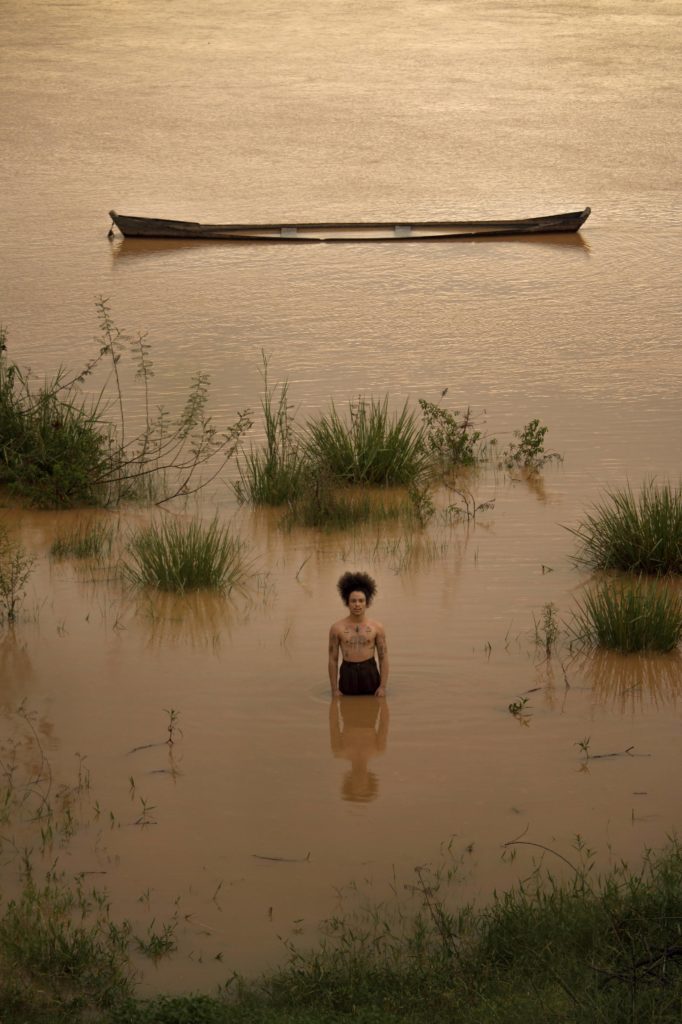
Later, with my sight clearing and letters reemerging under my fingertips, davi told me his mother had been a librarian. She introduced him to Guimarães Rosa and Hilda Hilst, titans of the Brazilian verb. She tended the library of the school he attended as a boy. And she drowned in the São Francisco River twelve years ago.
That river is a sort of miracle made liquid: it carries water to Brazil’s dry heartlands, the country’s largest river contained wholly within its borders. Its navigable stretch begins in Pirapora, Minas Gerais — the town where davi was born and still lives — dissolving into the Atlantic Ocean, where the states of Alagoas and Sergipe meet. He says he was born an alevim, a fingerling, in 1997, raised among carrancas, those carved guardians at the prows of boats that slit the river’s skin at the level of a child’s eyes. Pirapora appears in Grande Sertão: Veredas — Brazil’s Ulysses (1922), or perhaps Joyce’s Ulysses is Ireland’s Grande Sertão — the masterpiece written by Guimarães Rosa in 1956. Nearby, the purest and most impossible of loves unfolds between Riobaldo and Diadorim, blooming among church ruins. When davi reads Rosa, he swears his father — who shares his name — must be one of the book’s characters, so vividly does that literate cosmos breathe the life of his region. That world does not describe reality; it is reality.
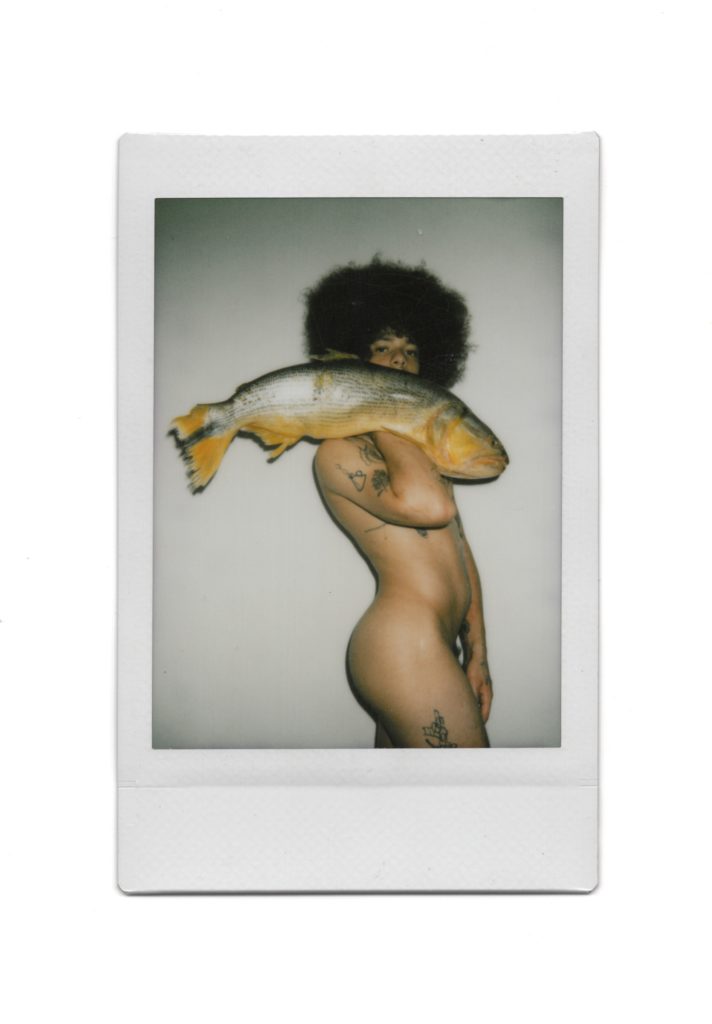
To this day, davi says poetry fits best inside his head — not merely as writing, but as a way of thinking, meandering and mercurial, nearer to dream and fabulation than to any hard-edged, Cartesian reason. His eyes, his heart, his tongue are so sharp, so tender, they unmask with ease the ancient phantoms of Western thought: home, family, mother. From there, his work unfurls toward what we clumsily call geography, landscape philosophy, memory theory, social ecology, post-colonial history. His family arrived in Pirapora in his grandmother’s generation, displaced by the construction of the Sobradinho dam in Bahia, which flooded the land and forced the relocation of twelve thousand families, including theirs. He often speaks of that flood as if it never ended — as if its brown water kept seeping through the veins of time, muddying every certainty that land once promised. The river rose and stayed, not only outside but within, remapping the very idea of belonging. There are other violences, too: Pirapora has no museum, no art school, lying far from the mapped routes of Brazil’s art world. For that reason, davi lived five years in Belo Horizonte, where he studied. His poetry engenders the images of his practice — the current from which the artist’s visions spill outward, finding their estuary in paintings, installations, performances, and sculptures.
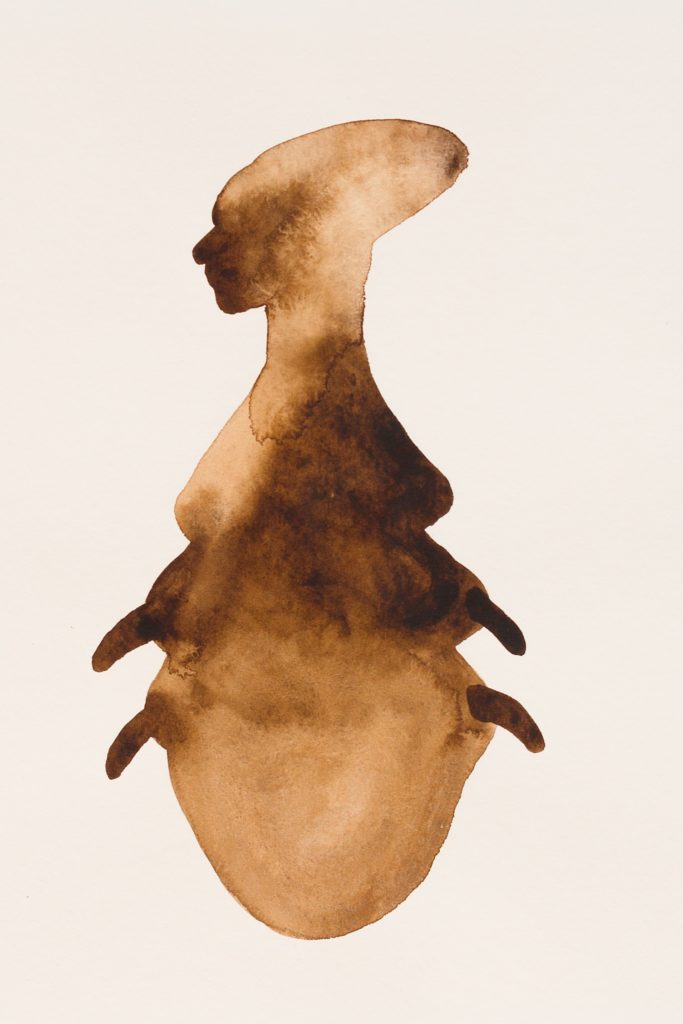
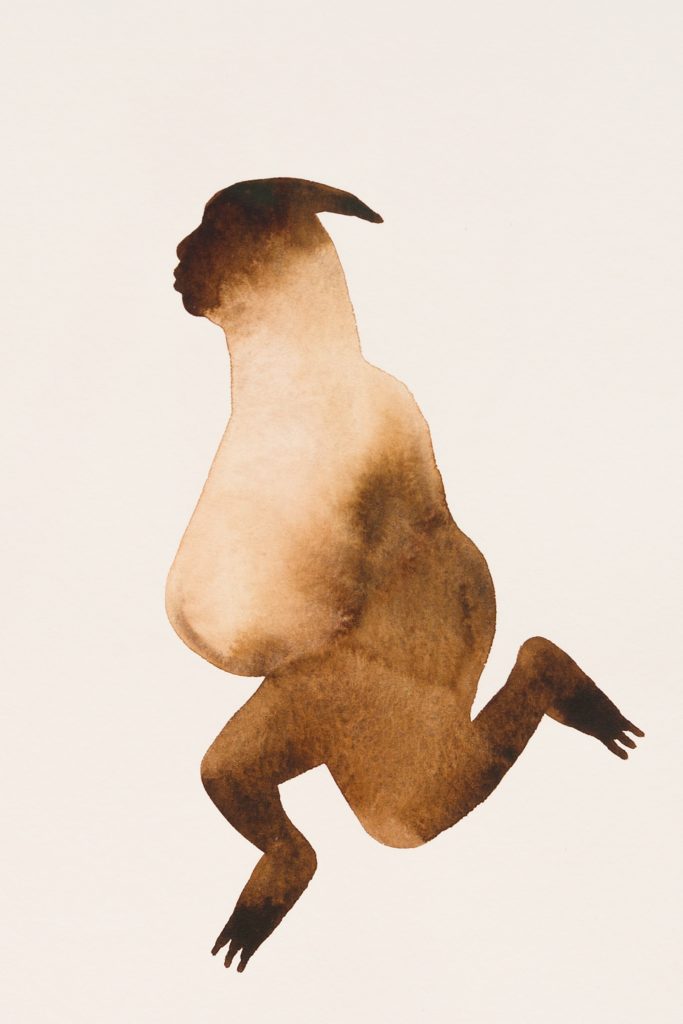
He magnifies the quiet narratives of daily life — those domestic, unhurried ones that converse with extraordinary entities he treats as ordinary: prayer, the devil, the whirlpool. He touches them as one brushes the leaves of a tree, or drags fingers in the current while canoeing. He braids these gestures into something like a mirror — or better, the bright, trembling blade of a river. In its surface he sees his reflection and the world’s, hears his own story murmured back in silt and light, and beneath it glimpses fish, branches, mud: a collective history sedimenting into being. Sometimes the water thickens, almost thinking for him, carrying fragments of songs and rumors, the heavy breath of the riverbank after rain — a kind of liquid archive where words decay and are reborn as forms. It floods beyond his kin, soaking the larger story of those whose lives hinge on the river — boatmen, fishermen, washerwomen, carvers — and of all who look back as the boat departs, aware of what is left behind, what is shed, and what is lost. His work seeks connections that slip free of geography; for it is, after all, one single water where all waters meet — from baptism to drowning.
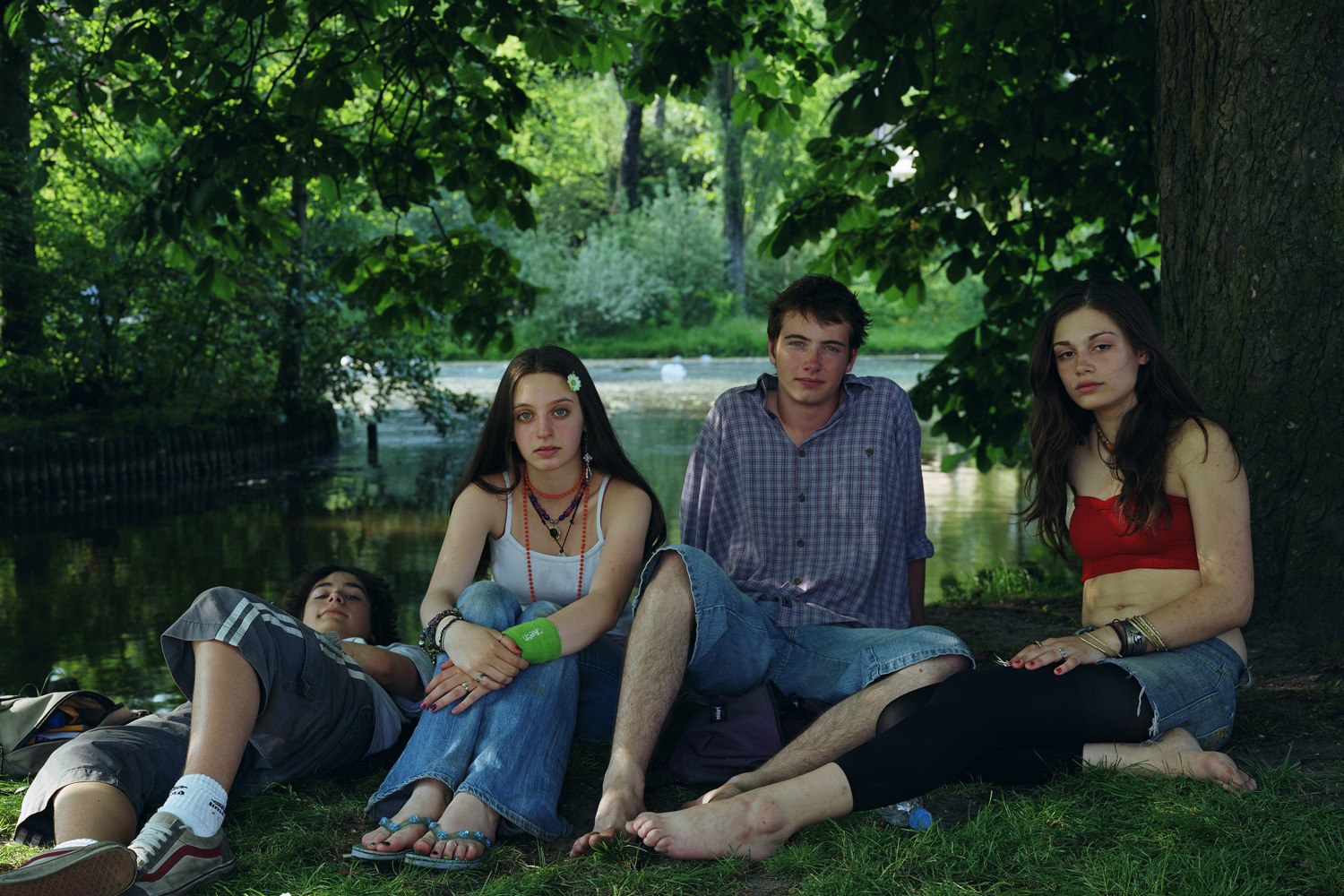
In 2016, davi was fished out by his father when he thought he would drown. He had been rehearsing his death with the river. Two identical names reunited: the fisherman caught his son, freed him from the cutting threads of the net, and took him home. Until then, care had been scarce, and silence thick as silt lay between them. After davi’s mother passed away, his father sold all his fishing tools and gave up the trade altogether — she had been his companion on the boat, steering, casting, hauling in the heavy nets. Only after fishing his son back from the river did he recover the reasons — and the strength — to return to the waters as a fisherman once again. Yet sensitivity seemed the family’s inheritance, the curse of their shared name. Twenty years earlier, when davi was still a small fish, his father worked as a carpenter, crafting furniture and boats, often bartering his work for rolls of photographic film. He was deeply intent on recording the riverbank picnics, the crossings, the quiet moments of domestic leisure. Lately davi has begun to re-soak those memories his father’s lens once caught — memories of clay and embrace, of wind brushing skin, of water trembling and swelling the boat’s sail. davi understands that by re-soaking these images — placing his family’s photographs under his fluvial gaze and layering them with new contexts, whether by enlarging them or renaming them with titles brimming with poetic charge — meaning reclaiming the helm of a narrative that is both of a lone fish and of a whole shoal. With this gesture, davi also seeks to encourage others to delve into their own familial pasts, to retrace genealogies that follow the cartography of rivers, weaving a network of care and remembrance.
He shows me a torn album page, brutally nailed to the wall without ceremony, a black-and-white photograph of a little girl. A little girl with incisive eyes of someone born to be an adult, as if to be able to handle everything. Next to it, penciled words: “Quando eu morrer, cês vão ver” (“When I die, you’ll see.”) A phrase my own mother has said a thousand times, in that melancholy tone of one who has also known drought, the São Francisco, the dam, the flood, the exile. I imagine the girl is davi’s mother. He tells me that as a child, he thought garlic itself smelled of her — not that she smelled of garlic. The scent of something drawn from the soil that somehow existed to carry her presence.
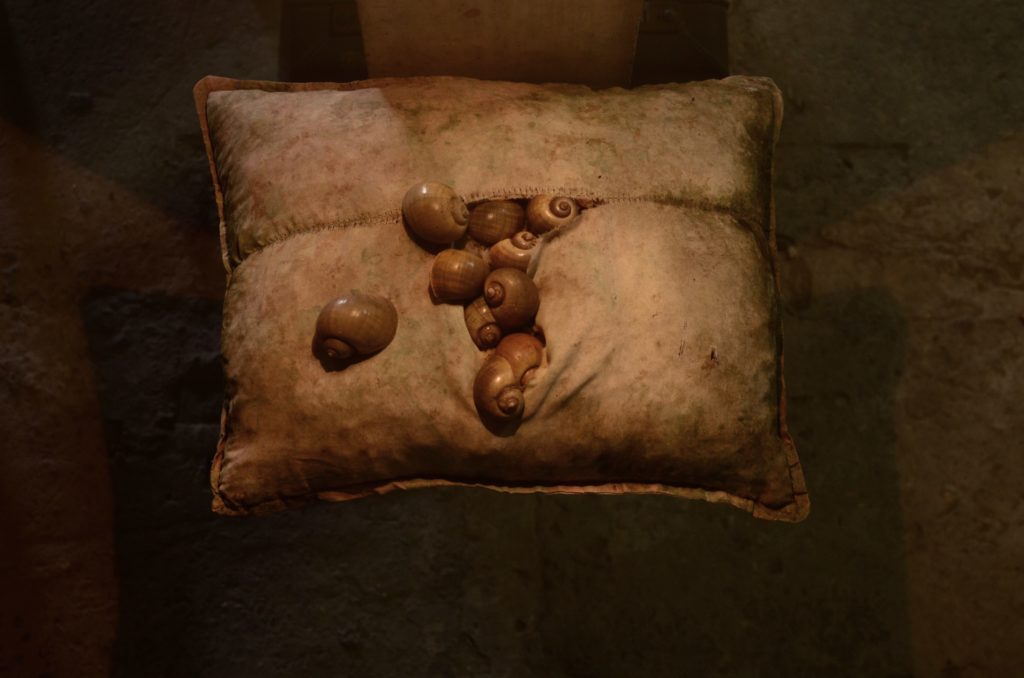
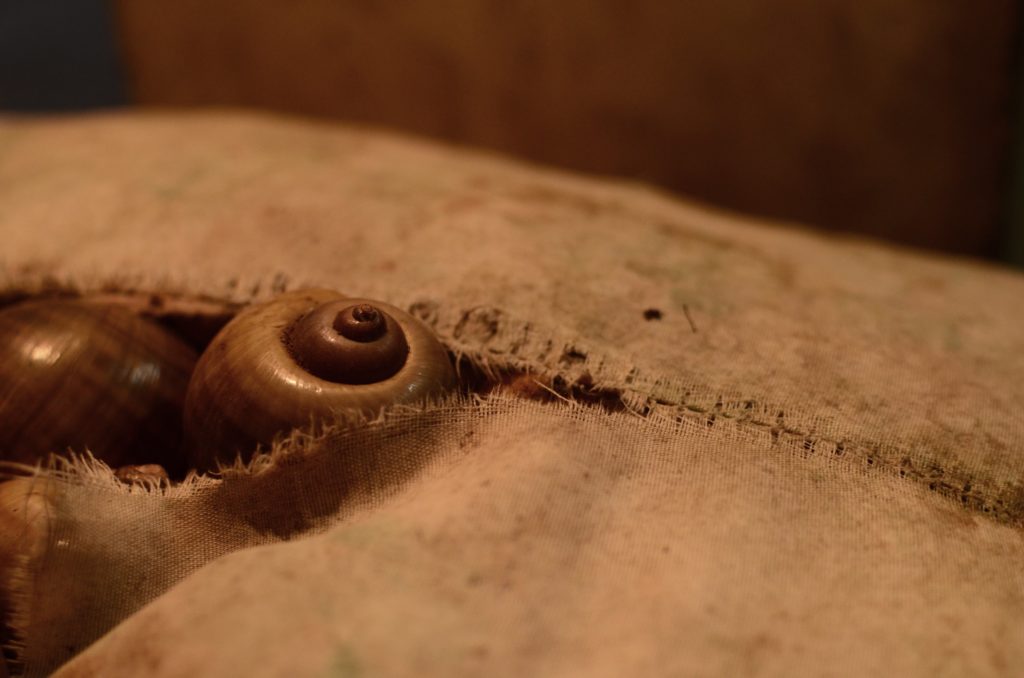
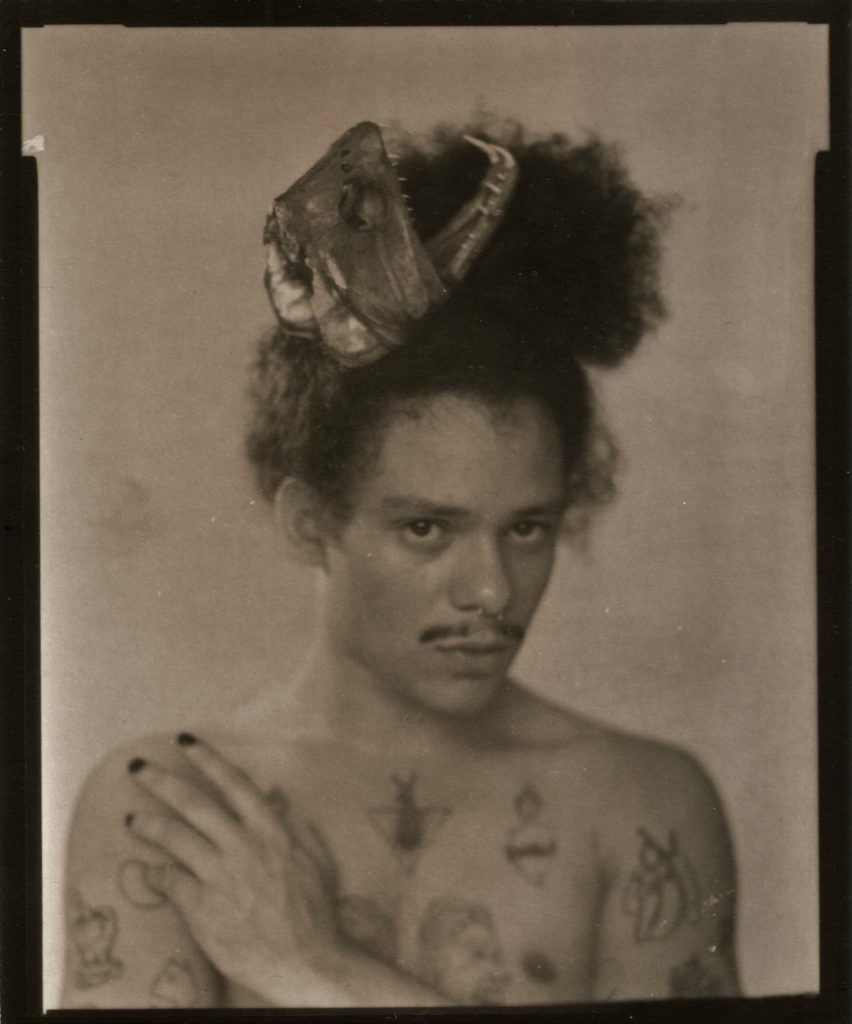
Like snail shells from the Parnaíba River bursting from a pillow — viscera from a furious chest — davi tells me his dead mother sends him images in dreams: beings of water that he anchors in clay-colored watercolor on paper. Proofs of metamorphosis, these entities resist definition, holding with water the same mutable, upturned state of being: an aqueous choreography, turbid, trembling. They sprout wings of birds and locusts, limbs of lizards, bodies of scorpions — etched over photographs of himself — the feral traces of someone imprisoned yet unwilling to surrender to the body he’s been given, seeking in the nature around him, even in its death, extensions of life. To cast the innermost self outward through the tongue. After lunch one day, he carefully gathered the fish’s spine and bones, remnants of his family’s meal, and composed a fossil crown around an old portrait of his grandmother, its paper creased and timeworn.
The tongue tastes the acid sweetness of a fruit already wrapped by nature like a piece of candy. davi heaps tamarinds — so common where he lives — into fishing nets hanging from the ceiling like mobiles, or offers them as treats in old revolving candy jars. They spin slowly, like a childhood memory, a kind of hypnotic dance that the river also performs. The gesture recalls Félix González-Torres’s candy portraits, made between 1990 and 1993: clear-wrapped sweets piled to the weight of an adult man’s body, stacked on wall corners or arranged in geometrical shapes on the floor, left for the public to consume. davi’s tamarinds can be turned into juice, the color of muddy river water, a sweet refreshment that runs and cuts through the throat — as if the São Francisco itself were one vast current of tamarind syrup, daydreaming coming back once again. It is, however, a treacherous sort of invitation: the sweetness is bait, and the sourness tugs the hook. One must be wary of the traps of the water.
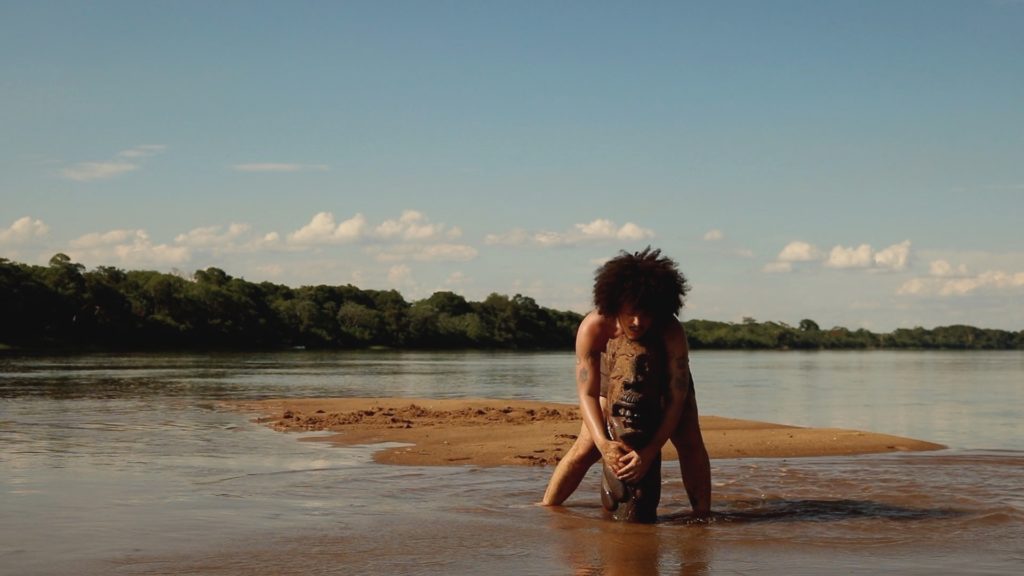
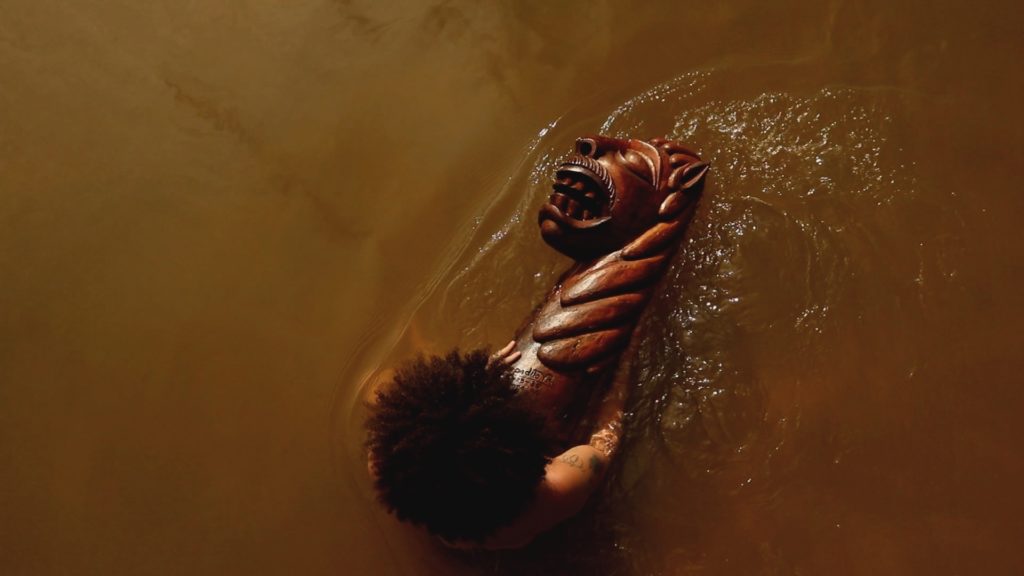
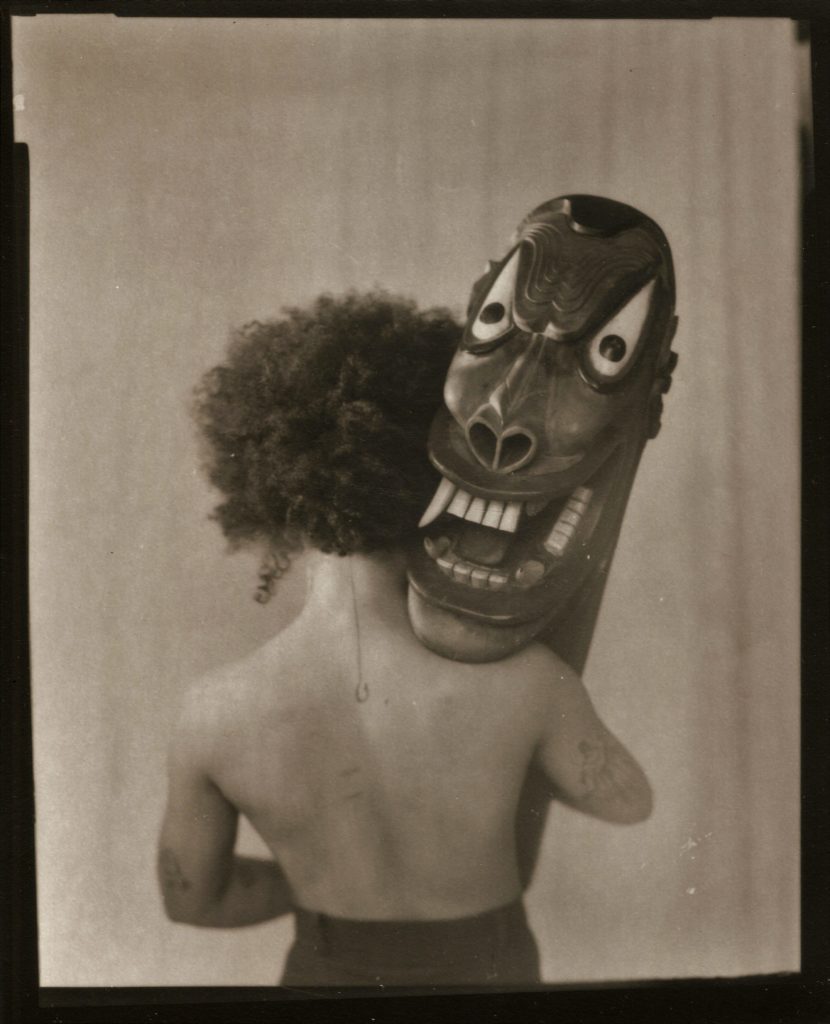
To carve a carranca — the fierce wooden head that guards a boat’s prow as a scarecrow guards a field — is to sculpt its teeth, its fangs, its jutting tongue. What, after all, is the evil of the tongue? In the Latin tongues, língua means both the organ and the language. To untangle this net has been the lifelong work of thinkers like Jacques Derrida and Roland Barthes — the latter writing The Rustle of Language, The Grain of the Voice. In davi’s work, that rustle meets that grain: the sediment that settles when the river’s mud rests, and stirs again with the slightest breath. Like the carranca that sticks its tongue out, davi too is an anteater, feeding by thrusting his tongue into the earth’s hollows, joining himself to the soil through language itself.