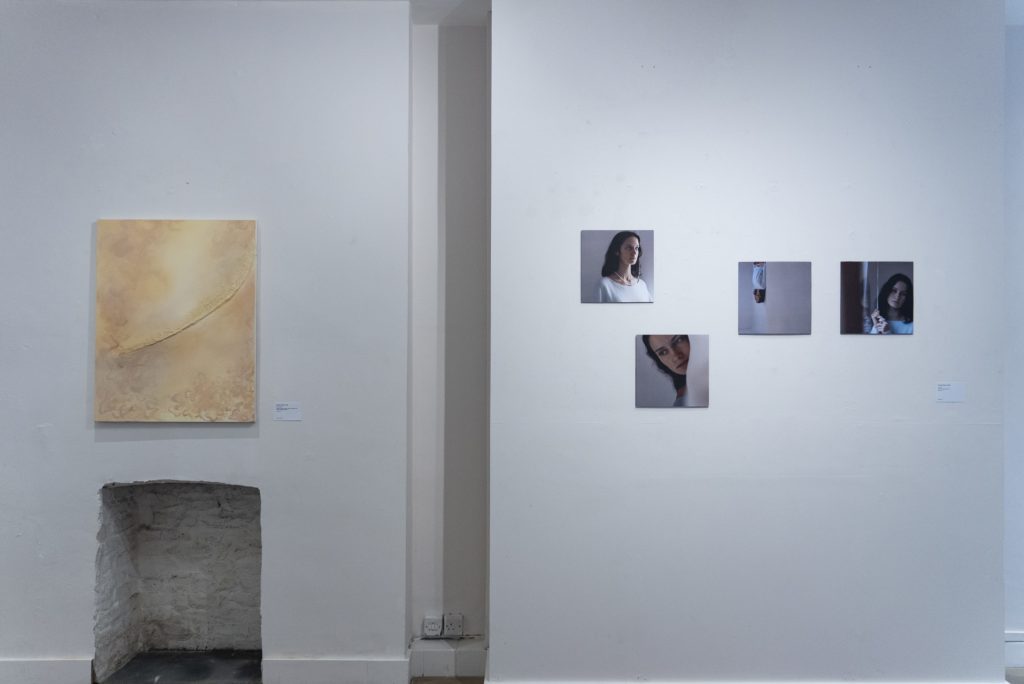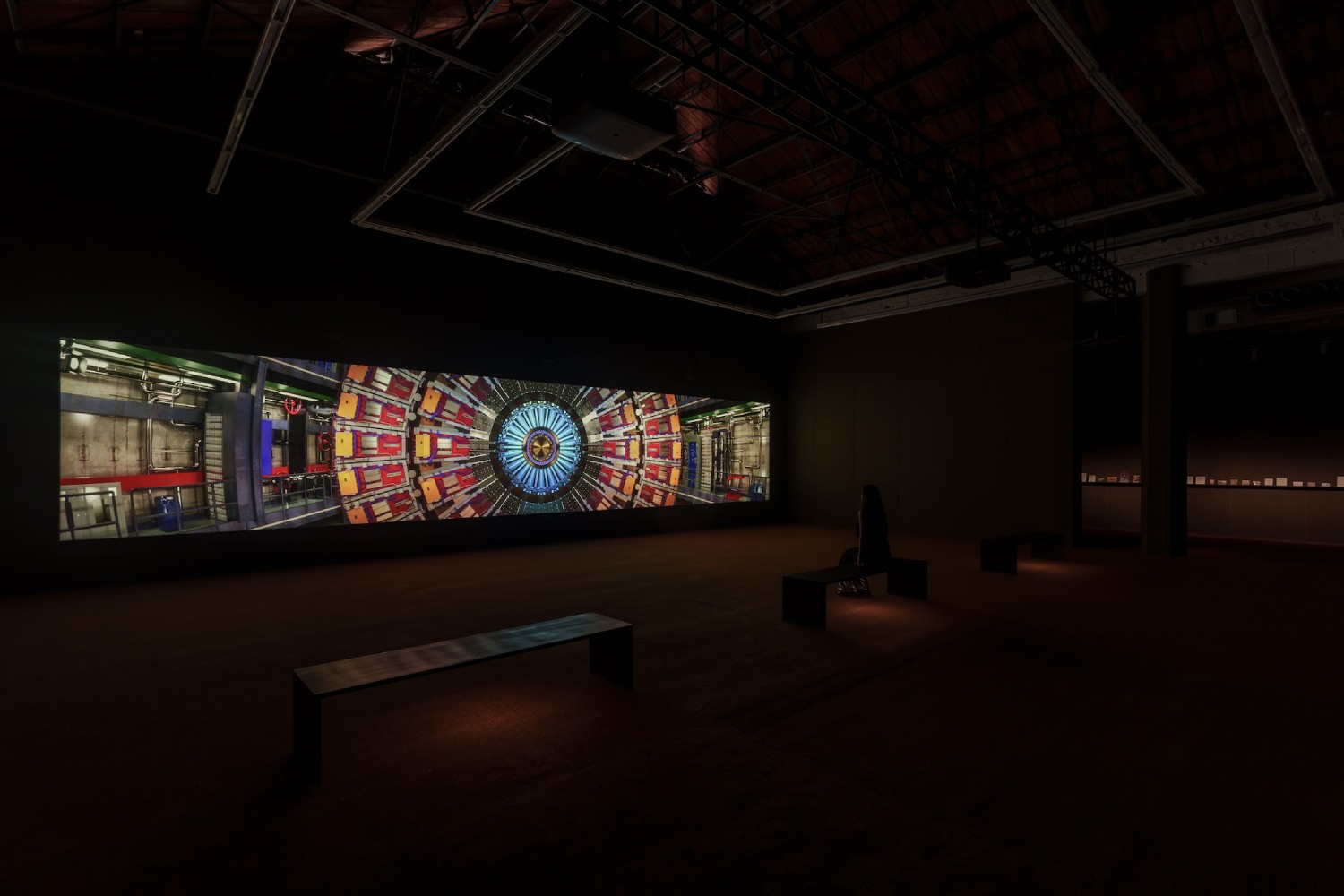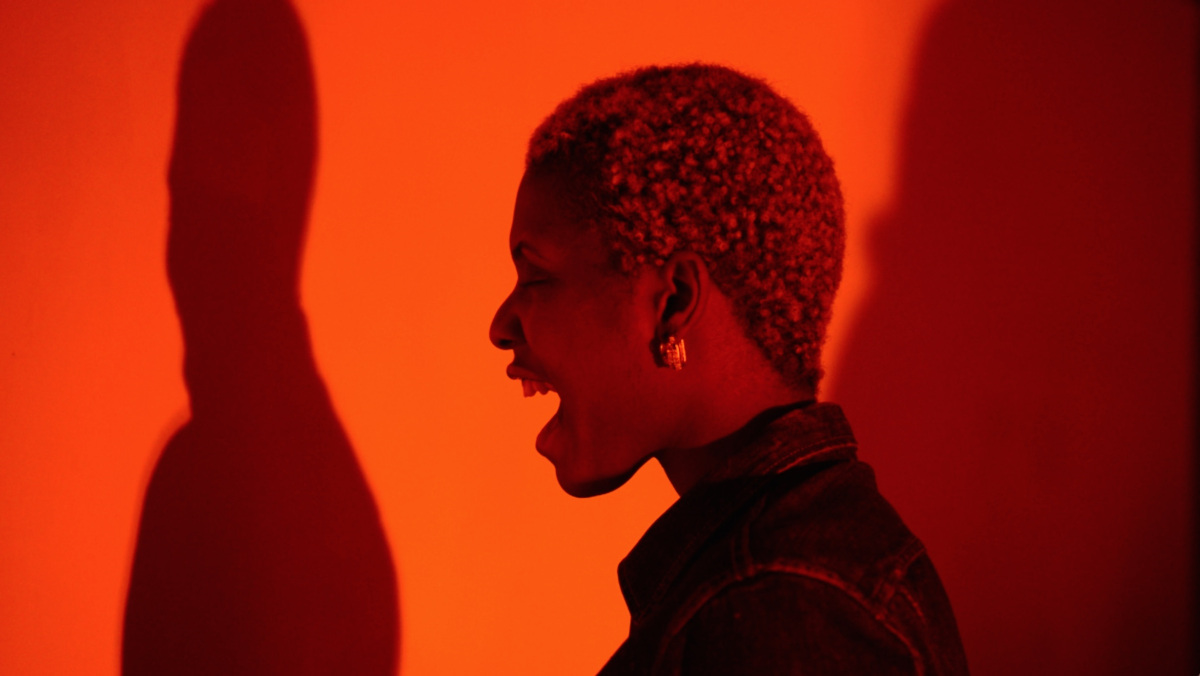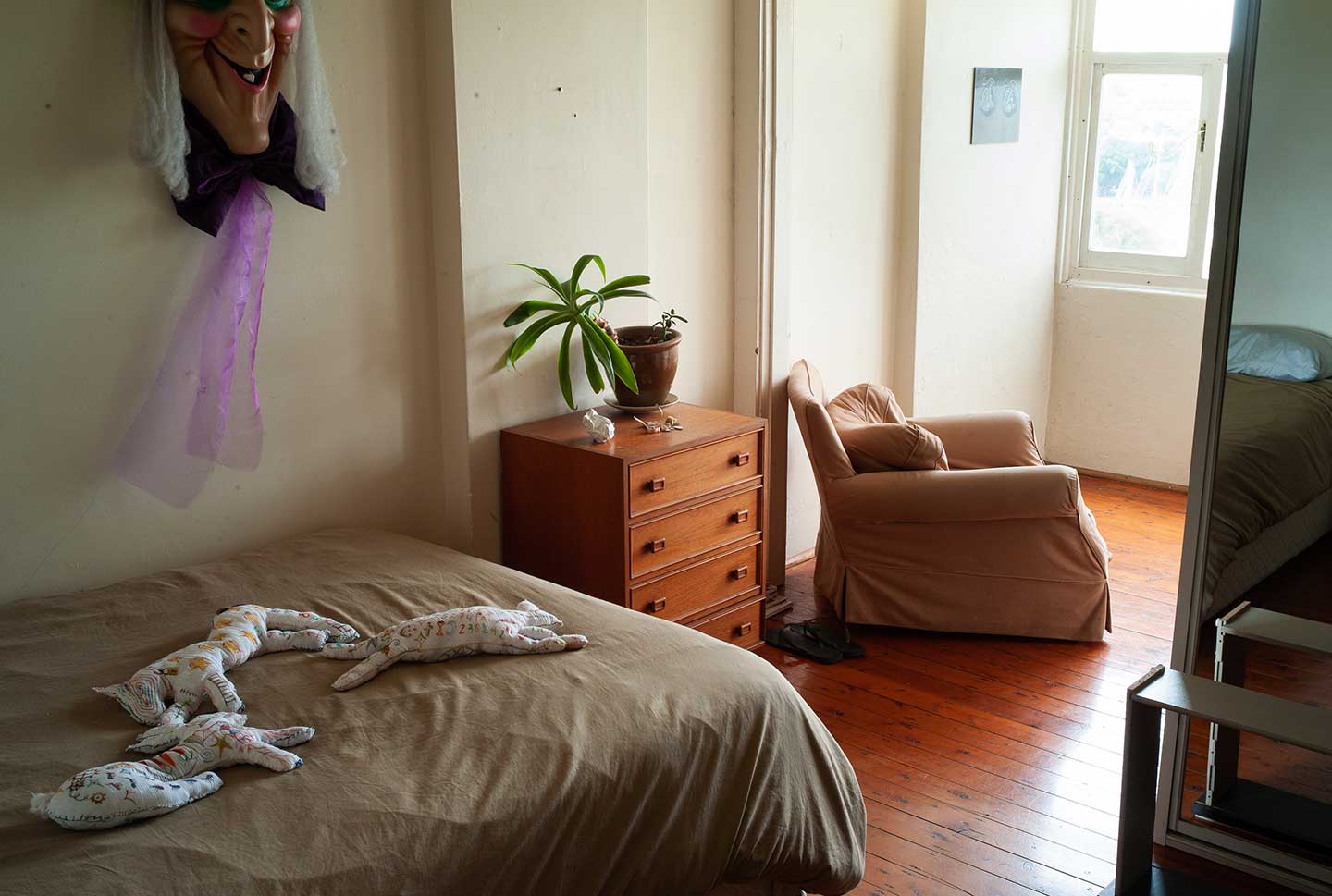
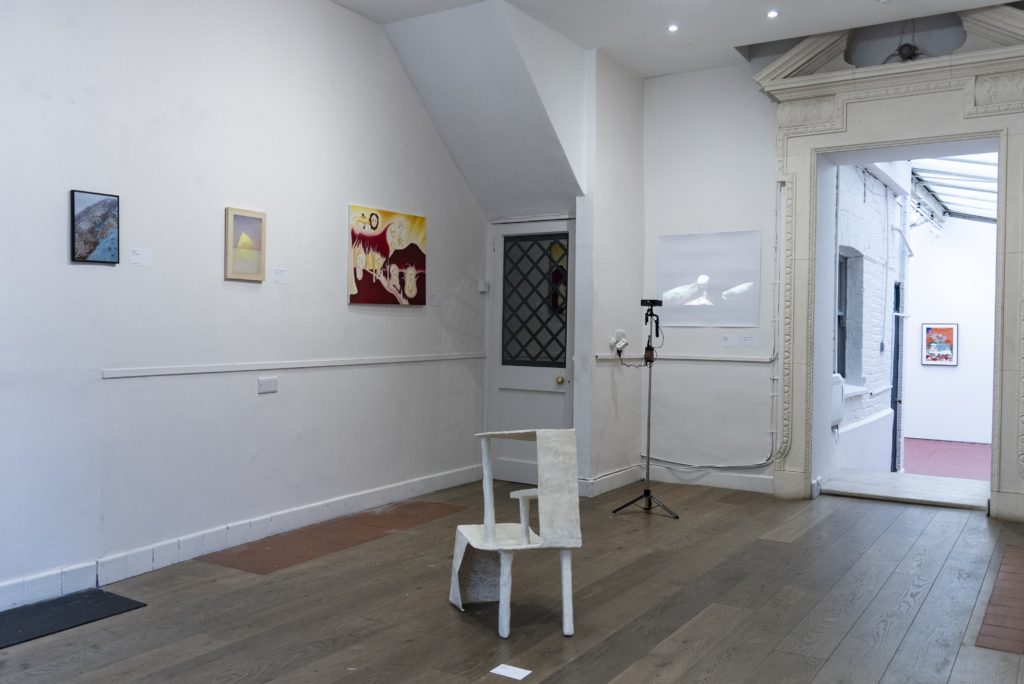
For a Little While (18 – 20 September 2026) at Apsara Studio, London, sought to examine how fleeting human experiences could have lasting effects on memory and perception. Presented by ArtOrb and curated by Xin Liu as part of London Design Festival, the exhibition aimed to uncover the significance of transient states, featuring 17 interdisciplinary artists working across painting, sculpture, illustration, photography, and moving image, with a strong representation of Asian creatives. This is in keeping with Xin’s curatorial approach to situate them more broadly within international contexts, having previously participated in Tate’s curatorial programme following a Master’s degree in Creative and Cultural Industries from King’s College London.
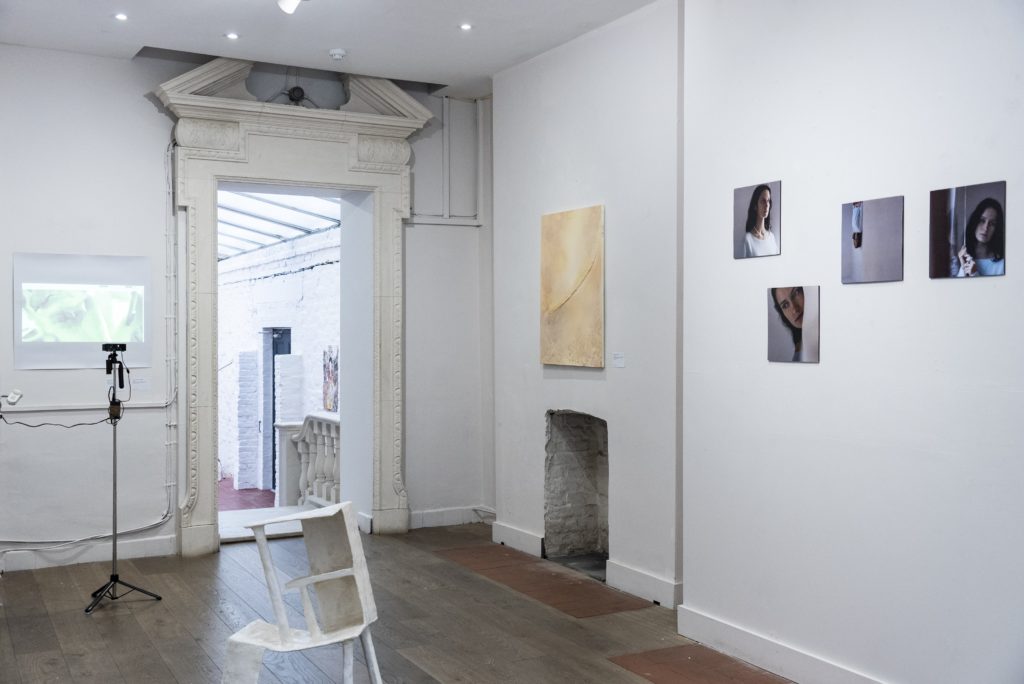
The flow of time is a central theme in Xiaoming Ai’s The Fixed Fire (2026), which posits steadfastness as a resilient state of being present while adapting to the fluctuating experiences of life, hardships, and memories. Also using fire as a symbol of transience, Nare Joo’s Forest Fire (2025) visualises a person’s psychological reactions to the intrusion of a traumatic memory, and their desperate attempts to escape the chaos of this intrusion. These seem to reflect Xin’s research interests in the ever-changing connections between the body, its social environments, and time. Lauren Royall’s Rack Remains (2) (2026) shows this more literally, featuring a sculpture made of latex and plaster resembling meat flesh that withers and breaks down over time.
Xin also has a special interest in the relationship between technological media and individual human experiences. In Spatial Capital (2026), Jiangyu Huang uses a Rubik’s Cube as a metaphor for invisible social hierarchies in society. As its outer blocks shift and move, always revolving around an immovable central block representing predetermined rules, a figure runs along its edges, suggesting an element of freedom, but one that is inherently tied down and subject to control. Matthew Duan also reflects on the impact of invisible forces in Unit I (2024), where a deformed display unit holds the quiet weight of something unseen, perhaps a metaphor for lasting memories or trauma.
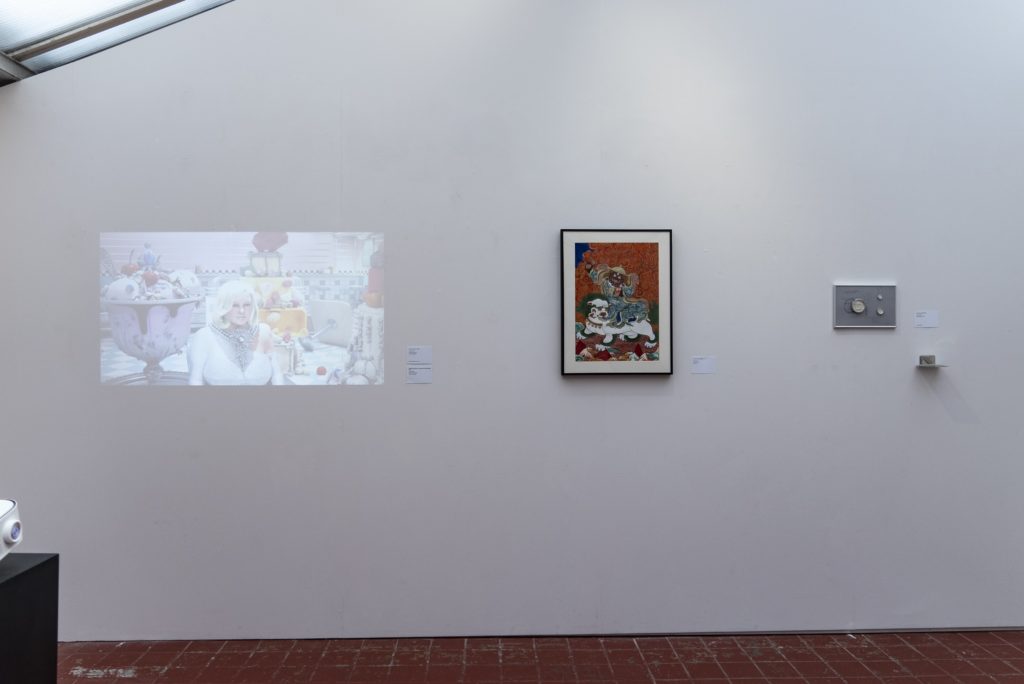
Meanwhile, Chenyu Wang’s Performing Status in Everyday Consumption (2026) uses luxurious banquets as microcosms for representing class and power in a consumerist society. Amidst the decadence and absurdities, it is the contrasting etiquette of the two female protagonists that sets their status apart. Both video pieces in the exhibition highlight the effects of institutionalised structures on people’s daily lives, from embedded system of control to one’s table manners.
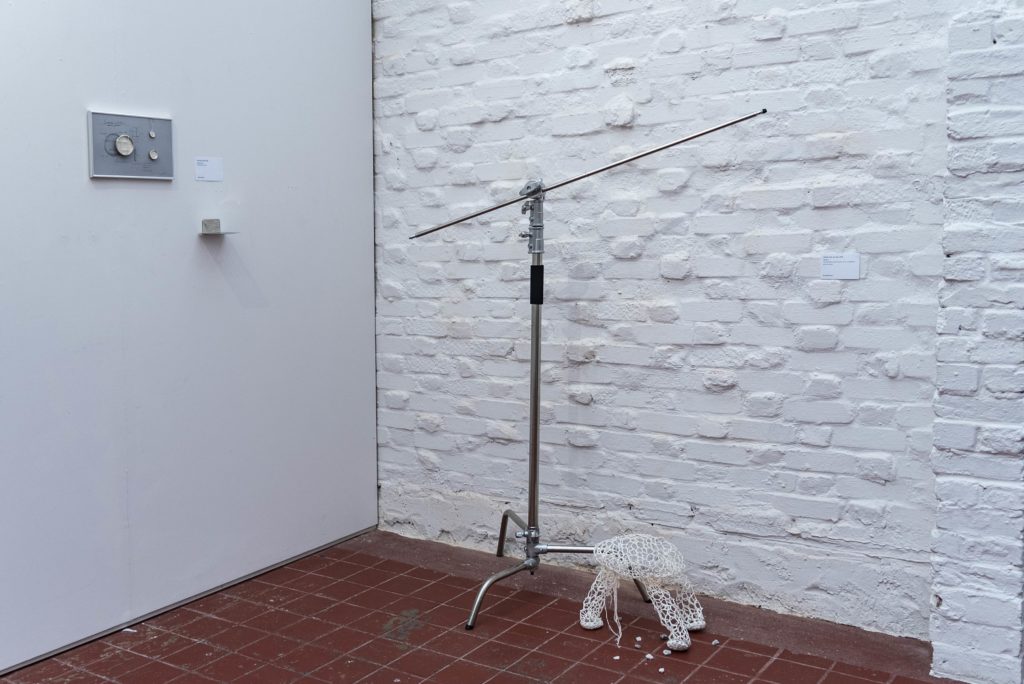
Returning to something more grounded and physical, Brea Freeburn views painting as a spatial and material encounter in Breathing Field I (2026). Instead of treating it as a pictorial image, the surface unfolds because of negotiations between restraint and release in the artist’s creative process, which are then contained momentarily until a further act disrupts and alters it.
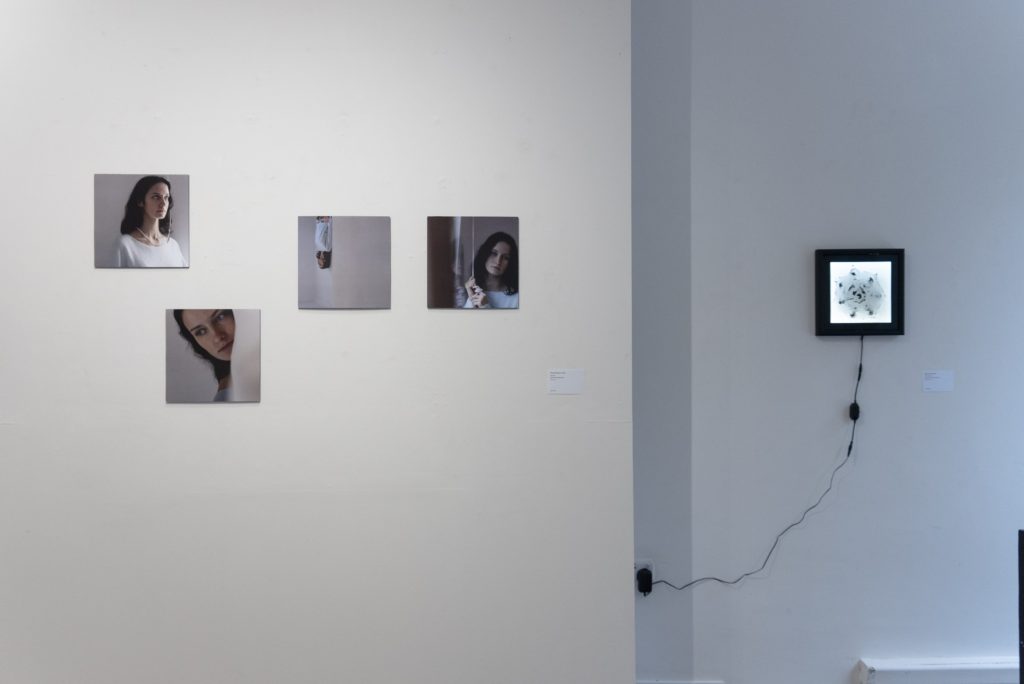
The exhibition plays well to Xin’s curatorial strengths and interests with its varied representation of traditional and new media. Notably, her valuable contribution is the ability to platform artists concerned with the effects of established structures in society and their psychological effects on human experience, resulting in a careful assessment of the current class and power structures that dictate us.