London Gallery Weekend.returns for its sixth edition, confirming its place as one of the most anticipated moments on the international art calendar. This year’s visit begins in typically chaotic fashion: after shepherding my mother onto the Gatwick Express and preparing the family to disembark at Victoria, a quick inventory is in order: “Two kids, four bags, one stroller – exit on the right.” The essentials, at least, seem accounted for.
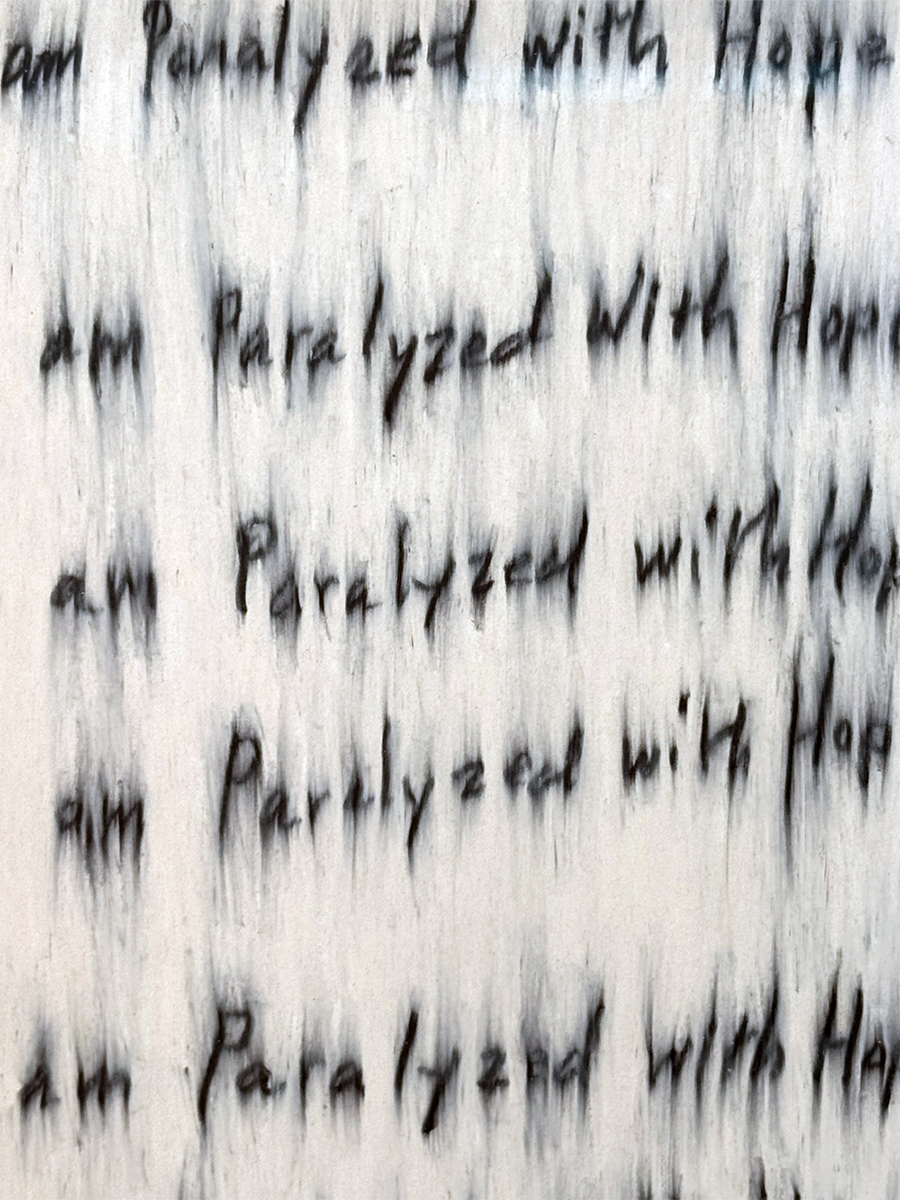
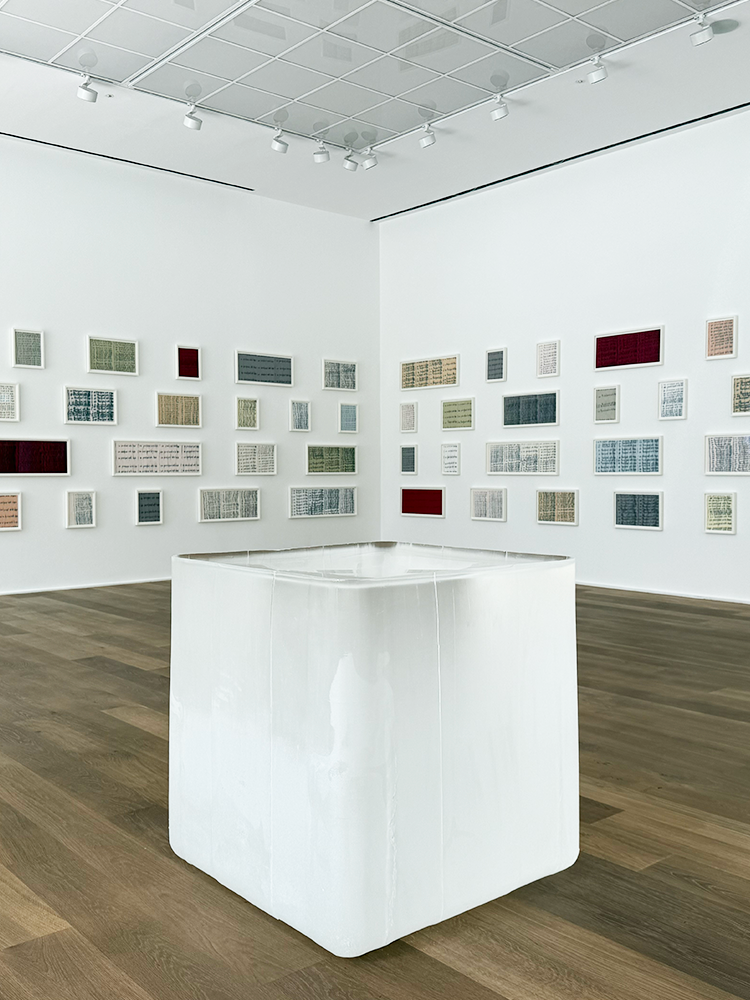
After a brief stop at the hotel, the first port of call is Hauser & Wirth, where Roni Horn’s “Seizure of Hope” (2026) offers a compelling meditation on contemporary anxiety and optimism. At the centre of the exhibition is the phrase “I am paralyzed with hope,” borrowed from comedian Maria Bamford and repeated across a series of work on paper. Horn turns language into something both visual and emotional.:blurred words driftacross the surface like text seen underwater, while subtle shifts in handwriting suggest a multiple voices speaking at once. Installed en masse, the drawings create an immersive environment that captures the exhibition’s central paradox. Hope emerges as both a sustaining force and a burden capable of immobilizing us. The result is a body of work that feels particularly attuned to the uncertainties of the present moment.
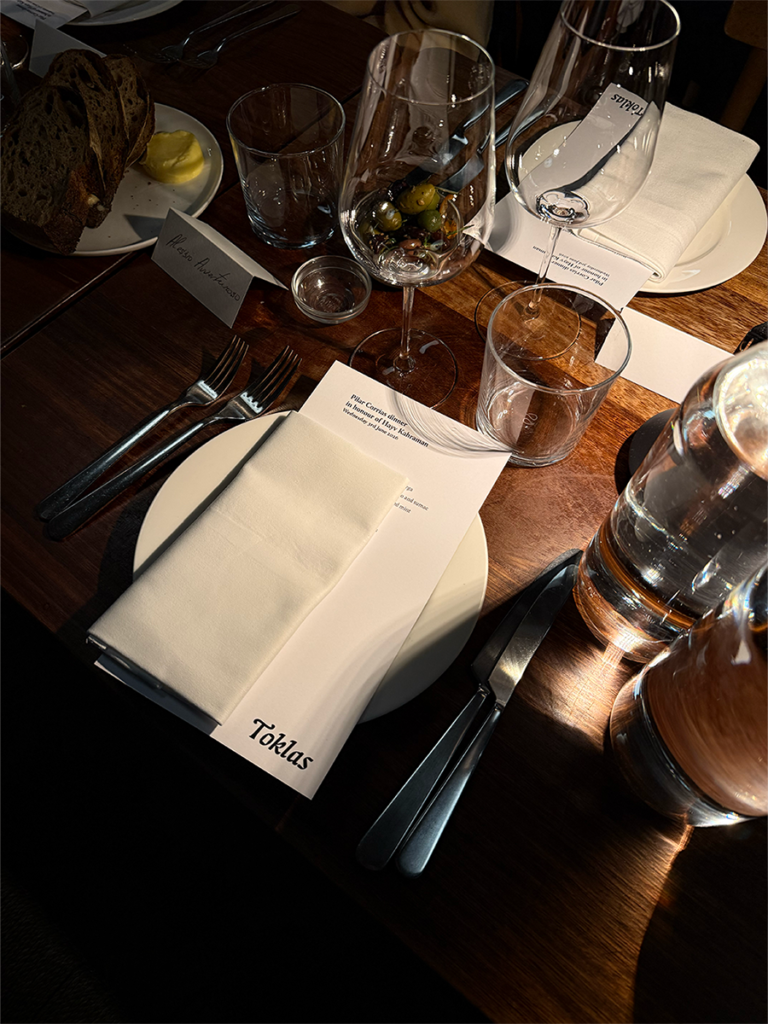
The evening unfolds at Toklas, where the atmosphere feels less like a traditional dinner and more like an extension of the exhibitions themsleves. Conversations drift between tables as guests gather for a dinner hosted by Pilar Corrias to celebrate Hayv Kahraman’s solo show, “What cannot be said will be wept” (2026). The exhibition stays with me for its exploration of displacement, belonging, and our increasingly fragile relationship with the natural world. Drawing from the artist’s experience as a Kurdish-Iraqi refugee, the works move between personal history and broader reflections on loss, migration, and ecological uncertainty. What makes the show particularly compelling is its ability to connect these themes without ever feeling didactic, allowing intimate experience to resonate on a wider scale. The following day begins with apanel discussion on the role London plays within the contemporary art ecosystem. Beyond its importance as a market centre, the conversation focuses on initiatives such London Gallery Weekend and the growing collaboration between major and emerging galleries. It serves as a reminder that London’s strength lies not only in its commercial infrastructure but also in its ability to foster dialogue, experimentation, and visibility across different generations of galleries. Even in a rapidly changing European landscape, the city continues to occupy a position that feels difficult to replicate elsewhere.
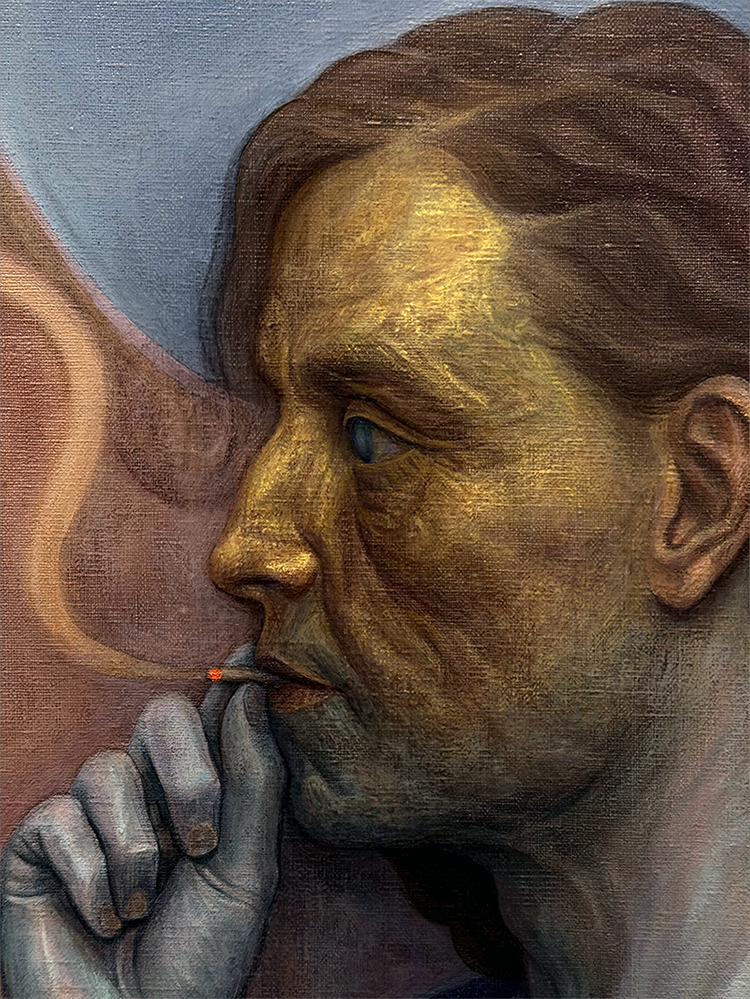
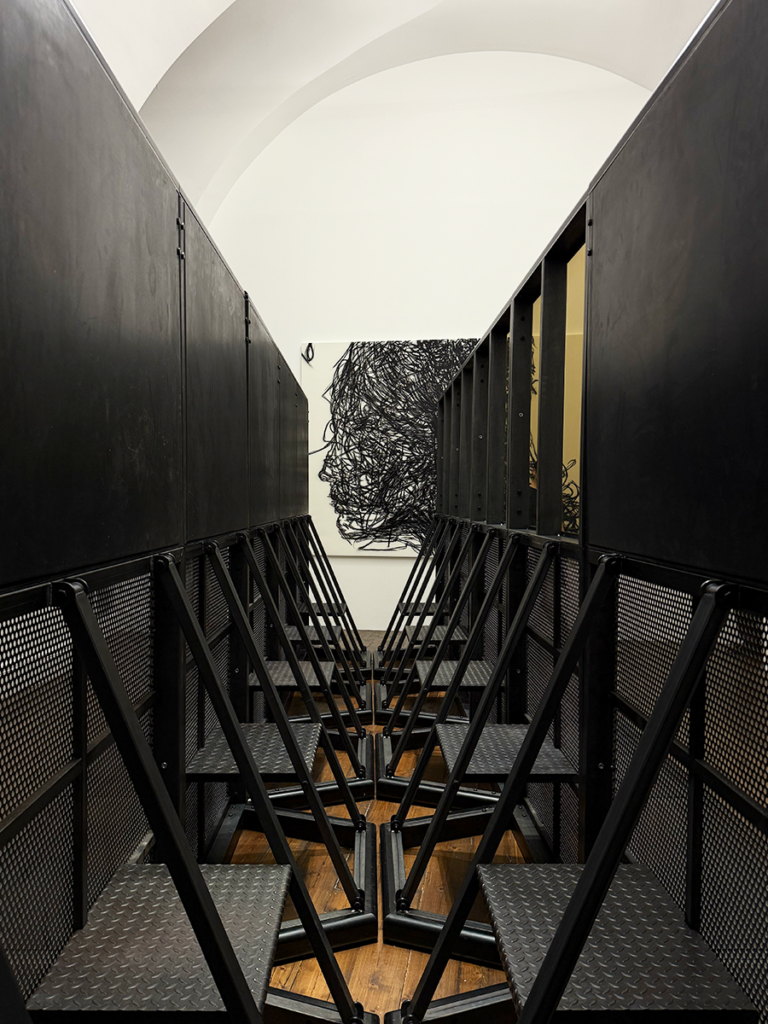
After a quick coffee, I visited “My Moody Muse” at David Zwirner, an exhibition that introduced me to a rich new body of work by Canadian artist Steven Shearer. Bringing together recent paintings, drawings, and important loans, the presentation revolves around his long-standing engagement with portraiture. The Wizzer (2026), Steven Shearer’s largest painting so far, shows a long-haired figure framed by a narrow arched doorway. Both its composition and title refer back to his 2021 painting Wizard, where the same character is shown urinating in a corner while looking directly at the viewer. This connection suggests that Shearer is revisiting and transforming a familiar figure from his earlier work. The exhibition also marks his first solo presentation in the UK in almost twenty years, lending the show a sense of return while highlighting the consistency of his practice across time.
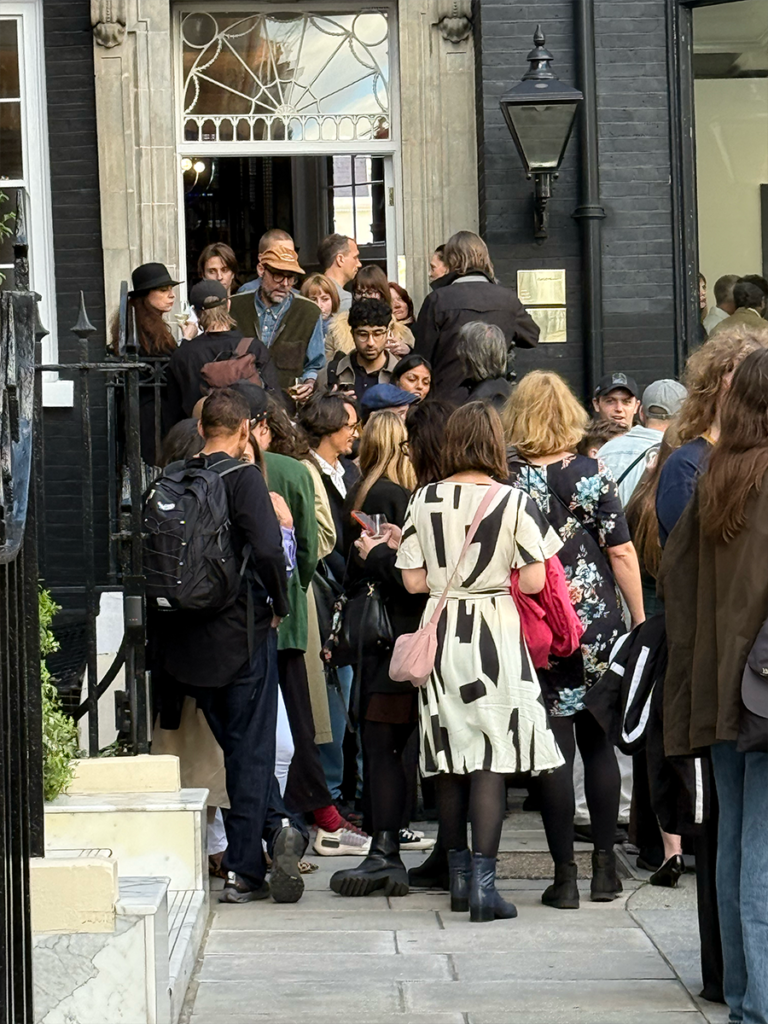
The evening culminates with the opening of Anne Imhof’s “Citizen” (2026) at Sprüth Magers, which quickly becomes one of the highlights of the weekend. Imhof brings together painting, film, sculpture, drawing, and bronze relief in an installation that feels both expansive and tightly controlled. Rather than presenting individual works, the exhibition unfolds as a single environment, drawing visitors into its atmosphere of tension and uncertainty.
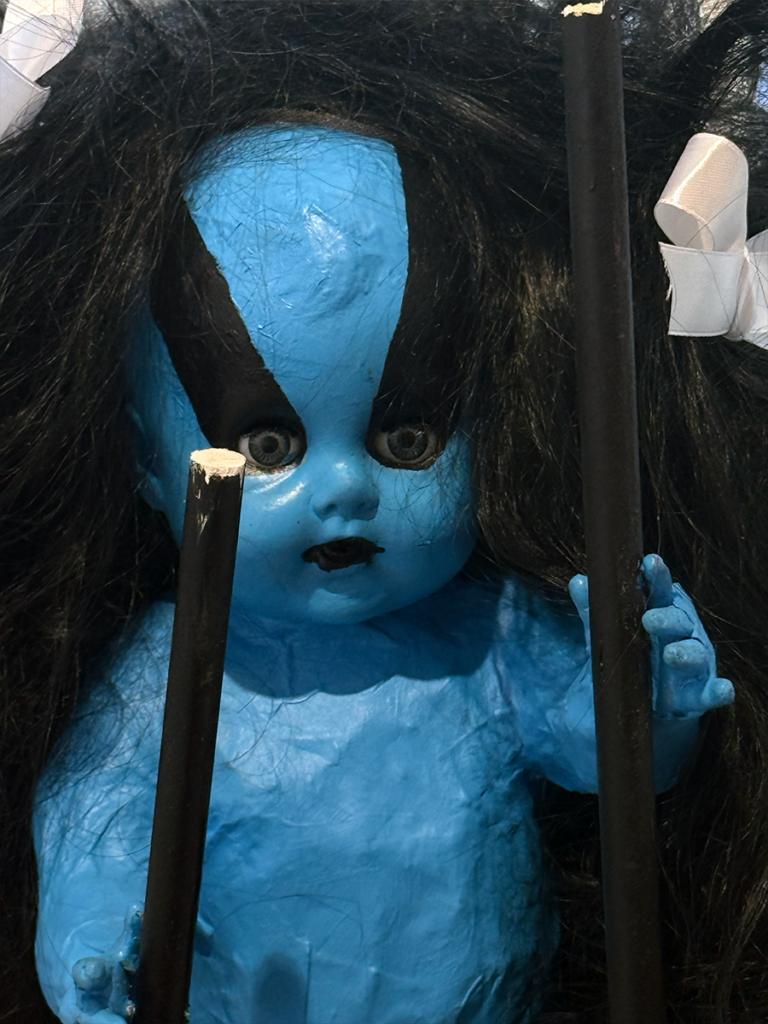
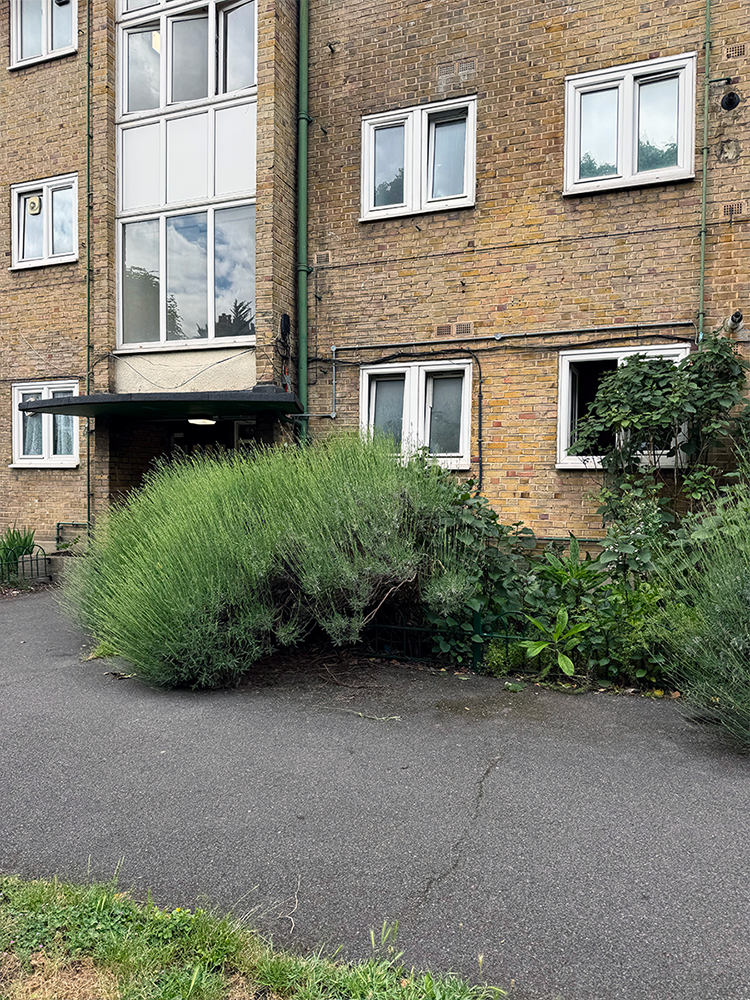
Walking through the galleries, I am struck by the tension that runs throughout the work. The new “Wave” paintings seem both energetic and fragile, while a large figurative diptych commands attention through its dense layers of marks and shifting forms. There is a constant sense of movement, as if the images are never quite settled. References to the medieval danse macabre bring an unexpected historical resonance, while the barrier-like sculptures recall concert venues, protests, and urban spaces shaped by control and surveillance.The final day offers a welcome chance to slow down and enjoy some of the things I love most about London. It begins with an unforgettable breakfast in London Fields before heading to Emalin for “Hungry for Trash” (2026), Kembra Pfahler’s latest exhibition.. From the moment I step inside, the distinction between artwork and everyday life begins to blur. The intimate setting felt particularly well suited to an artist whose practice refuses to be confined to a single medium. Pfahler has been a significant figure in New York’s downtown underground scene since the 1980s, working across performance, film, music, drawing, and sculpture, and that multidisciplinary approach is palpable throughout the show..
The works did not feel like separate objects but rather fragments of a larger artistic universe developed over decades. There was a strong sense of continuity throughout the exhibition, as though each piece carried traces of past performances, collaborations, and personas. This made the experience feel less like viewing a collection of artworks and more like gaining insight into Pfahler’s ongoing creative life.
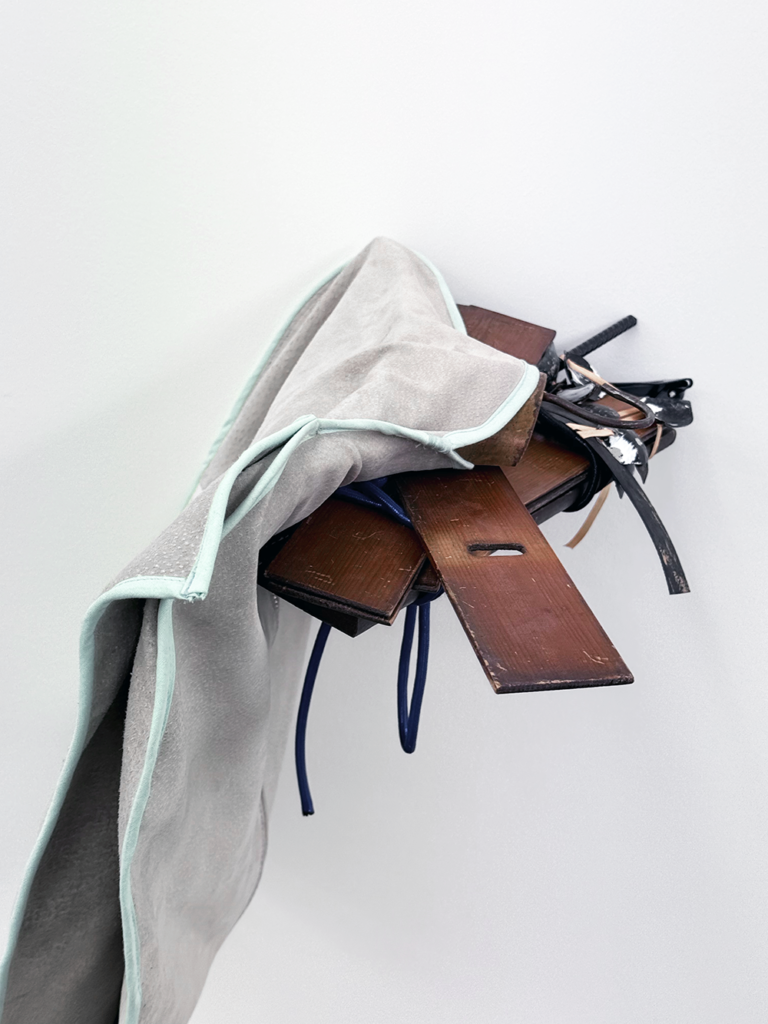
The last exhibition to liner in my mind “16” (2026) at Soft Opening, a group show built around the idea of fragmentation as both material reality and a way of understanding the world. The exhibition takes its title from Hanna Rochereau’s large-scale painting 16 (2024), which anchors the space while also pointing to the archive and the retail display as systems designed to contain and organize fragments of information. As I moved through the exhibition, I became increasingly aware of how each artist approached fragmentation differently. Peter Gallo’s works were particularly compelling, like Ezekiel (I will give you a new heart) (2012), with carefully cut and rearranged words from discarded newspapers forming compositions that felt both structured and unstable. The fragments of text seemed to resist easy interpretation, disrupting the order of the grid and transforming language into something visual and unpredictable. Aidan Duffy’s sculptures, such as My Darling Stadium (2026). offered a different encounter with fragmentation. Bringing together found objects collected from streets, markets, and charity shops, his works felt like accumulations of stories and memories. Familiar objects appeared strange in their new arrangements, prompting me to think about the emotional and psychological weight that everyday things can carry.
Soon it is time to head back to the airport. Looking back on the weekend, what stays with me is not only the exhibitions themselves but also the particular energy that London continues to generate. Few cities are able to balance institutional weight, commercial ambition, experimentation, and community with the same intensity. For all its contradictions, London remains a place where fragility and opportunity coexist — a city that never feels entirely settled, and perhaps that is precisely what makes it so compelling.