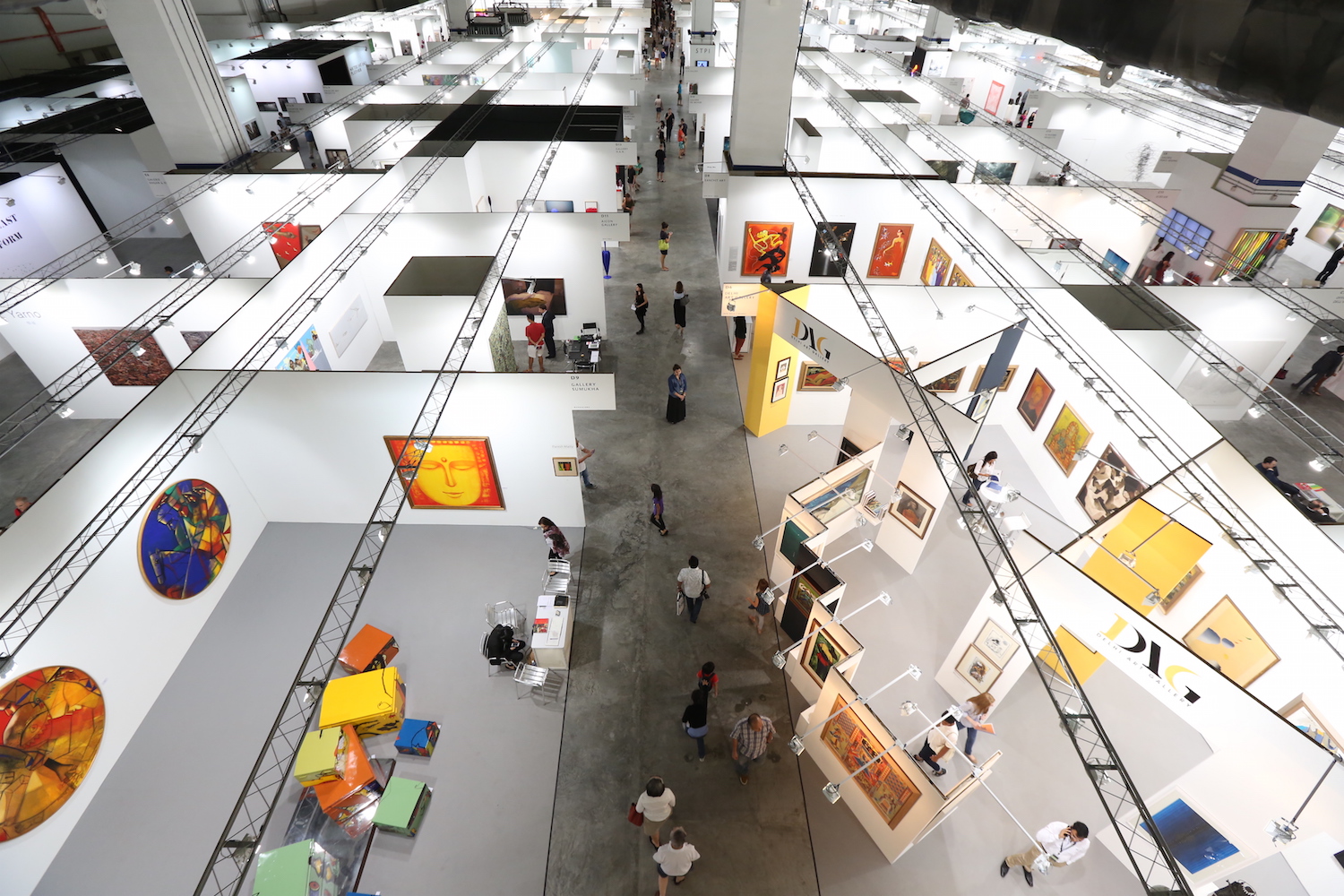
Amsterdam Art Week returned for the first time since the pandemic, bringing together more than seventy-seven galleries, museums, project spaces, artist residencies, and cultural institutions across the city. The 14th edition opened alongside one of Amsterdam’s most anticipated artistic events: the Rijksakademie Open Studios. Every year, the Rijksakademie offers a closer look at the work of forty-eight international artists currently in residence, who open up their spaces and practices to the public. One of the first studios to catch my attention was that of Avril Corroon, whose practice examines inequality and the ways in which architecture becomes a manifestation of governance and power.
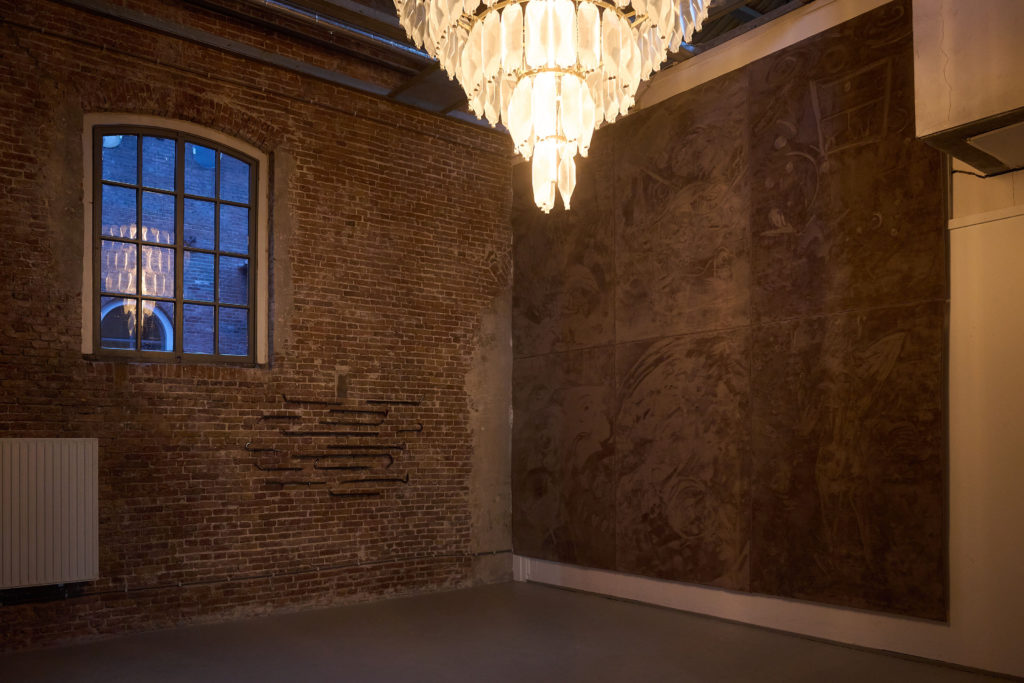
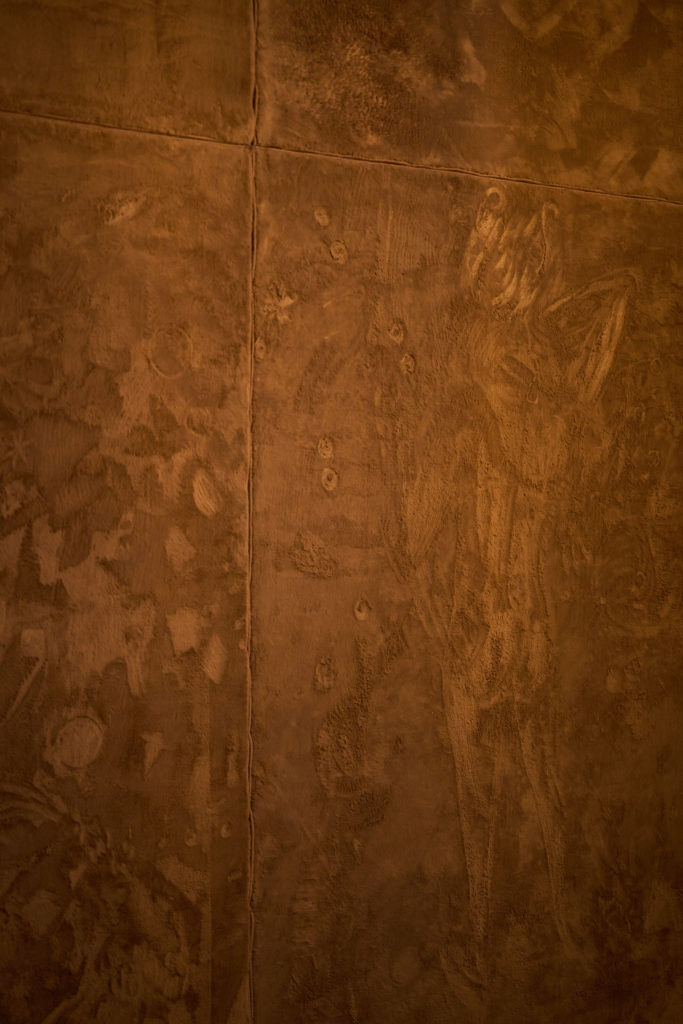
In Sublet Glory (2026), Corroon presents a projection of opulence that reveals the material consequences of imposed unliveability. The water held within suspended IV bags was extracted using dehumidifiers from the rental homes of participants in the artist’s project GOT DAMP (2021–24), transforming the invisible conditions of poor housing into a tangible material presence. On the main wall, Meanwhile 1–6 (2026) extends this exploration into the domestic sphere. Rugs climb the wall, disrupting the conventional relationship between floor and architecture. They are the same type of rugs found in Corroon’s own bedroom, originally used to soften the coldness of rental accommodation. Here, an ordinary domestic gesture becomes a subtle yet powerful reflection on the precarity of rented living spaces, and on the ways we attempt to make inhospitable environments feel like home.
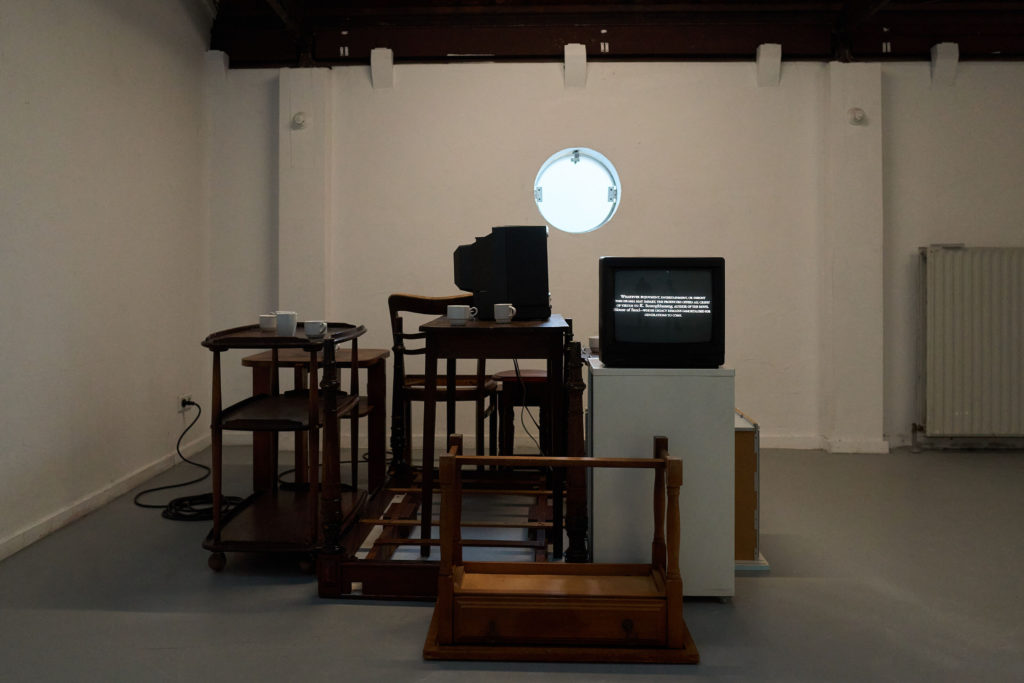
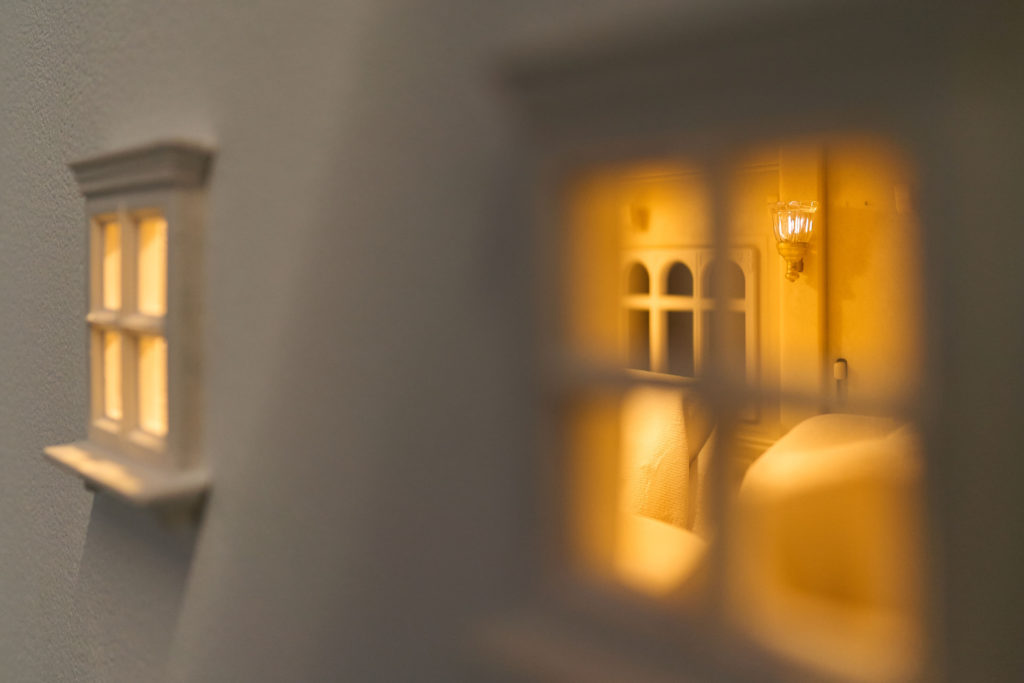
At Studio 21, Thai artist Pam Virada approaches cinema as something that can extend well beyond the screen. Her multidisciplinary practice brings together moving image, mixed-media installations, and sculptural arrangements, often playing with the relationship between spectatorship and physical space. In Transylvanian Families (2026), visitors are invited to peer through a small window set into a wall, discovering what looks like a miniature home on the other side. The simple act of looking through a window becomes an invitation to enter another scale of perception, blurring the boundaries between cinema, sculpture, and domestic space. On the opposite side of the studio, World of Interior (2026) presents a sculptural installation incorporating furniture borrowed from the residents. By bringing these everyday domestic objects into the exhibition space, Virada offers another perspective on the complexities of home and the problems embedded in domestic life.
© Rijksakademie.
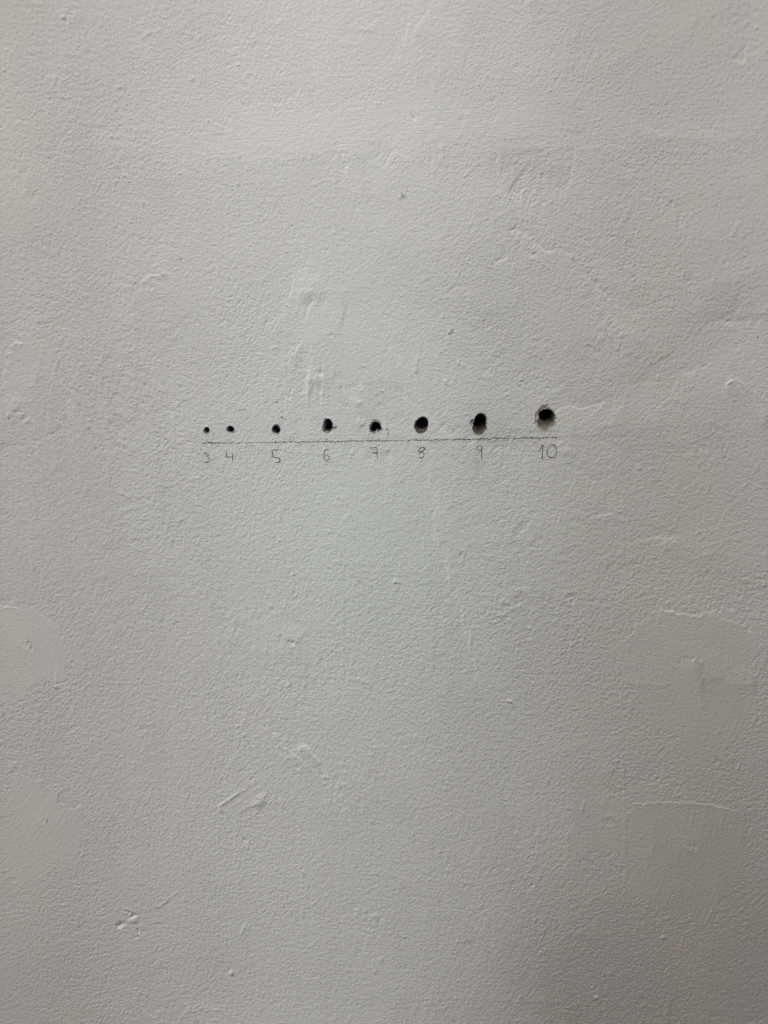
On the first floor, Portuguese artist Clara Amaral takes a different route, working across text, performance, and publishing. At the heart of her practice is an investigation into alternative forms of publishing and the performative dimensions of language. Through an intersectional feminist approach, Amaral challenges established structures of communication and knowledge, opening up new possibilities for how texts are produced, shared, and experienced. Her work proposes forms of encounter in which meaning emerges through relations between bodies, texts, and spaces. Rather than presenting knowledge as something fixed or singular, she explores how it can be generated through acts of exchange, translation, and mutual engagement. In this sense, her work also invites us to reconsider the conditions of living together: how separate perspectives might enter into relation, how difference can be maintained without becoming division, and how something shared might emerge between them.
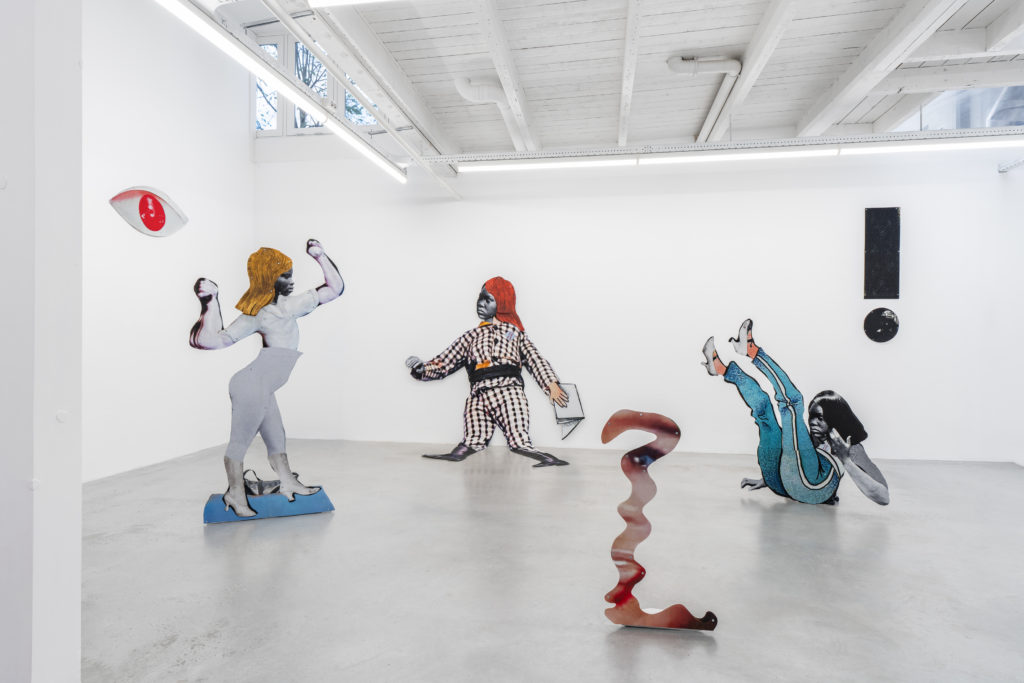
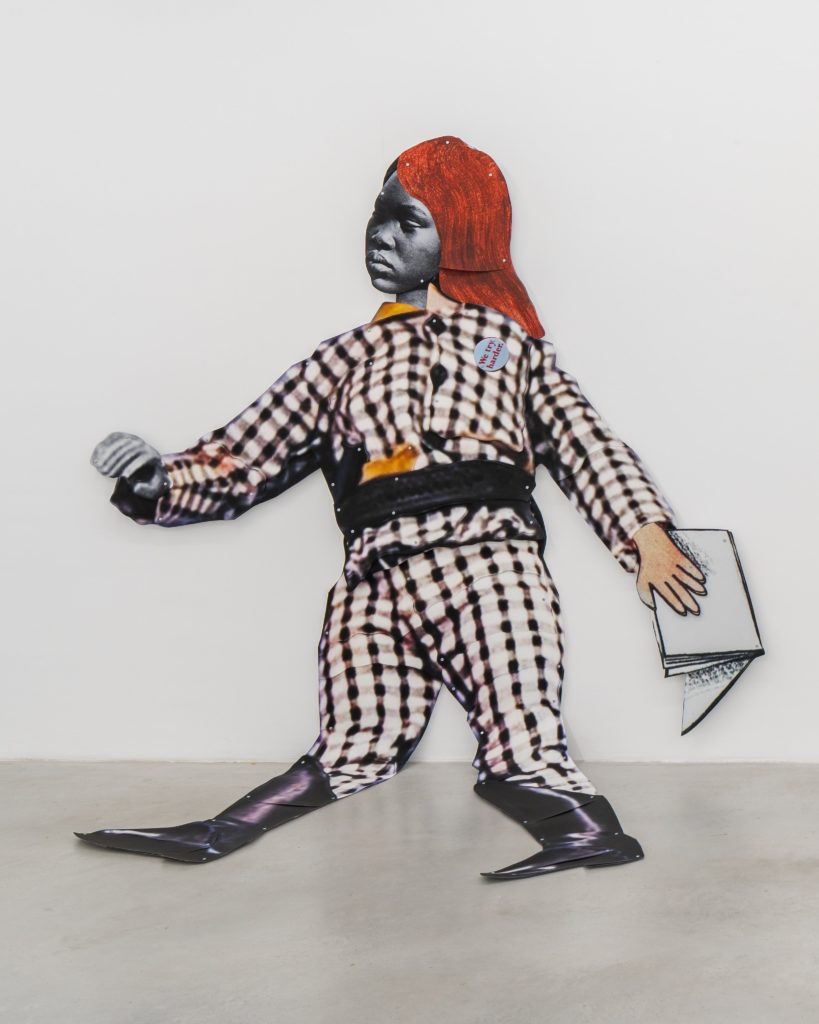
Moving on from the Rijksakademie, a prominent theme running through this edition of Amsterdam Art Week is the sometimes fraught relationship between past and present, both on a personal level and within a broader historical and political context. At Stevenson, Norwegian-Nigerian artist Frida Orupabo presents Days like Razors, Night full of Rats, a title borrowed from a poem by Charles Bukowski. The exhibition reflects on the possibility of books as a means of escape from the realities of everyday life. Orupabo’s familiar paper collages and archival imagery are presented within a scenography reminiscent of a political campaign, lending the exhibition an additional sense of political urgency.
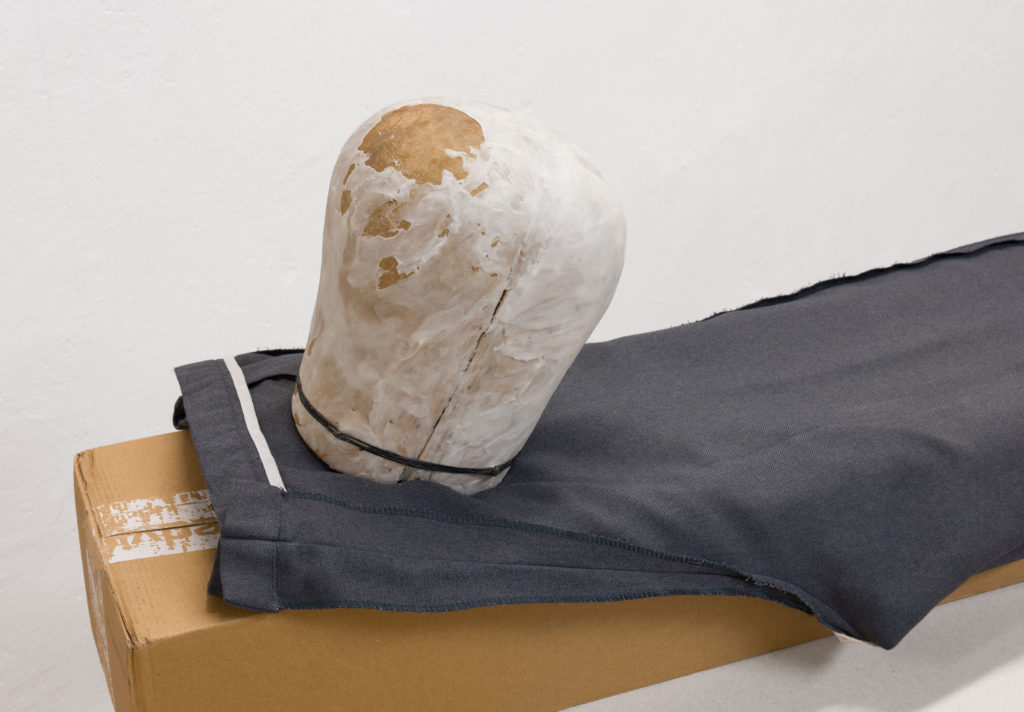
Also notable, at diez gallery Ian Waelder presents “will that last / does that hold” (2026), a solo exhibition shaped in part by the year he spent in Basel. Waelder’s practice often revolves around a recurring vocabulary of forms — the knee, the show, the nose — which return from one exhibition to the next, slightly altered but never quite resolved. This time, a new element enters the picture: the hat block, an old wooden form used by hatmakers, which the artist encountered during his daily walks from home to studio. Like a shoe last, it holds the shape of a part of the body that is no longer there, suggesting an absent figure through the objects left behind.
Throughout the exhibition, the body appears in fragments: a balding head, trousers turned inside out, a winter coat, a nose, a throat, and a tongue. Garments are opened, inverted, and cut, exposing their worn interiors, while discarded piano keys suggest a melody slightly out of tune. Newspaper clippings show faded, partly inverted portraits of children from another time, images that seem to emerge only gradually. What connects these seemingly disparate elements is Welder’s interest in repetition and duration. Small gestures, objects, and forms are revisited until they acquire new meanings, while the exhibition itself plays with the time it takes to look. There is something quietly compelling about this insistence on slowing down: as the artist suggests through the recurring gesture of checking an empty mailbox, sometimes it is simply a matter of waiting to see what might arrive.
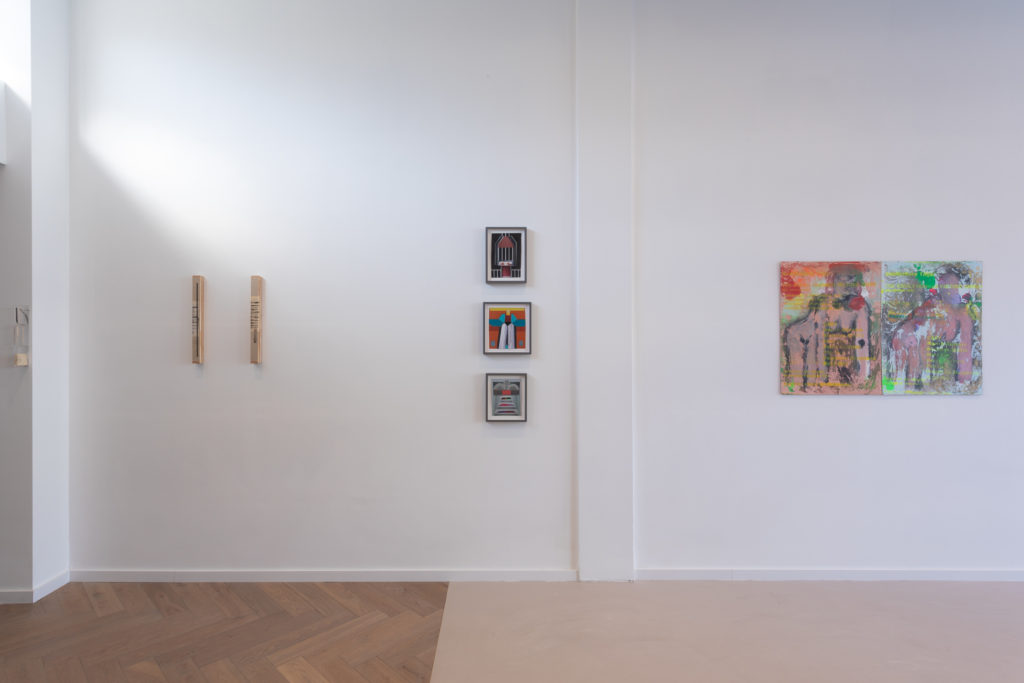
At Parnassus 212, Valentine, a transnational gallery collective initiated by the Hartwig Art Foundation, presents its first collaboration beyond the art-fair context, just a month after receiving the Frieze Stand Prize in London. “Working Title (Abstraction)” (2026) brings together LC Queisser, Misako & Rosen, ROH, Proyectos Ultravioleta, and Trautwein Herleth in a group exhibition curated by Martin Germann. Rather than approaching abstraction as a purely formal language, the exhibition considers how it might emerge through shifts in scale, processes of mediation, and the transformation of sensory experience.
Here, abstraction is less a question of formal language than a way of approaching images, objects, bodies, and identities through processes of repetition, translation, and transformation. The works explore what happens when something familiar is displaced or rearranged, and how meaning changes as it moves between contexts. This is also reflected in the exhibition’s collaborative structure: Valentine doesn’t present galleries as separate entities but brings their different approaches into a share space, leaving room for new connections to emerge.
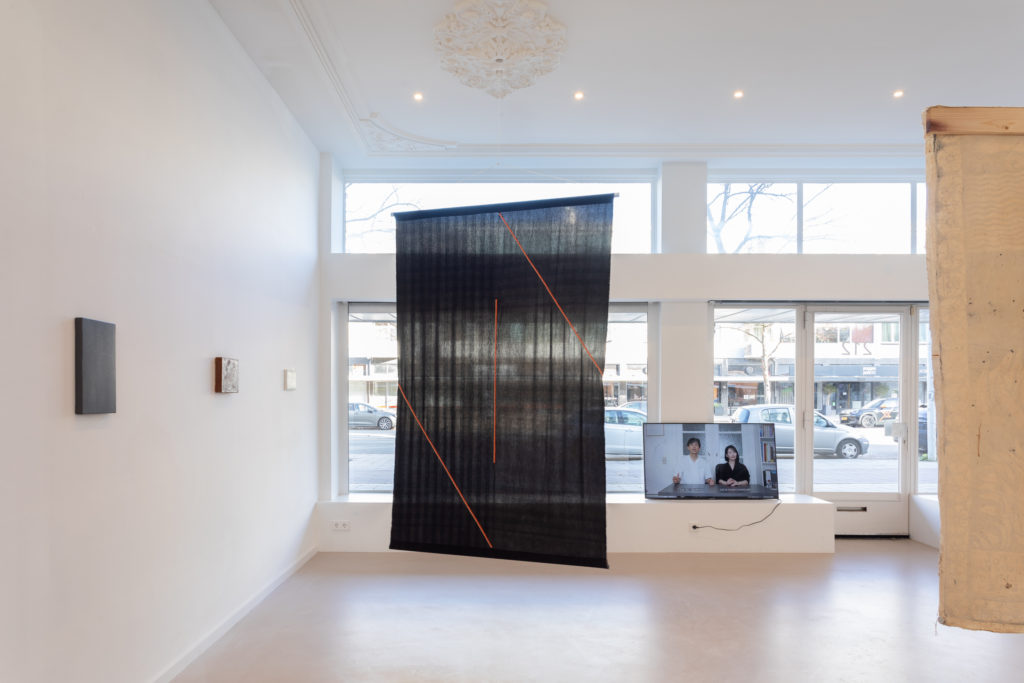
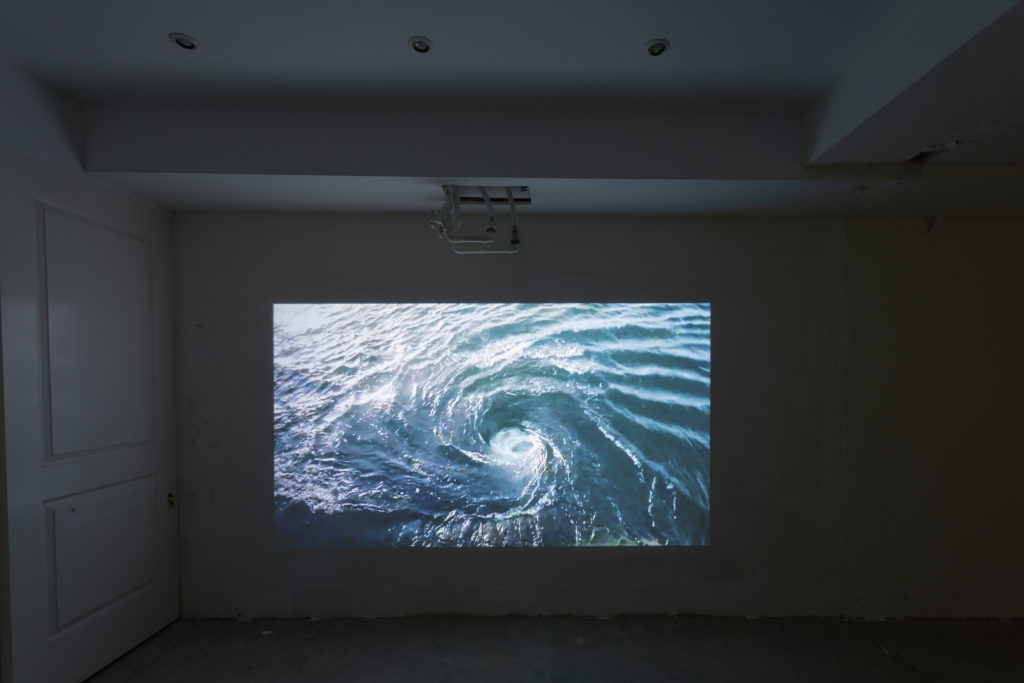
Stella Zhong’s The Center Does Not Hold turns a single water droplet into a playful yet unsettling exploration of scale, moving between the molecular and the cosmic. Blurring the boundaries between scientific observation and imaginative speculation, the work unsettles familiar ways of measuring and understanding reality. A different form of abstraction unfolds in Yuyan Wang’s One Thousand and One Attempts to Be an Ocean (2021), in which repetitive online videos and sound accumulate into an immersive, almost exhausting experience. Drawing on the rhythms of digital circulation and consumption, Wang exposes the tension between endless repetition and the possibility of meaning, transforming the familiar flow of online imagery into an exercise in perceptual disorientation.
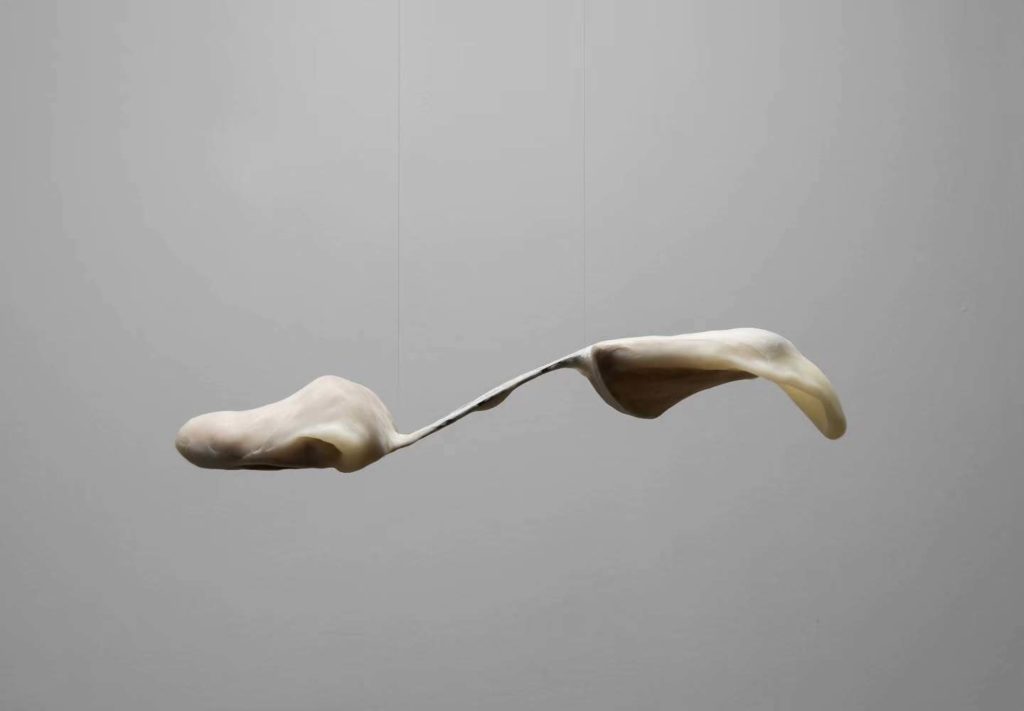
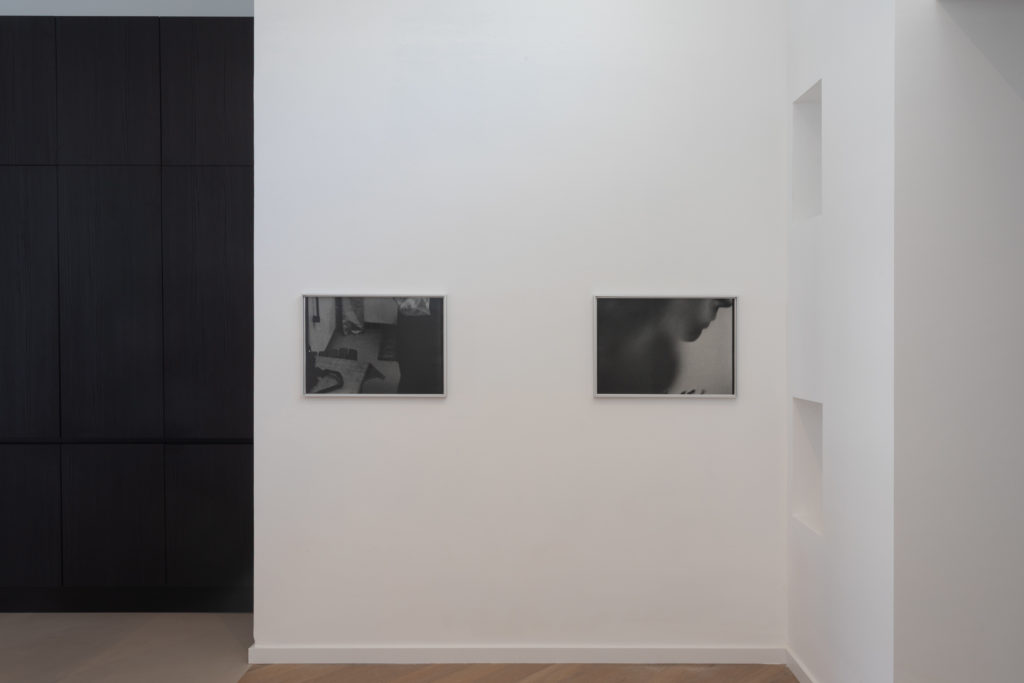
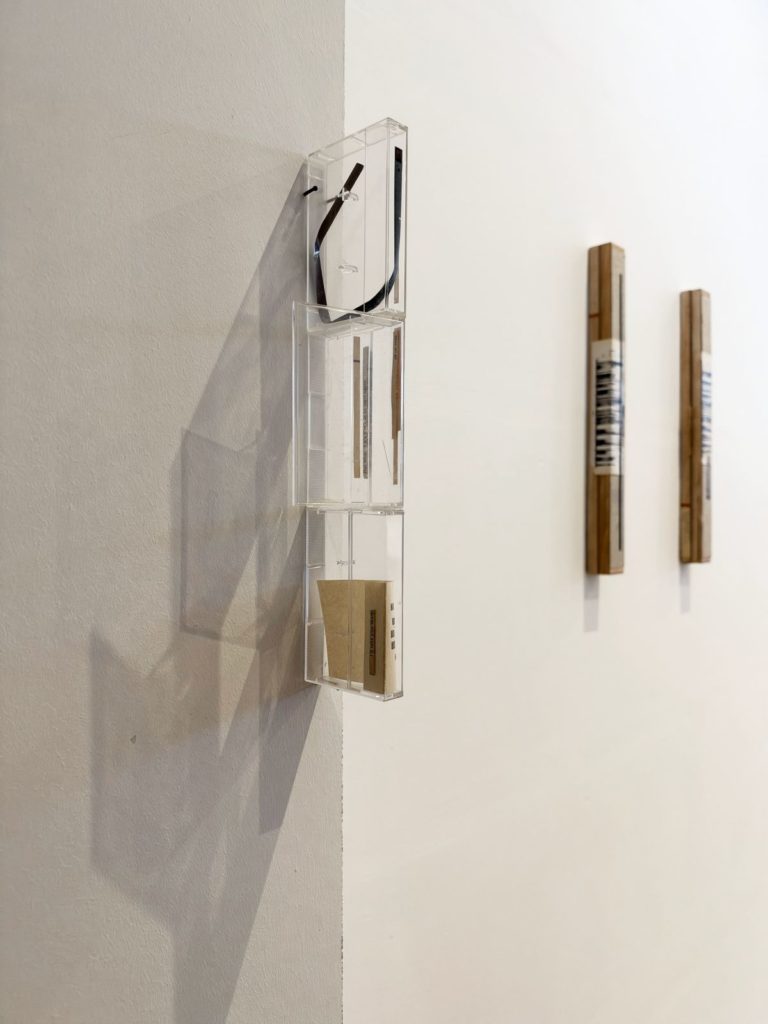
In the works of Simon Lässig and Keta Gavasheli, abstraction takes shape through the indirect representation of bodily presence. Rather than presenting the body as a visible subject, both artists approach it through the traces it leaves behind, exploring how physical experience can be registered, translated, and partially withheld.
Across the exhibitions, a recurring question seemed to emerge: How do we inhabit the world, and how much of that experience is shaped by the structures surrounding us? Whether through the politics of housing, the intimacy of domestic spaces, the transmission of historical memory, or the possibilities of working and living together, the artists gathered across Amsterdam offer different ways of looking at the spaces, objects, and relationships that make up our everyday lives.