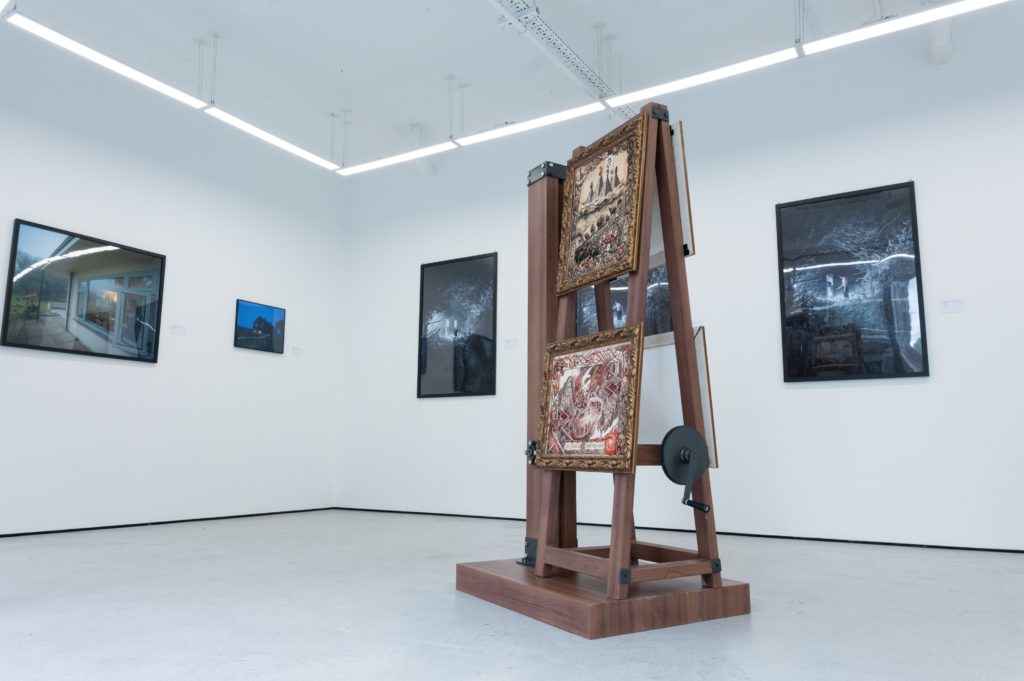
Across a practice comprising photography, moving image and installation, Kaiyuan Yang conjures metaphorically rich image fields to address contemporary anxieties. Through meticulous scene composition, lighting control and technical interventions, he emphasises the dramatic quality and symbolic systems of images drawn from Chinese religious and cultural traditions. More specifically, he has been dealing with the customs of loneliness and the ways in which we may come to inhabit their dark corners.
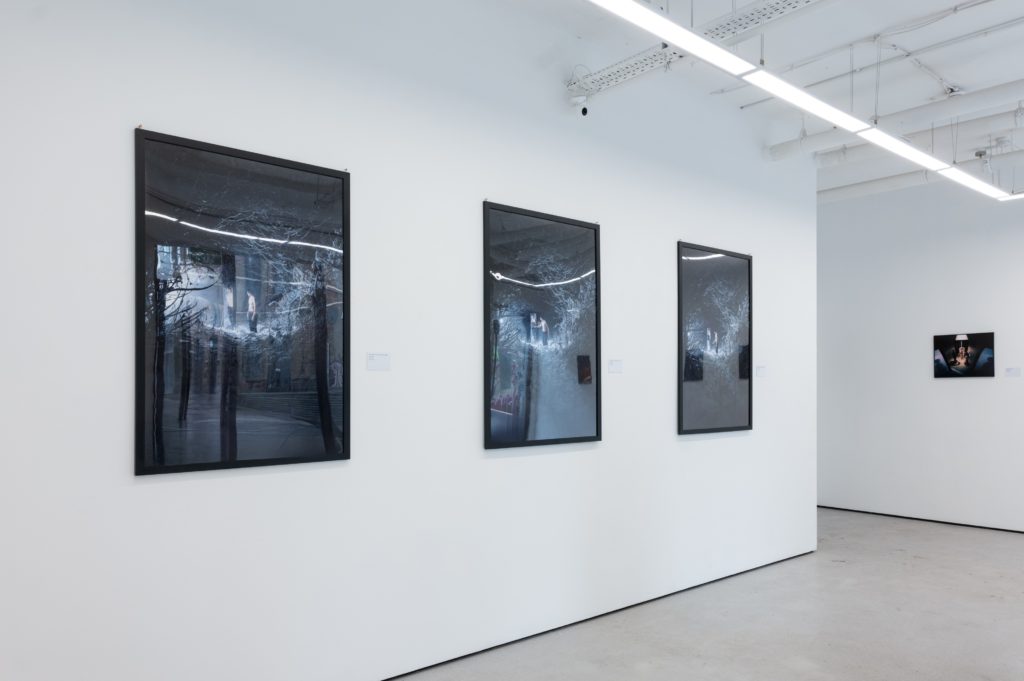
Conversations with the Reflection (2025) is one such visual journey, supplanting us into the depths of the human psyche to focus on the complex and paradoxical nature of the ‘people pleaser’. In Yang’s scene, a man ponders his own reflection beneath a nave of icy branches.
The isolating mechanism of the people pleasing persona is that a true self can never be met if the false self, the one in the reflecting image, compliantly steps in. Performative acts may win approval but the warmth of intimacy evades these stark snowy reaches.
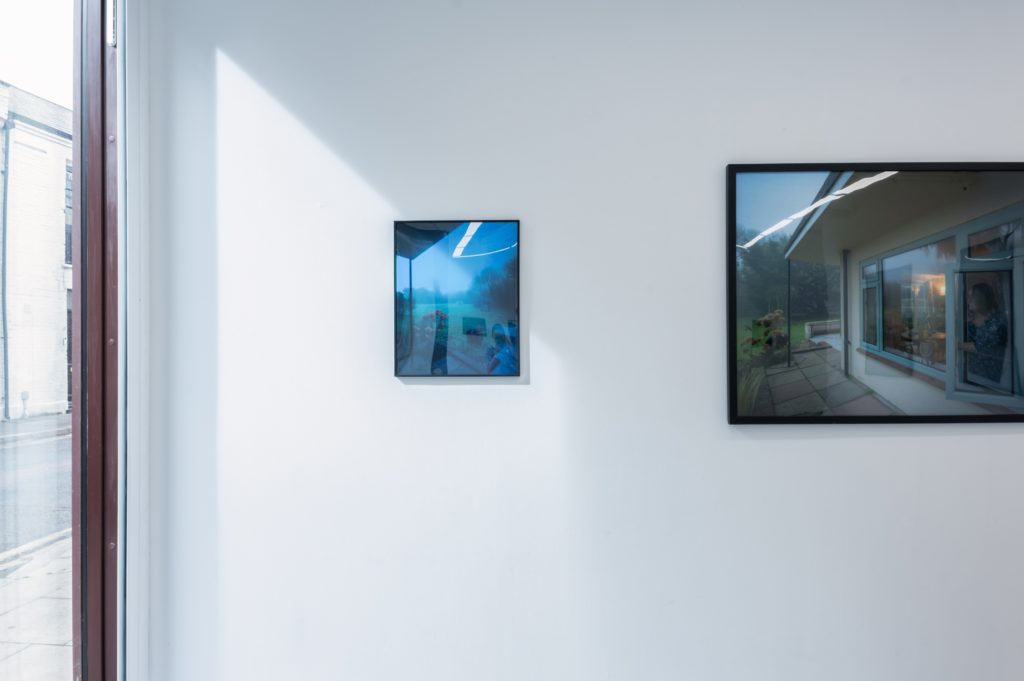
Fog, with all its transcendental suppositions, is a potent symbolic device for Yang and one that he returns to time and time again. In Conversations with the Reflection (2025), it delivers the figure to his isolated outpost. In the series The Edge of Warmth (2026), a thick haze maroons a house warmly lit from within. This cultivated bareness, a single woman at the window, is progenitive insofar as it too forces us to consider the forms of solitude embedded in everyday rural lives as something both shared and structural.
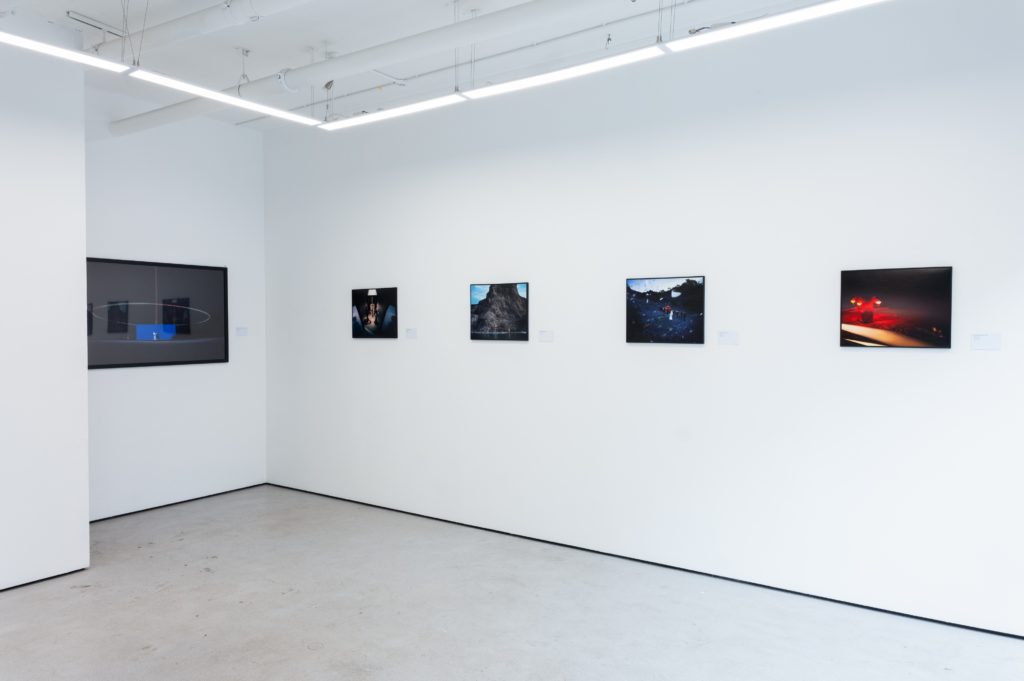
Efforts to evade the most irrevocable of solitudes, found in the finality of death, are the subject of Yang’s six-part photographic series Ghost Marriage (2024). The work takes its name from a ‘harmful custom’ – as the artist describes it – in Chinese tradition whereby the parents of a deceased son spend an inordinate sum to seek out a similarly aged deceased woman as a partner in the afterlife, fulfilling the Daoist concept of a complete family.
In one image, Yang invokes the imagery of the Red Thread of Fate, a belief in East Asian mythology, in which an invisible thread binds two individuals destined to be wed. Before a backlit black door –– which we come to recognise as a gateway to the underworld –– stands our deceased bride, stylised in attire that draws on traditional ceremonial elements whilst in keeping with the white associated with mourning in Chinese culture. She is flanked by envoys of the mortal realm; on the left, a father of her fated groom perhaps, and on the right, a matchmaker in mourning hired by the family of the bride. The symbolism of the red thread in this image is at once reassuring and unsettling, suggesting that the thread may now stretch beyond the boundary of the living and the dead.