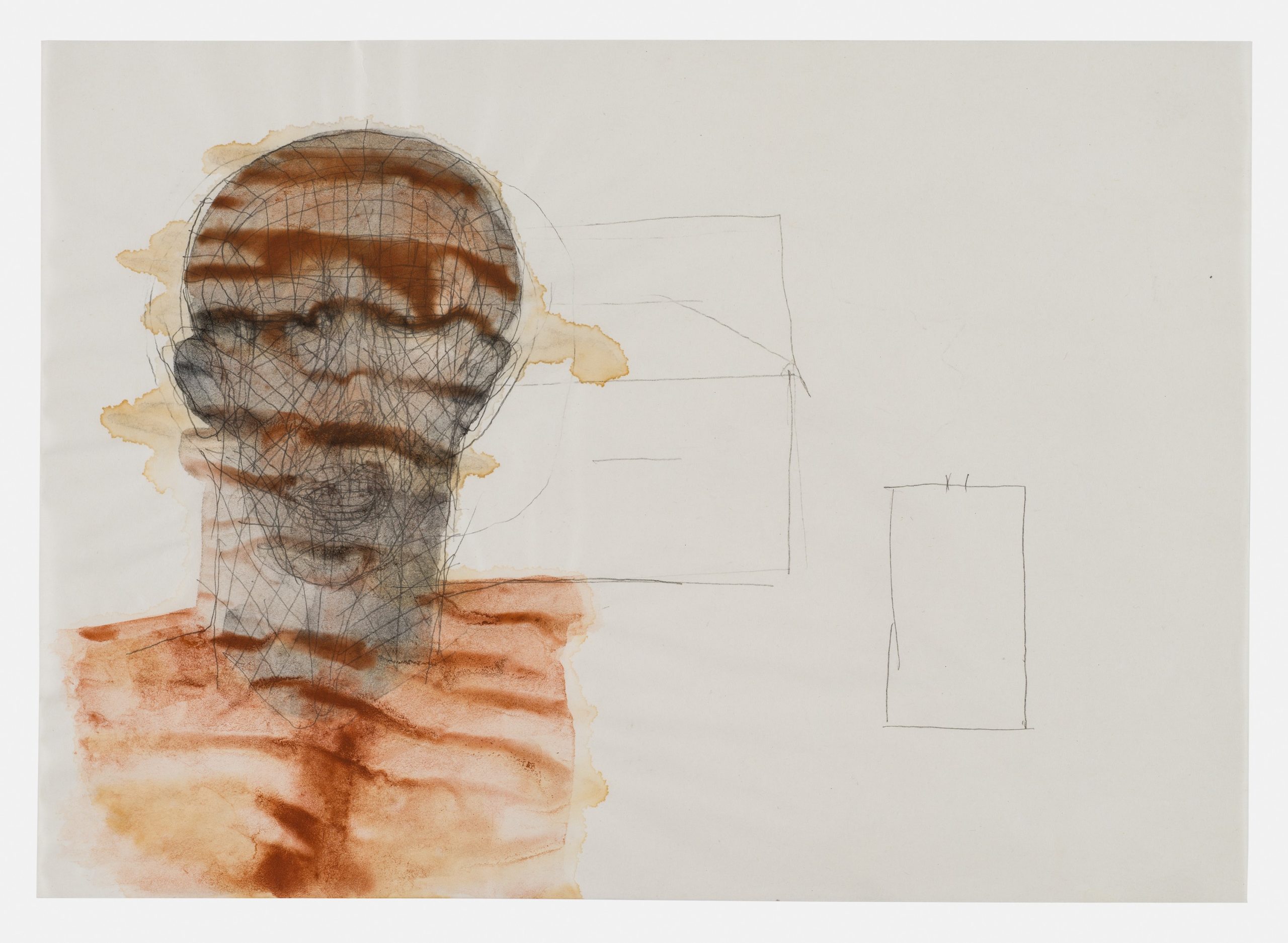
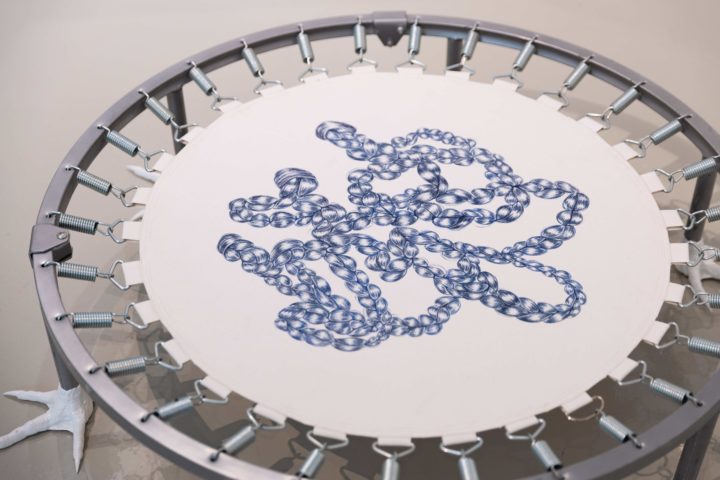
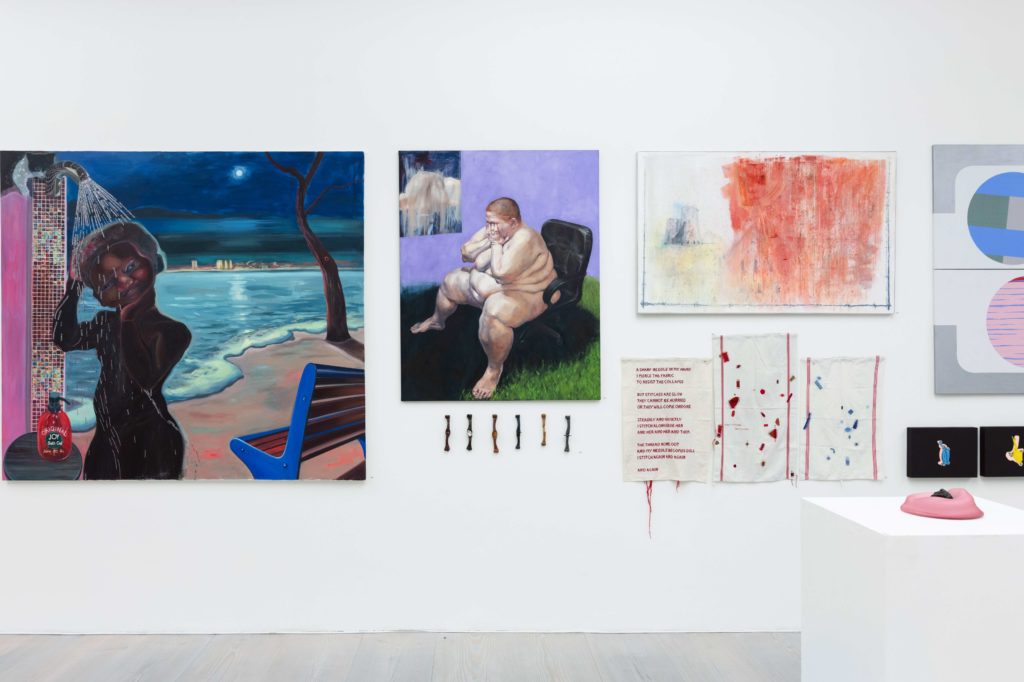
Based in London, trained across the creative industries and art, Fang Liu (Summer) presents a curatorial practice that refuses the static, the fixed and the grand. Operating across institutions, transient projects, and communities, Liu belongs to a new generation of curators who embrace the fluidity and flexibility of different positionalities of contemporary metropolitan conditions. Rather than tethering herself to a signature theme or a singular platform, she adopts a responsive, nuanced approach that situates artworks within open-ended constructs. Without insisting on coherence, Liu explores how plural artistic practices emerge from the quotidian shaped by the shifting tectonic plates of technology, ecology, and society.
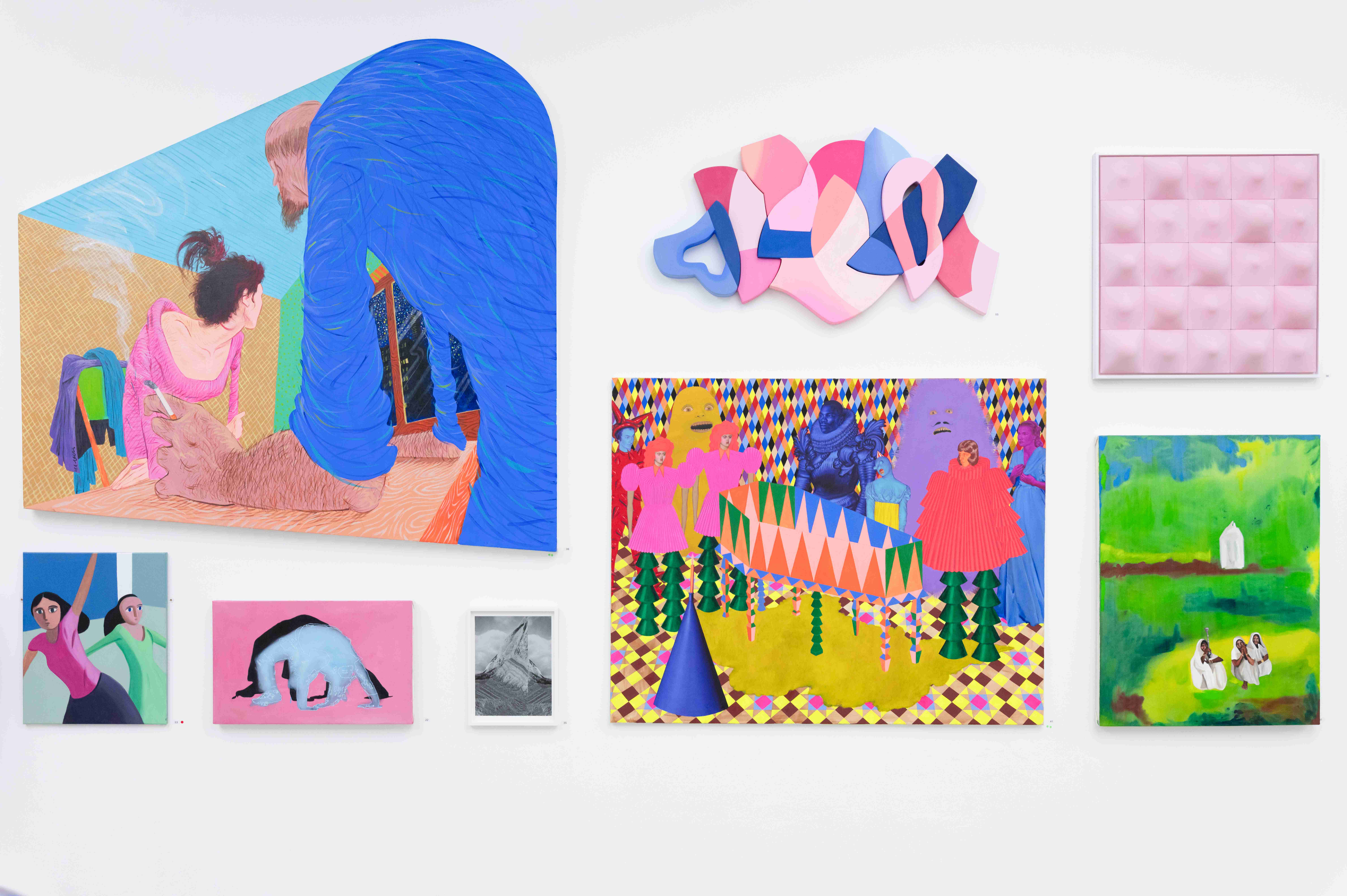
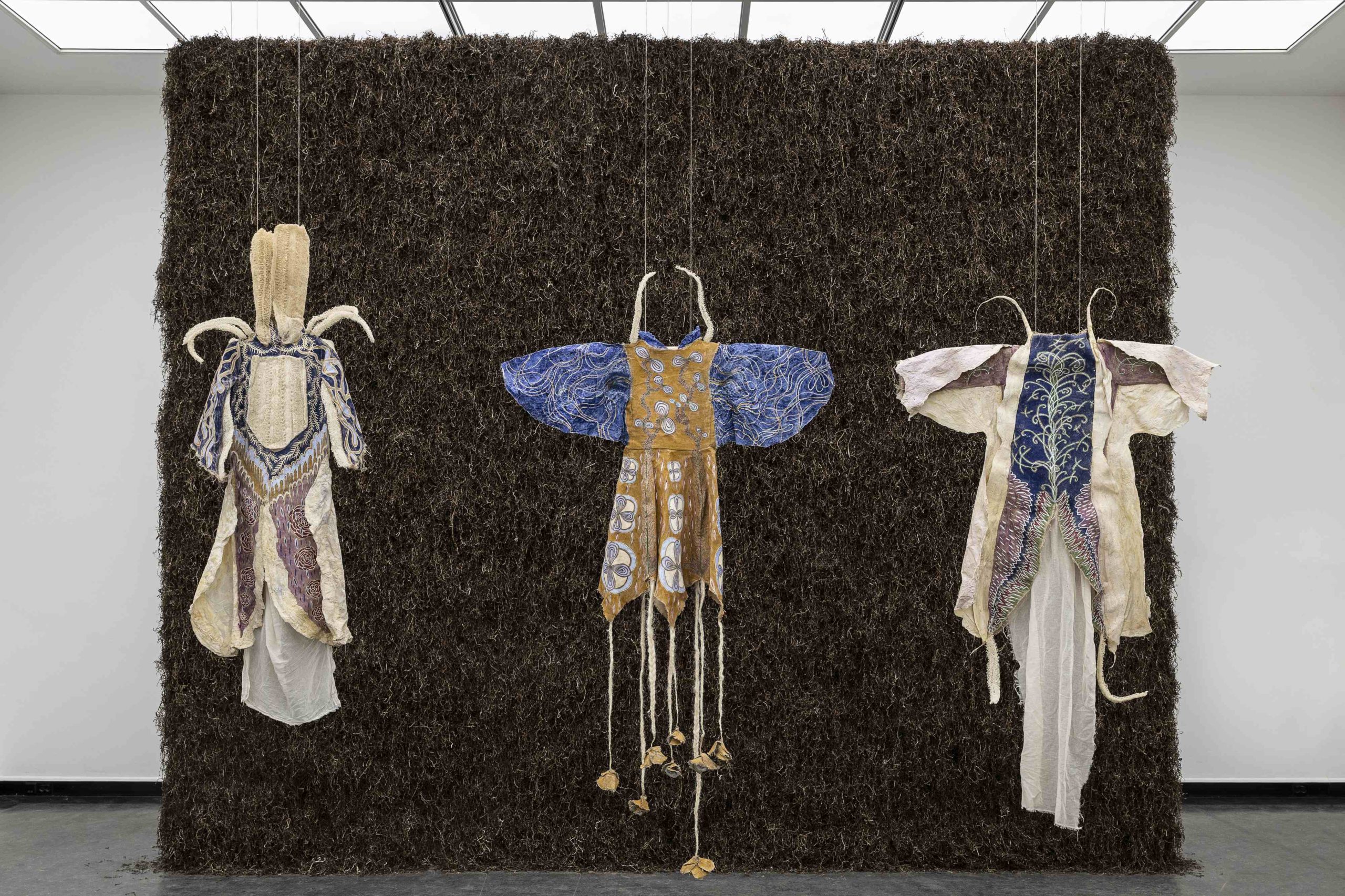
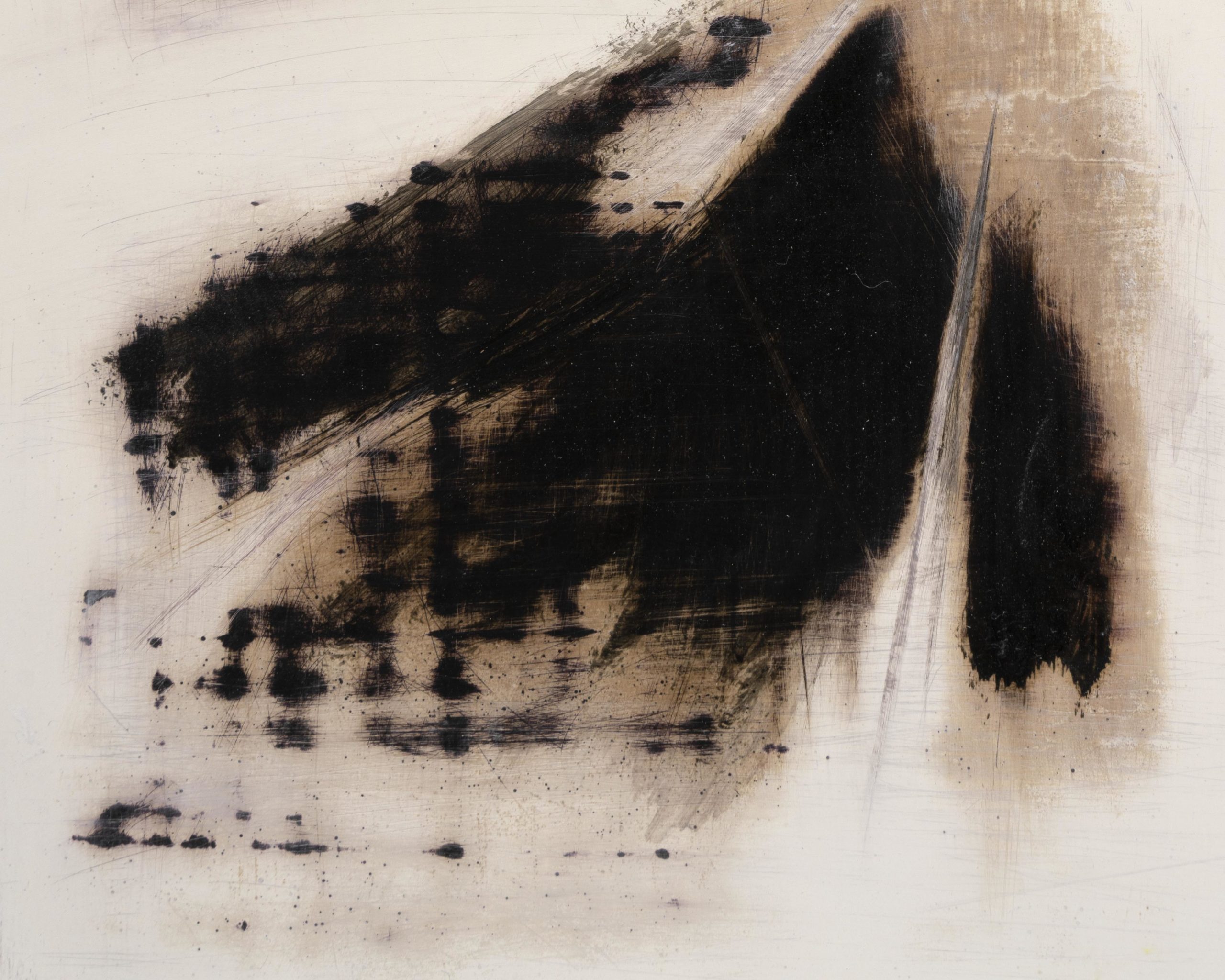
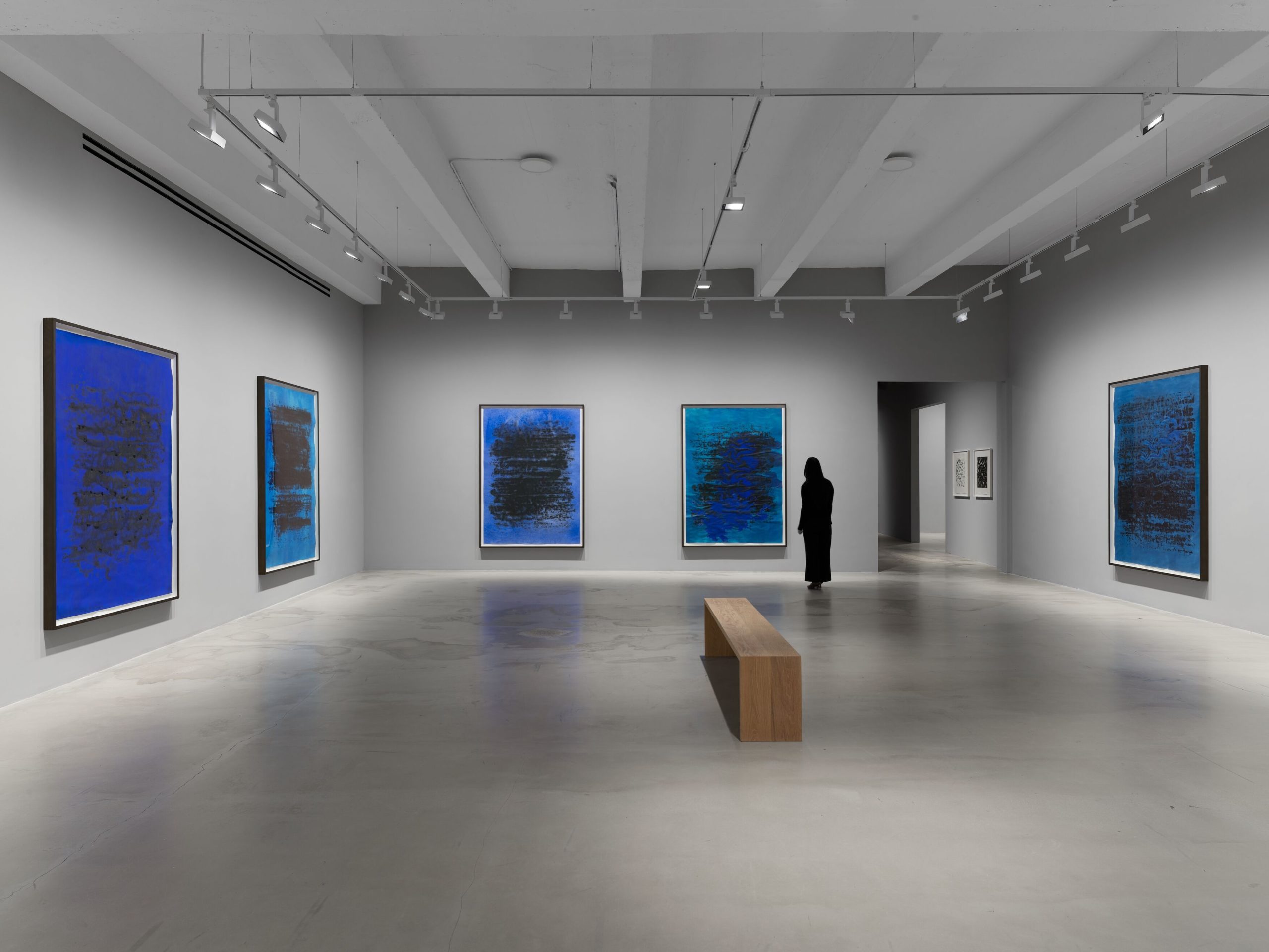
In ArtEvol 2025 (Saatchi Gallery, London), where she served as executive curator for nearly eighty works, Liu staged a vast spectrum of media, from sculpture and ceramics to installations. Drawing on concepts of control theory such as feedback and adaptation, the curator brought together artistic gestures that echoed the uncertainties and volatility of our contemporary moment. Her attentiveness to the quotidian surroundings recurred in the exhibition What Remains to Be Seen (1215 Gallery, Montreal). In this show, Liu examined the sediments of ordinary life, routine and mundane gestures. The show uncovered the resonant human experience entangled in dimensions of everyday life. Again, the curator grounded her practice in the textures of life, carefully interweaving the fragments rather than proclaiming an overt, singular statement.
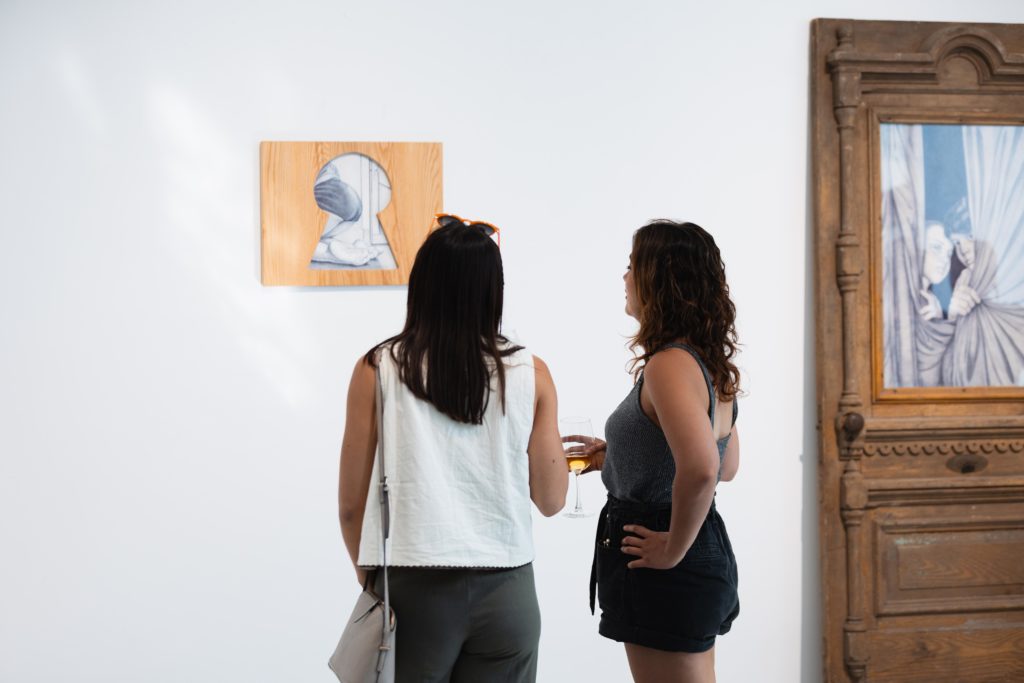
In Between the worlds: poetics of the fragile and the invisible (LooLooLook Gallery), Liu focused on the latency, fragility and disappearance. Her curatorial approach foregrounded what is unnoticed and hidden within an accelerated visual economy, defined by heightened production and consumption of imagery. Here, her attention to the fragile served as a tactic of intervention. It became a prompt encouraging close observation and slow looking, allowing the muted artistic language to surface against the flooding visuals.
However, Liu’s curatorial practice is not confined to the white cube. It extends beyond exhibition production. Through the creation of platforms such as Zero to One and Asian Girls Club,she has been continuously supporting and amplifying the Chinese and Asian contemporary artists and creatives’ practice. While the exhibition is, by nature, a temporary and localised event, these platforms defy such physical and temporal boundaries. By building these sustained frameworks, Liu addresses the gap in the system which intermittent institutional engagement with marginalised artists cannot fill. While the visibility an exhibition can offer is innately temporary, Liu’s practice offers continued dialogue and nurturing space where artists can voice, experiment and connect.