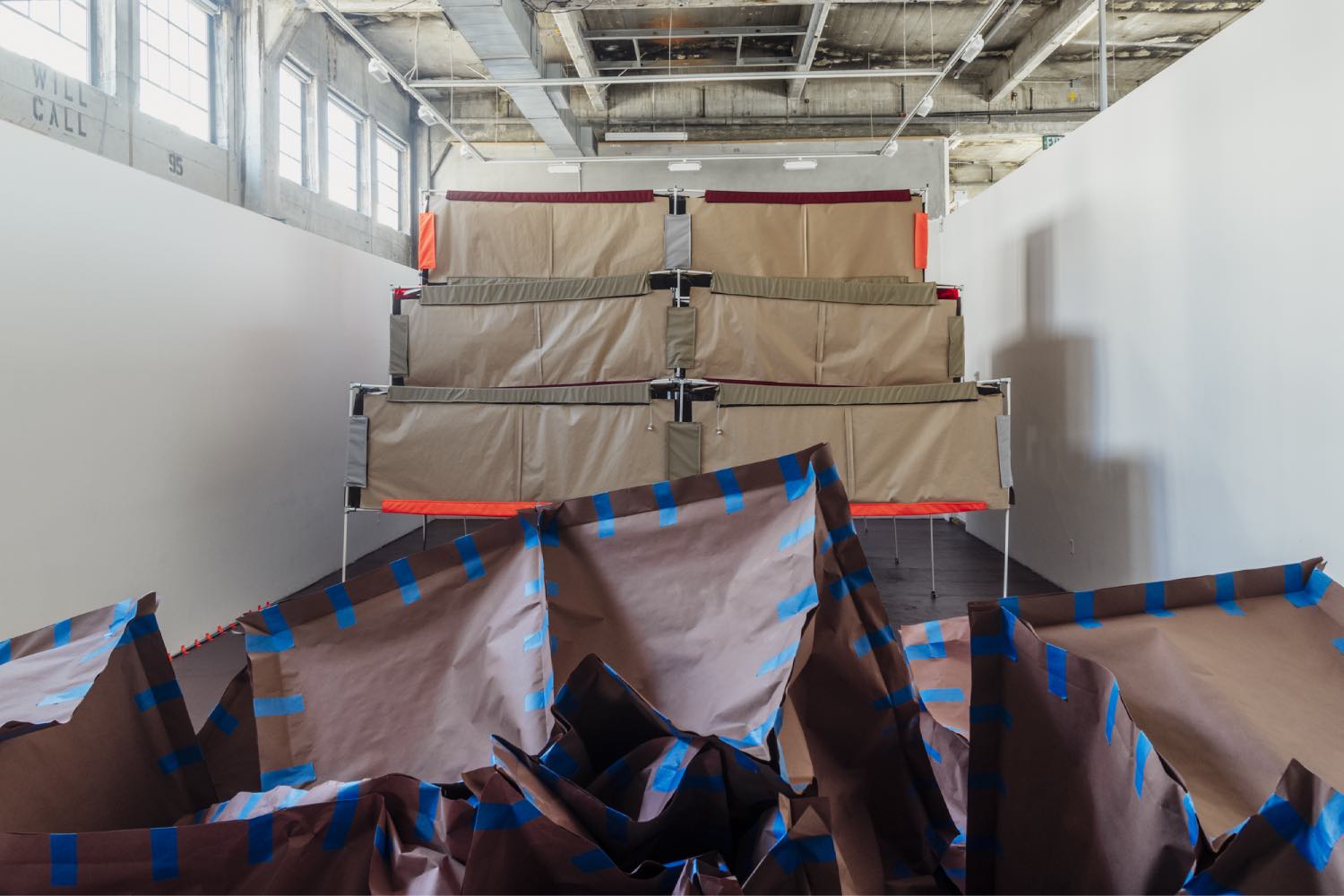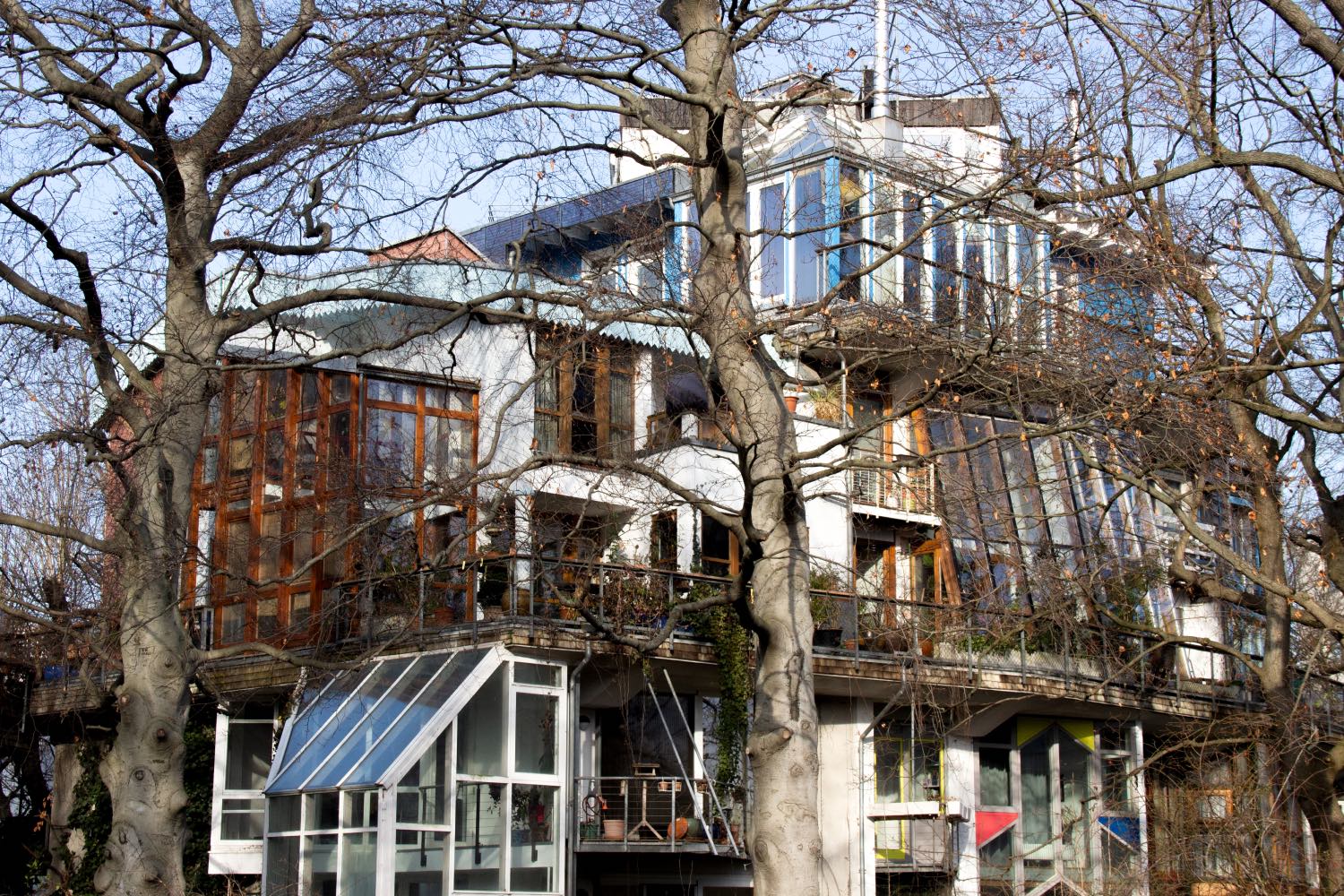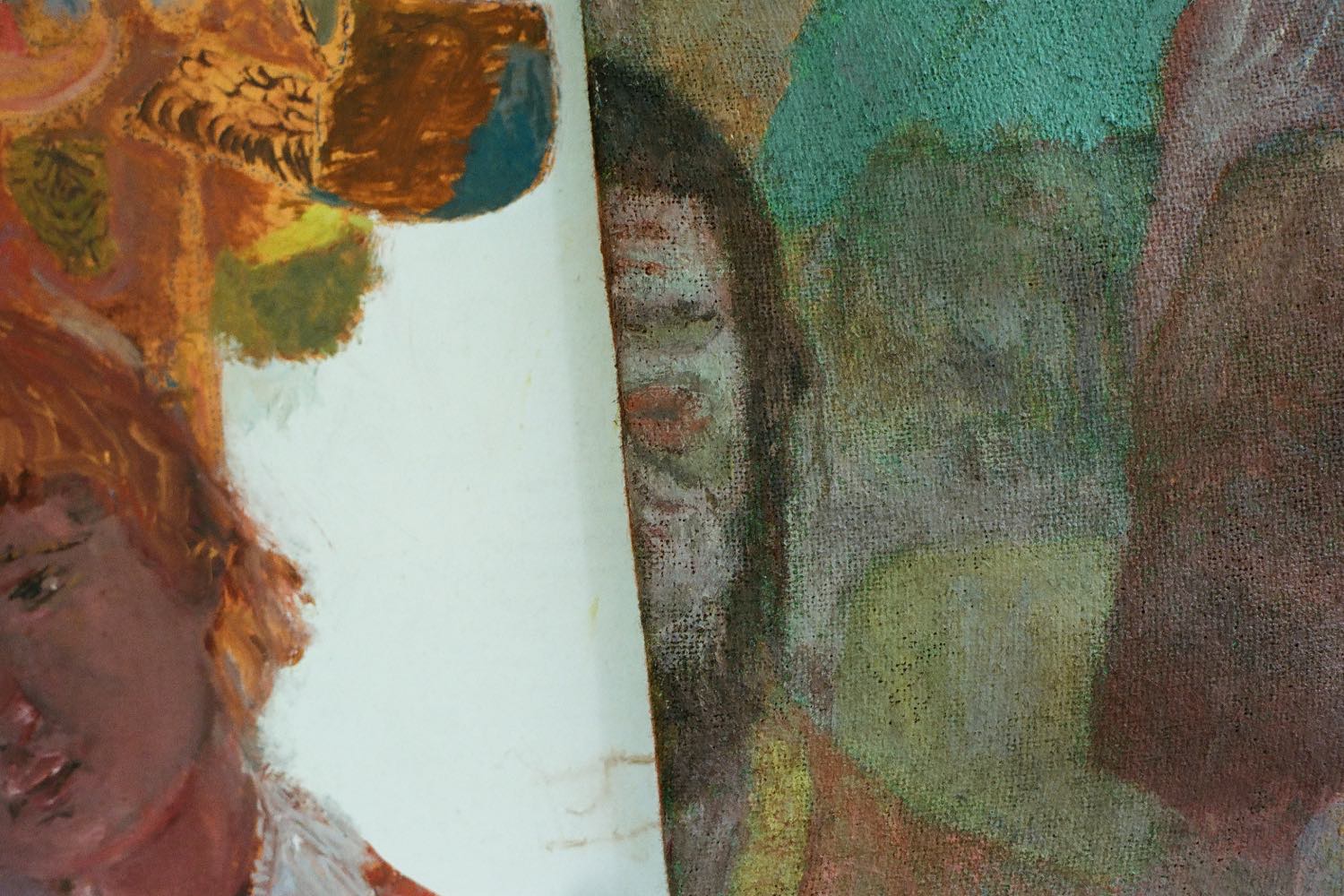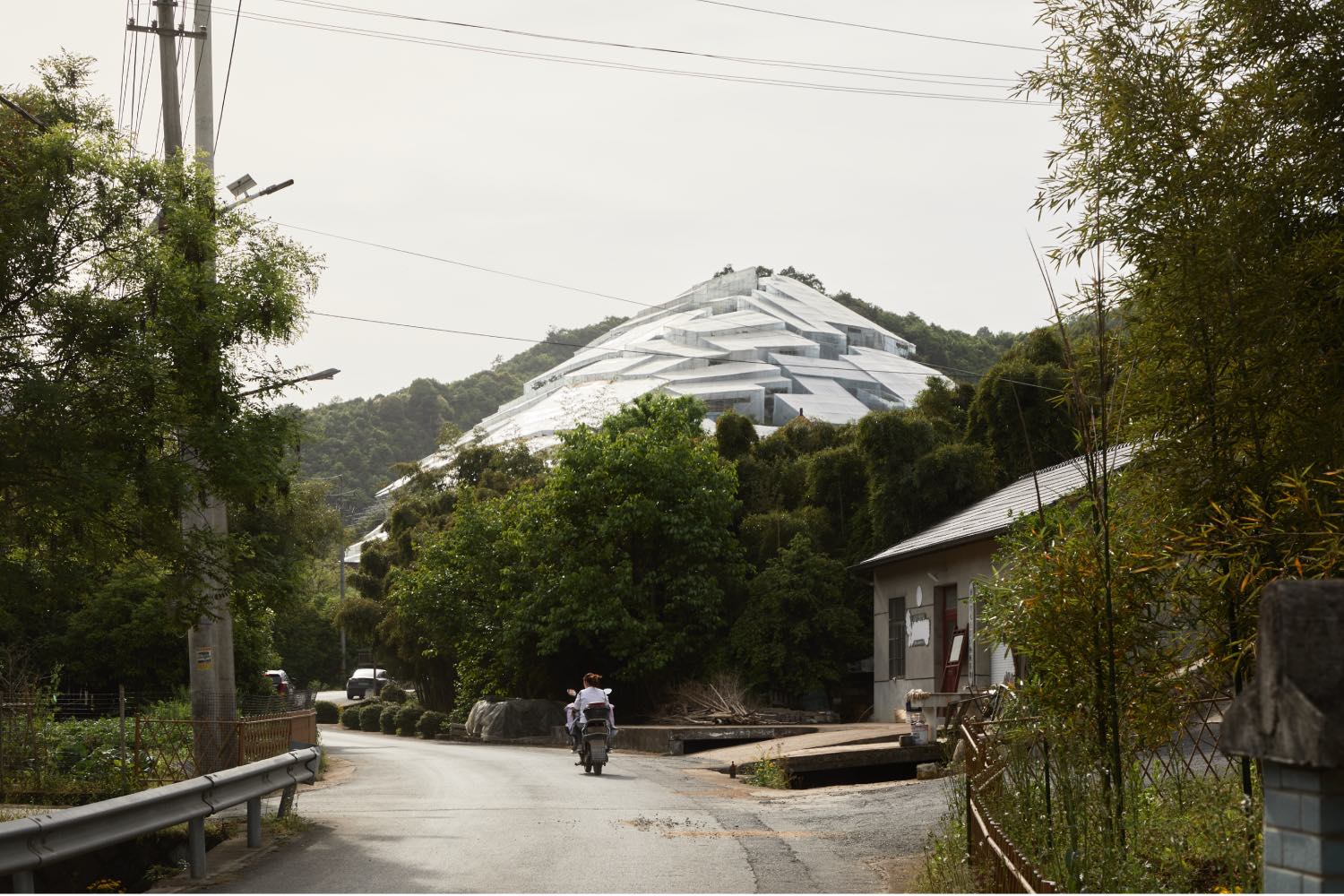

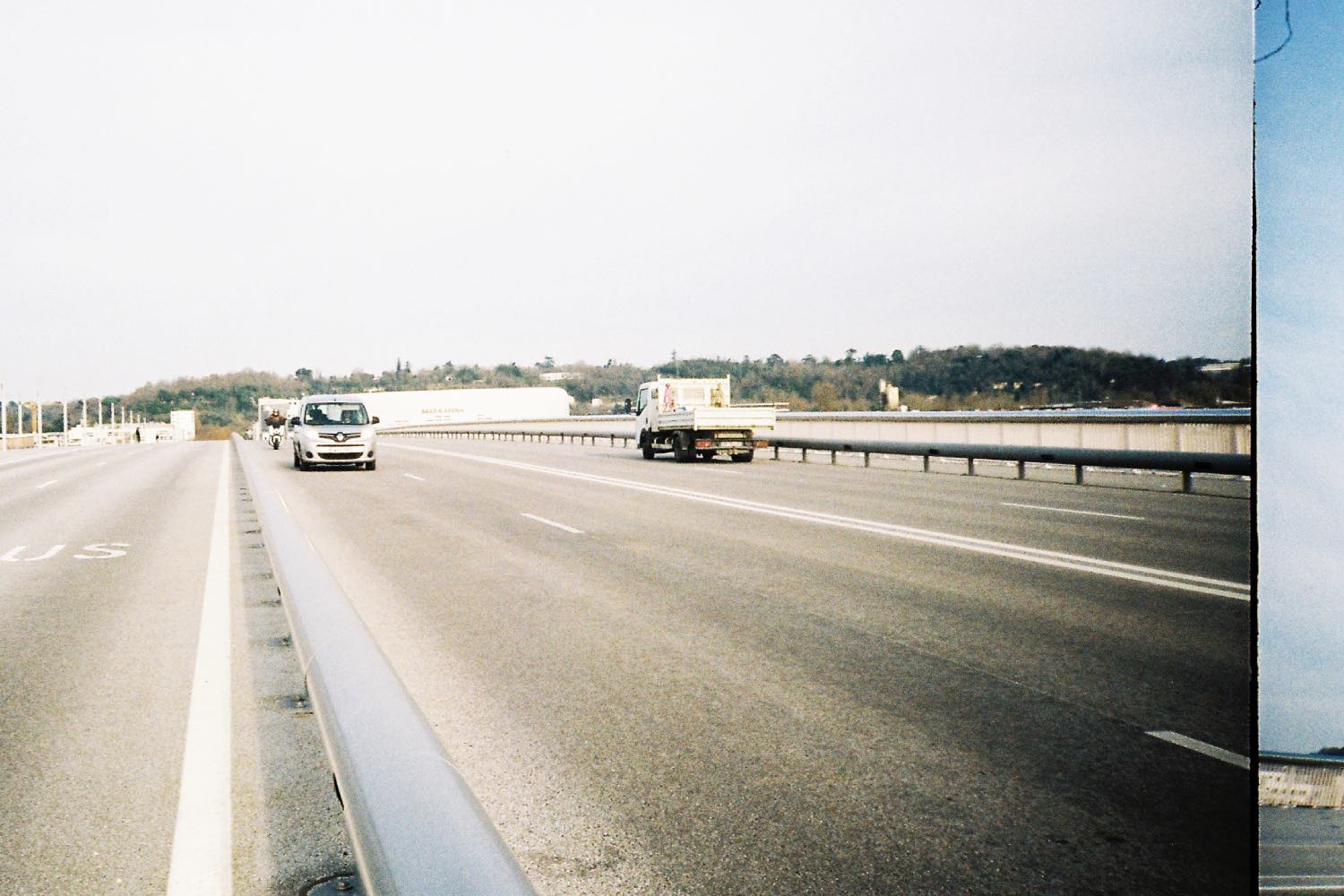
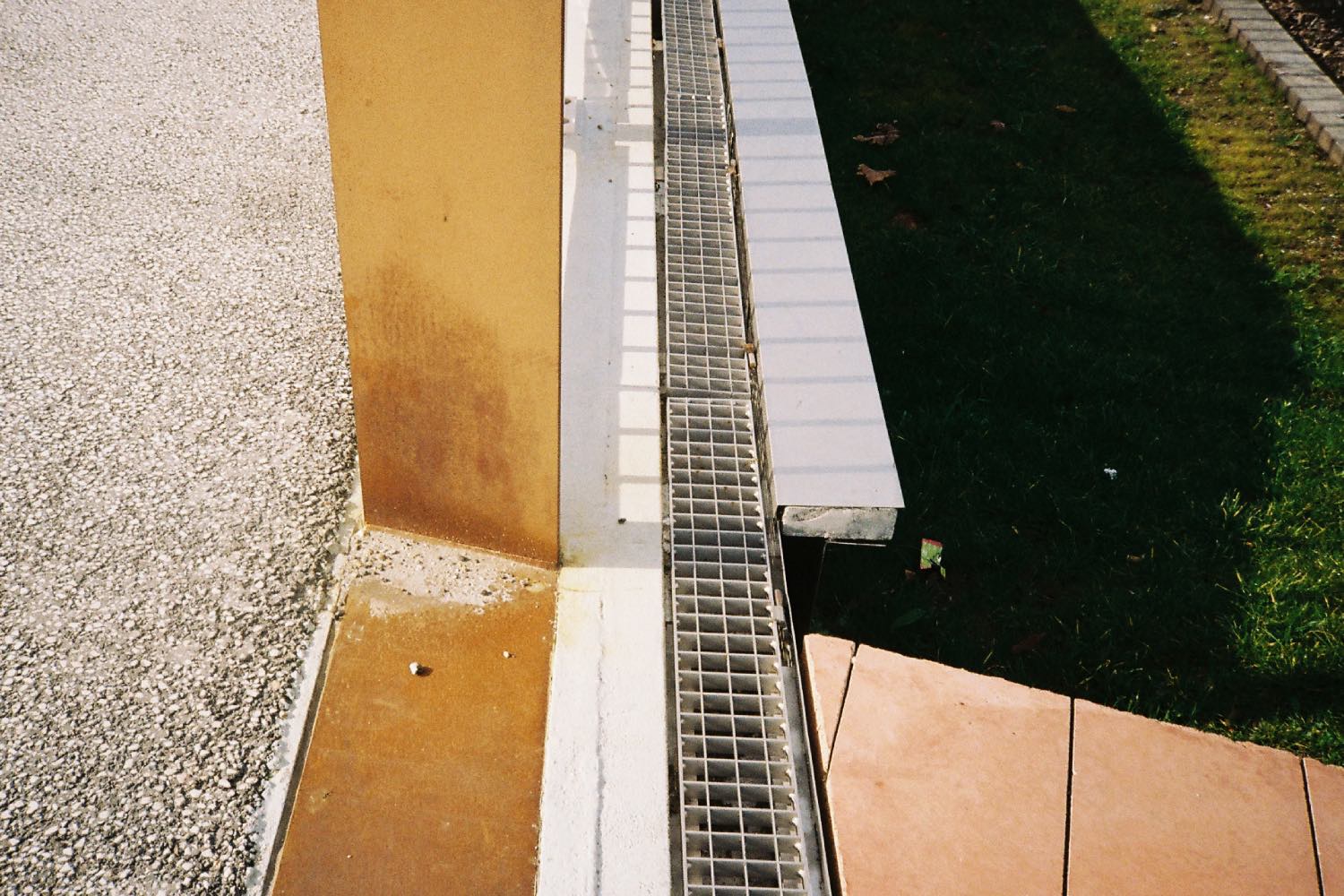
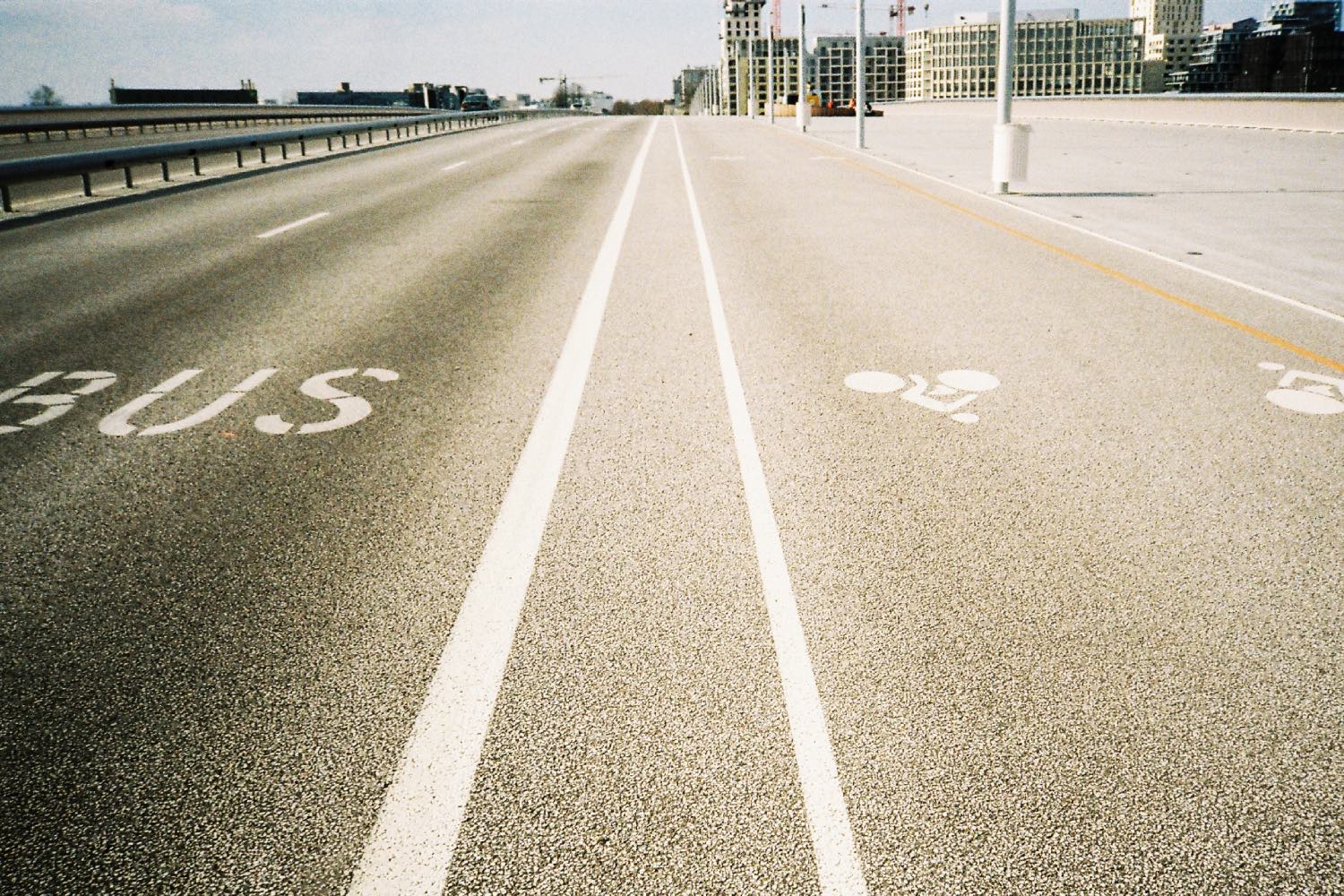
Almost nothing is too much.
– Reyner Banham, 19621
It is not uncommon to hear that architecture today has dissolved, lacking a shared foundation for discussion.2 This perception is understandable given the pressing urgencies of our time that demand constant reassessment of architectural values and concerns—often diverging from those that defined the capital P projects of the past.3 We could also point to the disappearing interest in theory and the waning influence of old manifestos as another valid explanation for this condition.4
Yet, despite architecture’s expanding scope – and acknowledgment that no single ideology has ever fully encompassed its production – distinct trends remain. Schools, practices, and texts continue to align with certain ideas more than others. One of them, prevalent but diffuse, shares a unique attitude toward form characterized by its tendency to do as little of it as possible. This approach follows identifiable strategies, which I am proposing to formalize in this text as the style of Almost Nothing.
AFTER EXUBERANCE
Like all new architectural styles, Almost Nothing emerges in response to what came before it. To understand it, we must look back to recent history. Between 1992 and 2008—after the Cold War and before the global financial crisis—architectural production was shaped by globalization, economic neoliberalism, the increasing speeds of computation, and the expanding connectivity of the internet. The optimism of the millennium manifested through form: buildings became bigger, curvier, sleeker, shinier, taller, and more complex. The systems of power of the Global North at that time commissioned significant public works to famous architects, and the discipline responded with iconic buildings that celebrated technological advancements in design, fabrication, and execution, an architectural extravaganza of prowess and skill undeterred by any economic, social, or environmental constraints.
Rem Koolhaas and Bruce Mau captured this momentum early on with S,M,L,XL (1995), a 1,376-page volume that reflected the prevailing architectural concerns of the next twenty-three years. Architecture fell in love with money and power, and money and power fell in love with architecture. By 2004, brands like Prada and Wired Magazine, global events like The Beijing Olympics, and cultural institutions like Universal Studios, Guggenheim, and Disney had commissioned major works from OMA and similar firms. Koolhaas and his collaborators responded to this surge with Content (2003) — a chaotic, almost unintelligible publication that simultaneously celebrated and satirized the saturation, excess, and decadence of the time. This iconic book can also be interpreted as a sign of an impending collapse of the system that maintained this form of practice, a happy, satisfied goodbye to an unsustainable world system.
Seventeen years after the financial crash, we find ourselves in a new post-neoliberal economic paradigm – one marked by polycrisis, techno-feudalism, subscription models, and the algorithmic hyper-personalization of online marketing;5 Like a growing child, architectural production between 2008 and 2025 can be considered the infancy and teenage years of a new architectural paradigm. Narratives of play, pastel colors, soft corners, funny childlike aesthetics, irony, shapes, piles, cartoons, toys, candy, boredom, cuteness, and memes captured the intellectual production of American architects during those years.6 While much of this work remains unbuilt, the few built examples and the residual texts, images, drawings, and models share the formal qualities and stylistic/thematic concerns described above that make them identifiable as a generational project best captured by the publication and symposium Possible Mediums (2018)7.
In The Problem with Shape (2017), Hans Tursack critiqued the trend, arguing that its aesthetic language represented a comfortable retreat into irony8. Two years later, Jimenez Lai responded with Between Irony and Sincerity, stating the movement’s engagement with pop culture, post-digital aesthetics, and metamodernism9. A similar exchange occurred earlier between Michael Meredith (Indifference, Again, 2017) and Mark Foster Gage (Speculation vs. Indifference, 2017), with Meredith categorizing young, primarily American practices under the umbrella of indifference10, and cautiously aligning his firm, MOS, with the term. In a hopeful tone, Meredith states that the indifference that he finds in the approach of these practices is “not necessarily [reflective of] the avoidance of or giving in to extremist politics.”11 Foster Gage’s response focuses on pointing out the careful, intentional, formal choices that he observes in the work, and more importantly, presents the possibility of an expanded set of groupings for architects of that generation, listing the positions of speculative realism and object-oriented ontology as examples of additional camps through which one could understand the production of this period.12
Lai’s interpretation and use of Metamodernism to ascribe irony as a device for critique is particularly relevant. As Timotheus Vermeulen and Robin van den Akker describe it, “Each time the metamodern enthusiasm swings toward fanaticism, gravity pulls it back toward irony; the moment its irony sways toward apathy, gravity pulls it back toward enthusiasm.”13 This oscillation illustrates the self-regulating nature of contemporary culture. Vermeulen and van den Akker define the metamodern as an ever-present tension between the modern thirst for meaning and the postmodern doubt of it all. This dance suggests a position that does not resist the dominant cultural forces—a lenient, flowing, automatic product of a given context.
MEANINGLESS FORM
So, how did we get here? Why, and when, did architecture cease to be meaningful? What happened to the still recent atmosphere of fervent debate narrowly exemplified by the exchanges above?
The “all-out” condition of the internet described by Hito Steyerl in Too Much World: Is the Internet Dead? (2013) might provide an entry point to answer these questions. Steyerl warns us of the influence that internet culture could have once it materializes as an offline phenomenon. She speculates:
“The internet persists offline as a mode of life, surveillance, production, and organization—a form of intense voyeurism coupled with maximum nontransparency. Imagine an internet of things all senselessly ‘liking’ each other, reinforcing the rule of a few quasi-monopolies. A world of privatized knowledge patrolled and defended by rating agencies. Of maximum control coupled with intense conformism, where intelligent cars do grocery shopping until a Hellfire missile comes crashing down. Police come knocking on your door for a download—to arrest you after ‘identifying’ you on YouTube or CCTV.”14
This vision became reality during the COVID-19 pandemic, when the internet was no longer just everywhere – it became everything. As life receded behind screens, people feared the mere possibility of contact and exposure.
The continued digitalization of life fosters alienation and meaninglessness. In his 2019 book, On Insignificance: The Loss of Meaning in the Post-Material Age, Massimo Leone expounds on this premise and argues that meaninglessness is not the same as insignificance, explaining: “A sign can be meaningless because one fails to access its semantic content, pragmatic functioning, or both. But a sign cannot be insignificant.[…] An insignificant sign is a sign that stands for nothing, to nobody, in no respect or capacity. It is a non-sign. It is a thing.”15
If architecture still functions as a sign, then meaningless form suggests that we either fail to interpret its meaning or it simply makes no sense to us — or both. Leone proposes that to restore meaning, we must familiarize ourselves with the codes behind a sign. Applied to architecture, this means decoding its cultural context, language, and patterns of occurrence.
The opposite is also a viable alternative: as a discipline, we can accept the condition of architecture as a non-sign and accept that the outputs of our field are insignificant. Forms that, as Leone puts it, stand for nothing, to no one, and in no respect or capacity. Just things.
STRATEGIES OF ALMOST NOTHING
Almost Nothing emerges as a response to contemporary architecture’s condition of meaninglessness. In the empty semantic space between form and its significance, the sheer presence of the overtly recognizable sign (expressive form) risks underscoring the missing or elusive meaning behind it (the theoretical underpinnings of form). Thus, this type of contemporary production resists the strategies of modernist composition and the traditional relationship between geometry, projection, and architecture. Practicing Almost Nothing demands evading authoring geometric form and favoring the composition, alteration, and re-signification of preexisting elements.
With this in mind, it is possible to identify the work produced in the style of Almost Nothing by its implementation of some or all of the following non-comprehensive list of strategies:
– Minimal Intervention. This strategy borrows the term from Swiss sociologist Lucius Burckhardt to describe an inclination to preserve an existing condition by intervening only as much as necessary to fulfill an architectural intent.16 Architectural work produced in this way focuses on maintaining the integrity of the original site, structure, object, or material to ensure that their inherent qualities – whether they are historical, environmental, or spatial – remain dominant. Ultimately, Minimal Intervention seeks to maintain and amplify what already exists, introducing subtle yet e!ective alterations that re-signify the subject’s original condition.17
– Re-materialization. This strategy refers to the reuse, transformation, and reinterpretation of material components. Rather than simply recycling materials for their practical value, re-materialization involves repurposing or presenting materials in ways that suggest their latent signifying capacity, drawing attention to the component’s ability to convey a deeper narrative that connects the present work to a broader cultural, historical, or emotional context.18This strategy also concerns the aestheticization of traces — the marks left behind by inhabitation, the construction process, or the previous history of the architectural object.19 Traces become indexical reminders of the material forces that have shaped the space. From this perspective, materials, objects, and traces are recontextualized as signs, exceeding their solely pragmatic role.
– Poeticized Function. This strategy refers to the poetic redefinition of a use or function, where “poetic” is understood in the sense of poiesis —meaning to create or bringing into being.
involves reinterpreting and reimagining conventional activities, uses, or rituals of inhabitation and giving them form through a functionalist, strippeddown design approach. In this process, the traditional notions of form and function are not simply co-dependent but simultaneously authored, resulting in alternative formal expressions of familiar objects and types.20
– Evident Subtlety. Although the style of Almost Nothing aspires to avoid formal gestures, it deliberately ensures that its interventions are legible and expressive. Subtle contrasts – through material, color, or placement – make these interventions noticeable, signaling their potential meaningfulness.21
Here lies a fundamental contradiction of Almost Nothing: while these four strategies attempt to dissolve the authorial gesture of the architect to an almost imperceptible level, work produced in this style cannot emerge automatically from its context, and thus, the figure of the architect/designer cannot be removed from the process of its conception (or interpretation, for that matter.) The outputs of the discipline, whether they are buildings or other types of media, remain authored by someone to this day. Practices still have a name, and most of us still believe in and uphold the ownership of our intellectual production.
The emergence of Almost Nothing reflects the paradoxical nature of contemporary architectural practice. It acknowledges the pervasive sense of alienation and meaninglessness in a hyper-mediated, post-material world yet refuses to retreat into nihilism. Instead, it embraces the tension between action and inaction, presence and absence, meaning and insignificance. In many ways, Almost Nothing can be understood as both indexical and notational: its formal attributes mark the traces of intellect, creative intent, or events that would otherwise remain invisible, giving them material form through subtle interventions.
This approach invites a reevaluation of the architect’s role — not as a singular creator imposing ideas upon the world but as a mediator, facilitator, and sometimes a silent observer. It challenges us to question what architecture can and should do in an era of crises, complexity, and a widespread sense of disconnection. Rather than crafting a grand narrative or surrendering to insignificance, Almost Nothing acknowledges the presence of the invisible and invites reflection on it through minimal gestures. By doing almost nothing, it seeks to achieve just enough.