An archive within an archive: a plot inside a plot, and maybe the promise of another one still to come when thought as an archive of the future. This is the premise, or maybe the paradox, of MAGMA no. 3: “Archive of the Future.”
Opening in the heart of Paris, as Art Basel inaugurated, MAGMA no. 3 unfolds as as a an exploration of time, memory, and artistic praxis. This Bottega Veneta-supported project, now in its third edition, sits somewhere between publication and exhibition, inviting viewers to move through a maze of contemporary art’s recurring questions and concerns.
Curated with a keen eye for juxtaposition, the show transforms FORMA’s space in rue de Turenne into a kind of temporal playground. Michel Journiac’s monumental Guillotine (1971) looms large, its presence a stark reminder of art’s political potency in the lower floor, twelve stations, made with marble plaques accompany the sight towards a minimal and white guillotine. Facing from a side, Michelangelo Pistoletto’s mirror paintings of a human stylized head pull the viewer in a complex dance of reflection and perception, a theme that resonates throughout the exhibition.
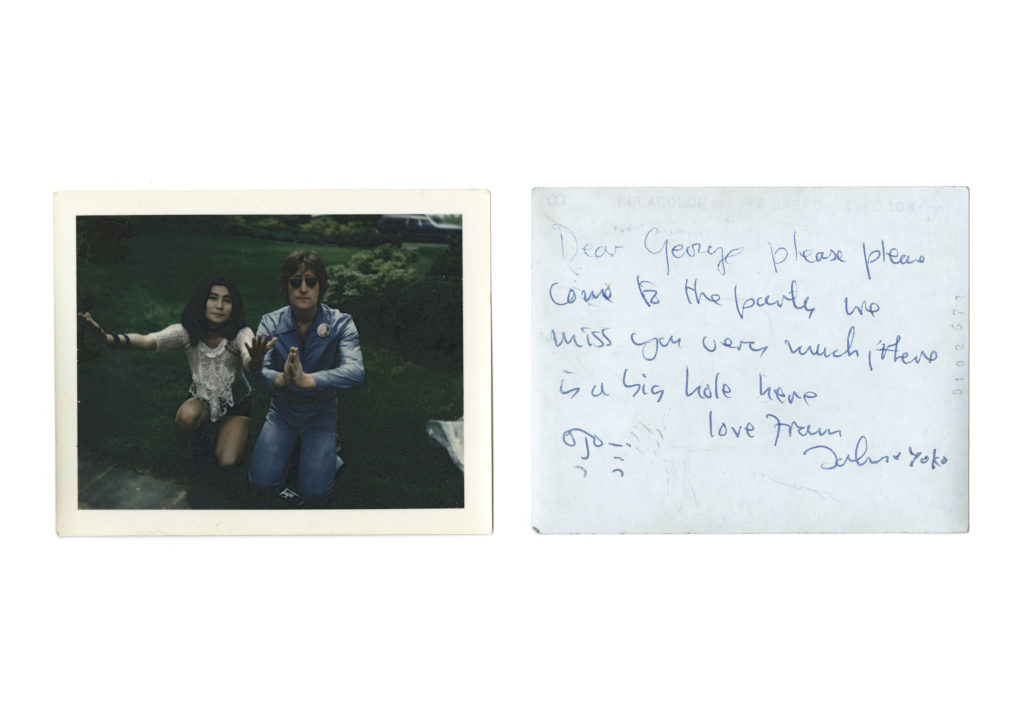
Curator Paul Olivennes, working with Matière Noire, has shaped a space that demands slowness — a small but radical act in our age of digital acceleration. That tempo is felt most clearly in Jonas Mekas’ intimate Polaroids, which document the Dumpling Party, a Fluxus dinner held in 1972 with Yoko Ono and John Lennon. Shown for the first time alongside drawings by the couple, these works offer a tender glimpse into the Fluxus movement’s private world, challenging our understanding of archival significance.
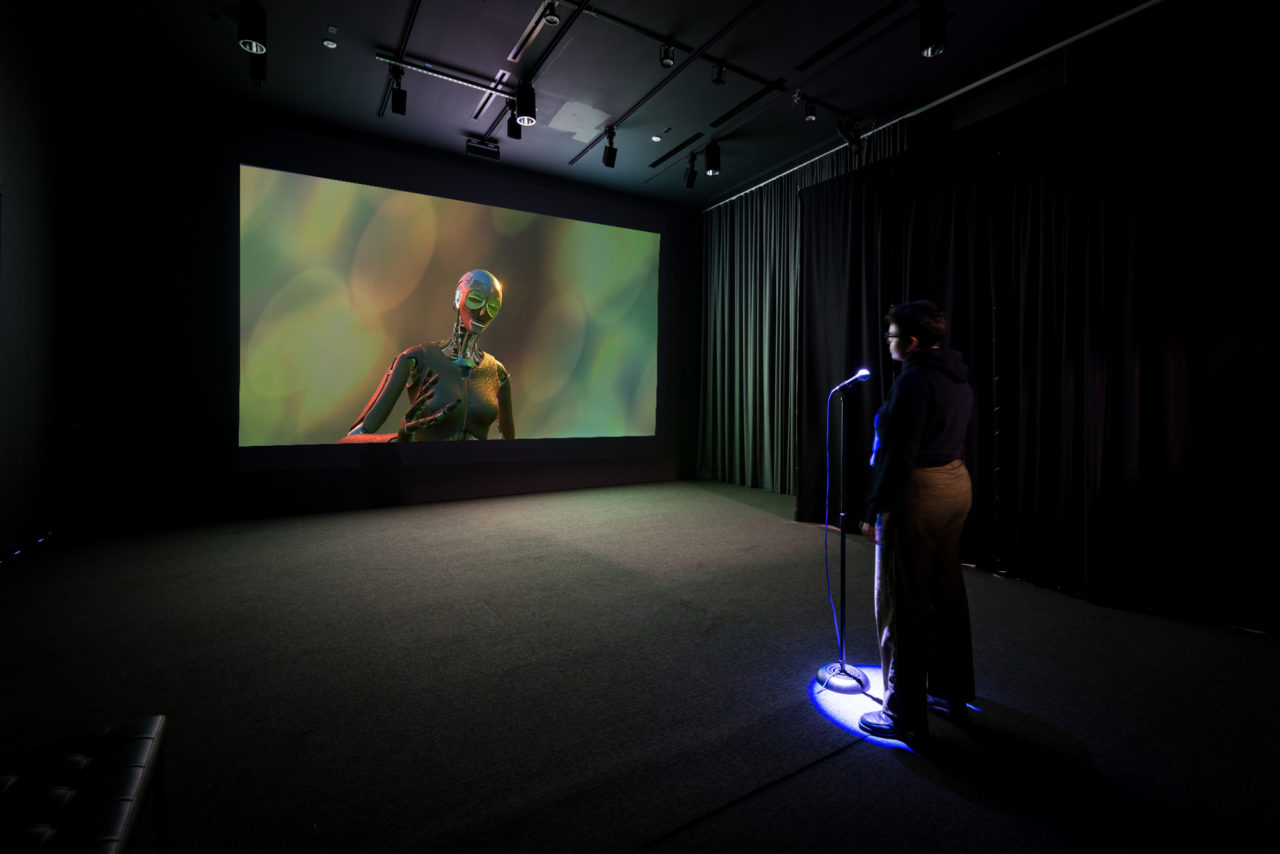
Jonathan Glazer’s Strasbourg 1518 makes its public debut here, its restless energy amplified by Mica Levi’s score and the movements of Pina Bausch’s Tanztheater Wuppertal dancers. This multi-sensory installation enters into dialogue with Jean-Luc Godard’s Opération Béton (1954), bridging the gap between cinema’s avant-garde past and its art world present.
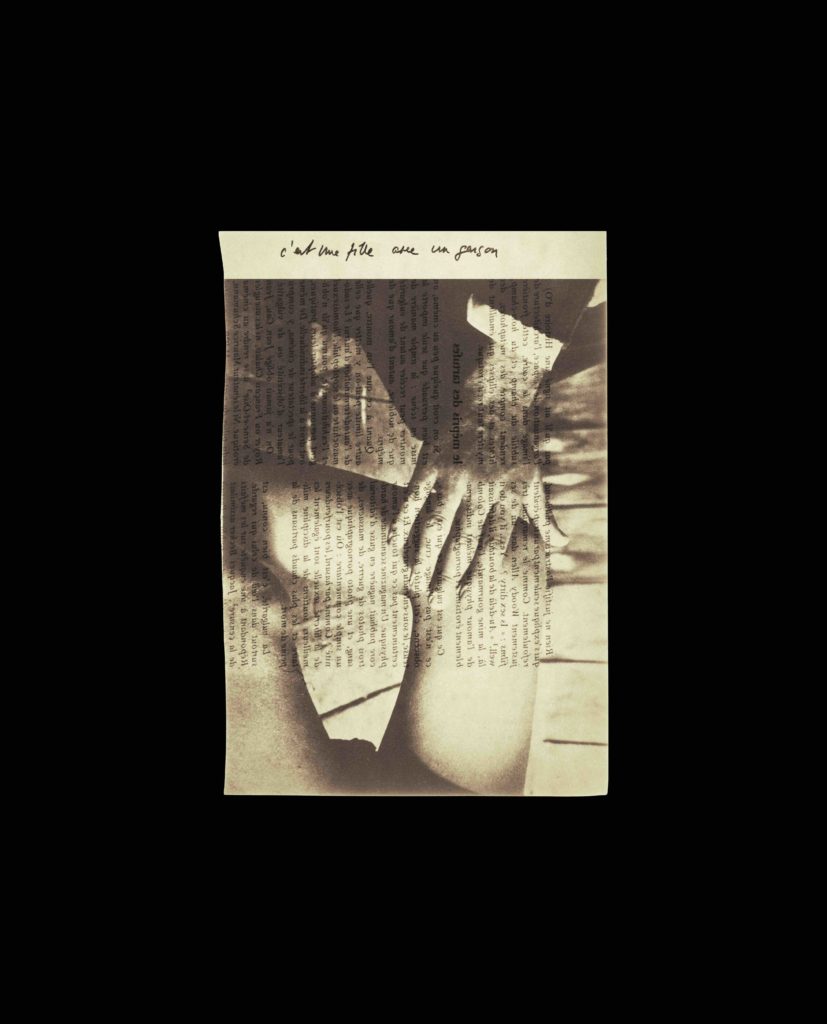
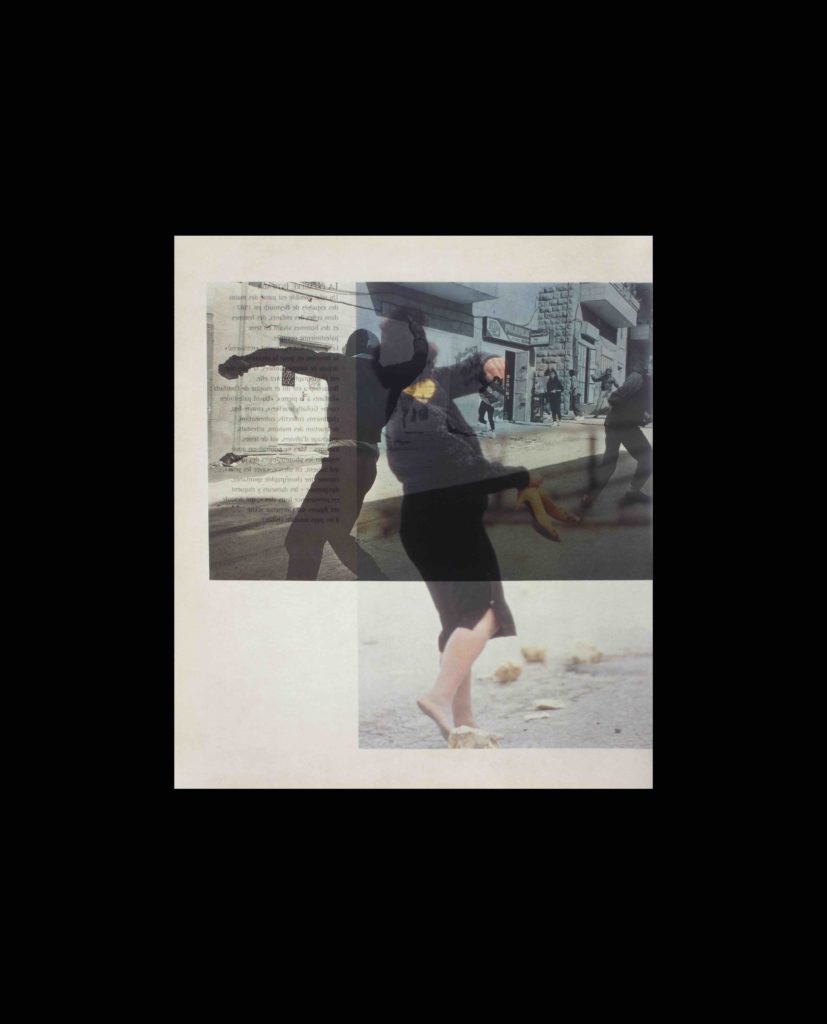
Elizabeth Peyton’s portraits and Pol Taburet’s sculptural works add layers of intimacy and materiality to the show. Jill Mulleady’s tributes to Lautréamont’s hermaphrodite further complicate notions of duality and transformation — themes that permeate the exhibition.
MAGMA no. 3 is not a static exhibition but a living archive that will evolve through readings, screenings, and performances over its month-long run. In an era obsessed with the future, this show dares to pause, inviting us to consider how the past might inform our present and shape our tomorrows.
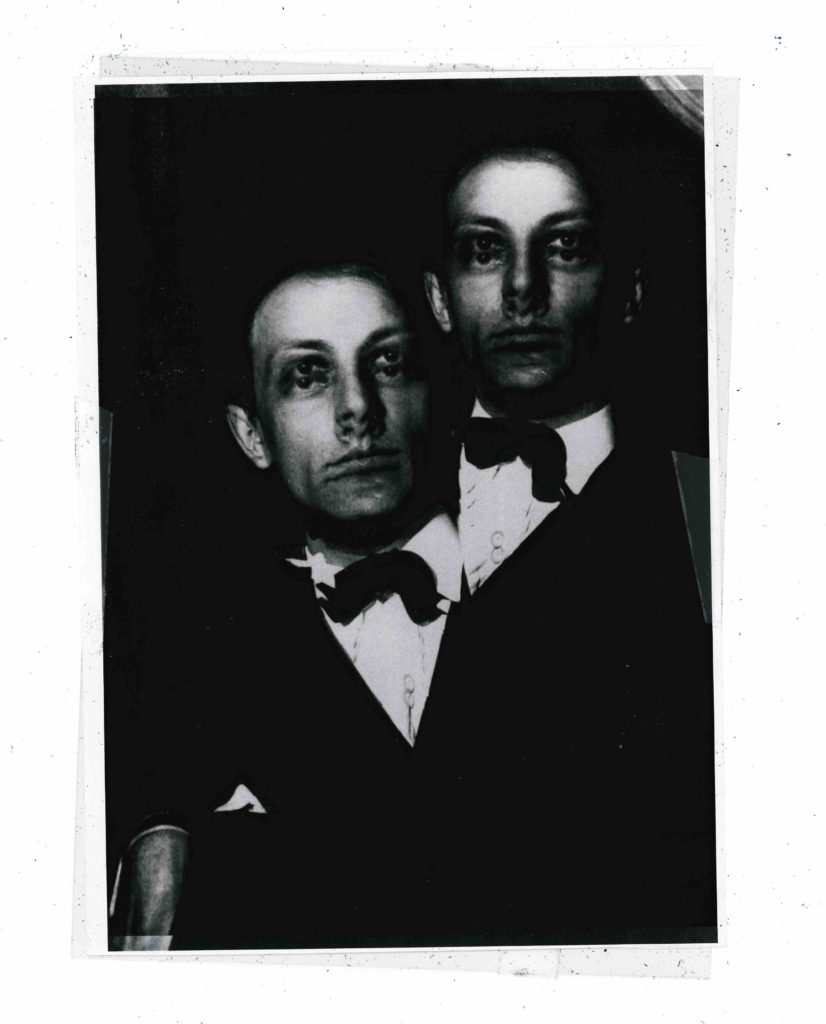
Ink on rhodoïd. Courtesy of the artist. ©2025 Stanislava Kovalčíková.
Published by Serpentine and Wonder Press
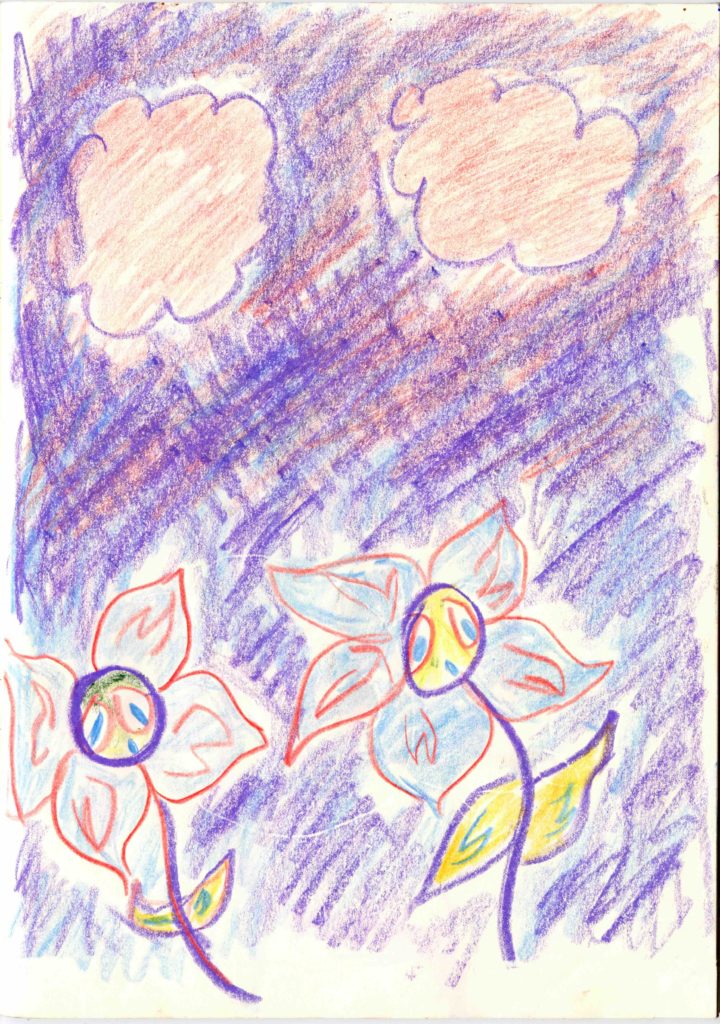
Courtesy of the artist. ©2024 Precious Okoyomon.
As Paul Olivennes quotes Derrida, “The archive resists us. We believe it holds the past, yet the future rushes in.” In this resistance, MAGMA no. 3 finds its power, offering not conclusions but raw material for action. It stands as a testament to art’s ability to collapse time, creating a space where past, present, and future coalesce in a singular, transformative experience.