At check-in I’m told my flight is delayed, and suddenly my connection to Seoul feels uncertain. Hours stretch, the journey risks unraveling before it has even begun. But eventually, the gates open, and I board. After twelve long hours in the air, I land at last — tired, restless, but ready. Seoul awaits, and with it my first seventy-two hours immersed in the energy of Kiaf 2025.
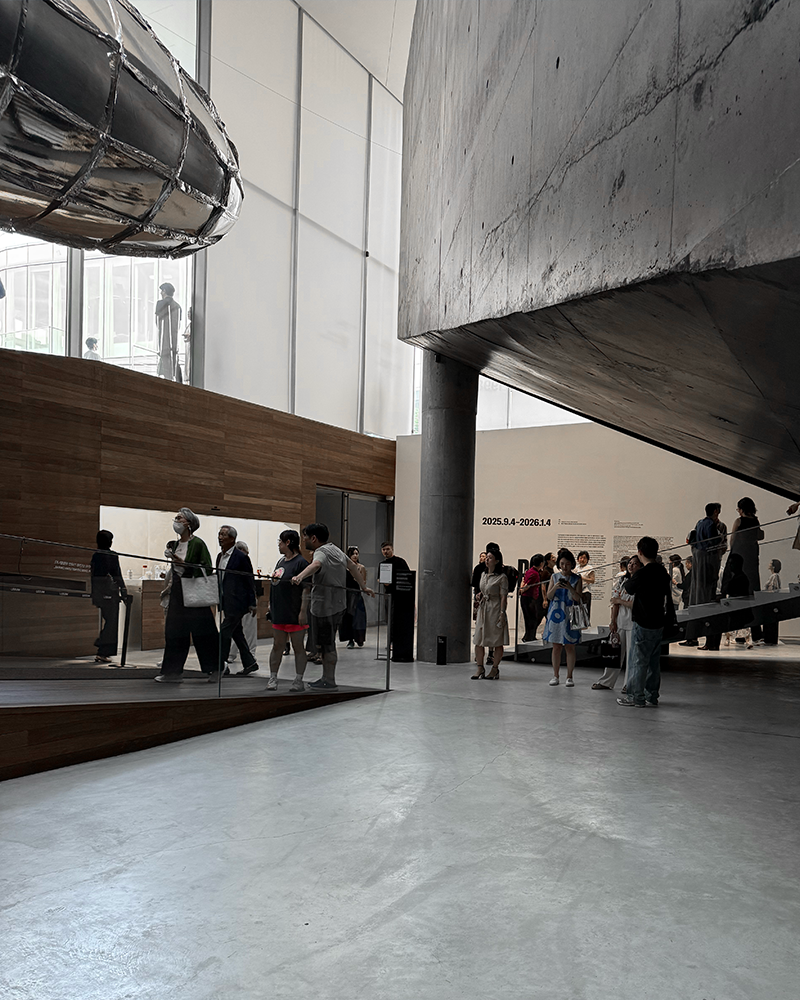
The body is heavy with jet lag, but Seoul refuses inertia. Its current pulls me out into the streets, toward the Leeum Museum of Art, where “Lee Bul: From 1998 to Now” has just opened.
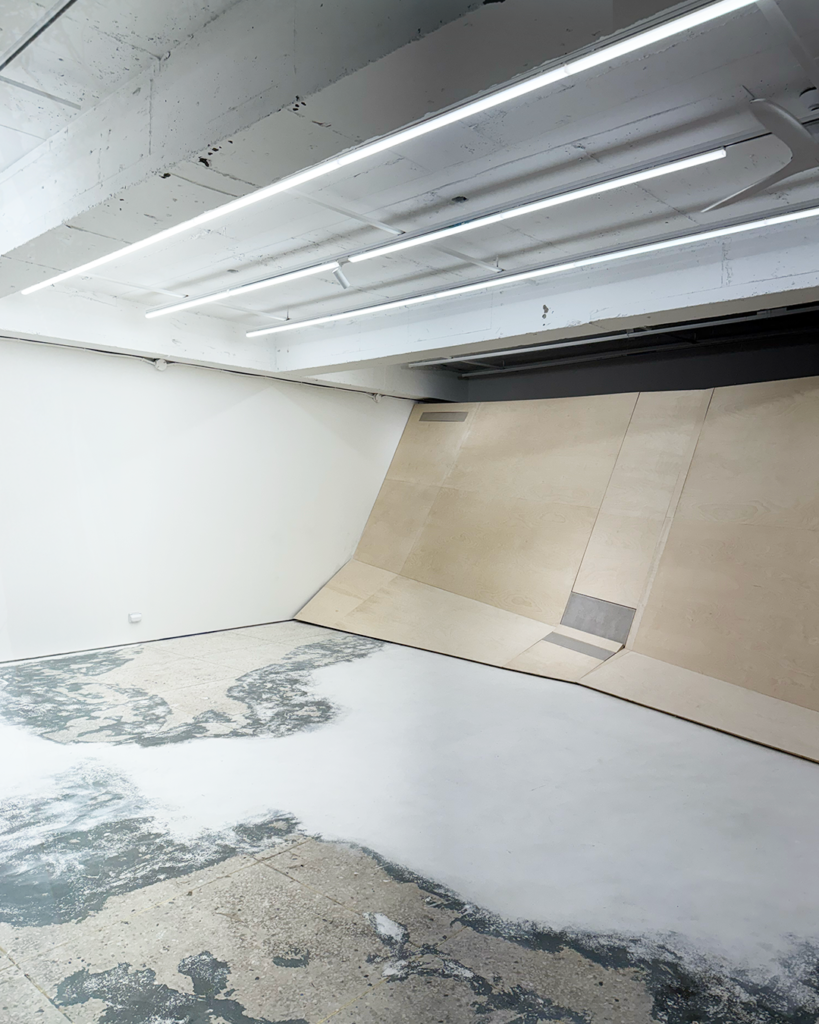
Above the ramp floats a colossal airship: seventeen meters of silver, suspended, gleaming, impossible to ignore. It conjures the ghost of the Zeppelin — an emblem of ambition and collapse, of humanity’s desire to master the sky and the inevitability of falling. Against Rem Koolhaas’s monolithic black concrete, the vessel is both monumental and fragile, a shimmering metaphor for our fate: the endless pursuit of ideals we know cannot be sustained.
Later, after winding through the green folds of Seoul’s hills, I arrive at Shower Gallery, where Ruofan Chen presents “Dust.” The exhibition insists on attention to what is usually unseen: particulate matter, industrial residue, vulnerabilities that accumulate invisibly until crisis erupts. In her works, dust is not detritus but testimony — poetry shaped in the air of Wuhan’s sweltering factories, where sunlight fractures through clouds of sawdust and workers breathe in kilograms of particles each shift. The pieces are haunted by memory, by her grandmother’s stroke, by the quiet, systemic erosions that happen when fragility goes unmonitored.
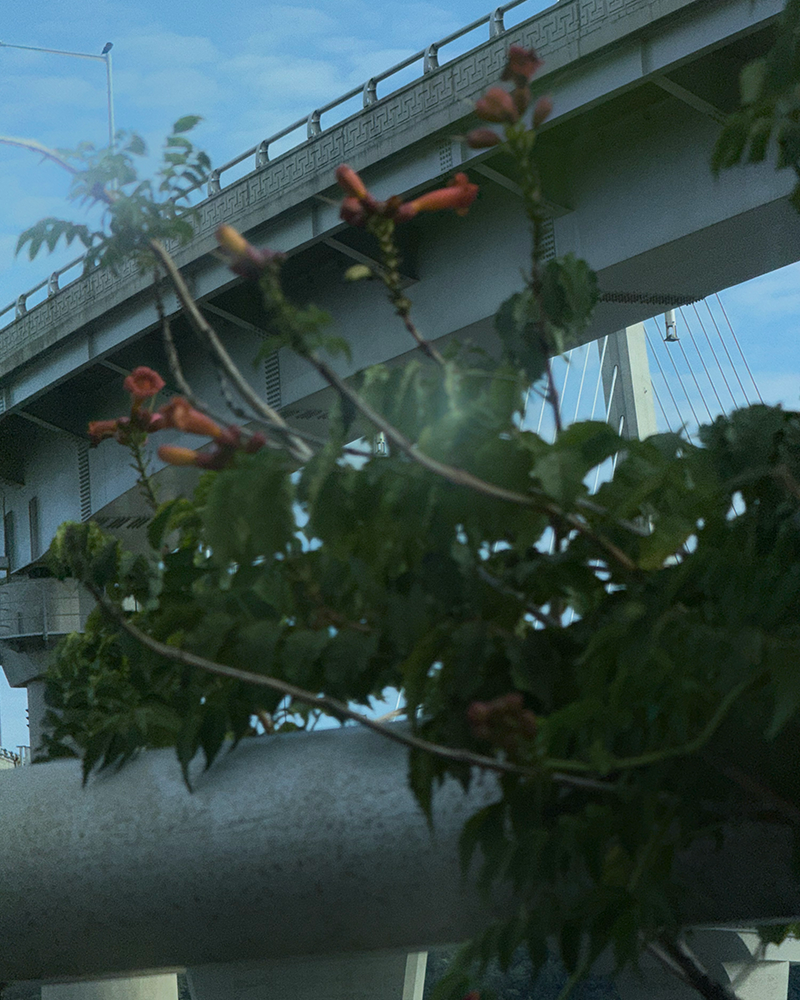
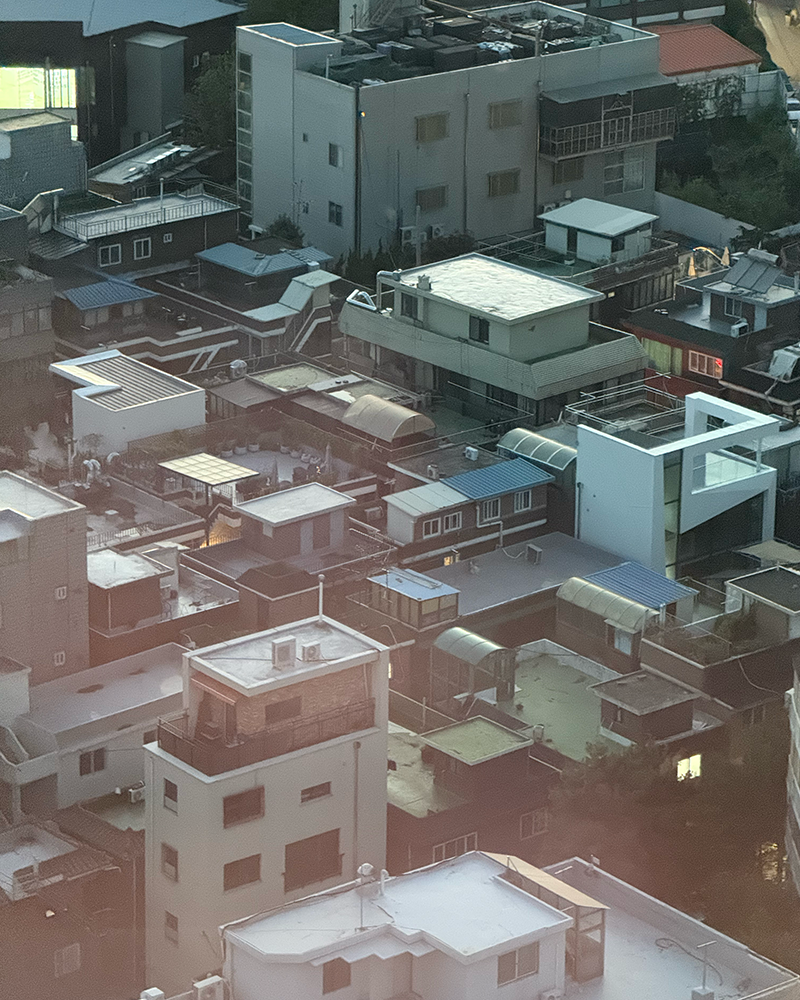
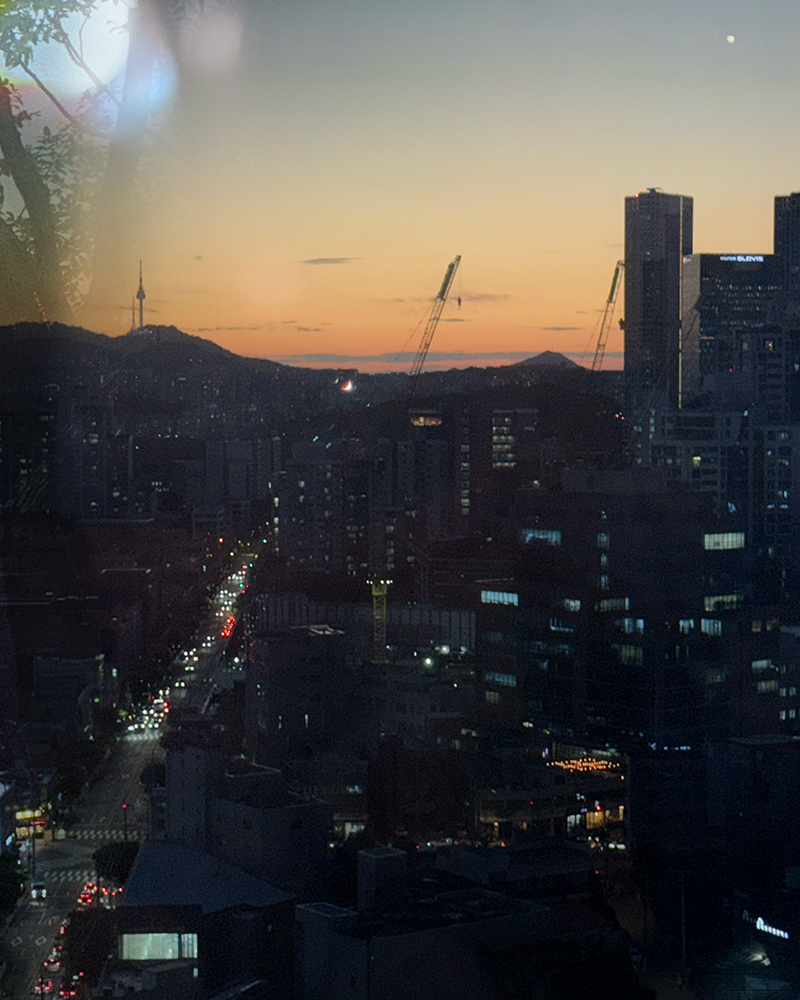
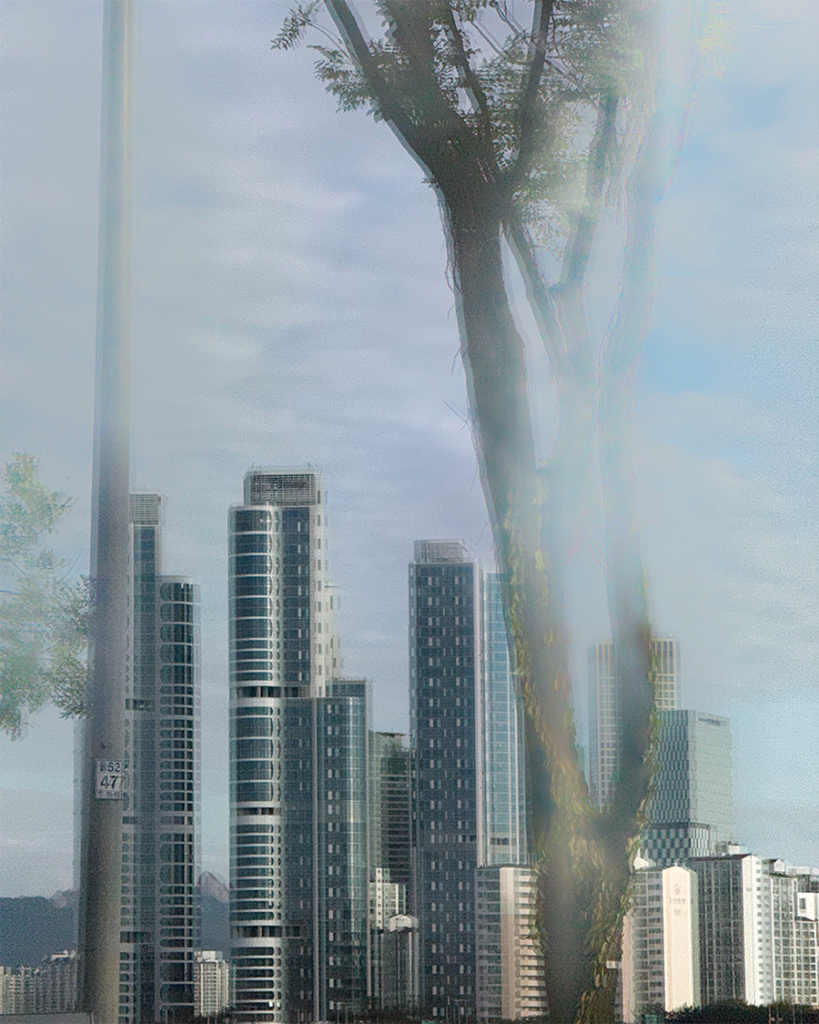
The ride back toward the hotel is quiet, until a phrase returns to me—Sungbum Heo’s description of his city in Flash Art Fall issue: “Seoul is not built; it is generated through calculation. Buildings follow buildings, slabs stack upon slabs, and space ceases to be an assemblage — it becomes a matrix.” Looking through the car window, the city does not contradict him.
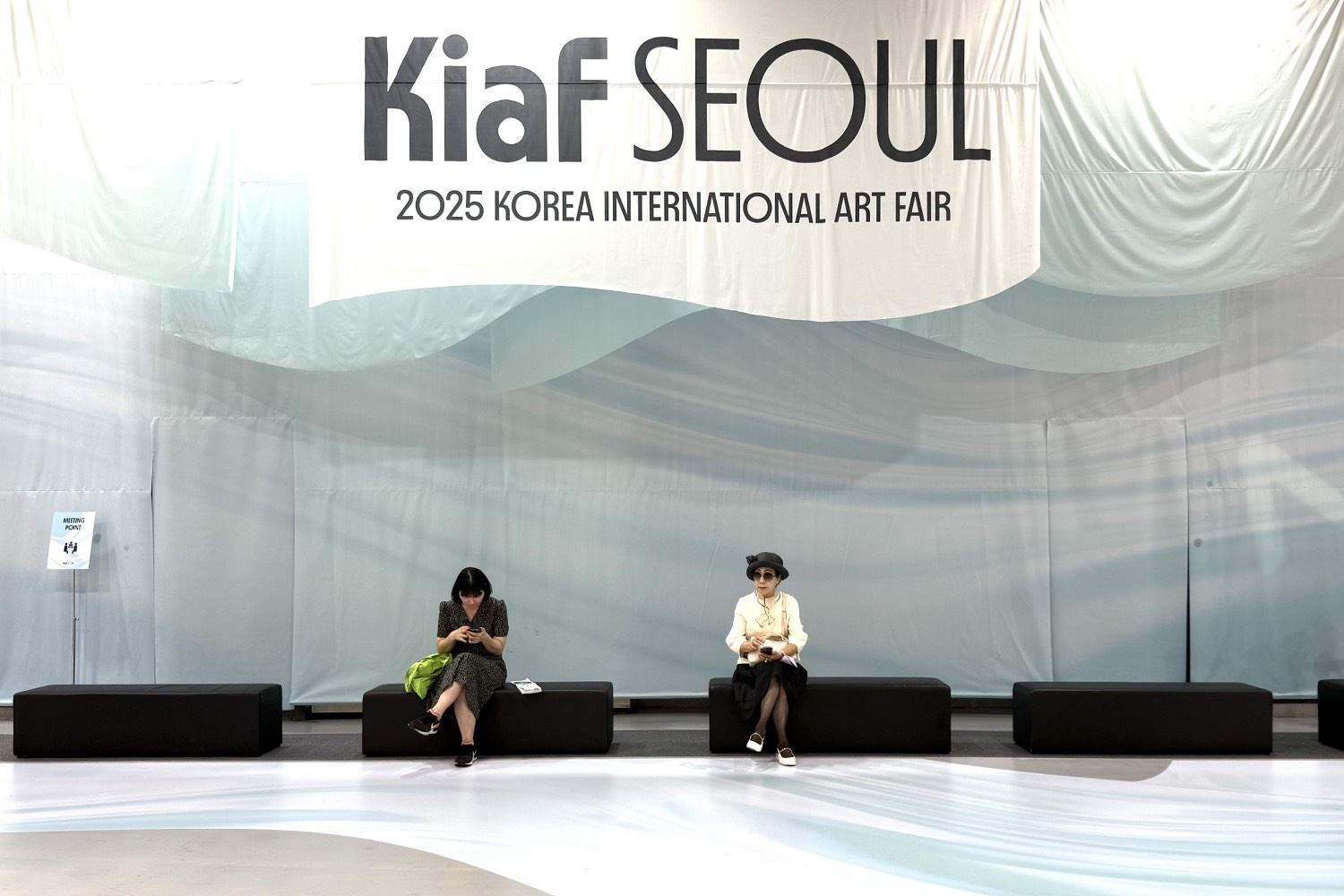
Kiaf 2025 opens in full force, the halls dense with energy, with over 175 galleries from Korea and abroad, joined by curators, collectors, and art professionals from around the world. The scale is impressive, but what lingers is the rhythm — the careful balance between international presences and the particular vitality of Korea’s own art scene.
As director Eunice Jung notes, Kiaf has, since its launch in 2002, been more than a marketplace. “Art fairs today have become dynamic arenas that reflect the forefront of contemporary art,” she tells me. “Kiaf functions as a vibrant platform where diverse participants converge, exchange ideas, and engage in dialogue. These interactions naturally lead to the creation of new content and discourse, shaping the direction of the contemporary art scene. Kiaf continues to be a major stage that captures the ‘now’ of Korean art while paving the way for its ‘next.’”
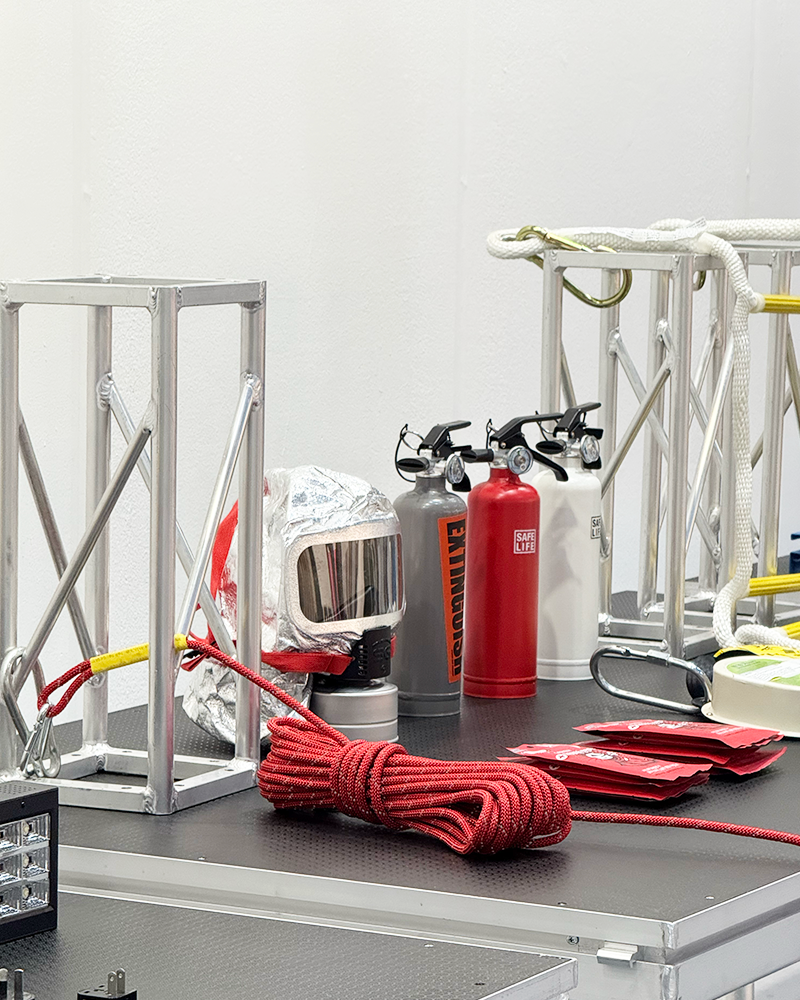
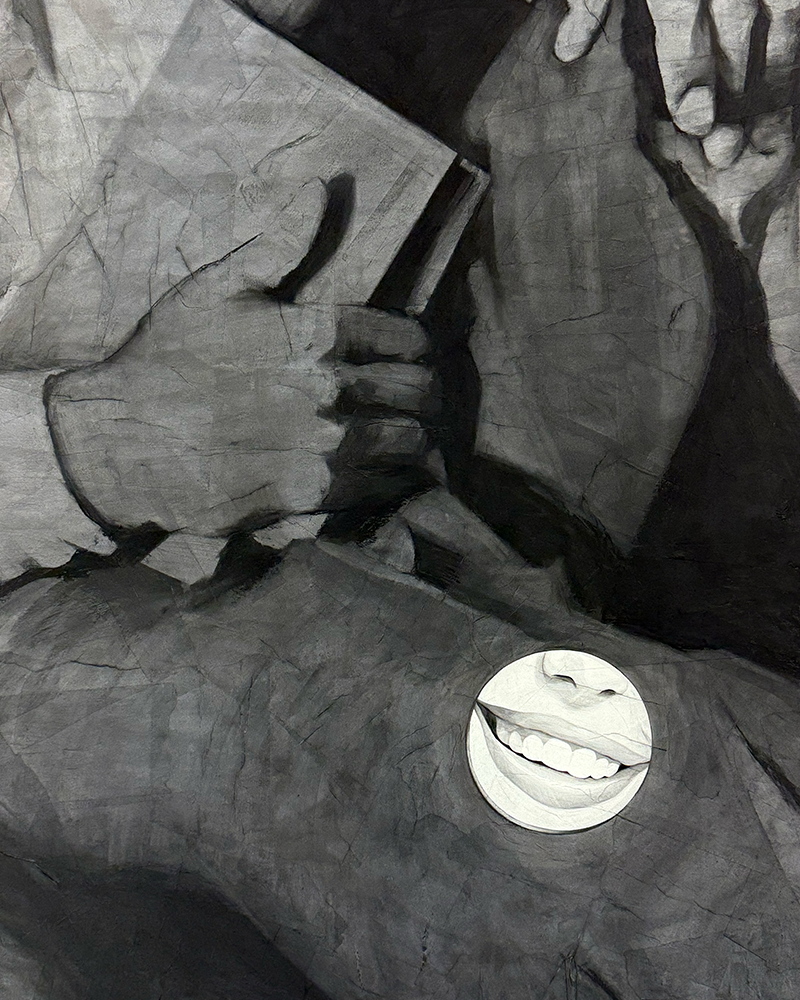
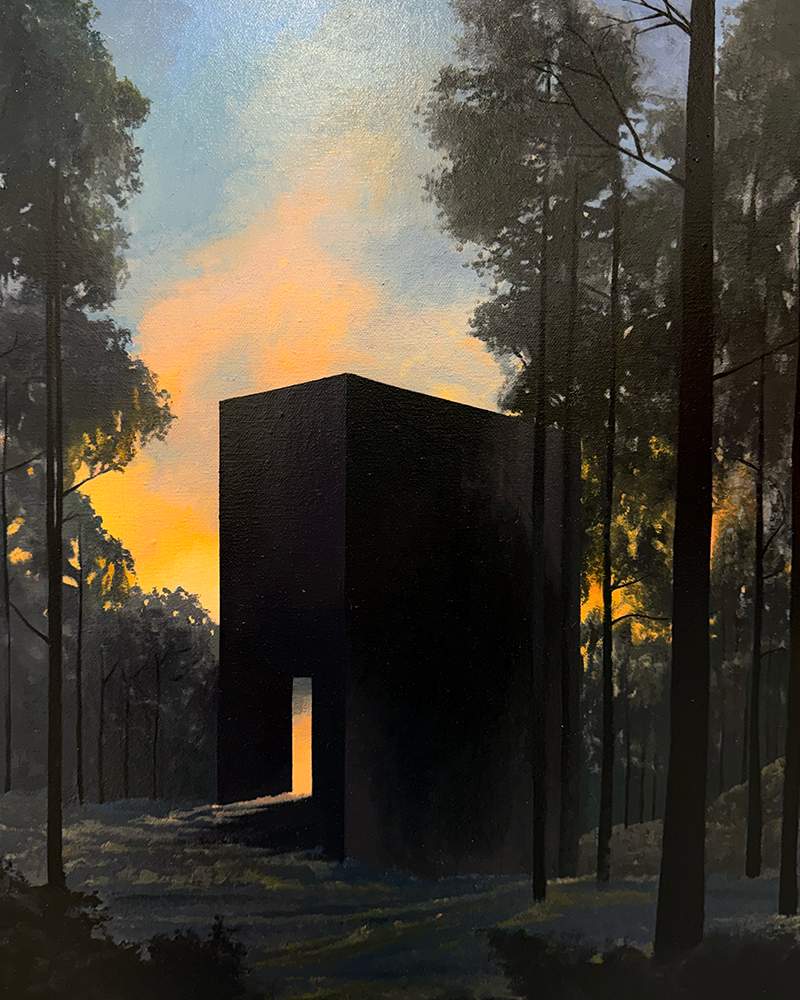
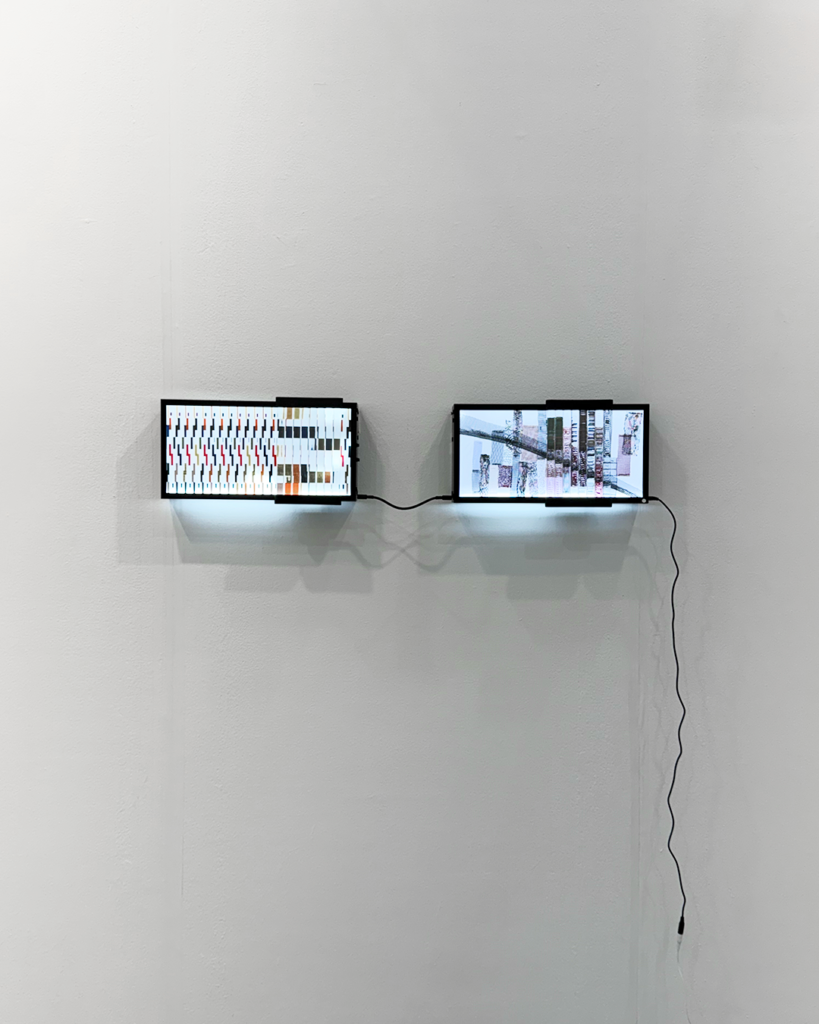
Walking the fair, those words manifest in form. Kukje Gallery presents the gravitational pull of names like Anish Kapoor, Ugo Rondinone, and Ha Chong-Hyun. Gallery Shilla gives its stage to Kimchi and Chips, a Seoul-based collective translating technology into ephemeral phenomena. Hyundai Gallery threads between global and local, including Christine Sun Kim. Sun Gallery maps a conversation between modern and contemporary through Chungji Lee and Pato Bosich.
Special attention gathers around “Reverse Cabinet,” the fair’s commemorative exhibition marking sixty years of Korea–Japan diplomatic relations. Co-curated by Yuli Yoon and Tomoya Iwata, it reframes collecting not as ownership but as creation, as memory, as dialogue. Six artists from Korea and Japan build personal “cabinets” from fragments — sculpture, digital media, video, archives — each an attempt to hold onto what slips away. Here, the roles of artist, collector, and viewer blur, and collecting becomes a practice of survival: a way of holding identity against time.
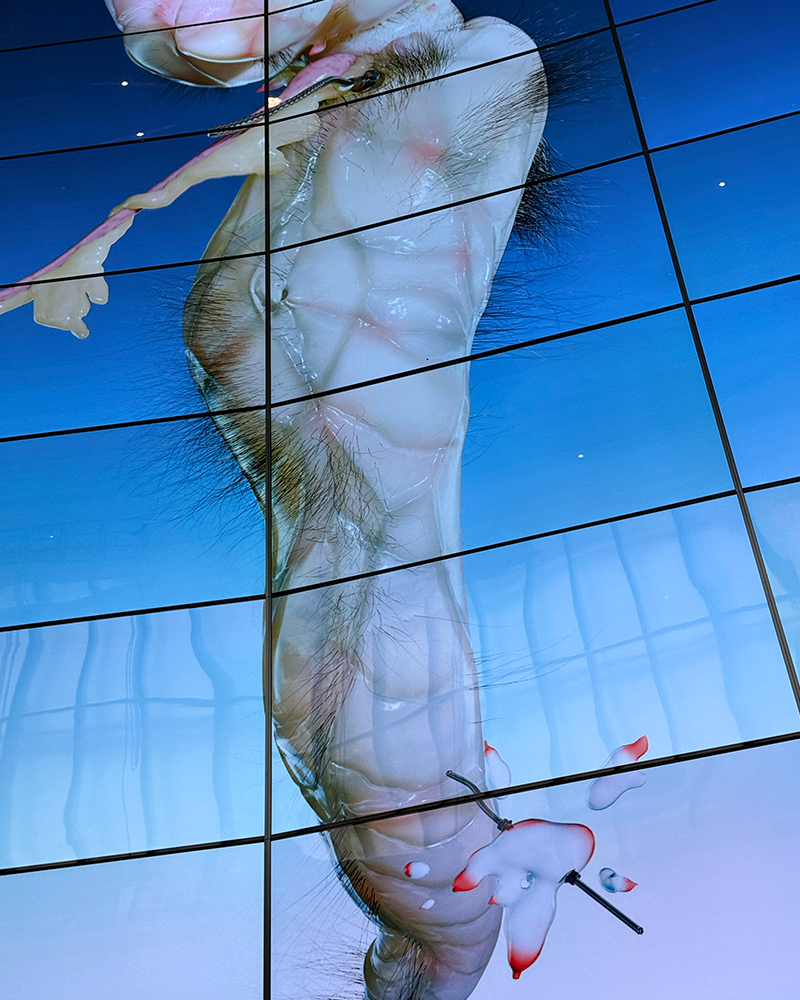
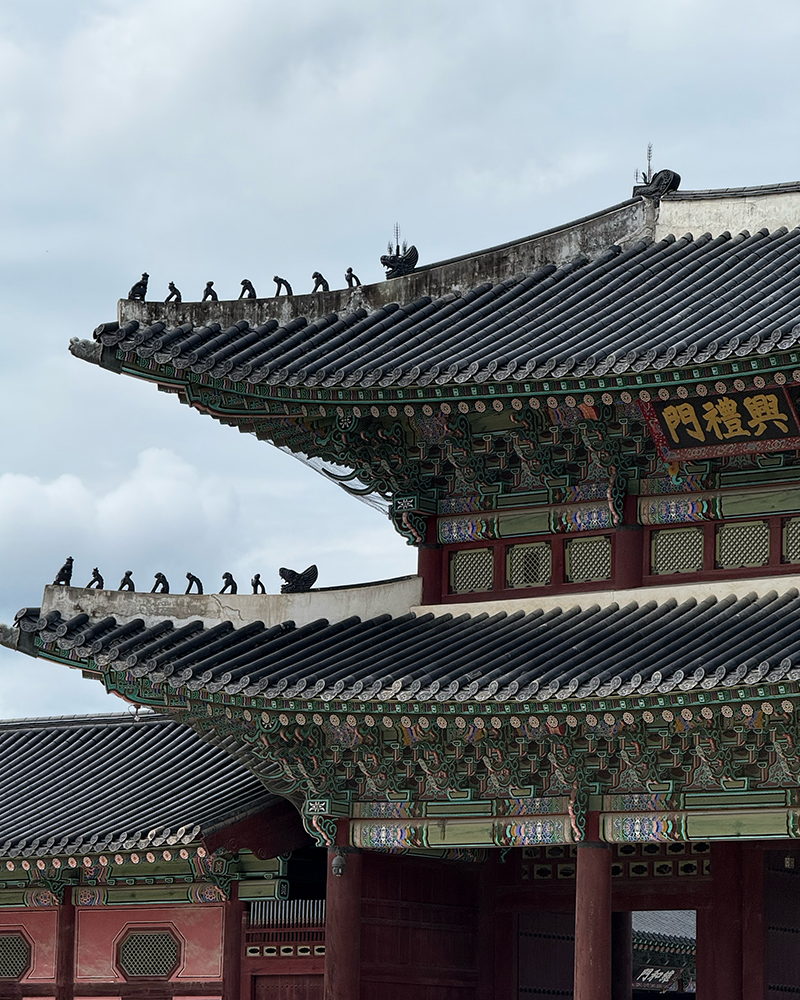
The final day begins at the National Museum of Modern and Contemporary Art, its presence quiet but commanding across from the Gyeongbokgung Palace. In collaboration with LG OLED, the museum presents TZUSOO’s “Agarmon Encyclopedia: Leaked Edition.” Within the Seoul Box, digital organisms and sculptural presences expand into an ecosystem where technology and desire converge. The artist’s world — at once cybernetic and deeply personal—addresses birth, sexuality, longing, and the porous membrane between the digital and the real.
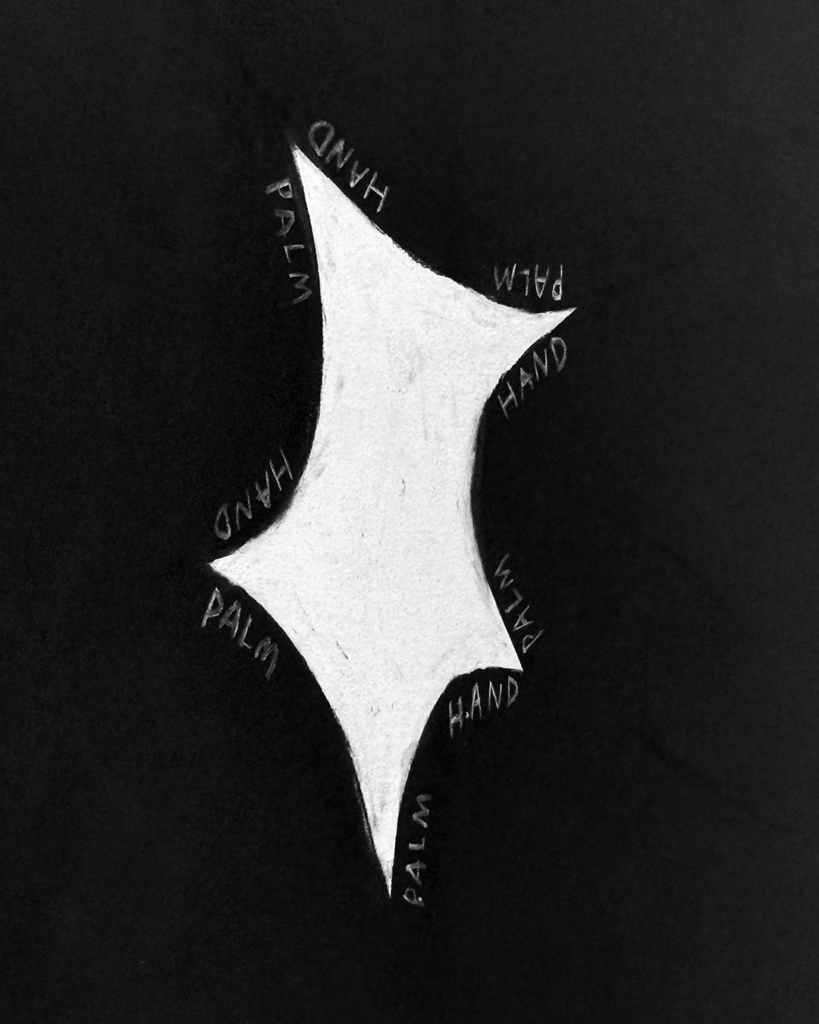
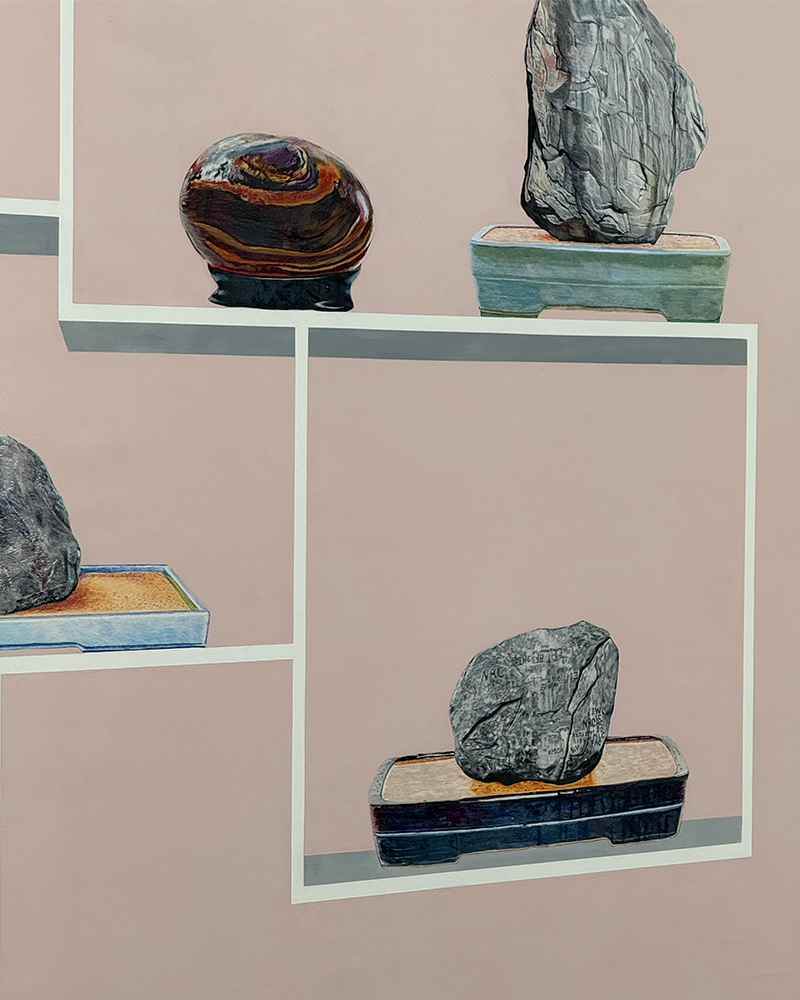
From there I walk to Kukje Gallery, where Gala Porras-Kim’s “Condition for Holding a Natural Form” interrogates how institutions classify the world. Her drawings of suseok — scholar’s stones revered for their natural beauty — probe the categories imposed by human systems. The stones resist, and in that resistance lies their meaning: a reminder that what we seek to contain always exceeds us.
A lunch of vegetable omakase gives pause before another ascent into the hills, this time to the Park Seo-Bo Foundation. The minimalist building, established in 2019, preserves the artist’s legacy while extending his vision into the future. Rooted in the Korean view of nature, it feels less like an archive than a quiet continuation. The day closes at the unveiling of Haus Nowhere, Gentle Monster’s new 14th-floor brutalist-tech edifice. It is a fitting end: bold, theatrical, experimental — just like Seoul during Kiaf week.
What makes Seoul so vital to contemporary art? Eunice Jung traces the answer across education, institutions, and infrastructure. “Art education here has long emphasized practical training, producing an unusually high number of graduates for the size of our population,” she explains. “Over the past two decades, the growth of private and public museums has reshaped the landscape, while Korea’s advanced technological infrastructure — and the rise of digital-native collectors — has positioned Seoul as one of Asia’s most exciting centers for contemporary art.”
This vibrancy reflects not just a national phenomenon but a global shift. As Jung observes, “While statistics suggest a slight slowdown since the pandemic peak, I view this as a temporary correction. What matters is that cultural engagement has expanded — museums are reaching record visitor numbers, and at Kiaf we see growing attendance from schools, corporations, and first-time fairgoers. This expanding participation reflects long-term vitality.” Looking forward, she sees art fairs evolving in step with these cultural shifts: “The future will move gradually toward more sustainable, locally rooted, and environmentally conscious models. The massive, centralized gatherings condensed into a few days may give way to fairs with greater regional identity and lasting impact. The format will endure, but its emphasis will change.”
In these three days the city reveals itself not only as a stage for art but as an artwork in itself: restless, layered, recursive, endlessly reinventing. As the week draws to an end, one certainty remains: this is not a farewell, but a beginning.