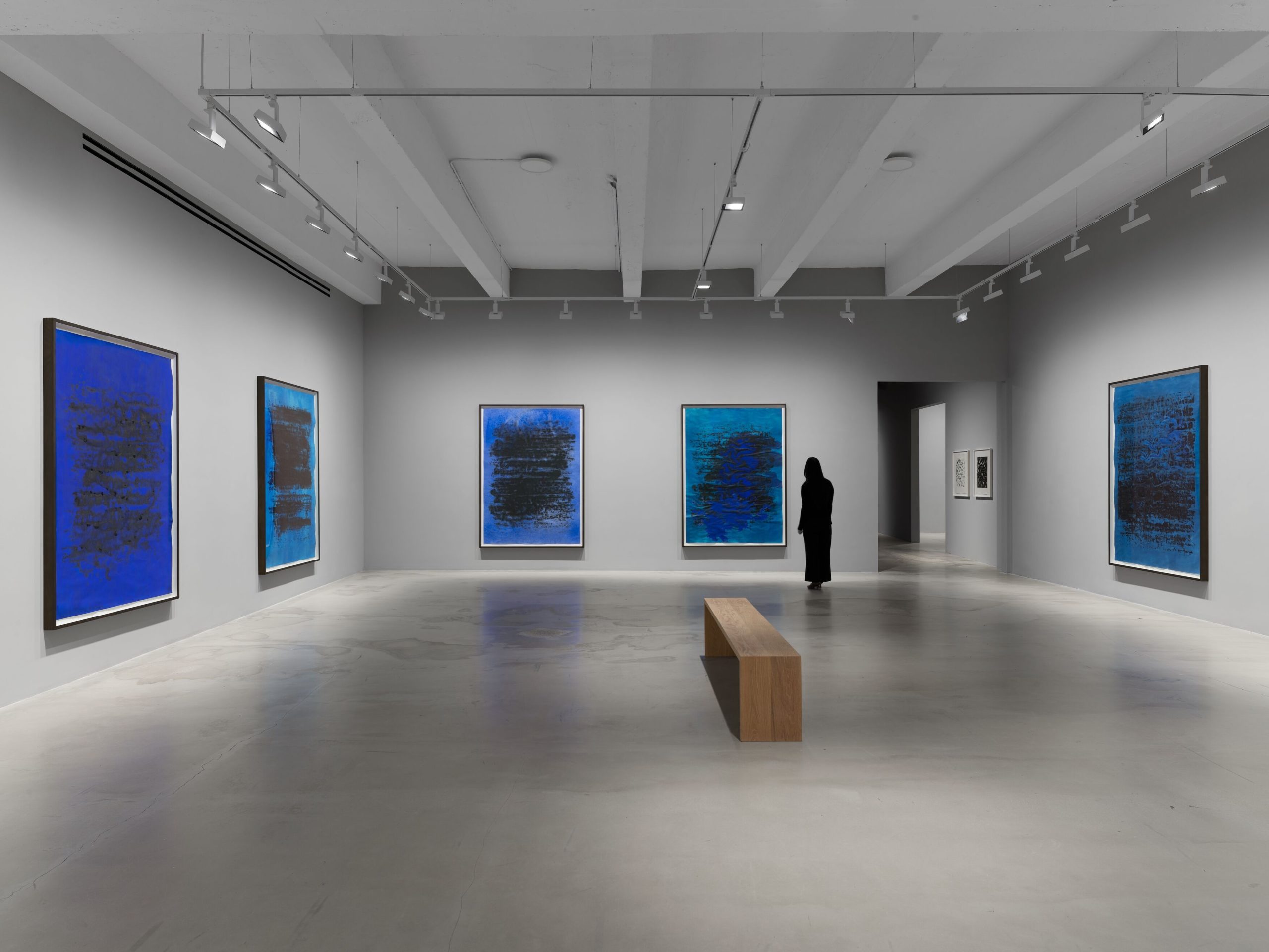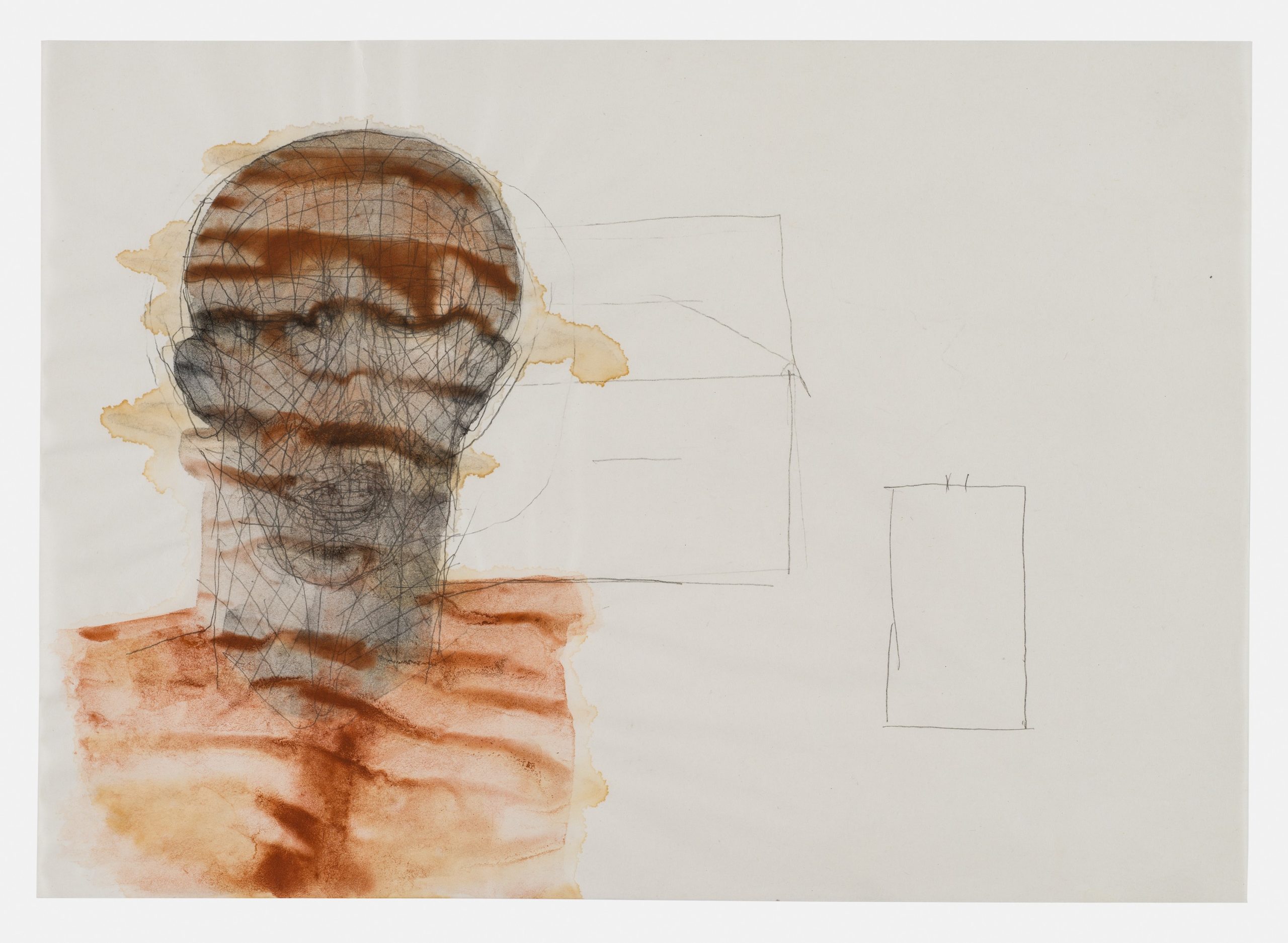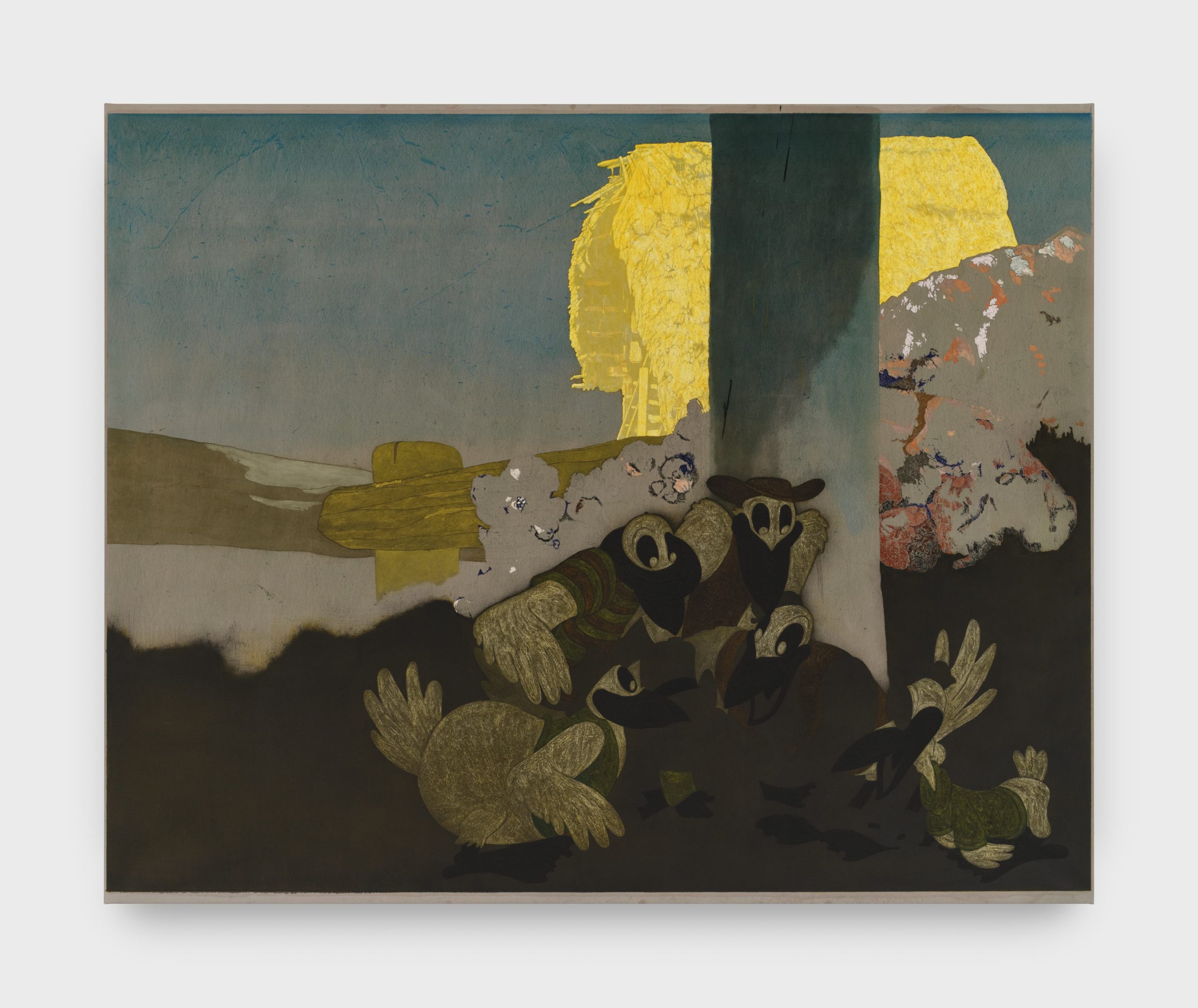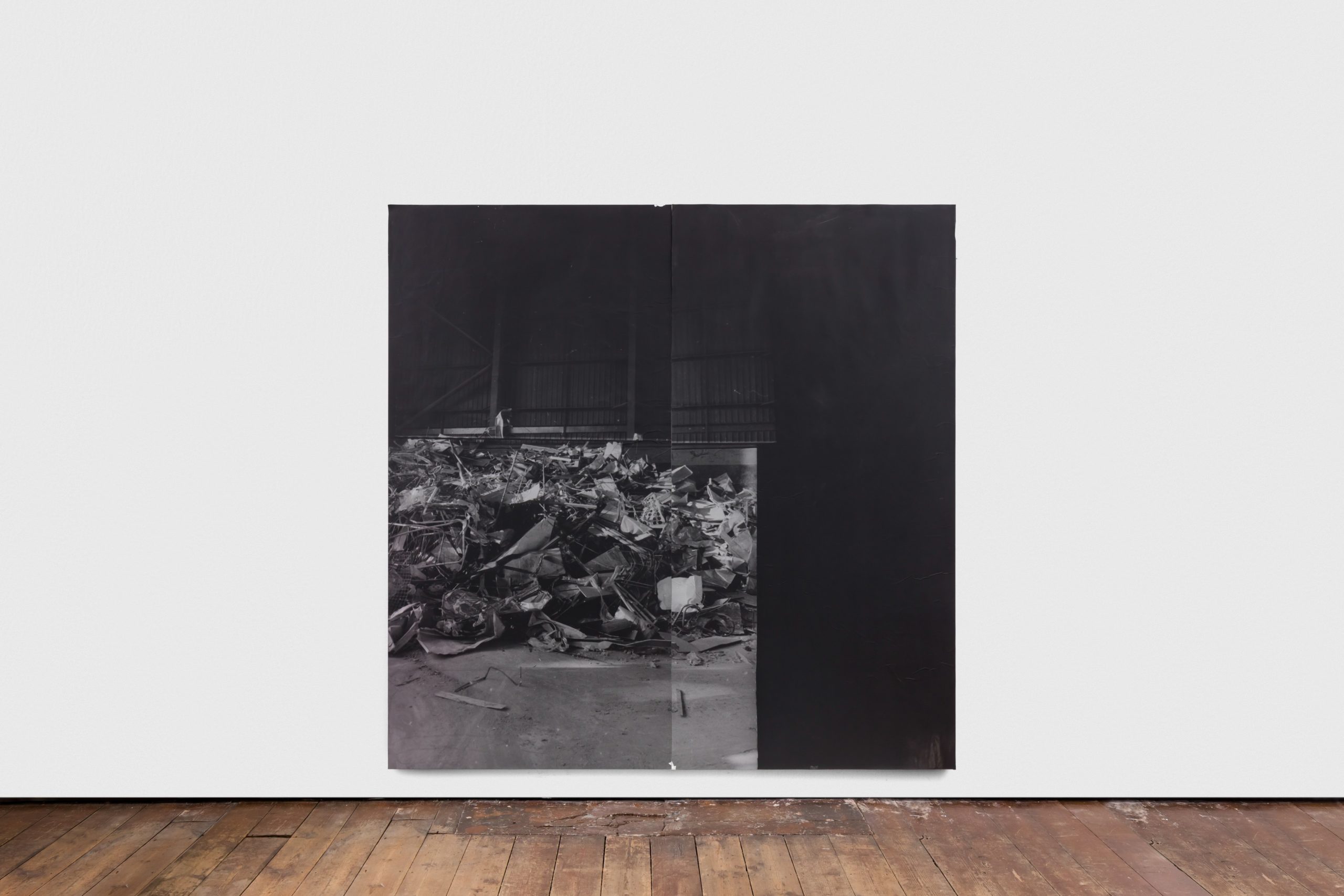
Ceramics, ancient history and contemporary art – the exhibitions curated by Ziyi Xiong look beneath the surface at the unseen stories that may be found within artworks.
Her exhibition, From Breath to the Dirt at 1215 Gallery in Montreal, brought together the things we can’t quite grasp with the real world we live in, and Of Self, Time, and Trembling Silence at Batsford Gallery in London asked the question of what identity is. It’s a question that is a particularly hot topic in contemporary art.
Her curation is centred around the question of what’s here and what’s not – what changes when there’s a person in a space versus when we can only see remnants of their presence. It’s a weighty concept that Xiong curates in a way that’s designed to be accessible to all.
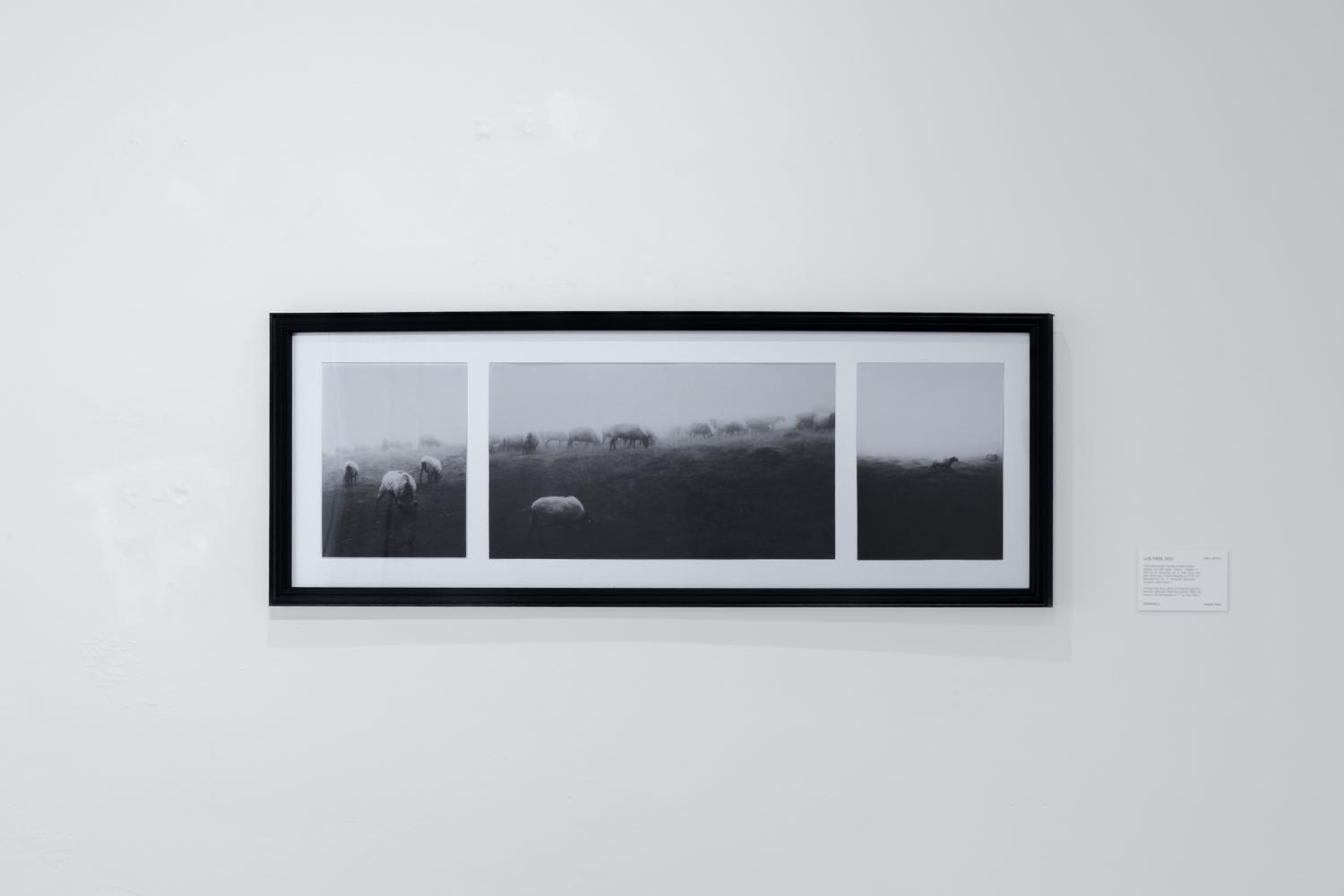
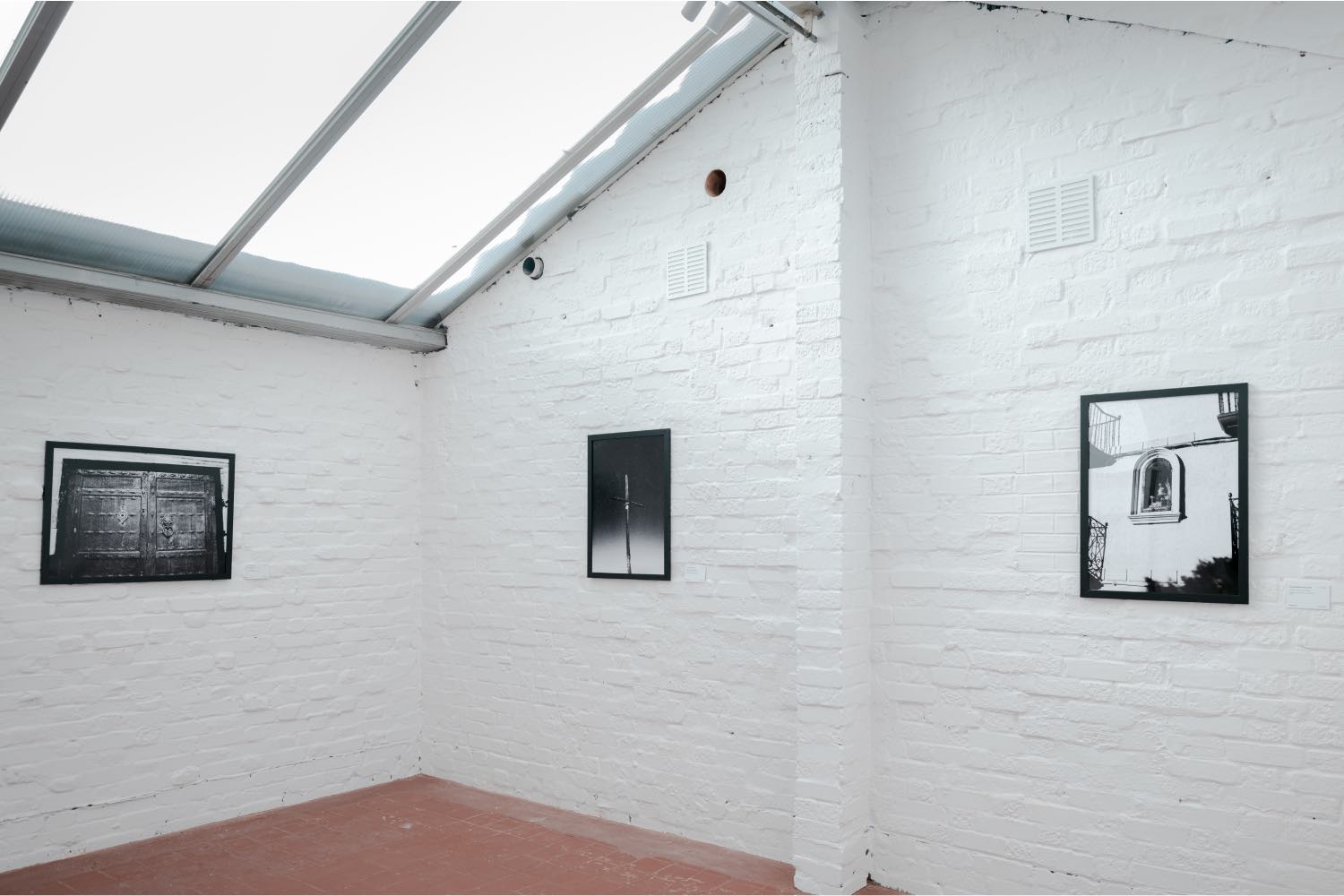
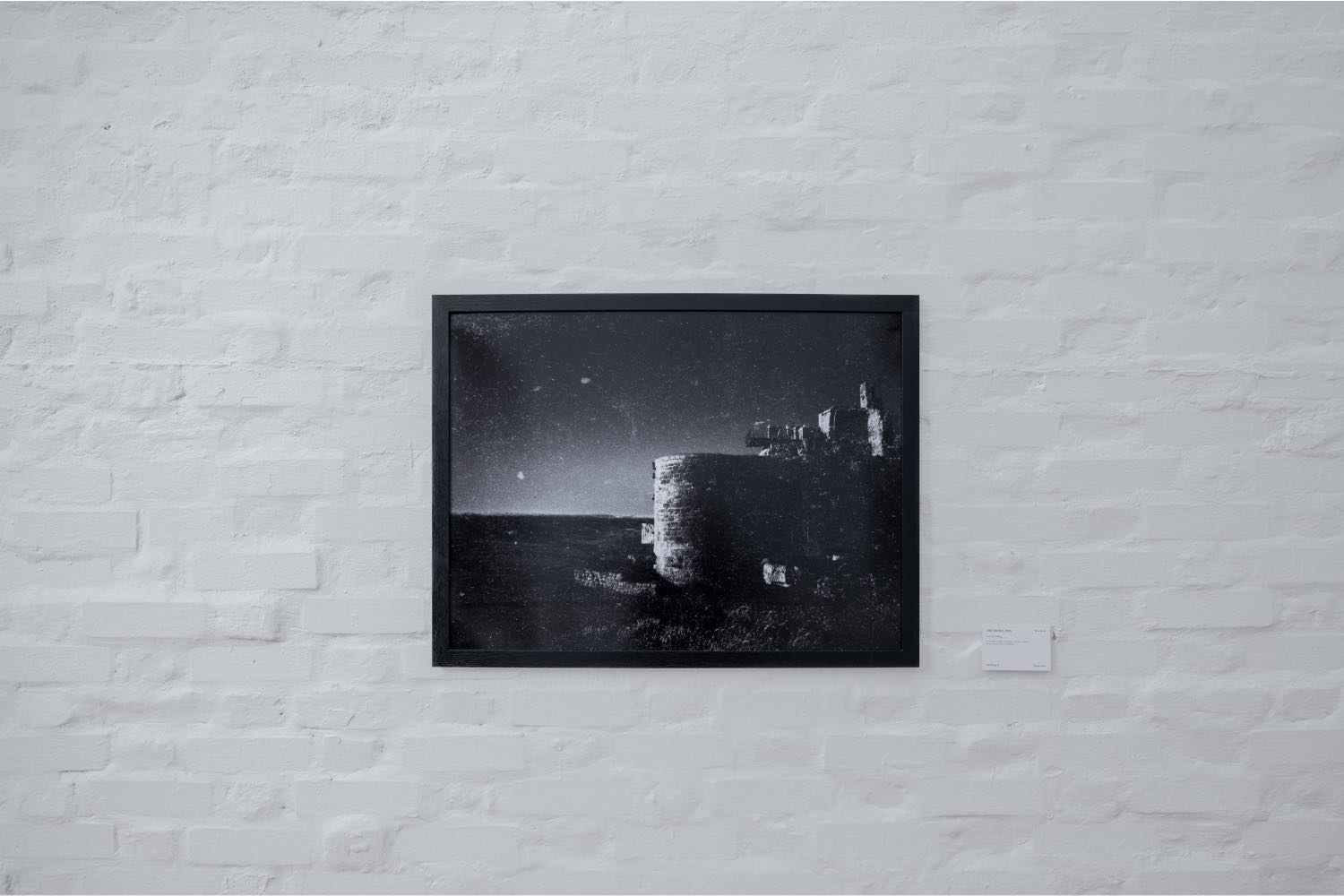
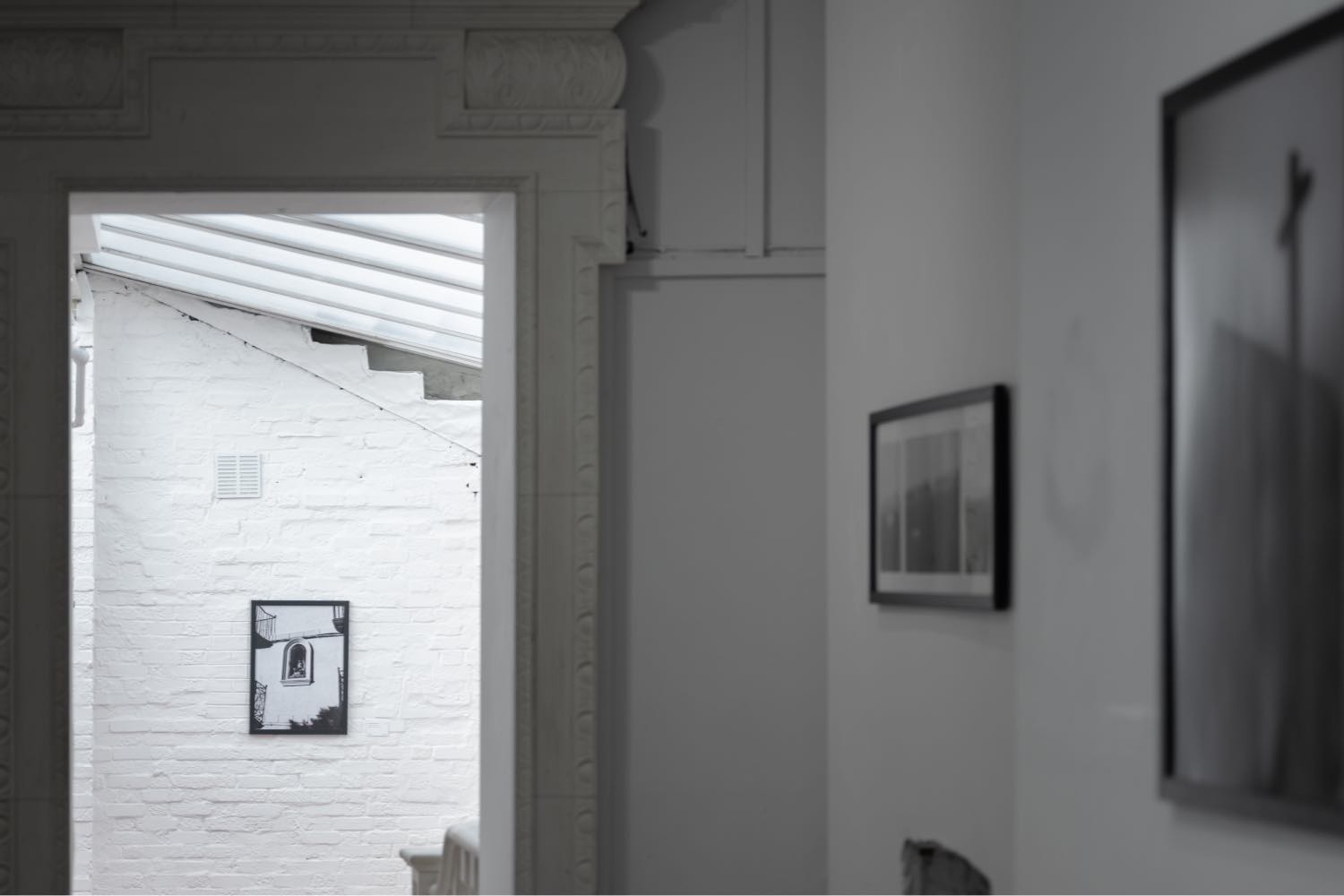
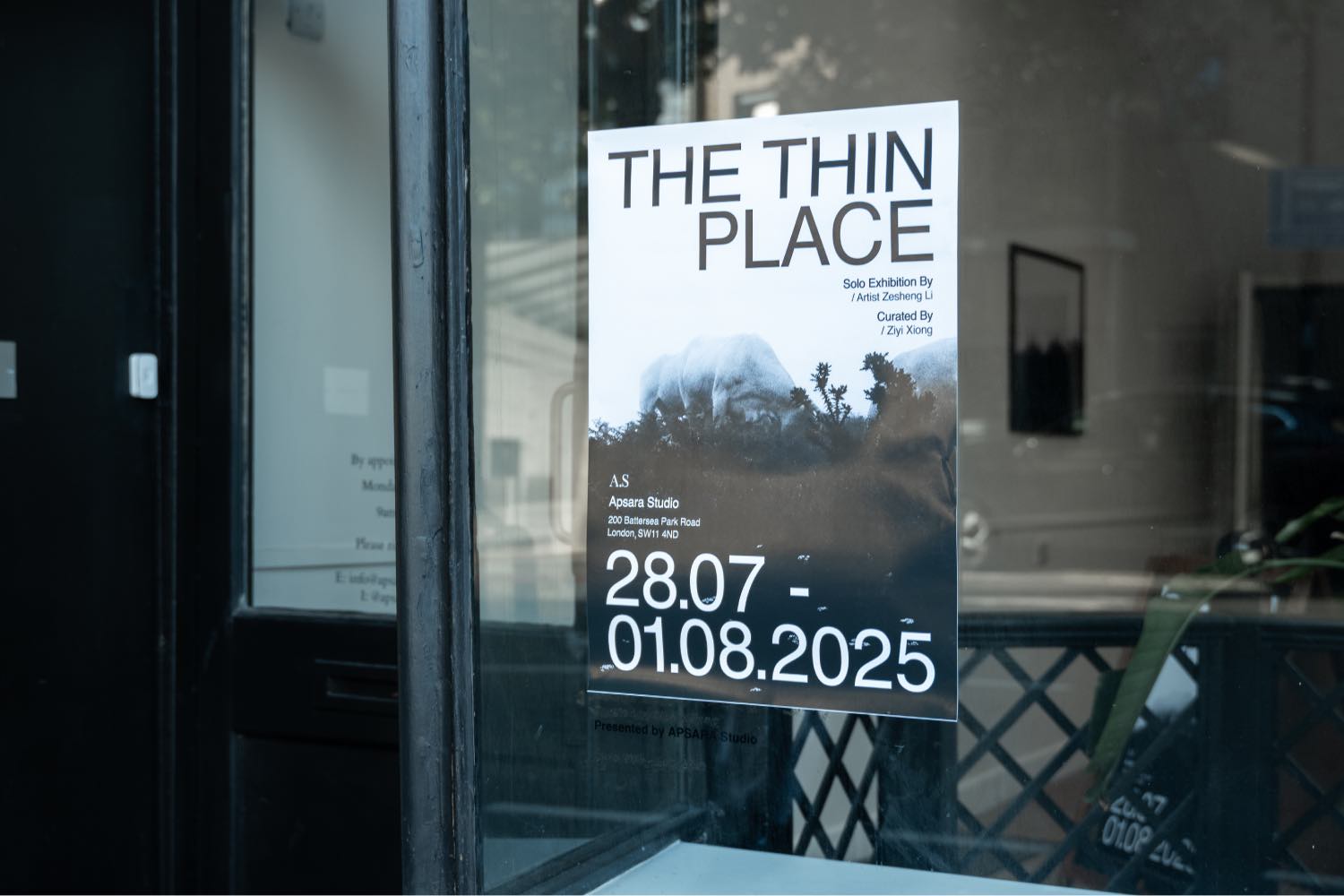
A clear example of this was in The Thin Place, a solo exhibition in London by photographer Zesheng Li that was centred around complex spiritual and philosophical concepts. Drawing from Celtic traditions, the exhibition presented Li’s photographs as “apertures – gaps in the world” where viewers were invited to imagine what exists between this world and a spiritual one that may exist on a different plane.
In each image, the views are blanketed in fog, so we can’t see what’s beyond the immediate foreground, which fits into Xiong’s concept of helping us see the unseen. Her curation took Li’s images and turned them into what she calls “spiritual cartography,” inviting us to breathe in the moisture in the air and imagine ourselves on these paths, while remaining firmly rooted in the gallery.
Xiong has an MA in Art Management & Policy Practice from The University of Manchester, enabling her to work across different creative forms. It allows her to manage conversations between artists, writers and designers with differing expertise, and work with varying styles of exhibitions. Her background in social media means she can see what will catch the viewers’ attention, while also ensuring the exhibition is conceptually sound.
Working in Mandarin and English means she can coordinate artists whose practices span both Eastern and Western influences. In both worlds, she’s trying to help us see the unseen, finding meaning and layers within artworks beneath the aesthetic surface.
Each exhibition she curates is an invitation to step through the thin places of our own experience, to discover what emerges when we pause long enough to look at art and how it changes our perceptions of the world around us.