Nestled between the floors of “The Great Camouflage” exhibition, Peng Zuqiang’s solo show “Short-term Histories” feels intimate and unpretentious, offering a private glimpse into his contemplative practice.
The exhibition explores experimental media, memory, and history. Peng, primarily a moving image artist, crafts fragmented narratives through elusive emotions, challenging conventional linear storytelling of time-based media. The show includes three film installations and a chromogenic print, with key works such as The Cyan Garden (2022) and Afternoon Hearsay (2025).
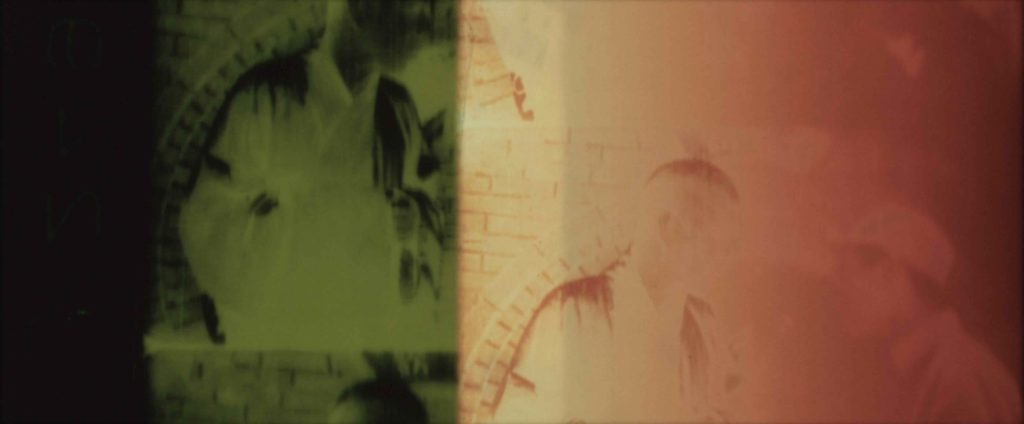
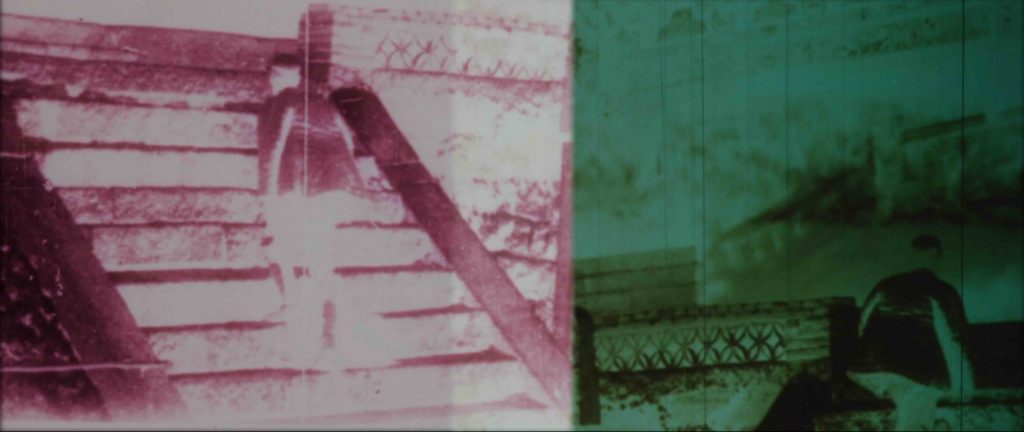
The Cyan Garden fictionalizes a clandestine radio station in Hunan, drawing from obscure histories like the Voice of the Malayan Revolution (1969–81) and the use of 8.75 mm film in rural China. Afternoon Hearsay presents archival 8.75 mm and Super 8 footage, meditating on resistance to historical amnesia and archival limitations. Peng highlights the resistant, cameraless qualities of 8.75 mm film — a medium unable to generate new visuals — as a form of resistance against authority and production.
During the 1960s, revolutionaries passing through Changsha, especially members of the Malayan Communist Party, often stayed at the Cyan Garden Hotel. These connections, veiled in secrecy, linked China and Southeast Asia via clandestine radio broadcasts. Since the station’s closure in the 1960s, this history has rarely been revisited.
Peng reimagines these fading memories, blending them with the image of a Southeast Asian-style guesthouse run by a friend — making these elusive histories even more intangible. He employs black-and-white military-grade film stock from the same era, which flickers and crackles, embodying the unsettled nature of memory. The Cyan Garden suggests that history is never fully grasped; it exists only as a fleeting afterimage reflected in a translucent projection.
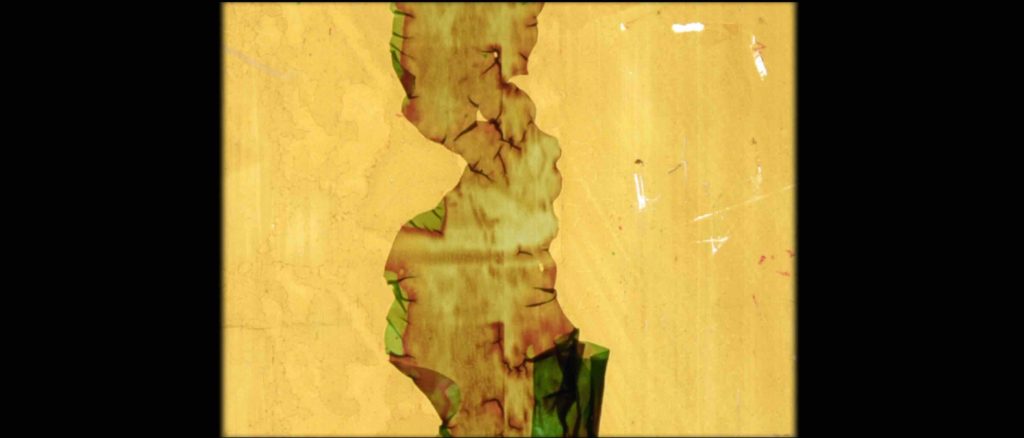
The exhibition also features Déjà vu (2023–24), a photogram-based work that exposes a metal wire onto 16mm film, exploring themes of fire and destruction and the emotional power of film. Through these pieces, Peng investigates memory, resistance, and hidden emotions outside official histories, maintaining their liminal, elusive quality.
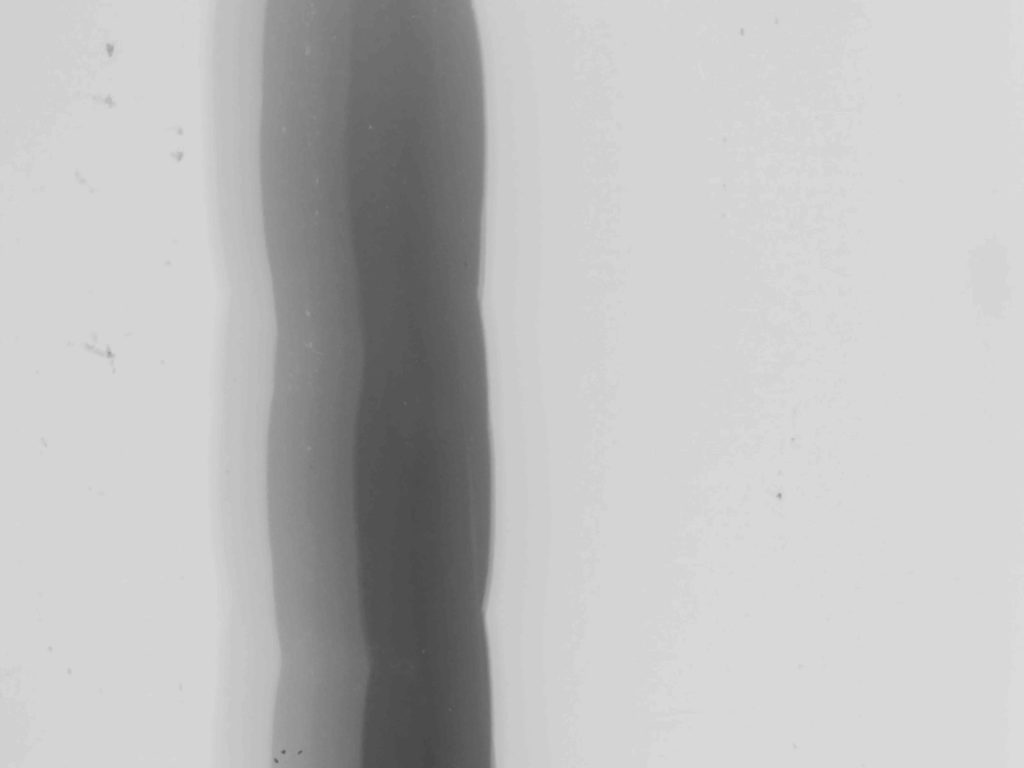
A notable example is a multi-sensory composition combining 16mm color film, digital audio, poetic voiceover, and a clay 3D-printed pen holder styled like an antiquated ornament. Peng employs experimental photogram techniques by directly exposing a metal wire onto film negative, producing abstract, trembling images that evoke loss, disorientation, and disorder. The 3D-printed pen holder, resembling a wounded human body, underscores themes of bodily scars and trauma.
These cross-media experiments reflect Peng’s interest in the fluidity of memory and the embodied nature of trauma. He suggests that memory is inherently unstable, often expressed through bodily sensations, and invites viewers to consider whether pain can serve as a means for deeper understanding or projection of wounds. Overall, the works evoke a haunting reflection on displaced histories and the complex layers of emotion they contain.