Versace has just launched “Versace Embodied,” a project directed by Dario Vitale that breaks with the notion of a campaign, becoming an open conversation instead.An exploration of what the house represents, through the people, places, and symbols that carry its spirit. Past, present, and future collide in a series of chapters that reveal Versace’s essence in unexpected ways.
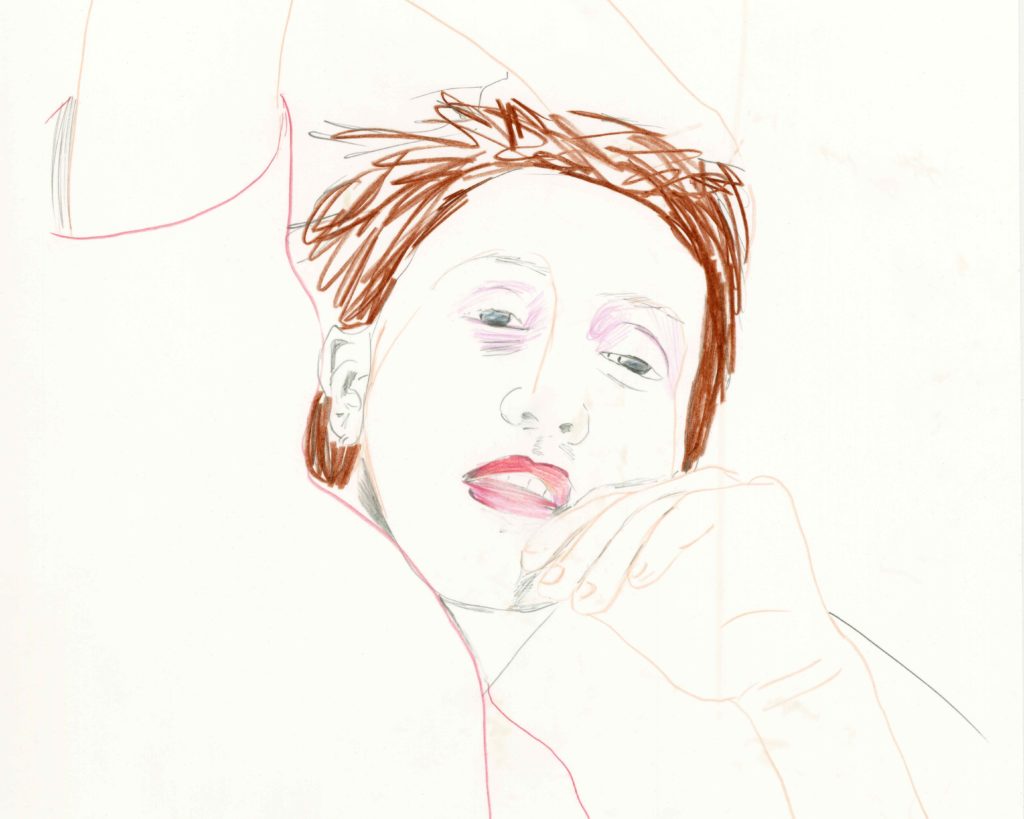
At its core, the first chapter gathers an eclectic collective of artists, photographers, and cultural voices — each of them fearless and unafraid to move beyond boundaries. What unites them is the tension between body and mind, a duality that drives their creative visions. Their responses are deeply personal, yet connected by the same values that have always defined Versace: strength, rigor, and sexuality.
The result is not simply imagery or objects, but a layered exchange. Photography, poetry, illustration, music, and film blend with artifacts from the Versace archive, traces of lived history that hold beauty, conflict, and emotion. The clash is deliberate: irreverent yet deeply felt, defying age, gender, or identity.
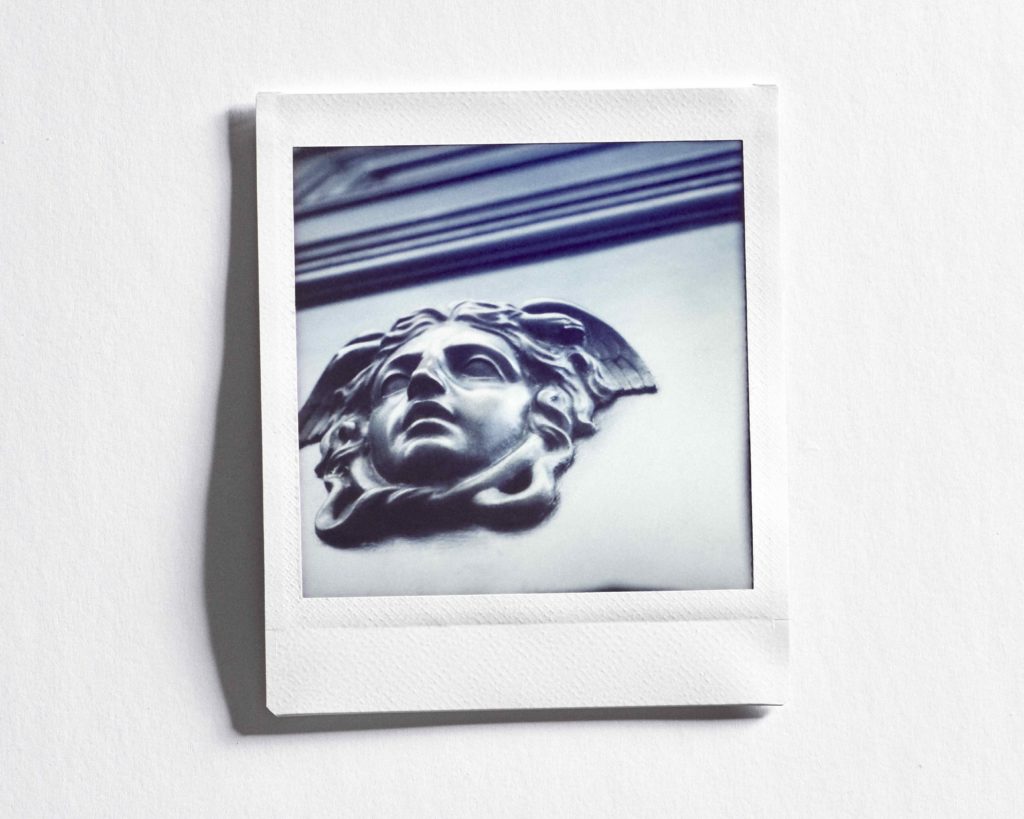
With “Versace Embodied,” the House once again positions itself alongside culture’s pioneers pushing expression into new territories. It’s an invitation into its world, where intimacy and boldness meet. The journey begins at Via Gesù, 12, in Milan, with the original Medusa cast that still marks the door of the historic home and atelier.
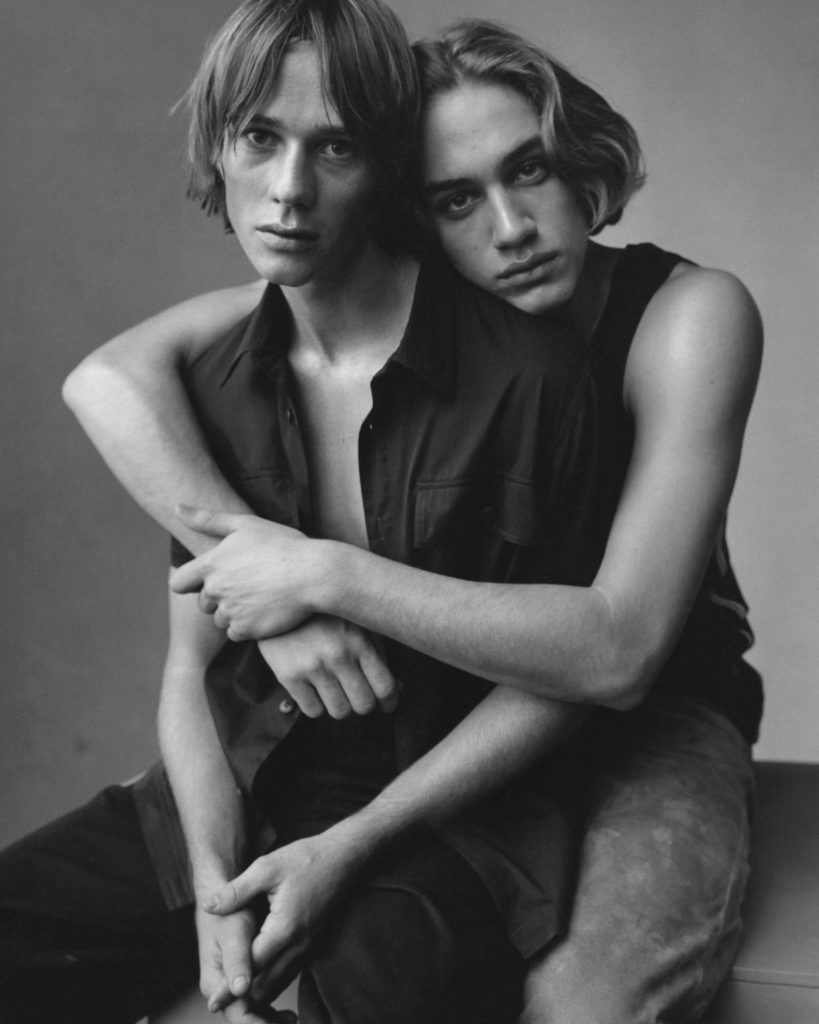
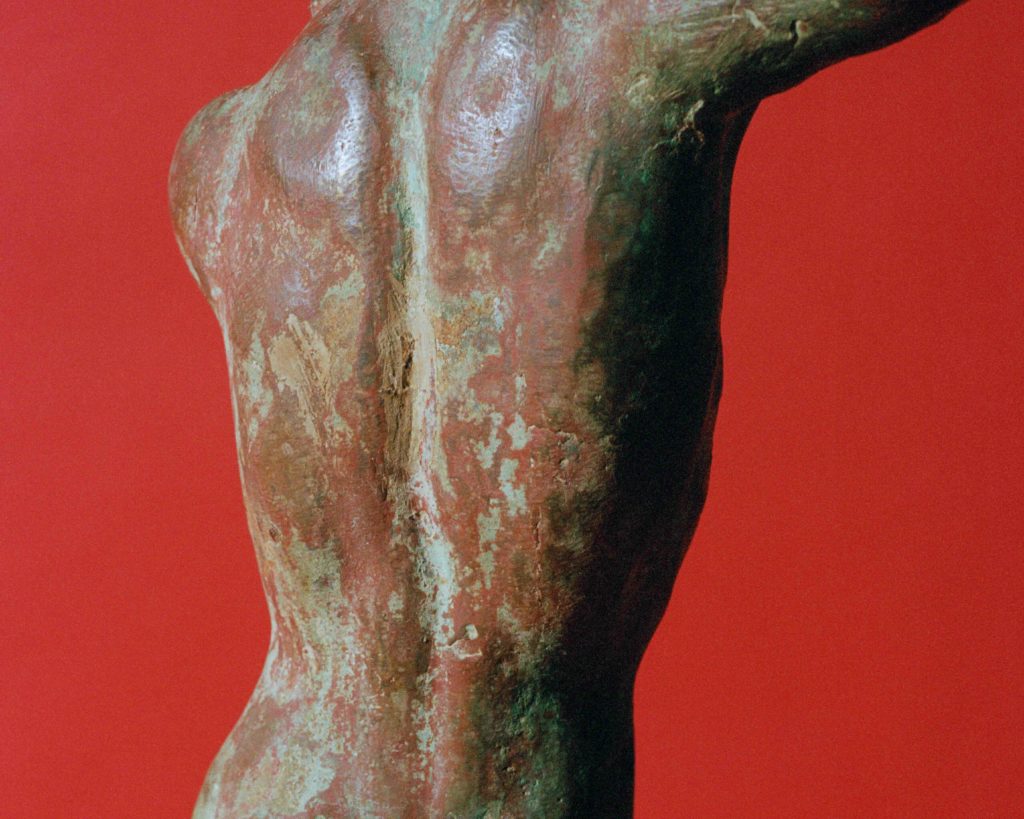
The first chapter of “Versace Embodied” unfolds as a series of encounters with artists whose work resonates with the house’s codes. Camille Vivier, with her dreamlike, mythical aesthetic, photographs the bronze Medusa that adorns the original Milanese home and atelier of Versace, pairing it with archival pieces. Andrea Modica brings her signature black-and-white intimacy to portraits of youth exploring Southern Italy, reconnecting with the house’’ Mediterranean roots. Modica reflects on this moment: “This collaboration marks my first formal step into the world of fashion. I’ve been essentially preparing for this assignment for years, from my investigation of how people individualize assigned clothing in my books Catholic Girl and Minor League to my deep dive into the world of men in dresses worn by the Wenches of the Philadelphia Mummers on January 1.”
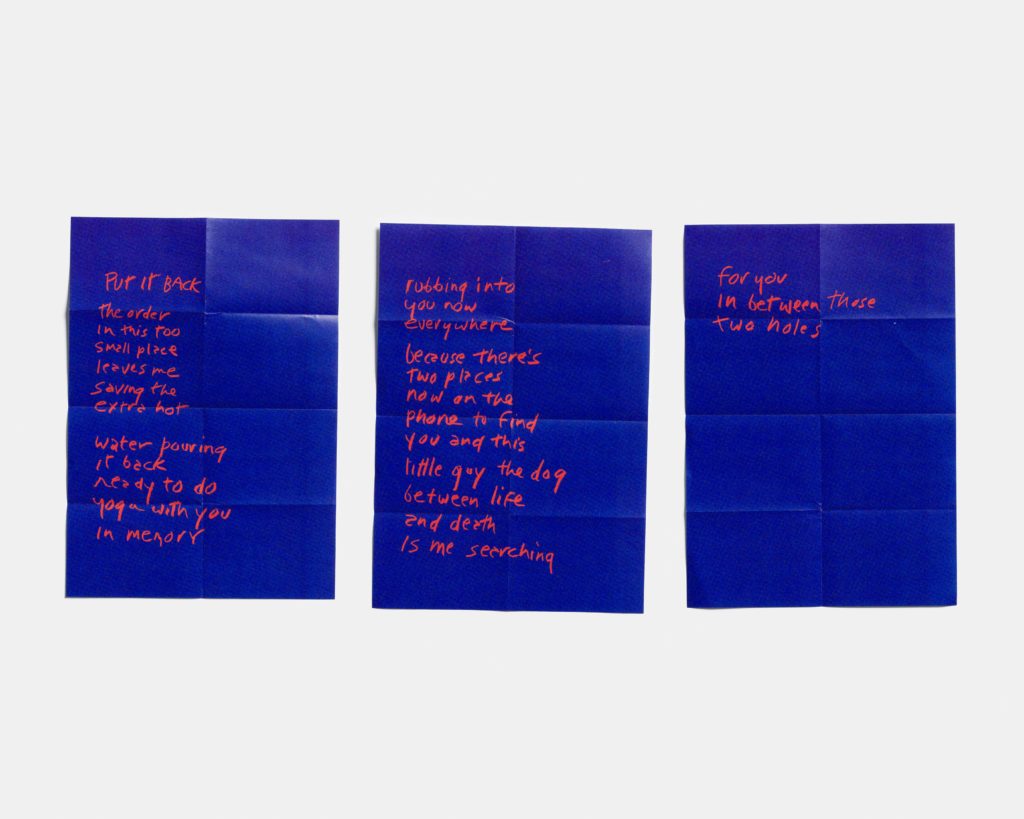
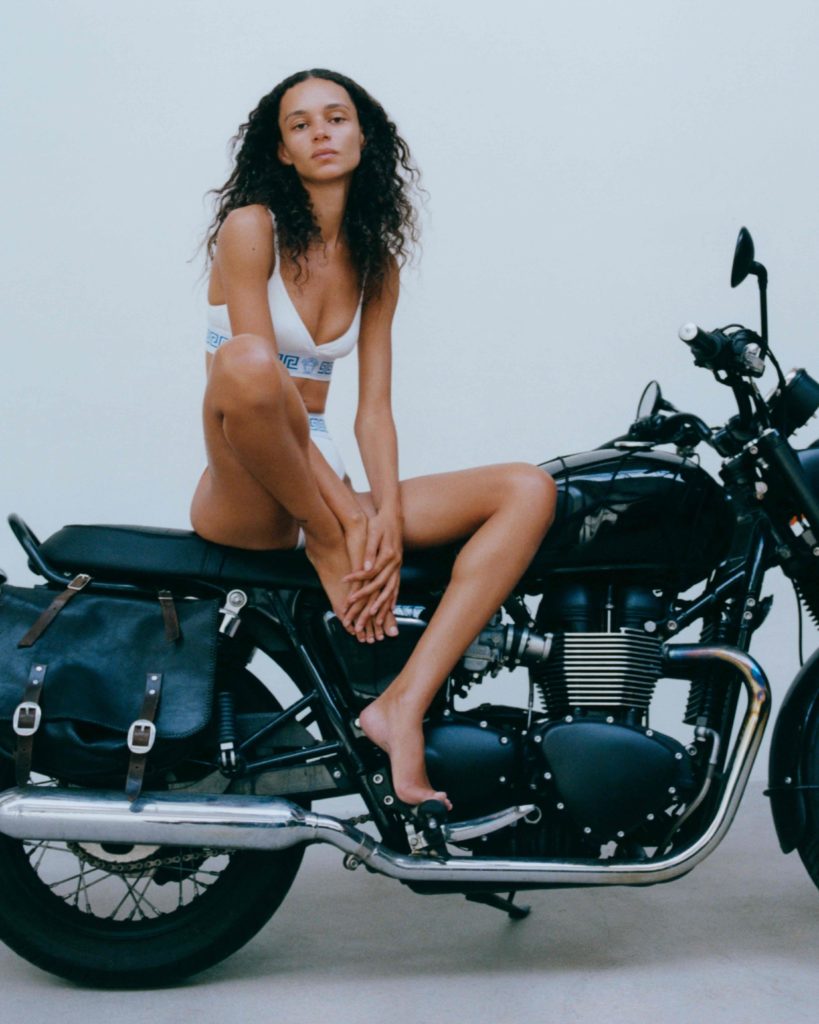
From the archive comes Steven Meisel’s Istante catalogue, shot in New York in Spring/Summer 1997, a testament to his long and boundary-pushing collaboration with Versace since the 1980s. Collier Schorr contributes a series of original illustrations, confronting intimacy and sexuality through her characteristically raw and tender gaze. A historical echo arrives with a photograph of the Bronzi di Riace, unveiled to the public at the Palazzo del Quirinale in 1981: two nude bronze figures whose virility and statuesque presence challenged and mesmerized viewers. The poet and novelist Eileen Myles responds with Put It Back (2025), a raw and transgressive meditation on intimacy and physicality. In New York and Los Angeles, Olly Elyte stages Ponyboy, a communal dance space embodying Versace’s liberated and forthright physicality. Finally, Binx Walton, model and artist, is captured on a bike by Stef Mitchell, in a portrait that celebrates youthful independence and the irreverent energy that continues to define Versace.
Founded by Gianni Versace in 1978, the House is built on freedom and fearless self-expression. Rooted in Italian craftsmanship and Mediterranean values, Versace embraces both classicism and innovation, strength and sensuality. Today, under Chief Creative Officer Dario Vitale, it continues to shape culture with uncompromising vision and daring independence.